
Affiliate disclosure: As an Amazon Associate I earn from qualifying purchases. Learn more
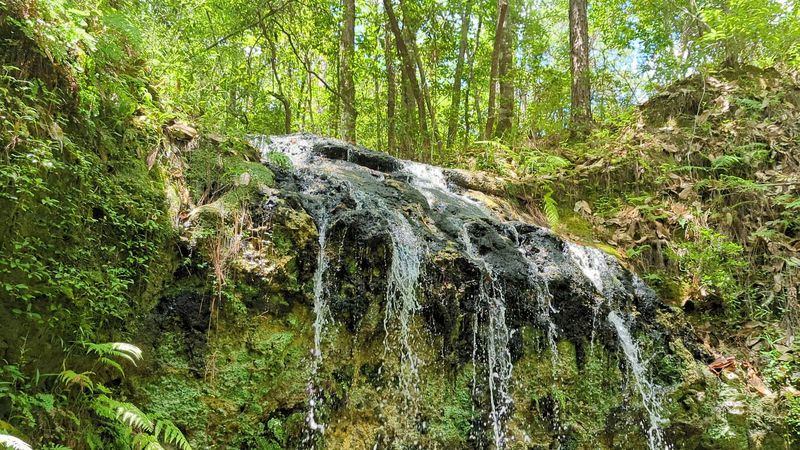
Florida is famous for flat land, sandy coastlines, and swampy lowlands, so the idea of an actual waterfall here sounds like a tall tale. Yet tucked away in the Panhandle sits a spot where water tumbles 73 feet straight down into a deep sinkhole, and most people driving past have no clue it exists.
The height of the drop is real, and so is the surprise on the faces of first-timers who reach the viewing deck. This is a place where sinkholes, shady pine trails, and a small swimming lake all share the same quiet corner of the state.
Stick around, because the story behind this waterfall is stranger and more charming than you might expect, and the best part is that seeing it costs almost nothing.
The Panhandle Address Behind the Mystery
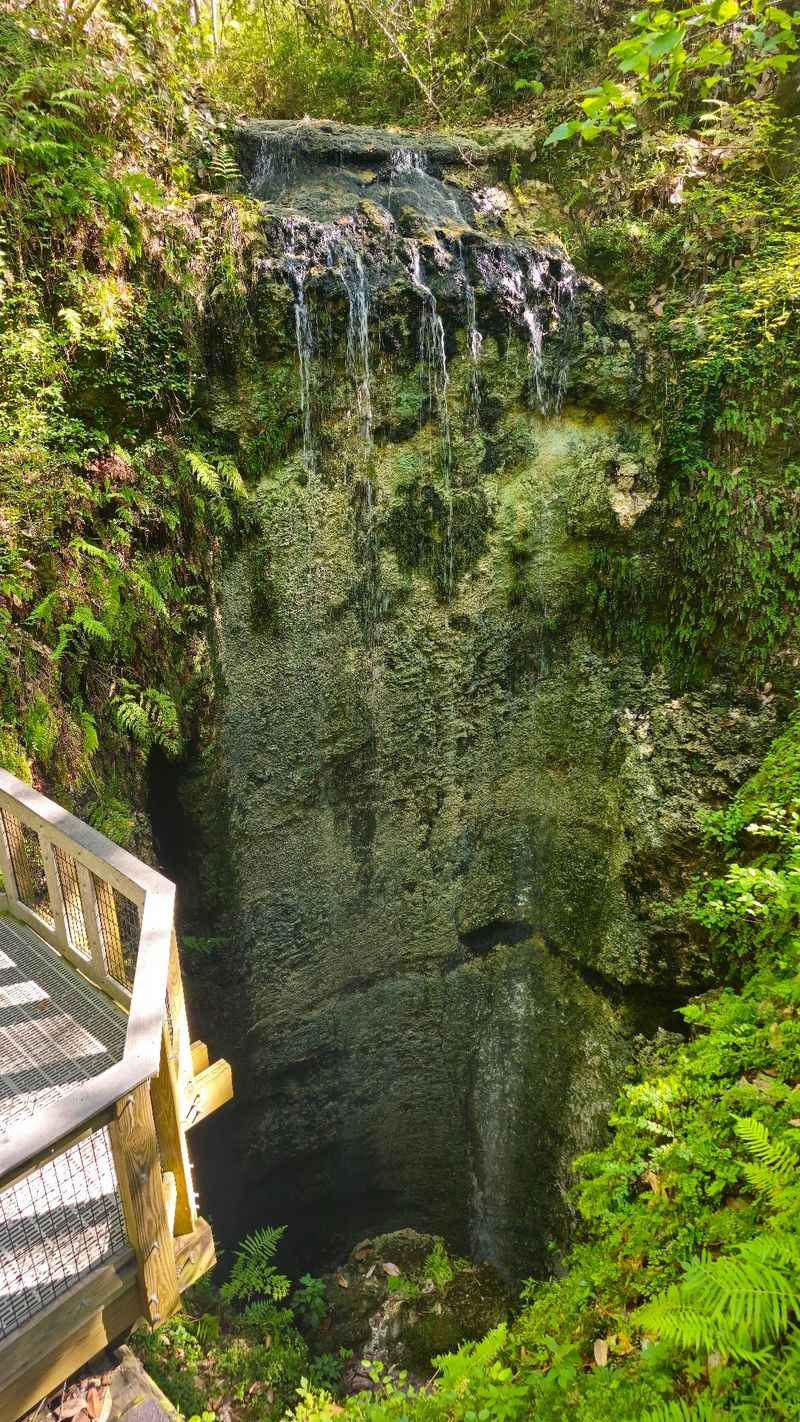
The waterfall everyone whispers about lives at Falling Waters State Park, 1130 State Park Rd in Chipley, Florida. It sits in the northern Panhandle, an easy detour for anyone rolling along Interstate 10.
Despite the Tallahassee-area buzz that surrounds the legend, this park is its own destination, a state park run by Florida State Parks and holding a strong 4.7-star reputation across more than 1,500 reviews.
What makes the location so handy is how quickly the fun starts. The main attractions sit just a few steps from the parking lot, so nobody has to trek for miles before the payoff arrives.
Regulars often mention that it makes a great pit stop off the highway, a chance for families to stretch their legs and see something genuinely unusual for Florida. Others come specifically to camp, hike, and swim, turning a quick stop into a full weekend.
The name says it all. Falling Waters is aptly titled, and once you find it, you understand why people keep coming back decade after decade.
A Seventy-Three-Foot Drop Into the Earth
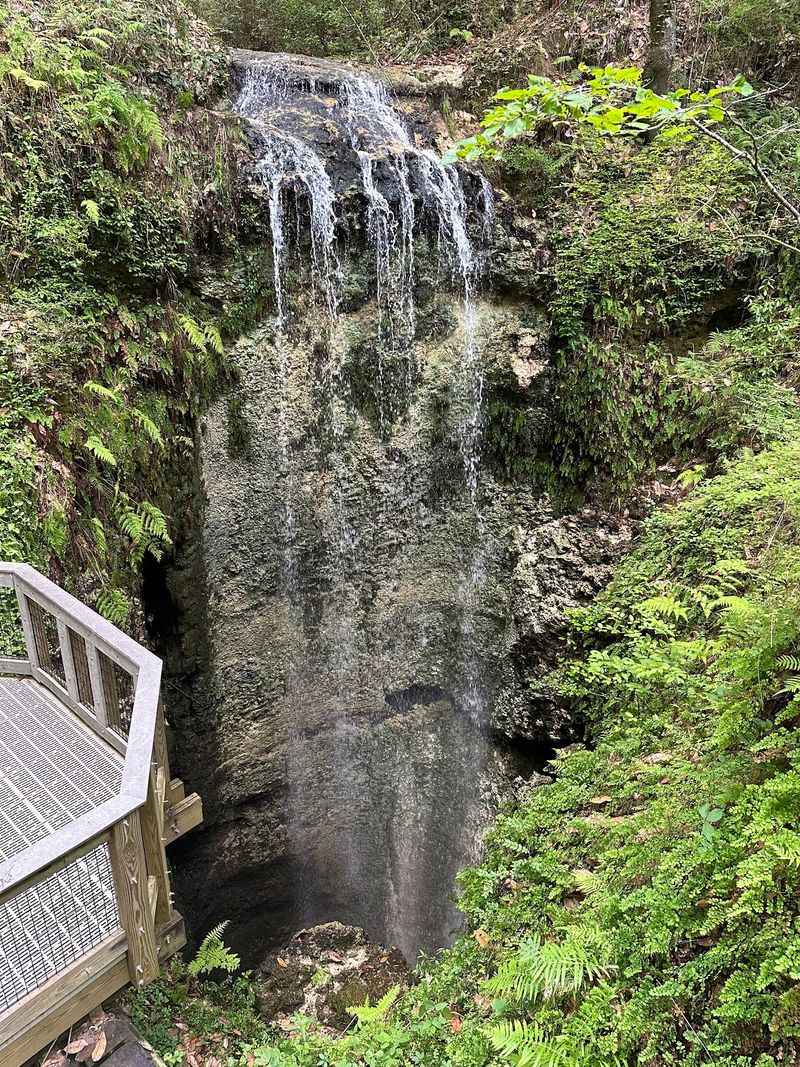
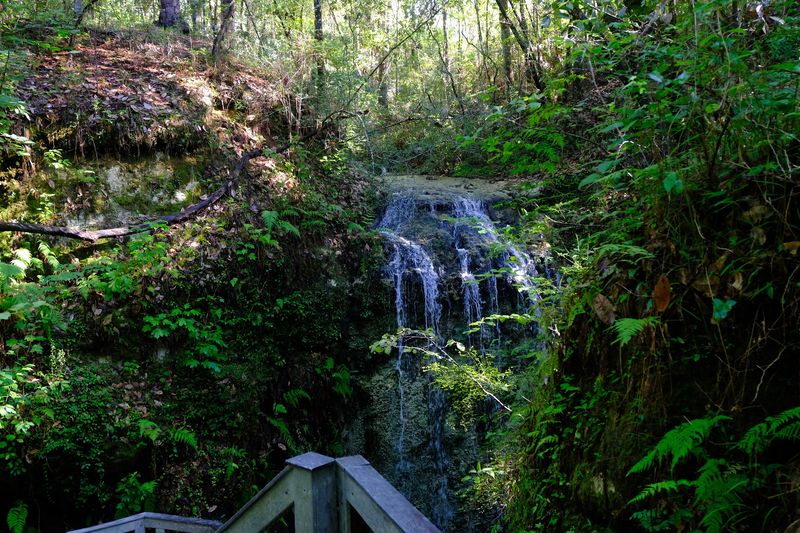
The headline attraction is a slender waterfall that plunges 73 feet down into a 100-foot-deep sinkhole. That drop makes it the tallest waterfall in Florida, a title that catches most people off guard.
Height alone does not tell the whole story. Instead of crashing into a river below, the water disappears into a shaded cylinder of rock, giving the whole scene a mysterious, almost hidden quality.
Folks who make the walk often note that 73 feet does not sound like much until they peer over the edge and realize how far down the water travels. The sinkhole itself goes deeper than newcomers expect.
Because the falls tumble into the ground rather than out toward you, the experience feels different from a typical mountain cascade. It is a geologic oddity as much as a scenic one.
Many describe it simply as neat, unique, and worth the short trip just to say they saw an actual waterfall in the Sunshine State.
Why Rain Decides the Show
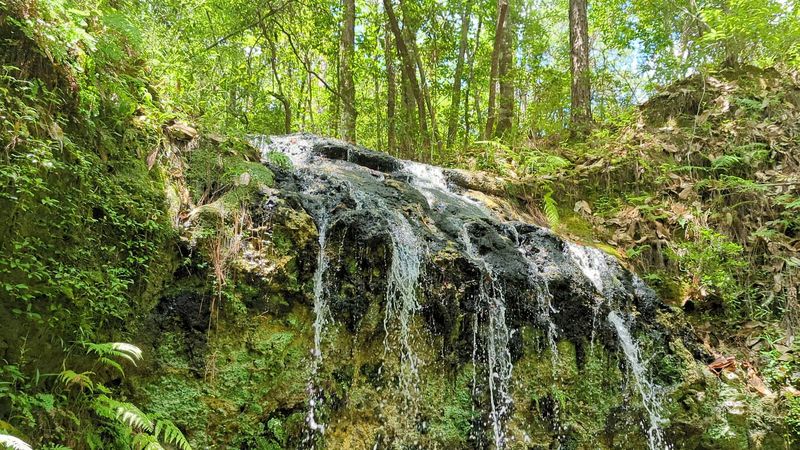
Here is the twist nobody warns you about: the waterfall does not always fall. Its flow depends entirely on recent rainfall, so timing your visit matters more than at almost any other attraction.
After heavy rain, the falls can reach a level rated as moderate and look genuinely impressive for Florida. Show up during a dry stretch and you might find only a thin trickle, or sometimes no water at all.
Smart planners call ahead or check the forecast, and the staff at the front gate will actually tell you the flow level before you pay to enter. That heads-up gives you the choice to visit now or return another day.
Even on low-water days, plenty of people still enjoy the trip. The boardwalk, the sinkhole views, and the surrounding woods hold their own charm regardless of how much water is falling.
The takeaway is simple. If you want the full effect, aim for the rainy season or a day or two after a storm, and you will be rewarded with the waterfall actually doing its job.
The Boardwalk and Its Three Viewpoints
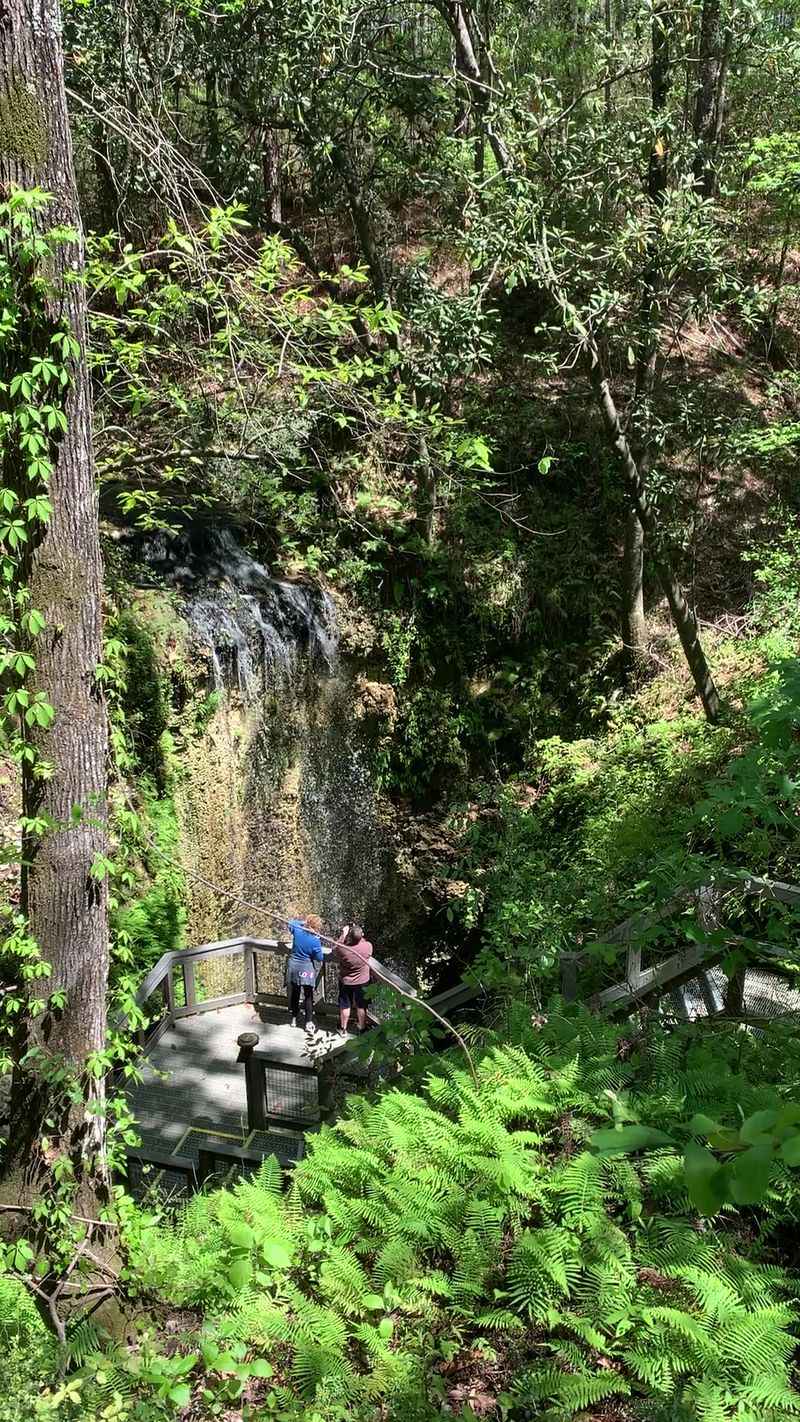
Getting to the falls means following a half-mile boardwalk trail that winds past ferns, trees, and the park’s famous sinkholes. It is short, well-designed, and easy enough for most people to manage.
Once you reach the falls area, you get three separate paths to choose from. There is an upper overlook, a middle deck, and a sinkhole viewpoint, each offering a slightly different angle on the scene.
If you can only walk one, the middle path earns the most praise. That route delivers the closest look at both the waterfall and the sinkhole from a single deck.
The upper observation platform is wheelchair accessible and friendly to strollers and toddlers. The lower level involves some metal stairs with sturdy railings, though the count is small and easy to navigate.
The hardest part, if you can call it that, is the gentle incline on the walk back up. Most people agree it is a minor effort for such an unusual reward.
Sinkholes That Steal the Spotlight
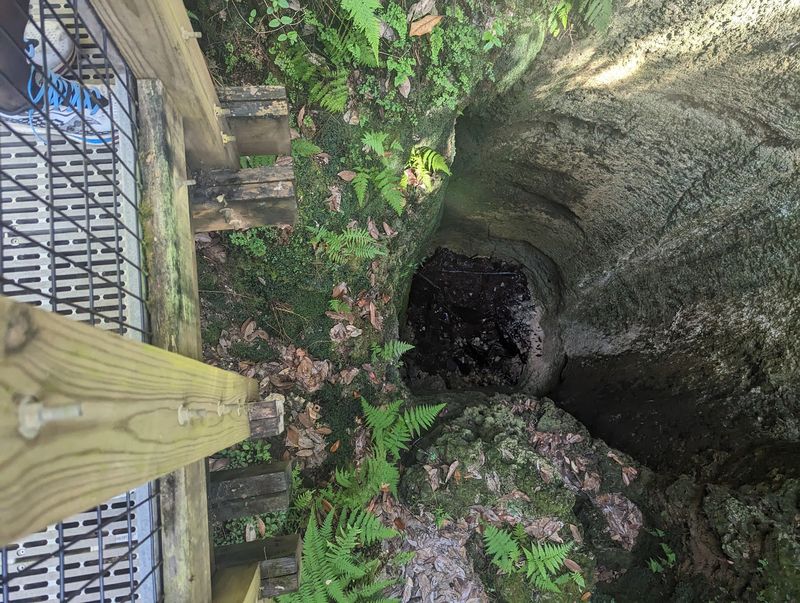
Do not be surprised if the sinkholes upstage the waterfall. Scattered around the park, these deep pits carve into the earth in ways that feel almost otherworldly.
There are roughly seven or eight of them dotted across the grounds, some wide enough to make you stop and stare, others deep enough to make you clutch your phone a little tighter.
The main sinkhole in particular tends to surprise people with how far down it drops. It runs deeper and scarier than most expect, which only adds to the fun.
A walkout along the trail lets you peer over the biggest ones from a safe railing. It is the kind of geologic feature you rarely get to see up close anywhere in the state.
Trail conditions can change, and at times certain sinkhole areas have been closed for repairs, so it helps to check what is open when you arrive. Even so, the ones you can reach make the boardwalk stroll well worth it.
Turtle Lake and the Little Sandy Beach
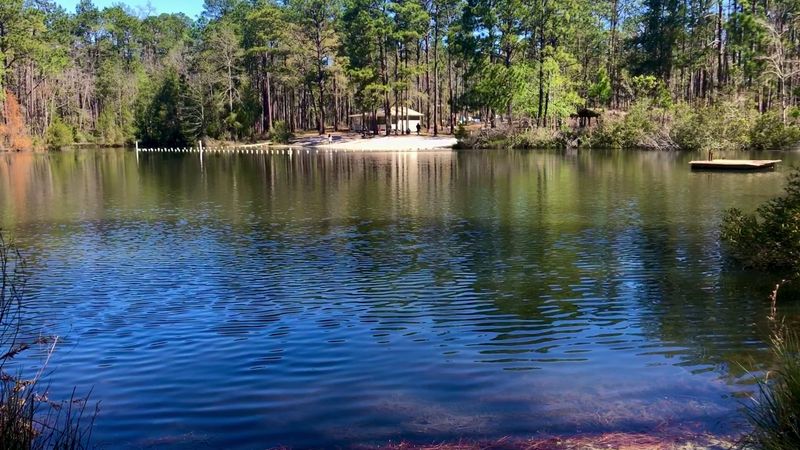
Beyond the falls, the park hides a two-acre lake that turns a quick visit into a relaxed afternoon. Turtle Lake offers canoeing, fishing, and a designated swimming area with a small beach.
The swimming spot stays fairly compact, since most of the lake is roped off and reserved for wildlife rather than splashing. The bottom is sandy, so water shoes are not really necessary.
Summer swimmers should know the water can warm up considerably in the July heat. That makes it comfortable for wading and easy for kids to enjoy.
Trails branch off toward the lake, giving hikers a longer loop if they want to stretch the walk past the waterfall. Along the way you can spot plenty of birds among the trees.
Water levels in the lake also connect to the falls, since a lower lake can mean weaker water flow. When conditions line up, the lake and waterfall together make the park feel like a proper day out rather than a roadside stop.
Butterflies, Playgrounds, and Picnic Tables
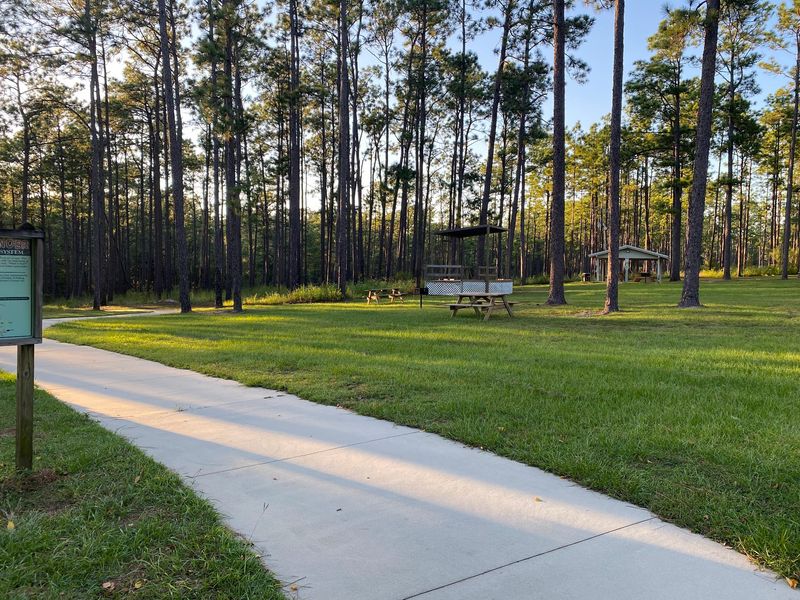
Near the parking lot, a butterfly garden greets visitors with native plants chosen to draw in fluttering guests during the warmer months. Educational labels explain which flowers attract which butterflies, so it doubles as a mini nature lesson.
The garden takes its cue from the seasons. A deep winter freeze can prune the plants down to survival mode, leaving the labels to tell the story until spring brings everything back to life.
Families with young kids will find plenty to love. A playground sits conveniently close to the waterfall area, giving children a place to burn off energy after the walk.
Picnic tables and pavilions round out the setup, making it simple to plan a casual lunch, a birthday gathering, or an easygoing outdoor meal. There is no shortage of shady spots to settle in.
All of this sits within a short stroll of the parking area, which is exactly why so many parents rank the park as a stress-free family outing.
Camping on Florida’s Highest Ground
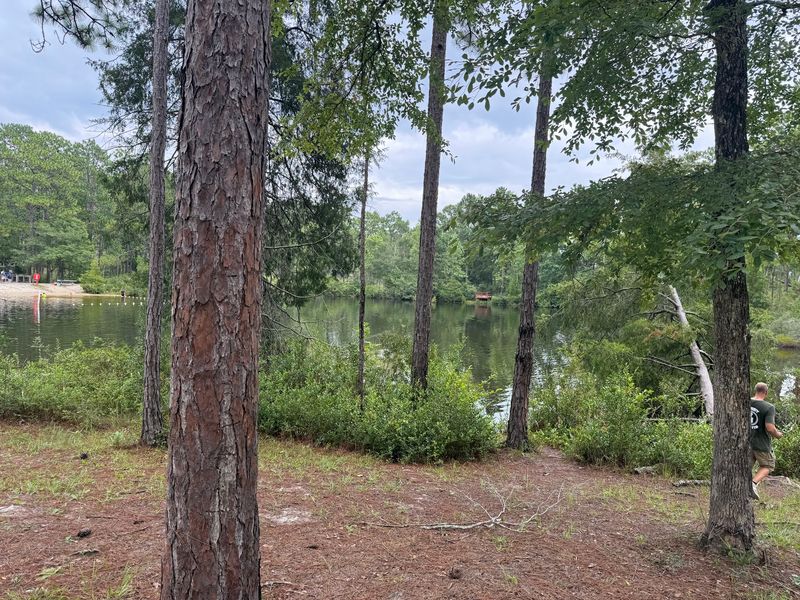
There is a fun bragging right built into the campground here. The 24 campsites sit around 324 feet above sea level, which counts as one of the highest points in Florida.
Campers consistently give the grounds high marks for cleanliness and upkeep. The RV sites come paved and pristine, with amenities like 50-amp hookups that make setting up a breeze.
Tent campers are welcome too, though tents go up on gravel or designated spots rather than open grass. It is a small quirk that seldom causes trouble.
The bathhouses and showers earn steady applause for being spotless and conveniently located near the sites. That kind of maintenance keeps families returning year after year.
Dogs are welcome for long walks, and the tall canopy of trees keeps the whole campground shaded and peaceful. Between the trails, the lake, and the falls, campers rarely run out of things to do, and many leave already planning their next stay.
Hours, the Five-Dollar Gate, and the Verdict
Best of all, this natural wonder barely costs anything. Admission runs just $5 per vehicle, an easy price for a chance to see the tallest waterfall in the state.
The park keeps simple hours, open daily from 8 a.m. until sunset. That leaves plenty of daylight to combine the falls, the sinkholes, the lake, and a picnic in a single trip.
Restrooms sit right by the waterfall parking area, and they earn steady praise for being clean and convenient. A drinking fountain and filtered water dispenser are on hand too, though it is wise to bring your own water just in case.
Staff at the gate come across as friendly and helpful, and they will happily share the day’s water flow rating before you commit. That small courtesy can shape your whole visit.
Worth checking out even with no water flowing, and downright memorable when the rains cooperate, this Panhandle stop rewards the curious. Time it right, pay your five dollars, and you get to witness something few people believe Florida has at all.