
Affiliate disclosure: As an Amazon Associate I earn from qualifying purchases. Learn more
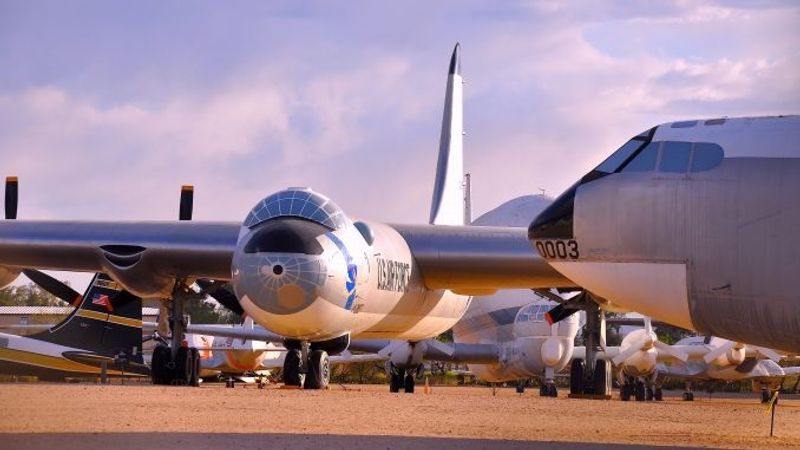
Long before you reach the front gate, you can already spot rows of aircraft parked out in the open desert, glinting under the Tucson sun. There is a place in southern Arizona where more than 300 planes, helicopters, and spacecraft sit across a stretch of ground so large that most people run out of time before they run out of things to see.
Rare prototypes, retired bombers, and a genuine moon rock all share the same address here. Longtime Arizona residents sometimes forget this treasure is sitting right in their own backyard.
Keep reading to learn why families drive across state lines just to spend a full day wandering these grounds, and how to make the most of your own visit.
Where The Desert Becomes A Runway Of History
Out on the southeast edge of Tucson, at 6000 E Valencia Rd, Tucson, AZ 85756, sits one of the largest aviation collections you will find anywhere. The grounds spread across 80 acres, and the sheer scale catches most people off guard.
More than 300 aircraft and spacecraft are on display, spilling out from indoor hangars into the open desert. The dry Arizona air, with its very low humidity, actually helps keep many of these machines in decent shape year after year.
The place carries a 4.8-star reputation built on more than 10,000 pieces of feedback, which is remarkable for a spot this big. Longtime Arizonans who assume they have seen it all tend to walk away surprised by how much history is parked just minutes from home.
A Collection Built On Rare And Retired Machines
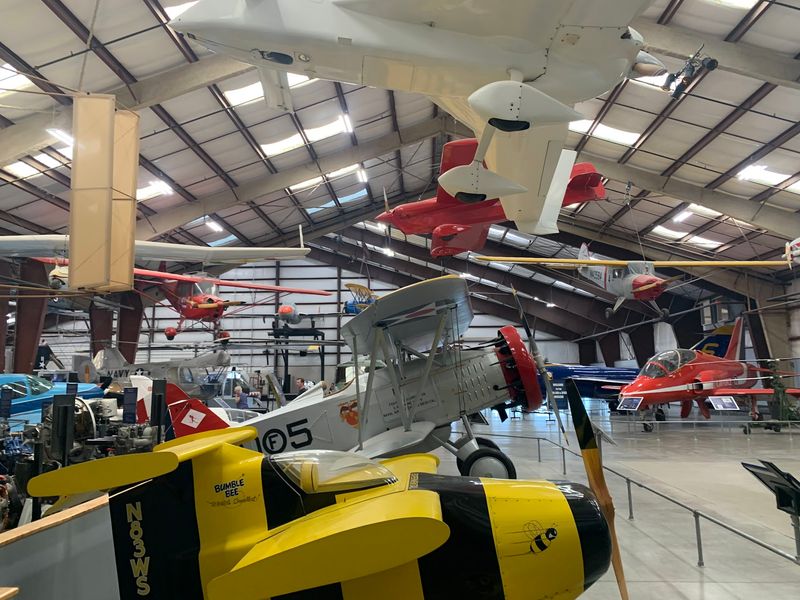
Plane enthusiasts light up here because the lineup includes models that are genuinely hard to find anywhere else on the planet. Rare prototypes, retired airframes, and one-of-a-kind machines fill both the hangars and the open field.
Standout names include the Philippine Mars, the Columbine, and a Shackleton, along with iconic aircraft like the B-17 Flying Fortress, the SR-71 Blackbird, the A-10 Warthog, and the B-52. One of the crowd favorites is the chance to walk right under a full-size 747.
What makes the experience richer is that you often find three or more of the same type parked together, so you can compare variations up close. Even people who would never call themselves aviation buffs tend to leave with a new favorite plane and a head full of history.
The Tram Tour Worth Every Extra Dollar
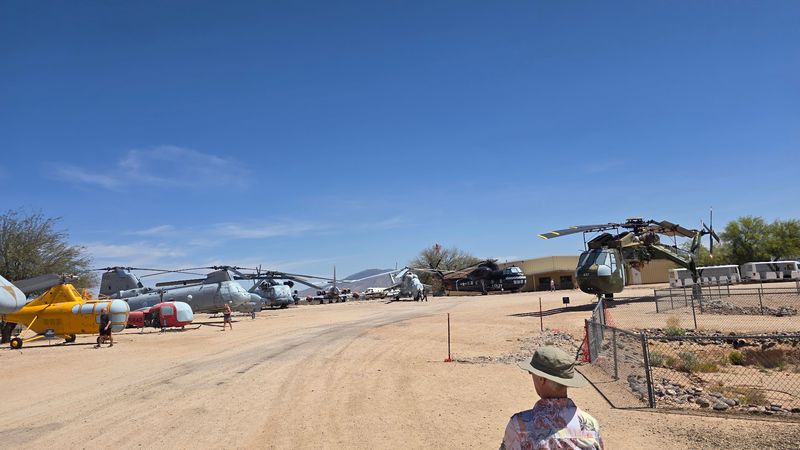
Covering 80 acres on foot is a serious undertaking, which is exactly why the guided tram tour keeps coming up as a favorite add-on. For about $10 extra, you ride a covered tram through nearly all of the outdoor displays.
The ride runs roughly 45 minutes, and the drivers tend to know their aircraft inside and out, tossing in facts and stories along the way. A smart move many people swear by is taking the tram first to get the lay of the land, then walking back to whatever caught your eye.
On a hot Arizona afternoon, the shade of that covered tram feels like a genuine gift. Between the guided narration and the ground it covers, it consistently earns its keep as one of the best decisions of the day.
Bombers, Blackbirds, And The Famous Flying Fortress
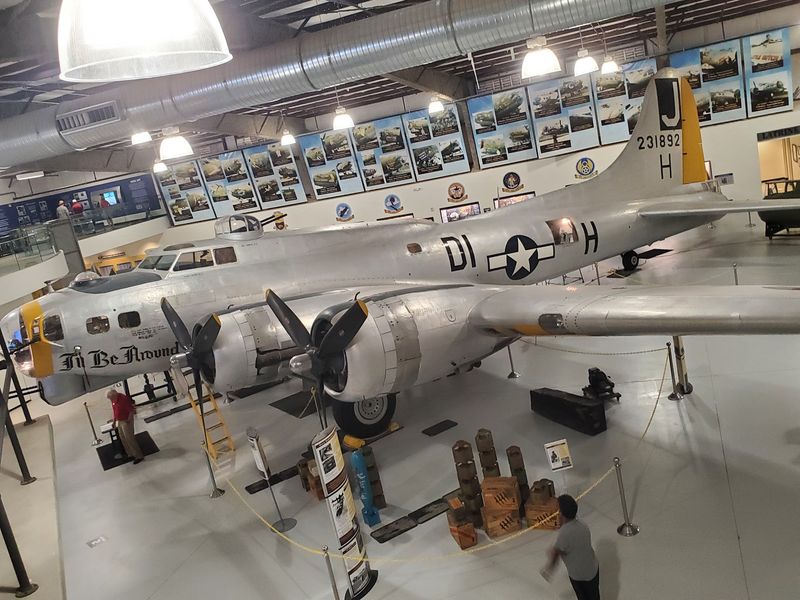
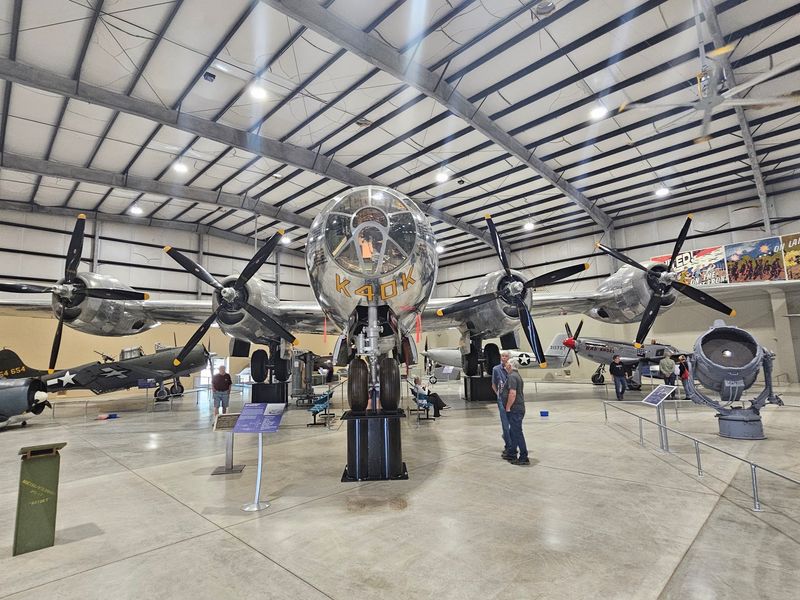
Head into the central hangar and you will find the B-17 Flying Fortress holding court, one of the most talked-about aircraft on the entire property. Standing near it, and being able to peer inside at several spots, leaves a strong impression on history fans.
The bomber hangar carries a humbling weight to it, and a newer air-conditioning addition makes lingering there far more comfortable. Cut-away sections let you see the inner workings that most people never get to view.
Elsewhere, restored examples of favorite airframes let you walk up to, under, and all the way around important aircraft. History buffs especially connect with pieces tied to families who served, making the machines feel like more than metal and rivets.
Space Rockets And A Genuine Moon Rock
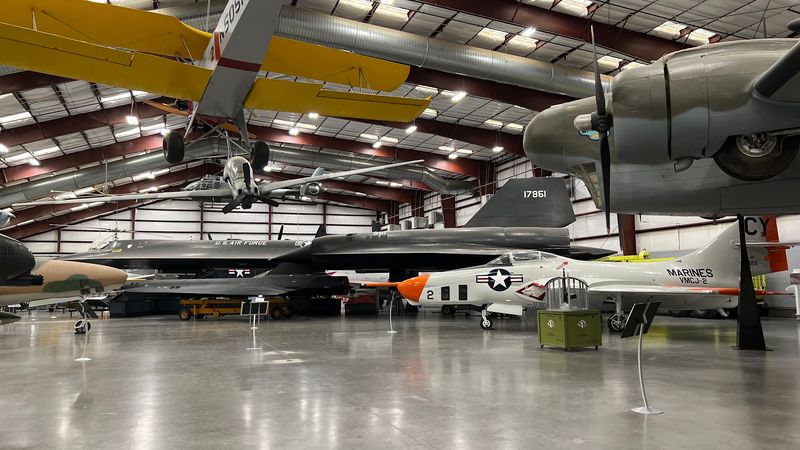
It is not all wings and propellers here. Tucked among the aircraft is a small but genuine space collection that surprises a lot of families.
You will find space vehicles from the Mercury and Apollo missions, a replica X-15 NASA craft, and even a moon rock that stops kids in their tracks. Out front stands a Thiokol solid rocket booster from the shuttle program, greeting you before you even reach the main exhibits.
The mix of aviation and space history means a single visit spans everything from the earliest flight to journeys beyond the atmosphere. For young visitors dreaming of rockets, this corner of the museum tends to be the highlight that sends them home talking.
Two Bonus Museums On The Same Grounds
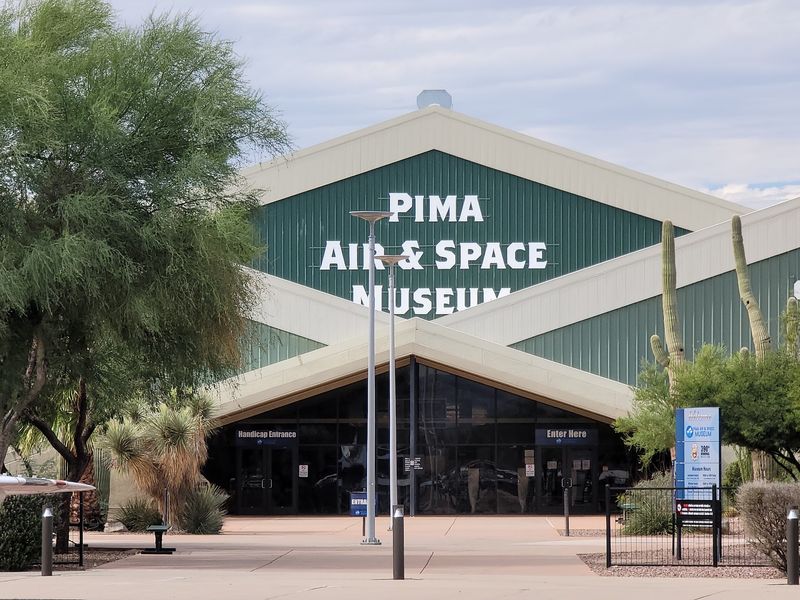
Plan your visit right and you get more than just one museum for the trip. The grounds include the 390th Memorial Museum, which honors bomber crews and lets you peer inside the B-17 from several angles.
Families also get access to the nearby Tucson Military Vehicle Museum, a building packed so full of vehicles that it genuinely astonishes people. There are so many crammed inside that walking through feels like discovering a hidden garage of history.
A free shuttle runs between the sites, so hopping from one to the next is easy. Adding these extra stops turns a big day out into an even fuller one, and it is a big reason so many people vow to return.
Volunteers Who Bring The Planes To Life
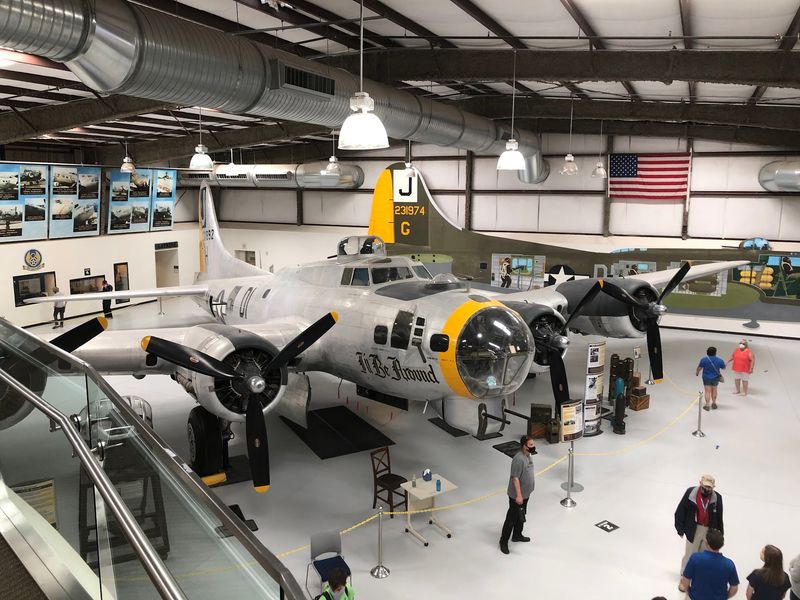
The single best tip regulars pass along has nothing to do with any particular plane. Strike up a conversation with a volunteer or staff member, and the whole place opens up.
These folks tend to be enthusiastic and deeply knowledgeable, happy to share stories about the aircraft, the pilots, and countless military and aviation topics. Many people describe their visit becoming far more memorable simply because someone stopped to explain what they were looking at.
On special occasions, the museum has even hosted former B-17 pilots on site to talk about their flying days and sign books, a real treat for anyone who loves history straight from the source. The staff and volunteers get consistent praise for being professional, warm, and genuinely excited to share what they know.
A Place Kids And Grownups Both Get Lost In
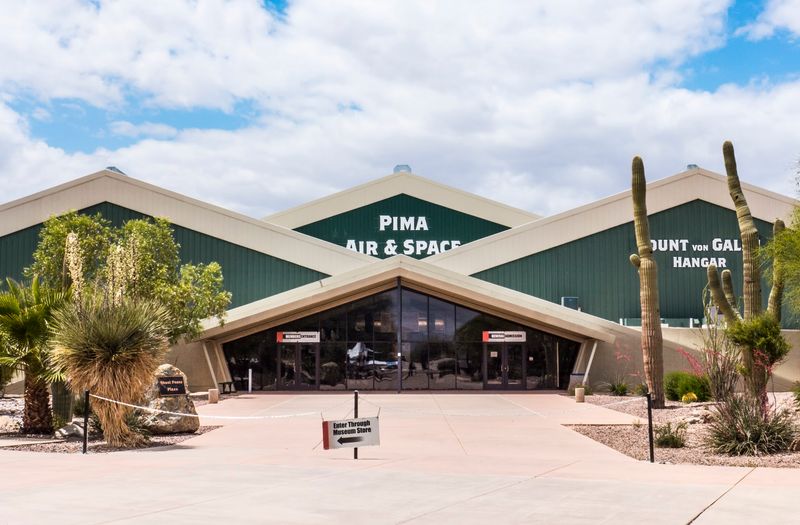
Wide open space and plenty of room to wander make this an easy outing for all ages. Kids tend to bounce between the planes, the artifacts, the moon rock, and the rockets, then immediately start planning their next visit.
Grownups who would never call themselves plane geeks find themselves happily losing hours here too. One person who came just to kill time ended up spending nearly three hours before they knew it.
The grounds are so large that even on a busy day you can often snap photos without crowds photobombing your shot. Whether someone is chasing childhood memories of a favorite aircraft or introducing children to flight for the first time, the place meets them where they are.
Beating The Heat On An 80-Acre Site
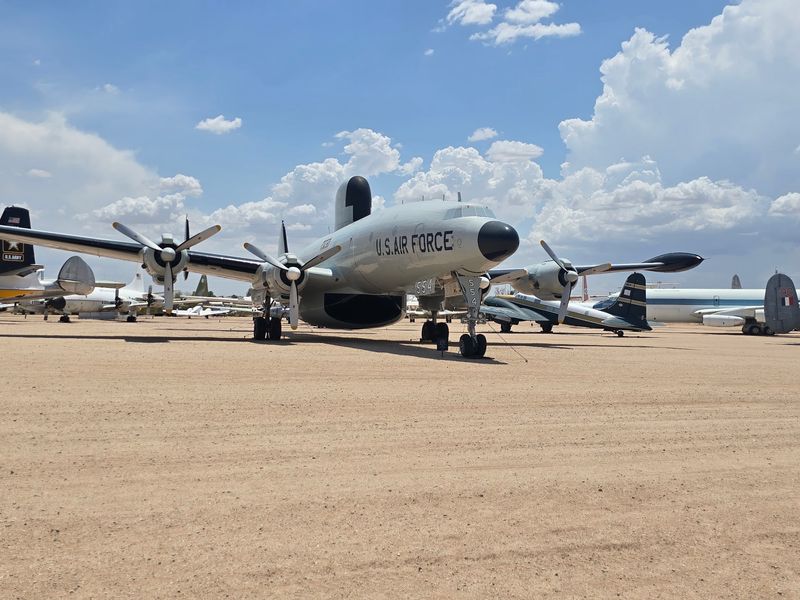
Arizona summers mean business, and the outdoor field can get toasty when temperatures climb past 100 degrees. The smartest strategy people share is to tackle the outdoor exhibits early in the morning, then retreat into the hangars during the hotter afternoon.
Many of the indoor hangars are comfortably air-conditioned, giving you a cool place to recover between walks. That said, a few older buildings do not have air conditioning, so pace yourself and take frequent breaks.
Bringing a water bottle is a must, and refill stations are placed conveniently around the grounds. Comfortable shoes make a real difference too, since you will cover serious distance.
Many people simply save their trip for the cooler winter months when the whole site becomes far easier to enjoy.
Hours, Tickets, And Planning Your Day
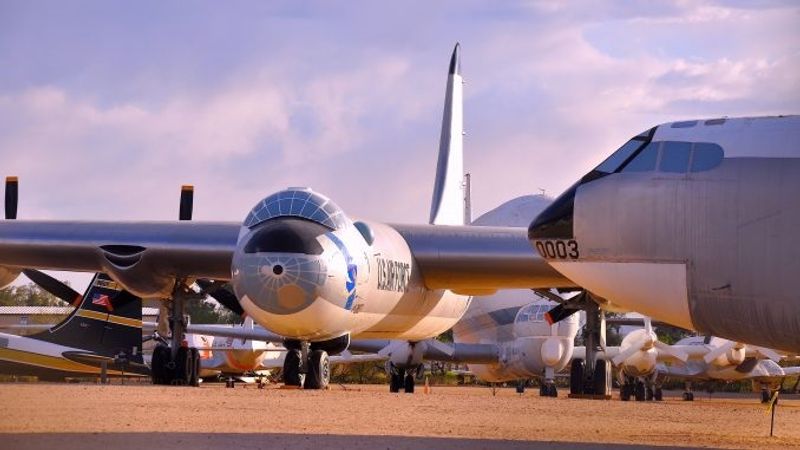
The museum sits at 6000 E Valencia Rd on the southeast side of Tucson, an easy drive whether you are coming from Phoenix or elsewhere across the state. During the summer schedule, doors open at 9 AM and close at 3 PM daily, with last admission around 1 PM, so arriving early really matters.
General admission has run about $29 and includes two visits within a 30-day window, which people consider solid value. Guided tram tours cost roughly $10 extra, and the separate military collection carries its own charge.
Active duty service members have been offered a discount, and the B-17 bomber hangar operates on a voluntary donation.
Set aside at least four to five hours if you want to take it all in without rushing. There is also a grill on the premises for a bite when your feet need a rest.