Affiliate disclosure: As an Amazon Associate I earn from qualifying purchases. Learn more
Along the Colorado River in Mohave County sits a spot that longtime residents once treated as a quiet fishing outpost, a place where the biggest news was the water level and the temperature reading. Times have changed.
What used to be a small riverside stop has grown into one of Arizona’s busiest warm-weather destinations, with boats crowding the shoreline and traffic where there used to be open road. People who grew up here now drive past neighborhoods they hardly recognize.
This article walks through how it grew, what still makes it special, and what a visit actually looks like today. Stick around, because the story behind this river town says a lot about how fast a hidden corner of Arizona can turn into a magnet for the whole region.
A River Town With a Name to Match
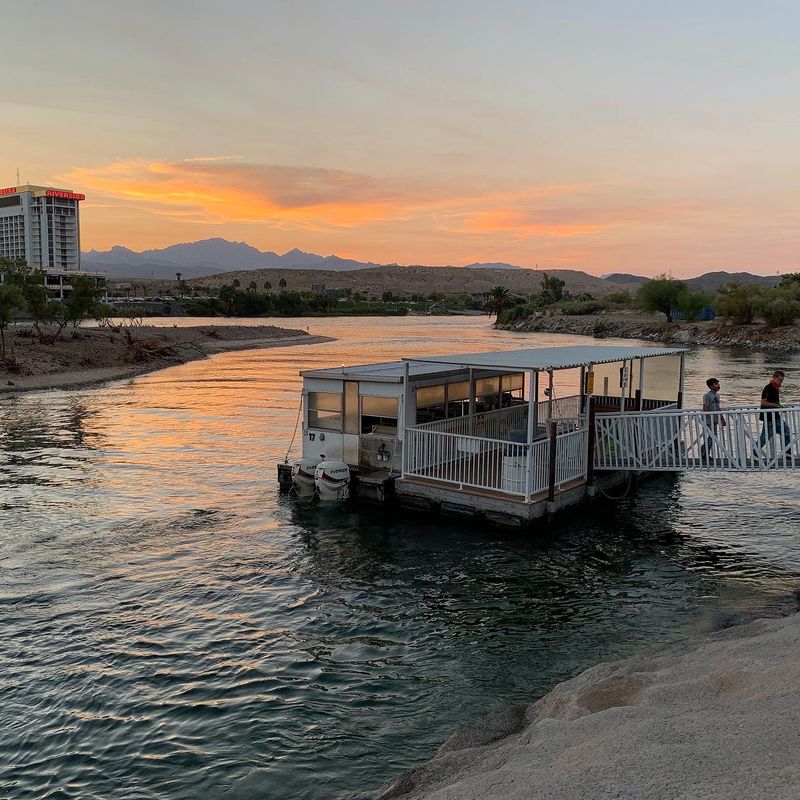
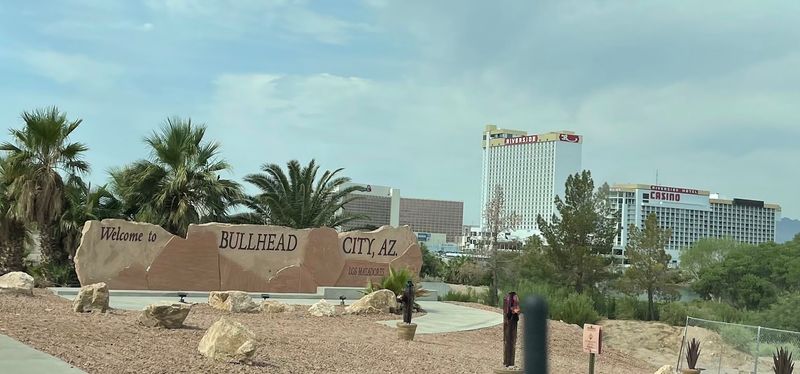
Set right on the banks of the Colorado River, Bullhead City spreads across Mohave County in the far western corner of Arizona. The city website, bullheadcity.com, keeps the official details, but the short version is simple: this is a river town, and the water shapes almost everything about it.
The location gives it a rare mix for the desert. Warm days, open water, and long stretches of shoreline sit side by side, which is why people started calling it a beach town even though it is nowhere near an ocean.
Distance plays a big role in its story too. The city sits about 97 miles south of Las Vegas, Nevada, close enough that weekend traffic from that direction has always fed into the area.
Directly across the river is Laughlin, Nevada, whose resorts supply much of the work for the people who live here. That cross-river relationship helped a small settlement grow into a real city.
Longtime residents remember when the whole place felt slower and smaller. The name stuck, the river stayed, and the crowds followed.
From Quiet Outpost to Regional Draw
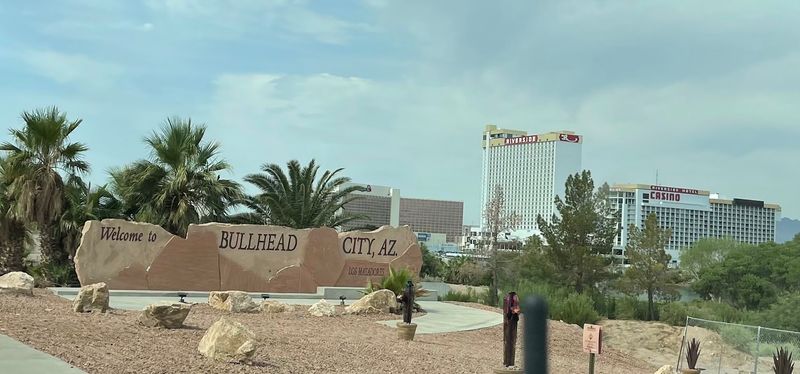
Growth here did not happen overnight, but it happened fast enough to surprise the people who watched it. Older residents recall a settlement that leaned on the river and little else, where you knew most of the faces around town.
Proximity to Laughlin changed the math. As resorts across the water expanded, they needed workers, and many of those workers settled on the Arizona side where housing spread out along the river corridor.
The result was steady building. Neighborhoods filled in, roads widened, and the small-town feel started giving way to something busier and more spread out.
Part of the appeal is location. Being within reach of Las Vegas means the region catches a share of that constant flow of people heading south for a break.
For longtime locals, the shift can feel jarring. Streets that once ended in open desert now connect to subdivisions, and the quiet stretches keep getting harder to find.
The river that first drew people is the same river that keeps pulling in more.
The Colorado River Is the Main Event
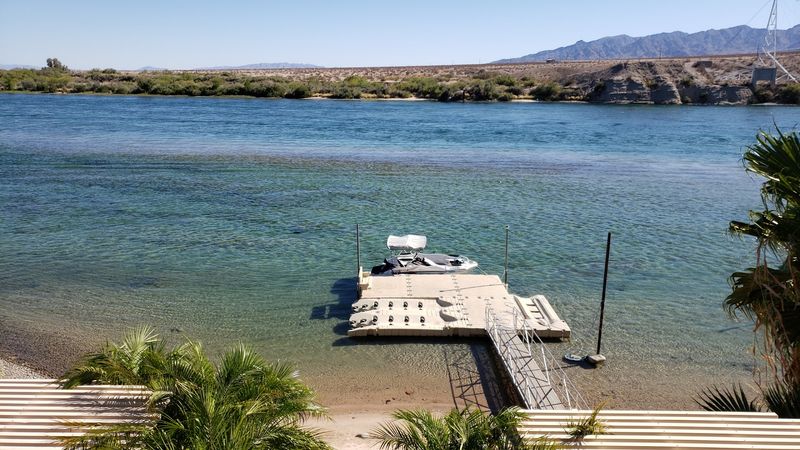
Everything here circles back to the water. The Colorado River runs right through the heart of the area, and it is the single biggest reason people show up.
Boaters treat this stretch like a highway. On warm weekends the river fills with watercraft of every size, and the shoreline turns into a parade of people looking to cool off.
The river also gives the town its beach-town nickname. Sandy edges and calm coves let families set up along the banks the way they might at a coastline, which is unusual for a desert city.
Fishing has deep roots here too. Long before the crowds arrived, anglers worked these waters, and that tradition still holds a place in local life.
What has changed is the volume. The same river that once felt like a private backyard now carries a steady stream of visitors, especially in the hot months when the water becomes the best relief around.
For a lot of longtime residents, the crowded shoreline is the clearest sign of how much things have grown.
Sun, Heat, and the Summer Rush
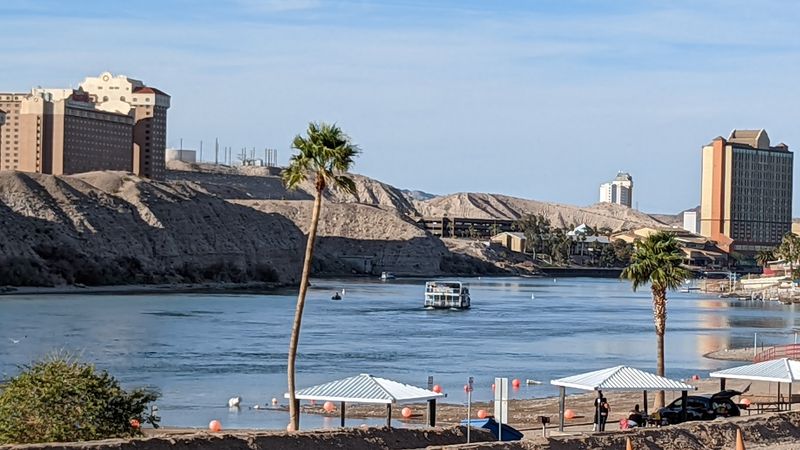
Heat defines the calendar here more than any holiday. Summers run long and intense, which is exactly why the river matters so much to daily life.
When temperatures climb, the water becomes the obvious escape. Families, boaters, and weekenders pour in looking for a way to beat the desert warmth, and the shoreline gets packed.
That seasonal rush is a huge part of the modern identity. What was once a slower stretch of riverbank now sees a real surge of activity when the hottest months arrive.
The warm climate also shapes who moves here. Plenty of people are drawn to the reliable sunshine and mild off-season, adding to the steady growth the region has seen.
Locals who remember quieter summers sometimes shake their heads at the traffic and the crowds. The trade-off is that the sun and the river turned this place into a genuine warm-weather destination, and there is no putting that back in the box.
Laughlin Across the Water
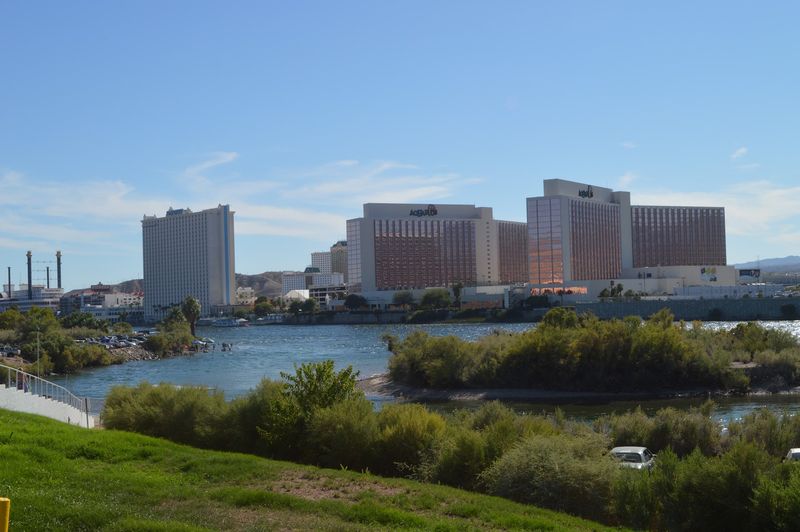
Few towns are so tied to a neighbor across a state line. Directly opposite Bullhead City, on the Nevada side of the river, sits Laughlin, and the two places have grown up together.
The resorts in Laughlin supply much of the employment for people living in Bullhead City. That economic link is one of the main reasons the Arizona side kept expanding year after year.
Getting across is part of daily rhythm for many residents. The river separates the two, but bridges and river crossings keep them closely connected.
For visitors, the setup is convenient. You can stay on the Arizona side near the water and still reach the entertainment and services just across the way without much effort.
This dual identity confuses some first-timers who expect a standalone town. Instead they find a river community that leans on its neighbor for jobs and nightlife.
Longtime locals have always understood that the two sides rise and grow together, even if the pace of it all has picked up dramatically.
Desert Mountains and Wide-Open Views
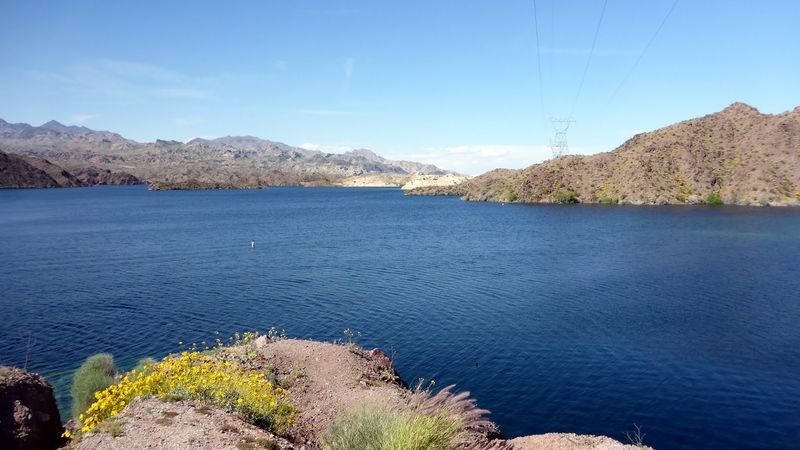
Beyond the water, the scenery does plenty of talking. Rugged desert mountains frame the river valley, giving the area a dramatic backdrop that feels distinctly Arizona.
The contrast is striking. Dry, rocky peaks rise up on either side while the blue river cuts through the middle, and that pairing of desert and water is a big part of the appeal.
Open space still surrounds much of the region despite the building boom. Drive a short way out and the subdivisions give way to raw desert terrain that stretches toward the horizon.
Those wide views are a quiet reminder of what the whole area used to feel like. Before the growth, empty desert was the default rather than the exception.
The landscape also draws people who want more than just river time. The surrounding country offers plenty of room to explore for anyone curious about the terrain beyond the shoreline.
It is the kind of setting that keeps the town feeling connected to the larger Arizona backcountry, even as the population climbs.
Where the Beach-Town Feel Comes From
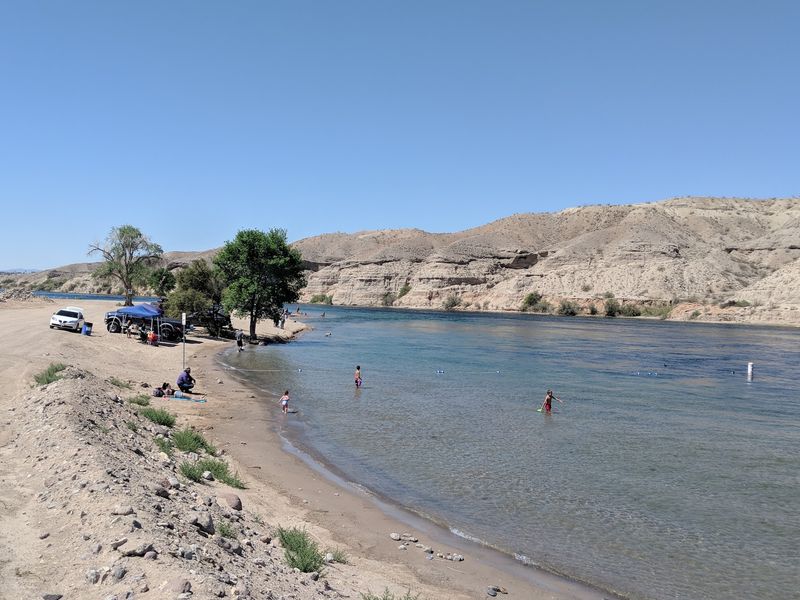
Calling a desert city a beach town sounds like a stretch until you see the shoreline. Sandy banks along the Colorado River give people the same setup they would expect near a coast.
Families spread out along the water with chairs and coolers, kids wade in the shallows, and the whole scene borrows the relaxed mood of a seaside outing. The river just happens to sit in the middle of the desert.
That atmosphere is a huge draw for people who cannot easily reach a real coastline. It offers a similar way to spend a warm day without leaving the state.
The beach-town label has also become part of how the region markets itself. It captures the mix of sun, sand, and water that makes the place stand out from other Arizona towns.
For residents who watched the crowds grow, that nickname carries a bit of irony. The same feature that makes it feel like a hidden coastal escape is exactly what turned a quiet river stop into a place that fills up fast every warm season.
Who Fits Right In Here
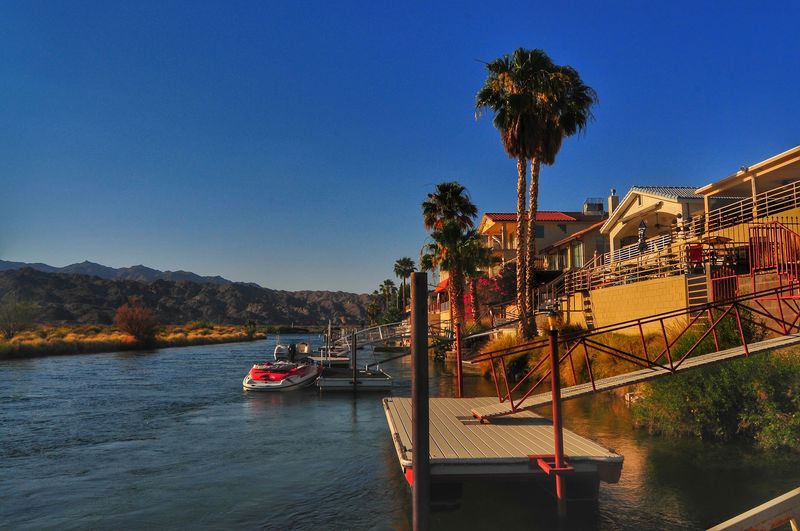
Not every town suits every traveler, so it helps to know the crowd. This one leans toward people who want water, warmth, and an easygoing pace over polished city attractions.
Boaters and river lovers are the obvious fit. If your idea of a good day involves being on the water or near it, the setup here delivers exactly that.
Families find plenty to like as well. The shoreline gives kids a safe way to splash around, and the beach-town feel makes it easy to spend a whole day by the river.
The nearby Laughlin resorts add another layer for those who want entertainment after the sun goes down. You get a low-key river day paired with options just across the water.
People chasing quiet solitude may need to time their visit carefully, since the warm months bring real crowds. Off-season travelers often find the calmer version of the town that longtime locals still remember.
It is a place that rewards folks who come for the river first and everything else second.
Getting There and Finding Your Way
Reaching this corner of Arizona is easier than its remote reputation suggests. The city sits roughly 97 miles south of Las Vegas, Nevada, which makes it a manageable drive for anyone coming from that direction.
Many visitors treat that Las Vegas connection as their gateway. The route south is a common way in, and it feeds a lot of the weekend traffic the area sees.
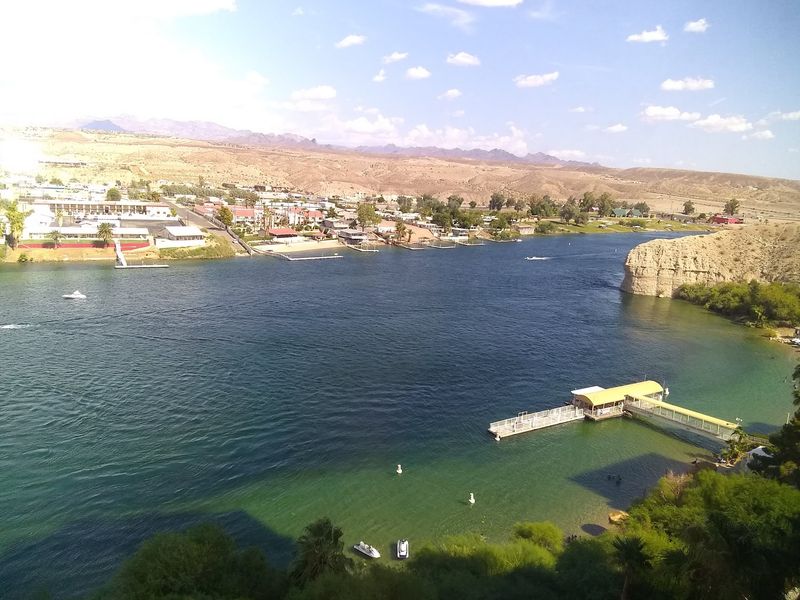
Once you arrive, the river is your main landmark. The city stretches along the Colorado, with Laughlin sitting directly across the water on the Nevada side.
Crossing between the two sides is part of the routine, thanks to bridges and river crossings that link Arizona and Nevada. That access makes it simple to enjoy both banks in a single trip.
For planning details, the official city site at bullheadcity.com is the place to check current information before you go. Coming prepared for desert heat is smart, especially in summer, since the warm season is when the town is busiest and the river is at its most popular.
The Trade-Offs of a Growing City
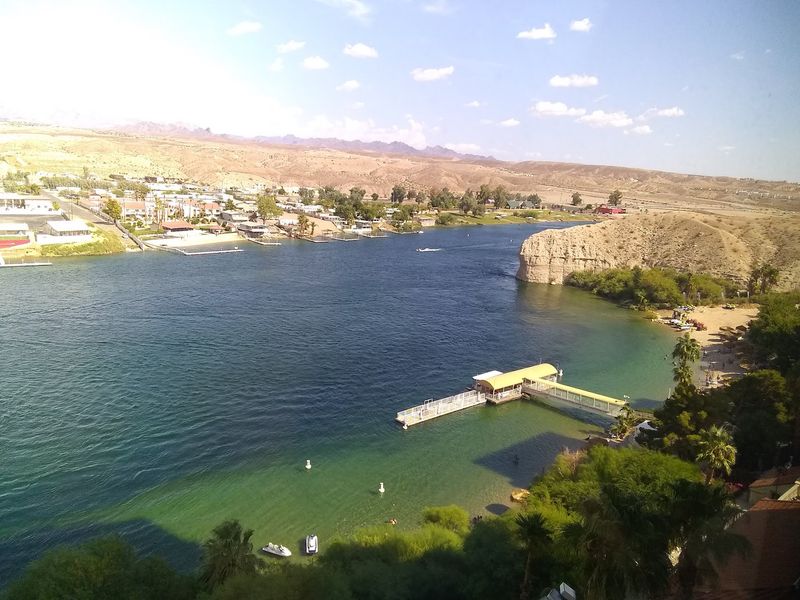
Growth always comes with a bill, and this river town has paid its share. Neighborhoods that once ended in open desert now run into new development, and the quiet stretches keep shrinking.
Traffic tells the story too. Roads that used to be sleepy now carry a steady flow, especially when warm-weather crowds arrive to claim their spot on the water.
For longtime residents, the change can feel bittersweet. The features that made the place special, the river and the sun, are the very things that drew everyone else in.
There is an upside to the expansion. More people means more services, more jobs tied to the nearby Laughlin resorts, and a stronger local economy than a small outpost could ever support.
Balancing that growth against the old small-town charm is the ongoing challenge. Some newcomers only know the busier version and love it exactly as it is.
Others hold onto memories of a slower river town that is getting harder to picture with each passing season.
Why the River Still Wins
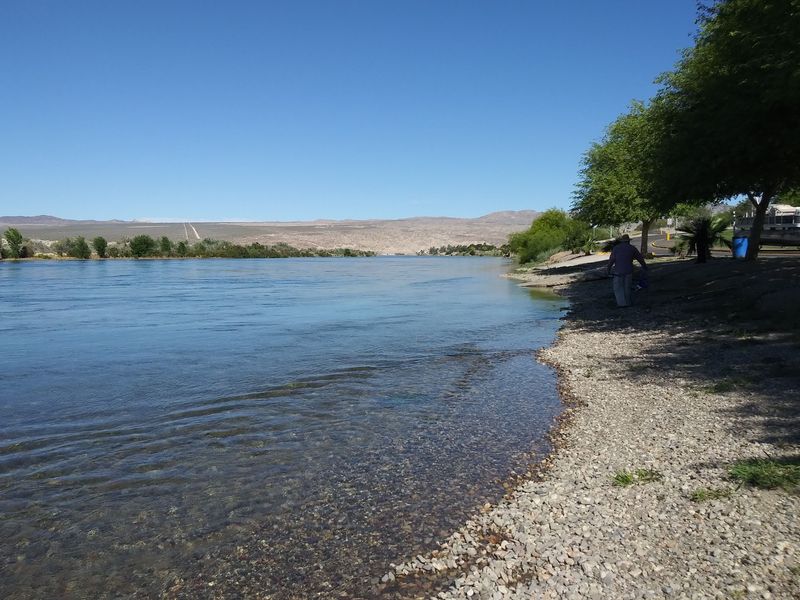
After all the growth and change, the heart of this place has not moved an inch. The Colorado River is still the reason people come, and it still carries the same pull it always has.
Longtime locals may barely recognize the busy streets and new neighborhoods, but the water remains the constant. Boaters, families, and warm-weather travelers keep returning for the same simple draw.
The town wears its beach-town nickname with pride, even sitting square in the desert. That blend of sand, sun, and river is what set it apart in the first place.
Its ties to Laughlin and its easy reach from Las Vegas mean the crowds are unlikely to thin out anytime soon. Popularity, for better or worse, is now part of the identity.
Anyone curious about this corner of Arizona can find the official details at bullheadcity.com and plan a trip around the season that suits them. The town has changed, sure, but the river that started it all keeps giving people a reason to show up.
That may be the most Arizona thing about it.