
Affiliate disclosure: As an Amazon Associate I earn from qualifying purchases. Learn more
Just west of Tucson sits a place that packs a botanical garden, a zoo, an aquarium, and miles of desert trail into one sun-washed loop. Longtime Arizona residents sometimes forget it is right here in their own backyard, mistaking it for a dusty roadside stop instead of one of the state’s most celebrated natural attractions.
Hawks and owls glide low over the crowd during a free-flight show that draws hundreds, and hummingbirds buzz through a dedicated enclosure just steps away. There is a underground playhouse, a touchable stingray pool, and volunteers who love telling stories about saguaros.
Stick around and you will learn exactly where it is, what it costs, and why people keep coming back for decades.
A Desert Institution Hiding West of Tucson
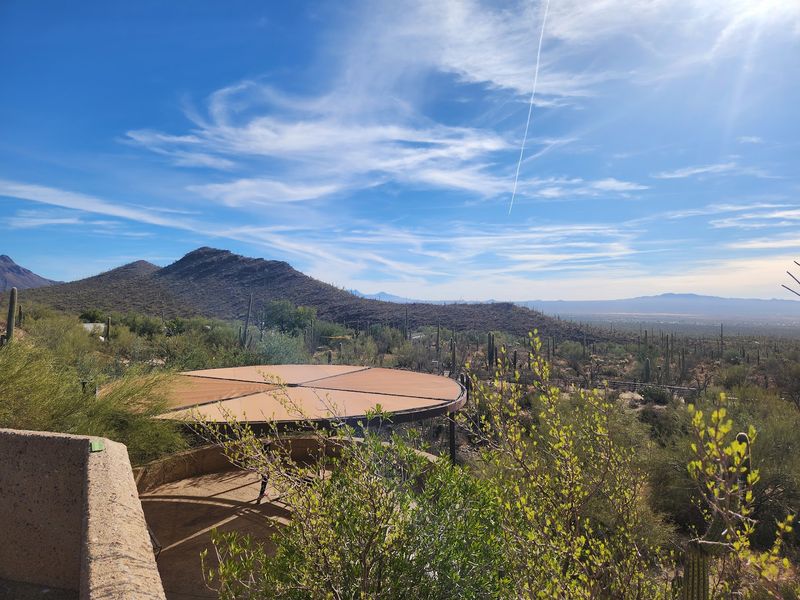
Tucked into the Tucson Mountains at 2021 N Kinney Rd, Tucson, AZ 85743, the Arizona-Sonora Desert Museum is far more than its name suggests. Locals who assume a museum means quiet halls and glass cases are usually surprised by what they find.
The place folds together a natural history museum, a zoo, a botanical garden, an aquarium, an aviary, and a walking trail into one sprawling outdoor site. That combination is why people describe it as a single stop that captures the whole Sonoran Desert experience.
It sits close to Saguaro National Park, and plenty of folks pair the two on the same day. Some arrive skeptical, thinking it might feel redundant next to the national park, then walk away calling it a highlight of their trip.
Carrying a 4.8-star average from more than 12,000 reviews, it has earned a loyal following that spans generations. Longtime residents mention coming back for decades and watching it improve year after year.
For an Arizona local, it is the kind of world-class spot that hides in plain sight, close enough for a spontaneous afternoon and rich enough to fill an entire day.
The Raptor Free Flight Show Everyone Talks About
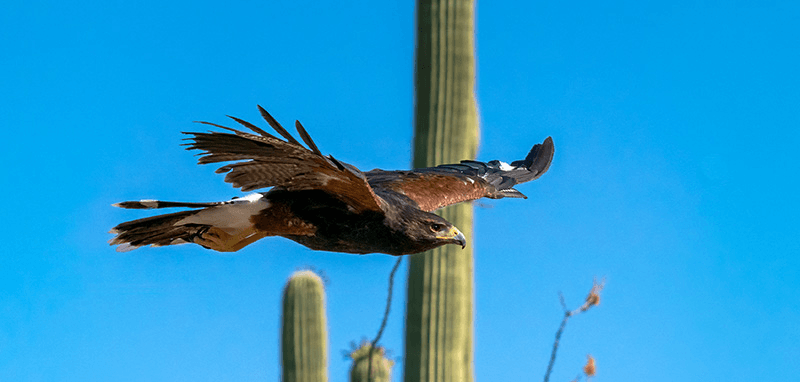
Few features here spark as much conversation as the Raptor Free Flight, a live demonstration where birds of prey soar low across an open desert stage. Hawks, owls, and even crows take to the air, sometimes sweeping just above the heads of the seated crowd.
The experience shows up in hundreds of accounts, and it draws big gatherings well before it starts. Handlers narrate as the birds move, weaving in facts about how these raptors hunt and survive in the wild.
Because it happens outdoors, timing matters. The show can run at a slow, patient pace, and on hot days the open seating gets warm, so arriving early and staking out a spot near a shaded edge or water station helps a great deal.
Not every moment is nonstop action. There can be plenty of talking between flights, and the number of birds released varies.
Still, getting to watch a hawk cut through the air at close range is the sort of thing that turns a casual outing into a story worth retelling.
For patient watchers, especially those who love birds, it remains one of the museum’s signature draws.
Hummingbirds, Aviaries, and Wings Up Close
Winged residents get real star treatment across the grounds, and the dedicated hummingbird enclosure earns steady praise. Step inside and the tiny birds dart and hover within arm’s reach, a favorite stop mentioned by hundreds of guests.
Beyond the hummingbirds, a separate walk-through aviary houses a range of desert bird species. Wandering slowly through it rewards the patient, since many birds tuck themselves into the foliage until you slow down enough to spot them.
Volunteers and docents are often stationed nearby, ready to point out which species you are looking at and share a quick fact or two. Their presence turns a simple bird enclosure into a mini lesson on desert wildlife.
The trick with all these enclosures is quiet. Guests who ease away from noisy crowds and listen tend to see far more, catching movement they would otherwise miss.
Between the hummingbird house, the aviary, and the raptor show, birdwatchers get an unusually complete lineup in one place. It is a big part of why the museum feels like a full immersion in Sonoran Desert life rather than a single-theme attraction.
Stingray Touch and the Underground Packrat Playhouse
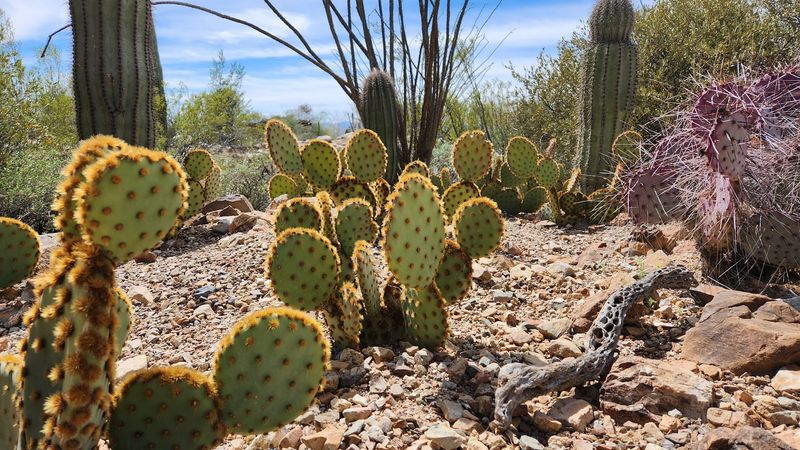
Kids tend to gravitate toward two spots faster than anywhere else, and the Stingray Touch pool tops the list. The shallow tank lets you reach in and touch the rays as they glide past, and many families call it the highlight of their day.
Worth knowing up front: this one costs extra. Touching runs about four dollars per person for non-members and two dollars for members, with feeding adding another small fee on top.
Even with the surcharge, plenty of guests say the encounter is well worth it.
Then there is the Packrat Playhouse, an underground, air-conditioned space built for younger explorers. It stays dark and cool, giving little ones room to climb and play while the family escapes the desert heat.
Parents note it can be hard to pull kids back out once they are in there. A vending machine tucked inside offers ice-cold drinks, a small mercy on a warm afternoon.
Together, these two stops make the museum genuinely family-friendly. They give children hands-on fun and a shady break, which keeps the whole group happy through a long day of walking.
Cactus Gardens and a Living Botanical Collection
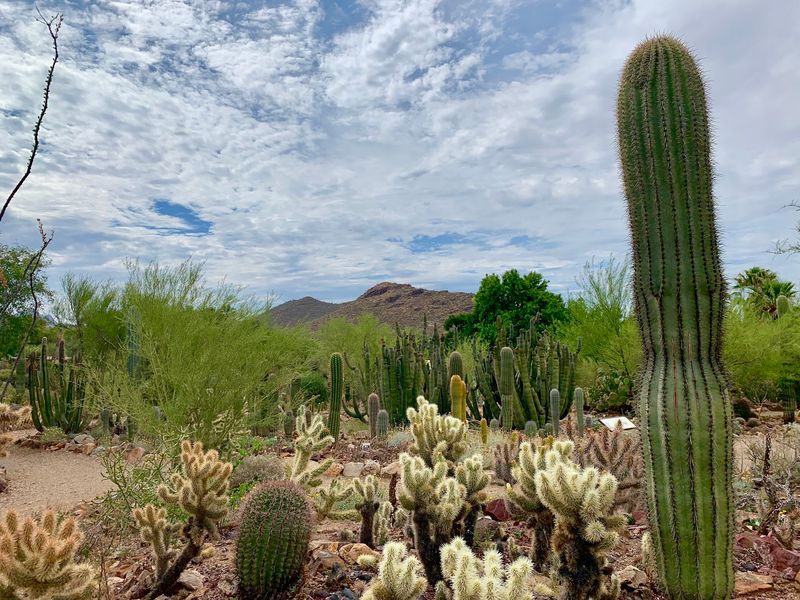
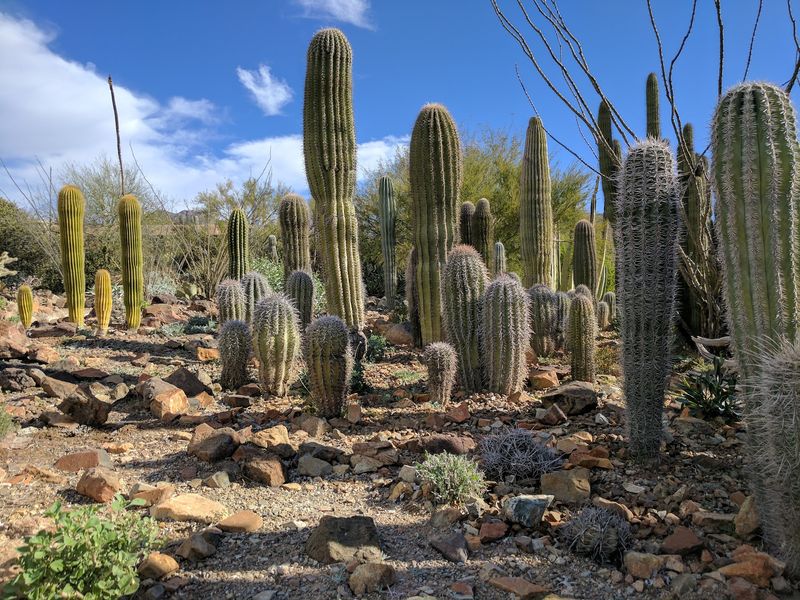
Green thumbs and cactus lovers find plenty to admire once the plants take center stage. The Cactus Garden and surrounding botanical areas showcase saguaros, wildflowers in bloom, and a wide spread of native desert flora.
Docents scattered along the paths love talking saguaros in particular, and their stories change how you see the towering cactus. Guests often walk away amazed at how intriguing a single saguaro can be once someone explains its slow, remarkable life.
When wildflowers pop, usually in the cooler blooming months, the grounds fill with color that surprises people who expect the desert to look bare. Sculptures placed throughout the landscape complement the natural scenery without stealing the spotlight.
The whole layout is thoughtfully designed, balancing sunny stretches with pockets of natural and built shade. That planning makes a leisurely plant walk comfortable even as the day warms up.
For an Arizona resident, this section can reframe the familiar backyard desert as something worth studying up close. It is proof that the plants outside your own window carry more drama than they let on.
Live Animals, Caves, and Air-Conditioned Galleries
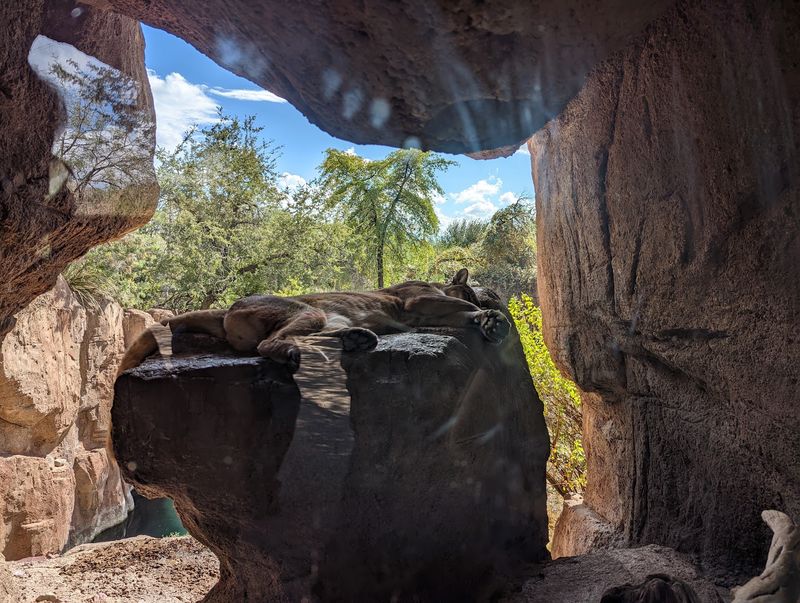
Mammal fans and reptile enthusiasts get their fill through a series of exhibits that feel closer to a well-run zoo than a static museum. Javelinas, coyotes, a mountain lion, otters in the riparian section, and even wolves live in enclosures designed around natural desert views.
The reptile presentation is a regular crowd-pleaser, with chances to see rattlesnakes and a Gila monster up close while a handler explains their habits. Lizards, snakes, and toads round out that indoor gallery.
Speaking of indoors, several exhibits are air-conditioned, holding rocks, ores, geodes, and displays on the region’s history. These cool rooms double as welcome breaks when the sun climbs.
One standout is the cave section, an underground loop that lets you explore mineral formations along a winding path. The level of detail packed into it catches many people off guard.
What ties it all together is the flow. Animal habitats, nature walks, and indoor galleries are laid out so one leads naturally into the next, letting curious guests spot an otter, a Cooper’s hawk, or a resting Gila monster along the way.
Trails, Shade, and Beating the Desert Heat
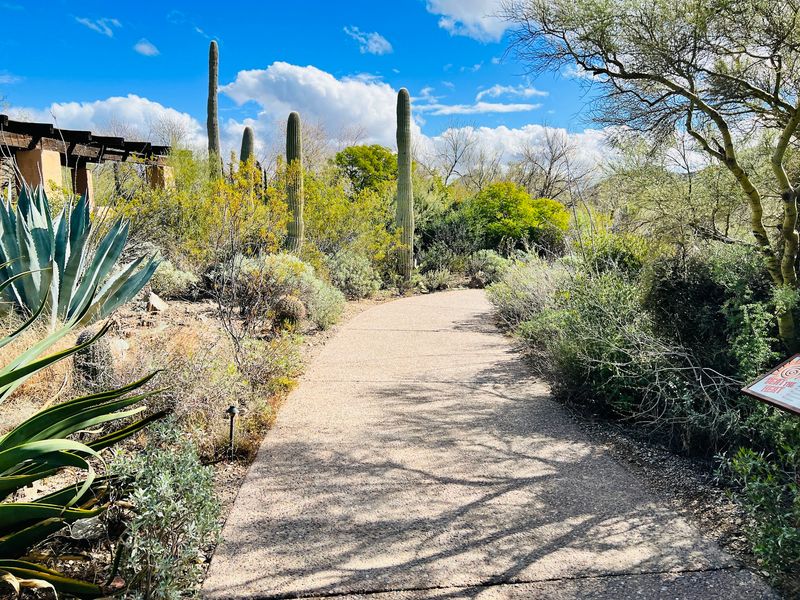
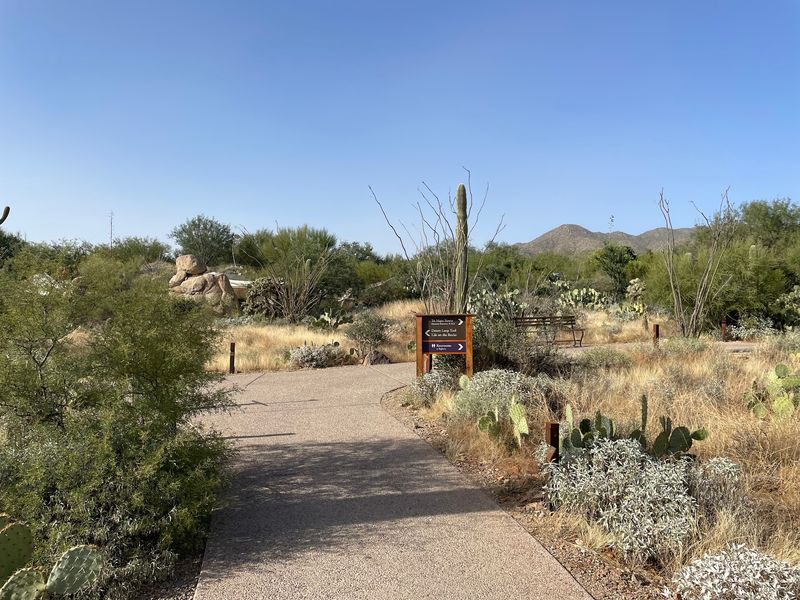
Walking is the main event here, and the full loop covers roughly 1.5 miles with very little elevation change. A shorter Desert Loop Trail lets you venture out into open desert terrain to see the landscape as early desert dwellers once knew it.
Because most of the site is outdoors, heat management is the name of the game. The design pairs nearly every sunny hot spot with a nearby shaded shelter or an air-conditioned exhibit, so cooling off is always close at hand.
Water is everywhere. Ice-cold refill stations line the trails, and bringing your own bottle is strongly encouraged so you can top off as you go.
The pathways are mostly flat and paved, and much of the route is wheelchair accessible, though a few underground or narrow spots may be tricky. Older guests, small children, and wheelchair users generally manage the trek well.
Smart planning helps most in summer. Doing the outdoor stretches first thing in the morning and saving indoor exhibits for the hottest hours keeps the day comfortable.
Sunscreen, a hat, sunglasses, and closed-toe shoes round out the desert survival kit.
Hours, Prices, and Planning Your Visit
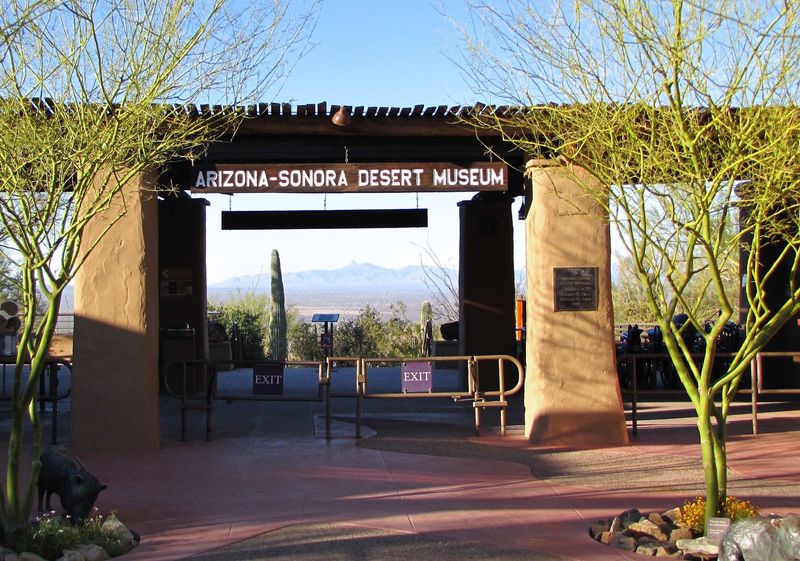
Timing your trip is easy once you know the schedule. The museum opens daily at 7:30 AM, closing at 4 PM most days, with Saturdays stretching all the way to 10 PM for special evening hours.
Those extended summer nights get high marks, with guests enjoying after-hours animal viewing, dinner, and even astronomy near the grounds. Cooler evening temperatures make a warm-season visit far more pleasant.
Arizona residents should bring a photo ID and mention it at the gate, since locals qualify for a discount. Buying tickets online ahead of time also helps you skip the line at busy periods.
Keep in mind the Stingray Touch carries a separate small fee beyond general admission. Everything else, including the aquarium, aviaries, gardens, and galleries, is bundled into the main ticket, which many consider a solid value.
Facilities cover the essentials. There is ample parking across large lots, restrooms, a coffee cafe, a deli-style eatery, a sit-down restaurant, a gift shop stocked with geodes, and a local art gallery.
Plan on at least three to four and a half hours to see it properly. The address for the drive is 2021 N Kinney Rd, and you can reach the museum at +1 520-883-2702.