Affiliate disclosure: As an Amazon Associate I earn from qualifying purchases. Learn more
Arizona summers can feel like an oven, so waking up a few steps from cool water is one of the best tricks we locals have. Across the state, from red-rock creeks to high-country lakes, there are campgrounds where your tent sits close enough to the water that you could roll out of the sleeping bag and go for a morning swim.
Some are quiet reservoir spots you drive right up to, and others take a boat or a little effort to reach. Here are nine Arizona campgrounds where the shoreline is basically your front yard, plus a few honest notes on what to expect at each.
1. Cholla Campground, Roosevelt Lake
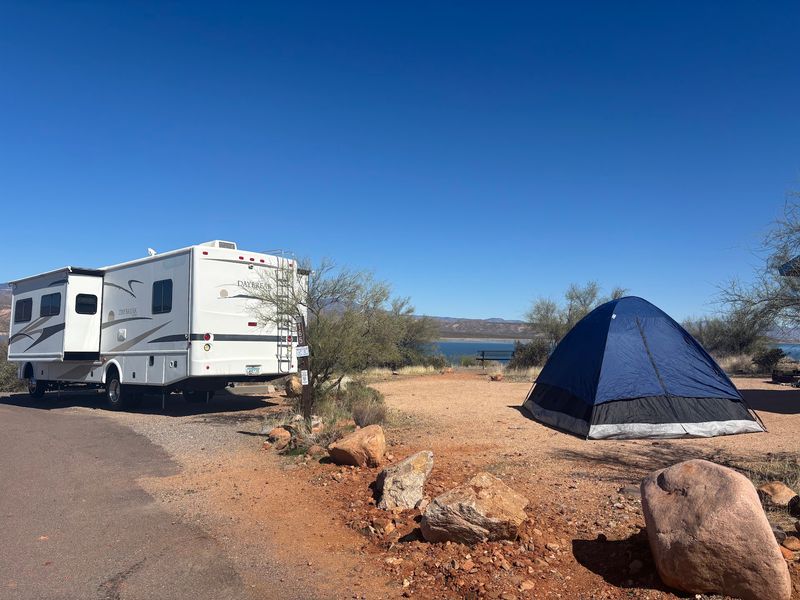
Roosevelt Lake is the largest lake fully inside Arizona, and Cholla Campground sits right along its shoreline in the Tonto National Forest northeast of Phoenix.
The campground is one of the bigger developed sites in the state, with paved loops, drinking water, and restrooms, yet many of the tent spots put you within easy walking distance of the water. Boaters, anglers, and kayakers all launch from nearby, so the lake stays busy in summer.
A useful detail for stargazers: Cholla has been recognized for its dark skies, which makes it a strong pick if you want to camp near water and still catch the Milky Way overhead. Bring shade, since the desert setting offers little natural cover during the day.
A recreation fee applies, and a Tonto Pass or campground fee may be required, so check current rates before you go.
2. Patagonia Lake State Park, Patagonia
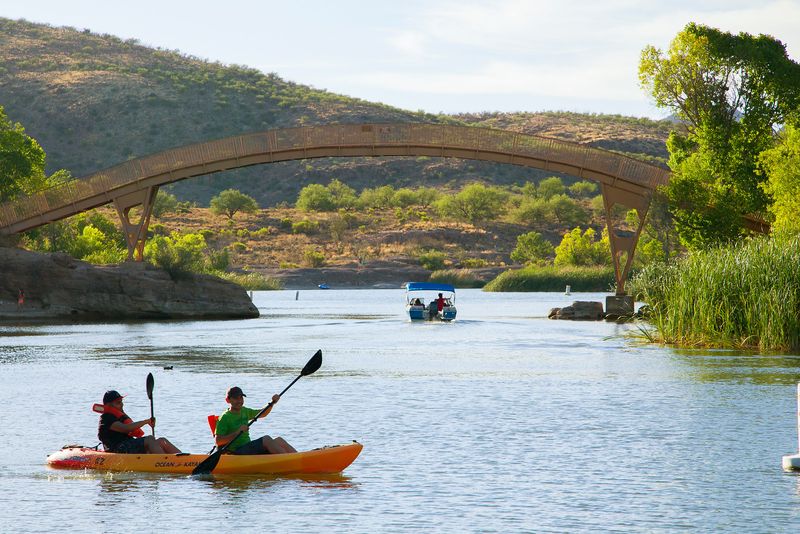
Down in southern Arizona near the town of Patagonia, this state park is built around a 265-acre lake created by a dam on Sonoita Creek.
What makes it special for tent campers is the mix of drive-in sites and boat-in sites. If you want to be truly at the water’s edge, the boat-access camping lets you paddle or motor to a spot where your tent is only steps from the shoreline.
The park is also a favorite for birders, since the surrounding riparian area draws a wide variety of species you will not always see elsewhere in the state. A sandy swim beach, a marked no-wake area, and boat rentals round out the day options.
Reservations are strongly recommended because this park fills fast, especially on weekends. A per-vehicle entrance fee applies in addition to camping fees, so plan ahead and book early.
3. Lake Havasu State Park, Lake Havasu City
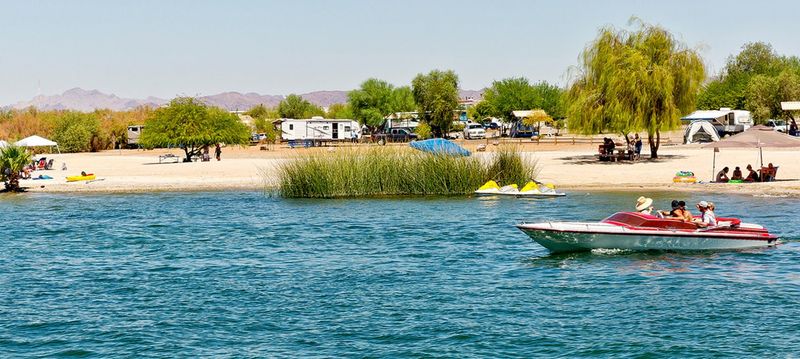
Best known back east as the home of the relocated London Bridge, Lake Havasu also happens to have a state park with one of the longest stretches of natural beach shoreline in the Arizona park system.
Campers here can set up close to the water and walk straight onto sandy shoreline, which is a rare treat in a desert state. The park sits along the Colorado River section that widens into Lake Havasu, so swimming, paddleboarding, and boating are all right there.
Because the area gets seriously hot in summer, a lot of people plan their trips around early mornings and evenings on the water. Sites include a mix of amenities, and some offer shade ramadas that make midday more bearable.
Entrance and camping fees apply, and reservations are a smart move during peak season when Lake Havasu City draws big crowds.
4. Cave Springs Campground, Oak Creek Canyon
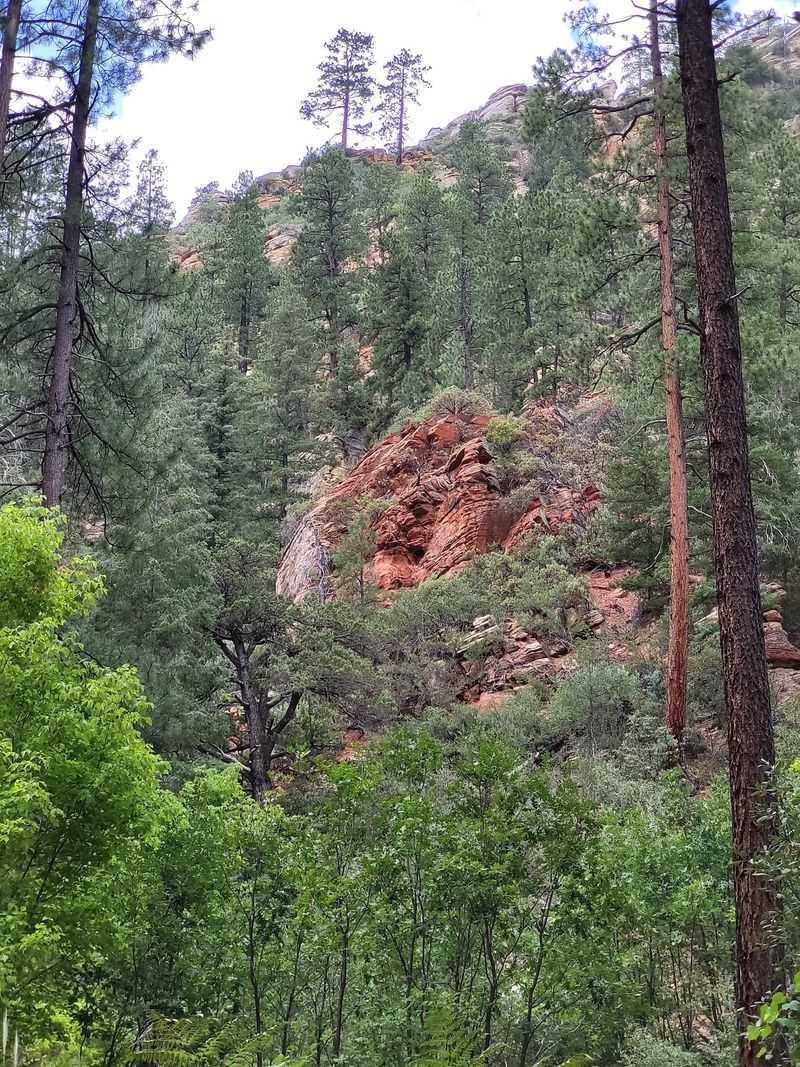
Tucked into the shady bottom of Oak Creek Canyon between Sedona and Flagstaff, Cave Springs is one of the most sought-after campgrounds in northern Arizona, and it is easy to see why.
Oak Creek runs right through the canyon, and many sites sit close to the water under tall pines and oaks that keep things cool even in July. The elevation and tree cover make this a genuine escape from desert heat.
Cave Springs is a developed Forest Service campground with restrooms and drinking water, but it does not offer hookups, so it fits tent campers well. Its location also puts you near Slide Rock State Park, the natural rock waterslide a short drive away.
Demand is high, so reservations through the national recreation system are essentially required in summer. Book the moment your date window opens, because spots vanish quickly.
5. Lees Ferry Campground, Marble Canyon
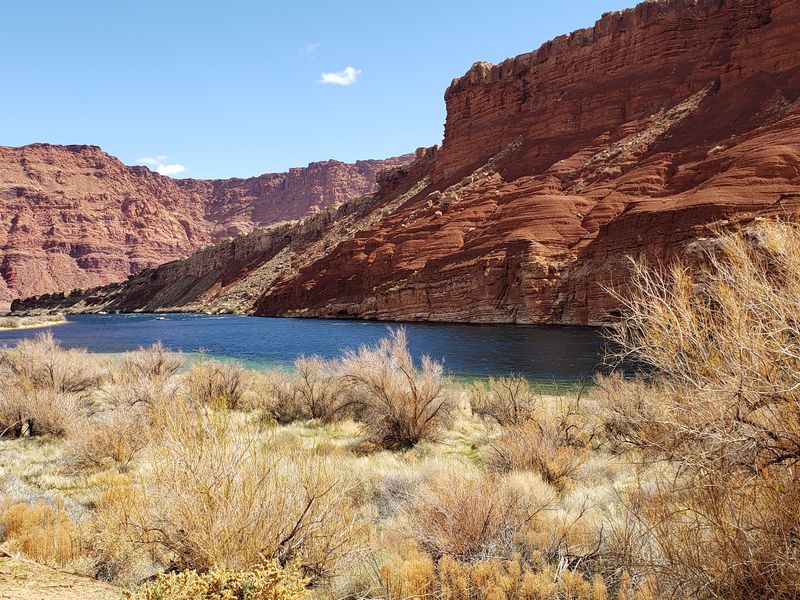
History buffs get an extra reason to visit here, since Lees Ferry was once a crossing point on the Colorado River and remains the launch spot for Grand Canyon rafting trips.
The campground sits within Glen Canyon National Recreation Area near Marble Canyon, with sites overlooking the clear, cold water flowing out from Glen Canyon Dam. Anglers come specifically for the trout fishing in this stretch, which is famous throughout the Southwest.
Tent campers appreciate the open sites with restrooms and drinking water, along with towering canyon walls that turn shades of orange and red at sunset. The scenery alone makes it feel worlds away from the Phoenix valley.
An entrance fee for Glen Canyon applies, and the campground generally operates on a first come, first served basis. Arrive early during busy stretches to claim a spot near the river.
6. Fool Hollow Lake Recreation Area, Show Low
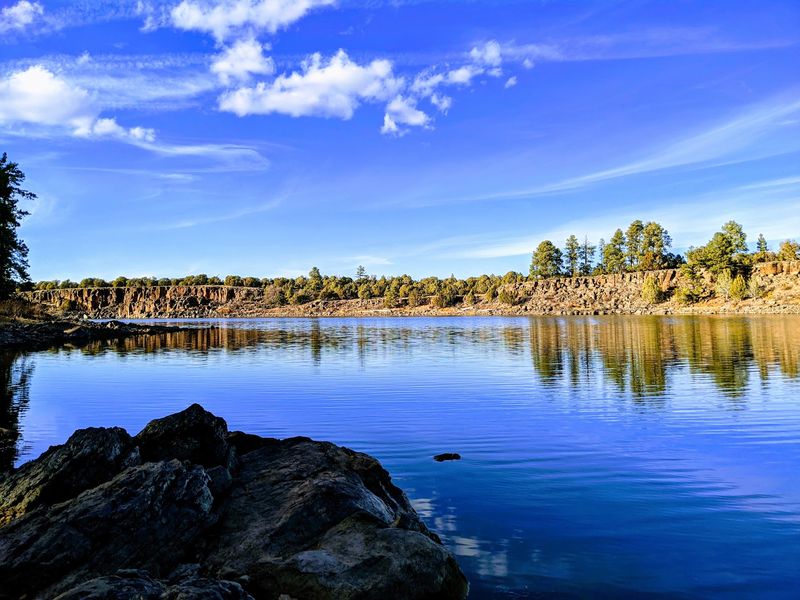
Up in the cool White Mountains near Show Low, Fool Hollow sits at around 6,300 feet, which means summer temperatures stay comfortable while the desert bakes below.
The recreation area surrounds a 149-acre lake, and its shoreline campsites let tent campers settle in close to the water with pine trees for shade. Fishing is a major draw, with the lake stocked for anglers who cast for trout and other species.
Because it is run as an Arizona State Park in partnership with the city and the Forest Service, the facilities are well maintained, including restrooms, showers, and a boat ramp. No-wake rules keep the water calm and quiet.
Reservations are available and recommended for summer weekends. Standard state park entrance and camping fees apply, so factor those into your trip budget.
7. Windy Hill Campground, Roosevelt Lake
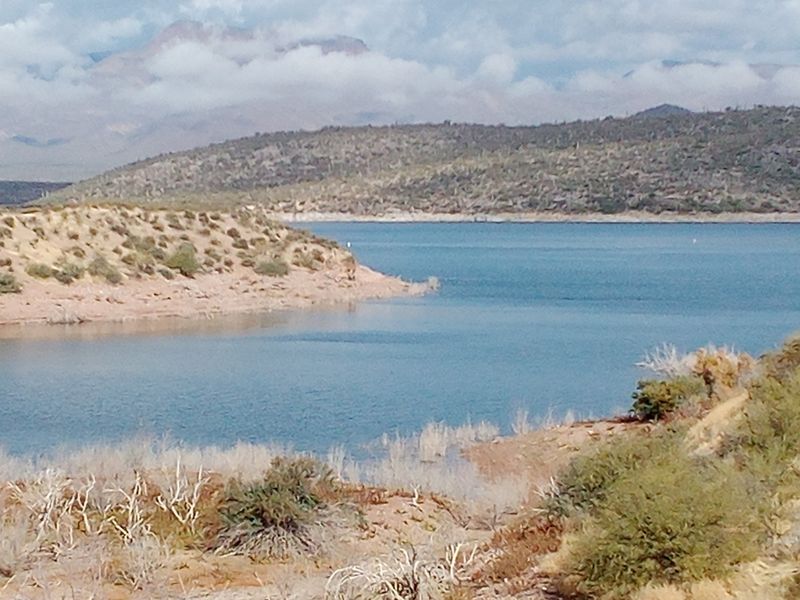
Sharing the same big reservoir as Cholla but sitting on a different stretch of shoreline, Windy Hill is one of the largest campgrounds in the Tonto National Forest.
Numerous loops spread along the lake give tent campers plenty of choices, and many sites offer direct views of the water. Ramadas provide shade, which matters a lot in the desert lowlands where summer sun is intense.
Boating and fishing dominate the activity list here, with launch access making it easy to get on the water for the day. The wide-open setting also delivers excellent night skies once the sun drops.
Drinking water and restrooms are available, and a fee applies for camping. If Cholla is full, Windy Hill is the natural backup on the same lake, so it is worth keeping both in mind when you plan a Roosevelt trip.
8. Lake Powell, Lone Rock Beach, Big Water
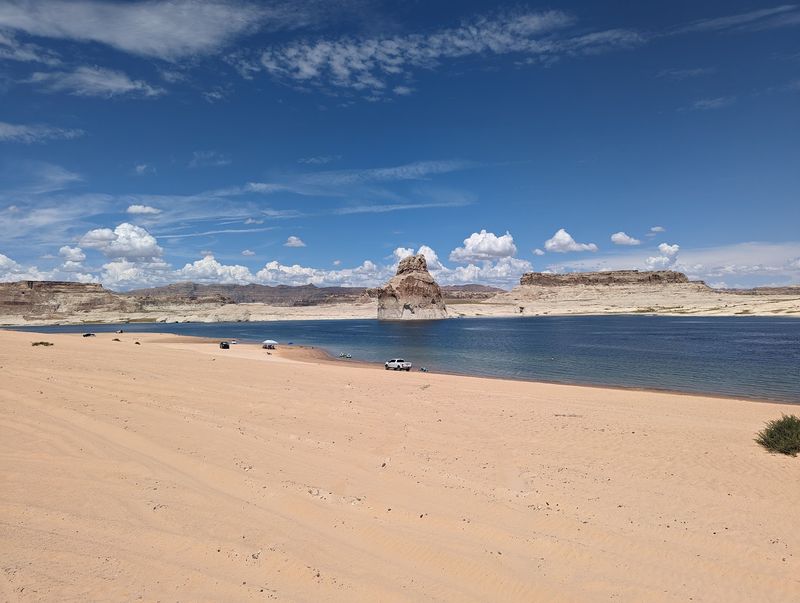
For a shoreline camping experience that feels almost like the coast, Lone Rock Beach at Lake Powell lets you drive right onto the sand and pitch a tent near the water.
The beach sits within Glen Canyon National Recreation Area near the Arizona and Utah line, with the towering Lone Rock formation rising out of the lake as the centerpiece view. Swimming, paddling, and floating are all part of the appeal on hot days.
Camping here is primitive and dispersed, meaning there are vault restrooms but few other amenities, so come prepared with your own water and shade. The tradeoff is a genuinely relaxed spot where your tent can sit steps from the shoreline.
A recreation fee for Glen Canyon applies. Keep an eye on changing lake levels, since the shoreline shifts from year to year and affects where you can set up.
9. Riverside Campground, East Verde River, Payson
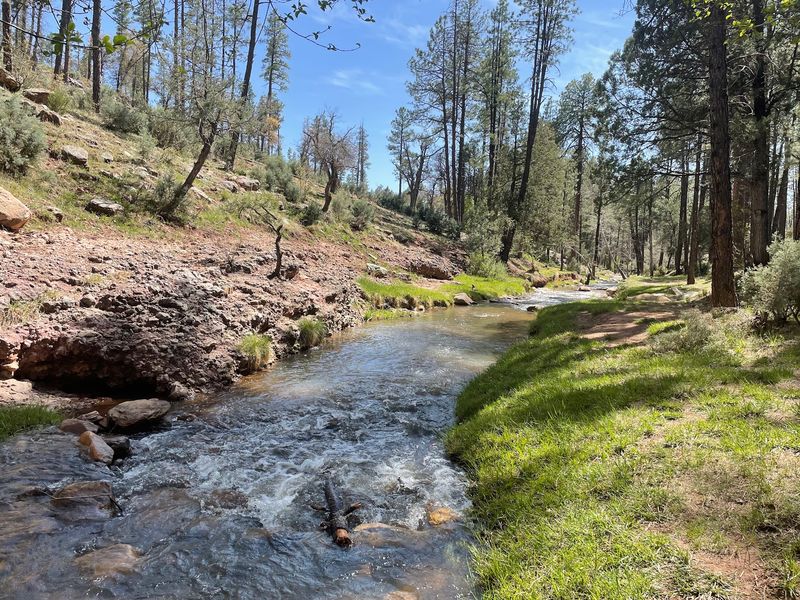
Anyone craving the sound of moving water instead of a still lake will want to look toward the small Forest Service campgrounds along the creeks near Payson in the Tonto National Forest.
Sites in this area sit alongside flowing water beneath ponderosa pines, giving tent campers a shady, cooler alternative to the desert floor. The elevation around the Mogollon Rim makes summer stays much more pleasant than down in the valley.
Facilities at these creekside campgrounds tend to be simple, often with vault restrooms and limited or no drinking water, so plan to bring your own supplies. Fishing and wading are popular ways to spend the afternoon right at your campsite.
Because conditions and openings can change with weather and fire restrictions, check current status with the Tonto National Forest before heading out. When open, these creek spots are a peaceful way to camp by running water close to home.