
Affiliate disclosure: As an Amazon Associate I earn from qualifying purchases. Learn more
Tucked into the desert north of Scottsdale sits a place most Arizonans drive right past without knowing what waits down the dusty road. Behind the quiet fences, mountain lions stretch in the sun, wolves call across the acreage, and a black bear licks peanut butter off its paws like it hasn’t got a worry in the world.
Every animal here arrived with a story, and most of those stories start with a rough beginning and end with a soft landing. What makes this spot so special is that it never opened its gates to crowds, so the animals stay calm and the tours stay small.
Reservations are required, the road is bumpy, and the reward is seeing native wildlife up close in a way no ordinary attraction offers. Here is why longtime residents keep coming back to this hidden corner of the state.
A Desert Address Off The Beaten Path
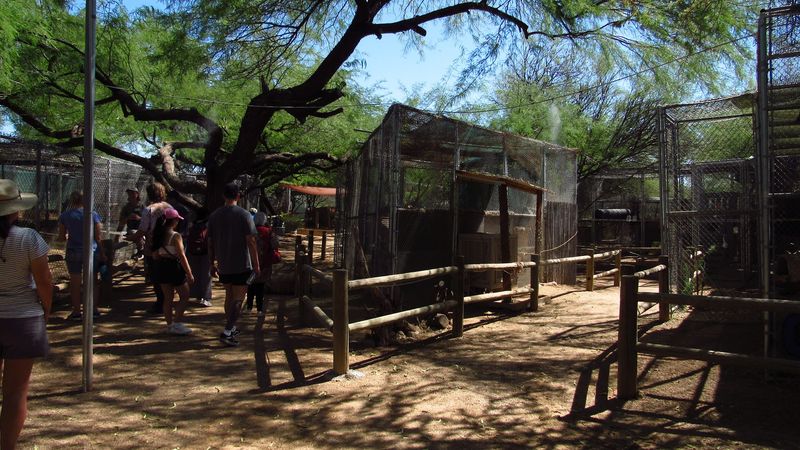
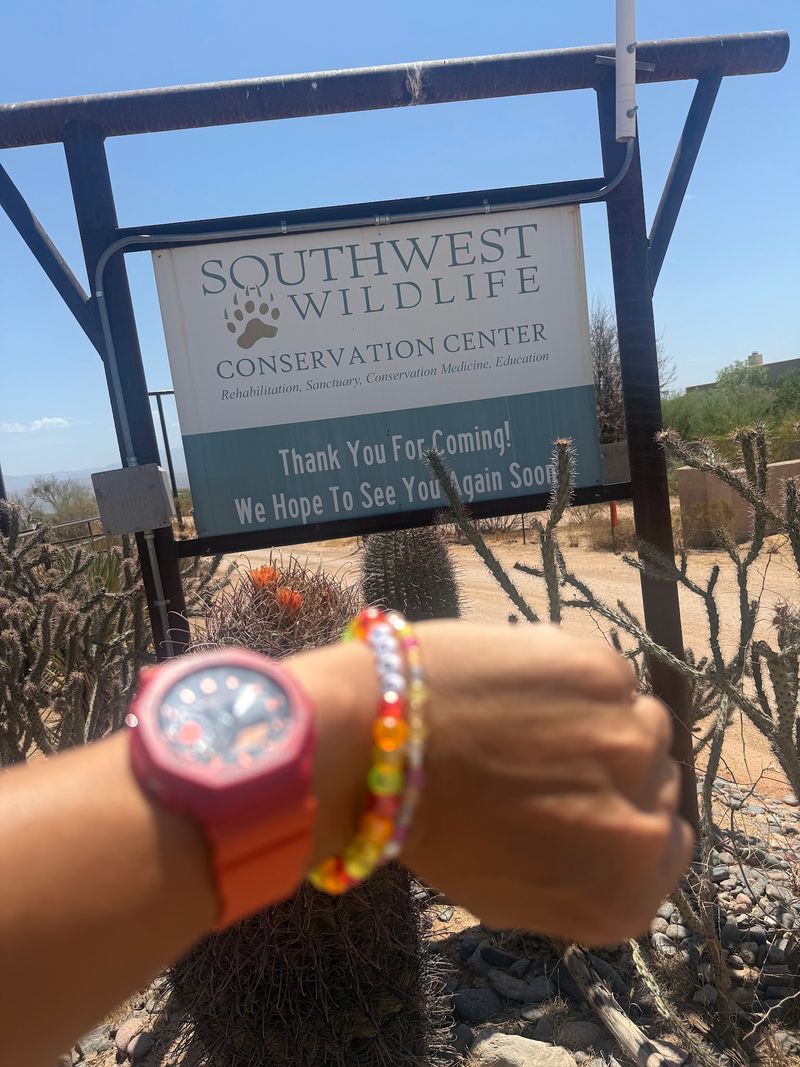
Down a dirt and rocky road in the far reaches of north Scottsdale, the Southwest Wildlife Conservation Center makes its home at 27026 N 156th St, Scottsdale, AZ 85262. The setting is remote on purpose, giving the animals distance from the noise and bustle of the city.
Regulars often warn that the place is genuinely hard to find, tucked well off the main routes. The final stretch is unpaved, so planning your transportation matters if you are driving something low to the ground.
The remoteness is part of the appeal. Away from strip malls and traffic lights, the center feels like a genuine slice of the Sonoran Desert, the kind of backyard secret Arizona locals love to claim as their own.
Getting here takes a little effort, and that effort keeps the crowds thin. By the time you reach the parking area, you have already left the ordinary behind, which sets the tone for everything that follows on the property.
Not A Zoo, But A Rescue With A Mission
Calling this place a zoo would miss the whole point. The center operates as a wildlife rescue and rehabilitation service, and that difference shapes everything about a visit.
The mission runs on three words that come up again and again: rescue, rehabilitate, and release. Animals that can safely return to the wild are cared for out of public view so they stay wary of people, which gives them the best shot at freedom.
Guests never see the ones destined for release, and that is by design. What you do see are the permanent residents, animals that cannot go back out due to safety regulations or old injuries.
Those forever residents get a true home here rather than a cage on display. The whole approach leans toward education and conservation rather than commercialization, and that quiet integrity is exactly what keeps people talking about the place long after they leave.
The Big Cats That Steal The Spotlight
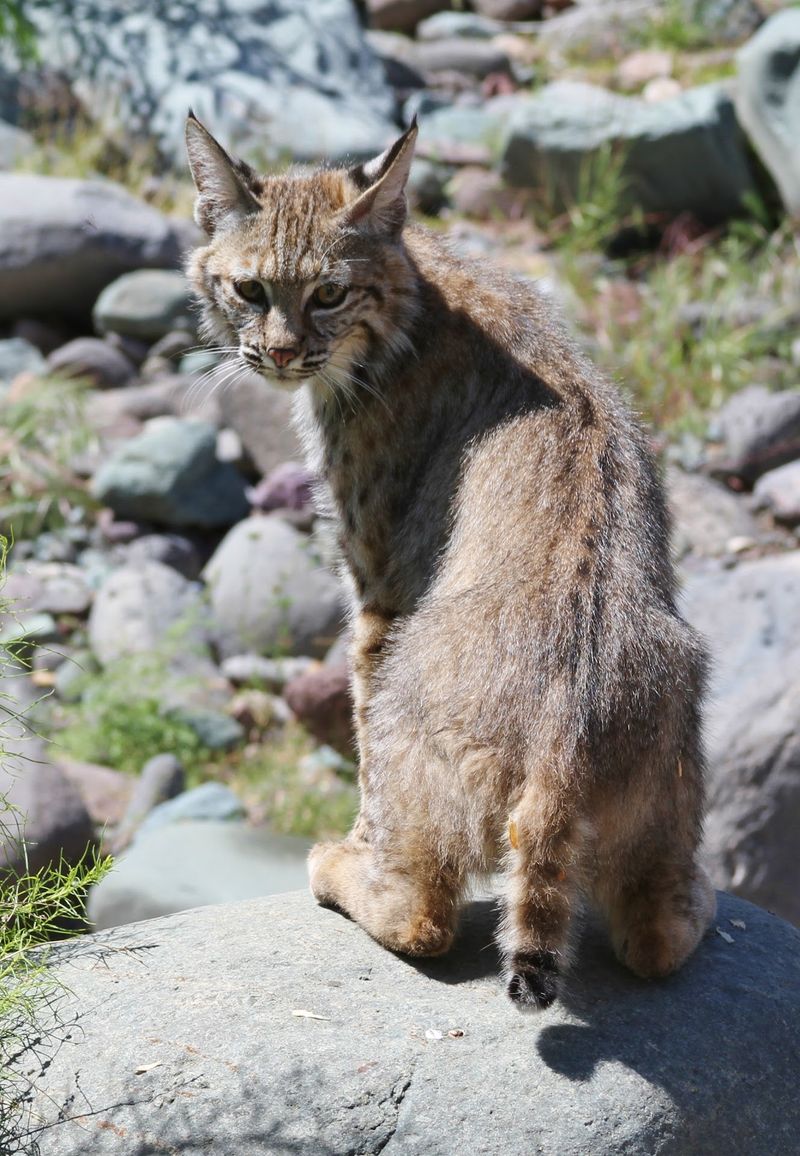
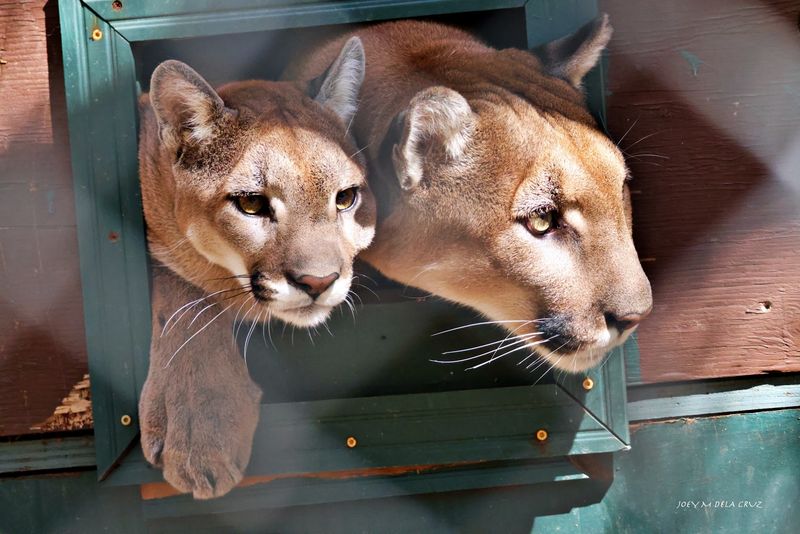
Mountain lions and bobcats hold court among the residents, and they are often the animals people remember most. Seeing these cats up close, calm and healthy, is the kind of experience Arizona wildlife rarely offers in the wild.
Each cat carries a backstory, usually one that explains why it can no longer survive on its own. Rather than roaming the state’s rugged canyons, they now live out their days in spacious enclosures with dedicated care.
The tour guides know these animals as individuals, not just species on a list. They share how each cat arrived and how it settled into life at the center, which turns a simple sighting into something far more meaningful.
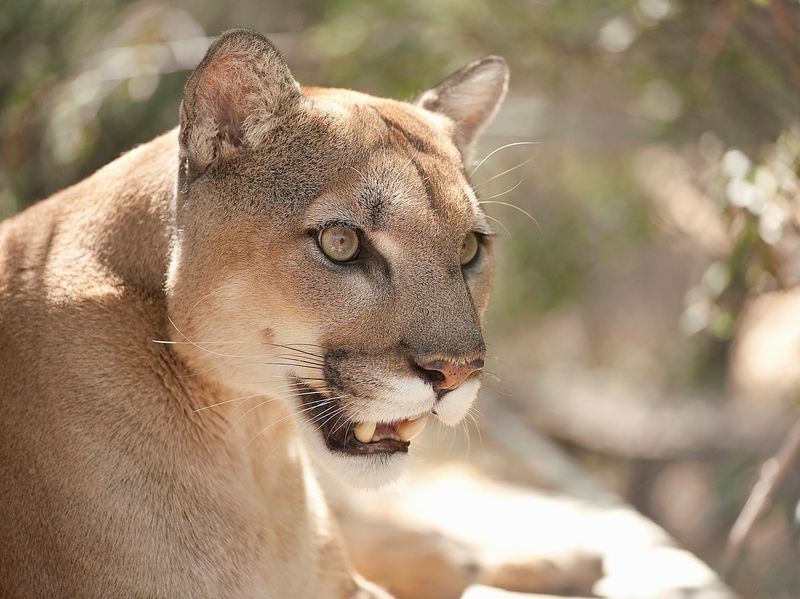
Watching a mountain lion stretch in the afternoon sun feels like a privilege, especially knowing the rough road that brought it here. For anyone curious about the predators that share our desert, these enclosures deliver a rare close look.
Wolves, Coyotes, And The Sound Of The Song
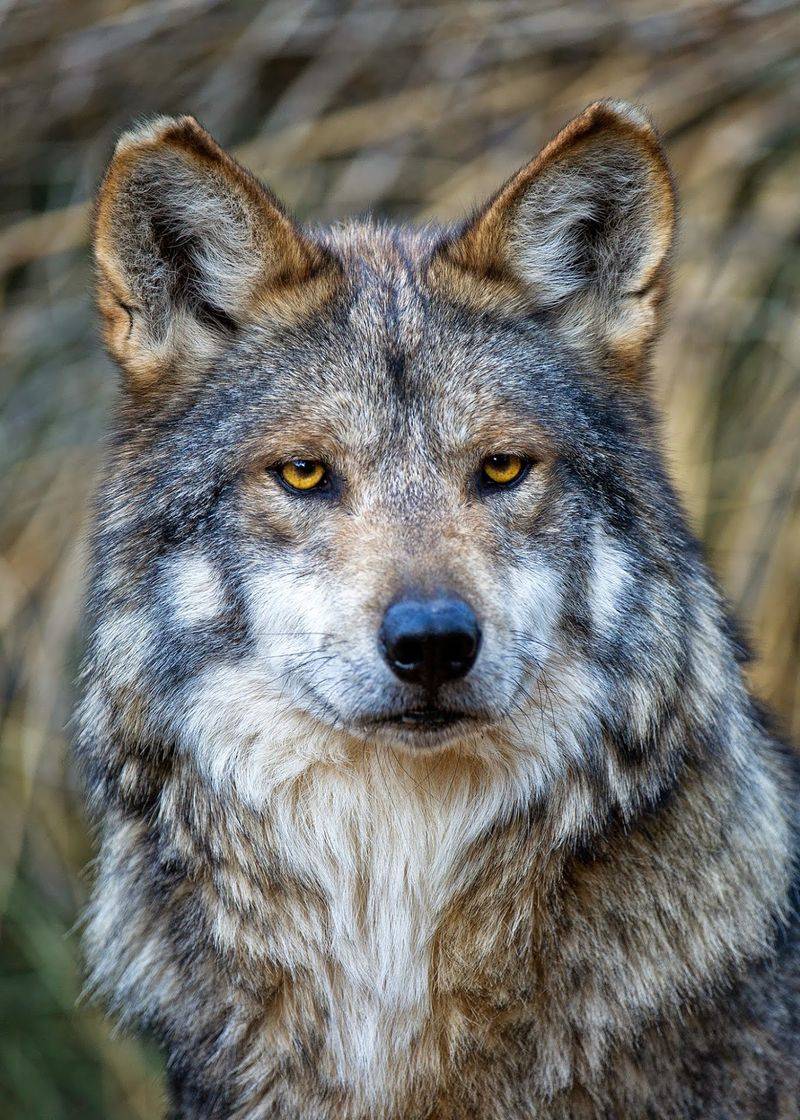
Few things stir the heart like a chorus of wolves and coyotes rising across the desert evening. The center is home to many wolves, and guests often mention the howling as a highlight of the whole trip.
When the coyotes sing and the wolves answer, the sound carries across the property in a way that reminds everyone how wild these animals truly are. It is one of those moments that makes the long drive worthwhile.
The pack members each have their own history, and the guides explain how they came to call this place home. Learning those details adds weight to every call that echoes across the acreage.
Hearing these voices in person connects visitors to a side of Arizona that most people only read about. That connection is part of why the center leaves such a lasting impression on animal lovers.
Bears, Foxes, And A Cast Of Native Characters
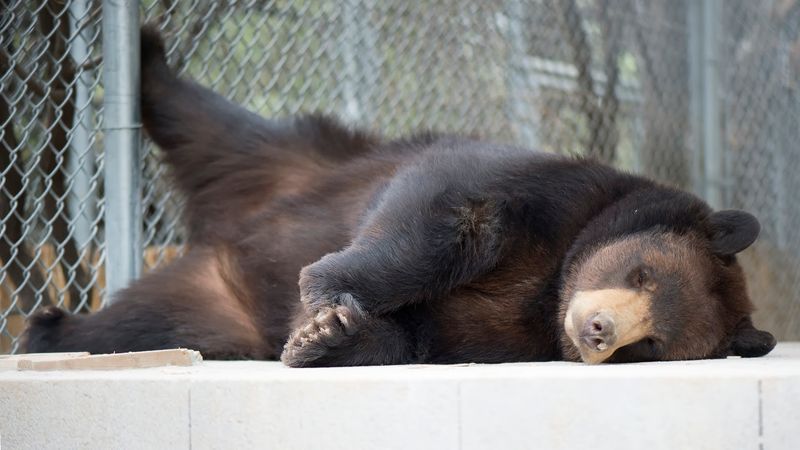
A black bear licking peanut butter off its paws might be the most unforgettable snapshot the center offers. Bears are among the residents, along with a whole lineup of native creatures that call Arizona home.
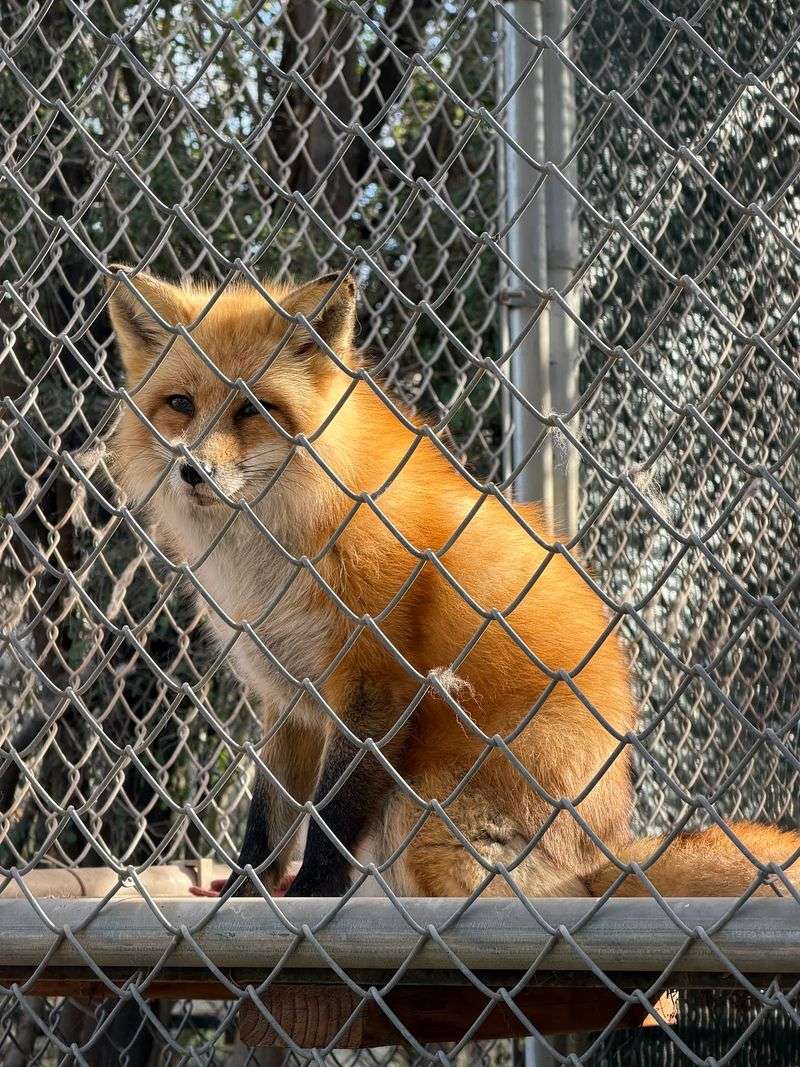
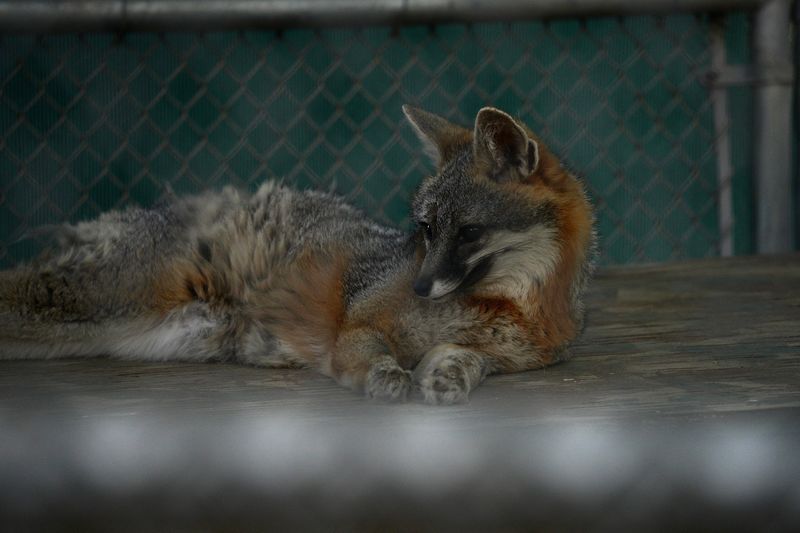
Foxes dart around their spaces, coatimundis climb and explore, and javelinas snuffle about in their own corners of the property. The variety surprises many guests who expected only a handful of animals.
Owls perch quietly, deer graze nearby, and every resident fits into the larger story of southwestern wildlife rehabilitation. The lineup shifts depending on who is out and curious on any given day.
Each animal has a name and a rescue story, which turns the walk into a series of small introductions rather than a parade of exhibits. Getting acquainted with this cast is half the fun of the entire experience.
Goliath The Giant Tortoise
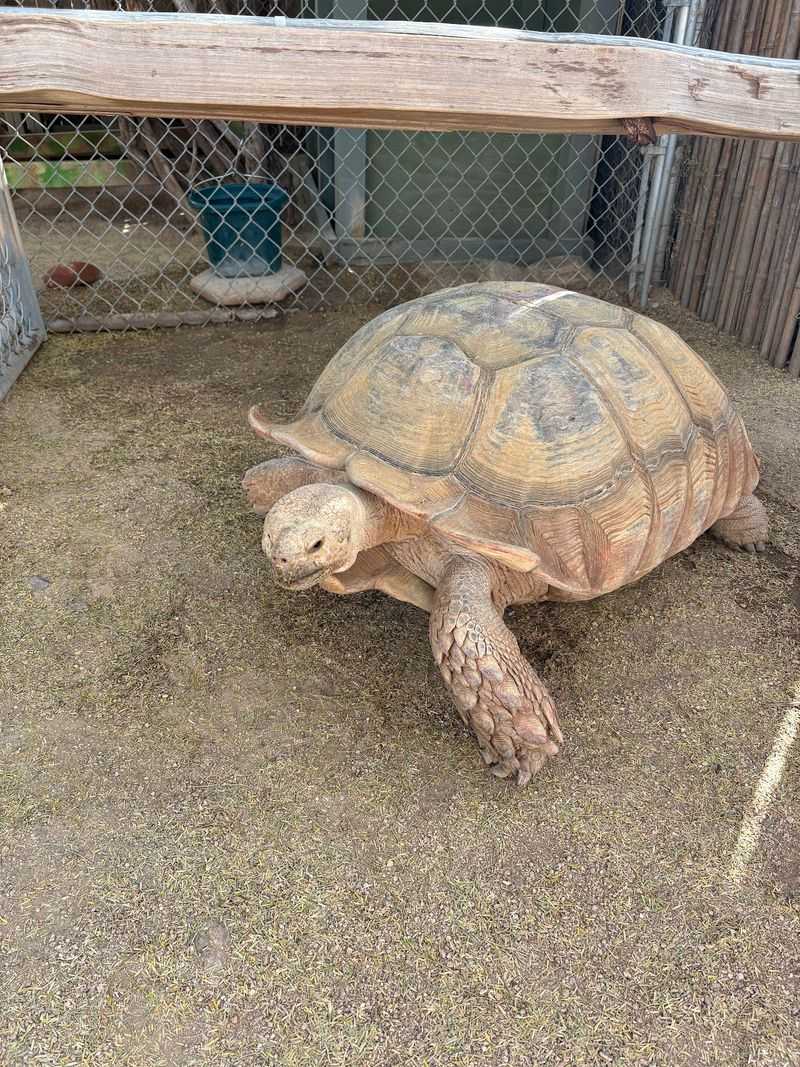
Among all the predators and pack animals, one slow-moving resident quietly wins hearts. Goliath, the giant tortoise, tends to become a favorite for guests who did not expect a reptile to steal the show.
Plodding along at his own unhurried pace, Goliath offers a calm counterpoint to the wolves and cats elsewhere on the grounds. He is proof that the center welcomes all kinds of creatures, not only the fierce ones.
Kids and adults alike gravitate toward him, and the guides are happy to share what makes him special. His presence adds a gentle, easygoing note to the tour.
Meeting Goliath reminds everyone that a sanctuary is about caring for every animal in its charge, no matter the size or speed. He is a small surprise that ends up looming large in visitors’ memories.
Small Groups And Guides Who Know Every Story
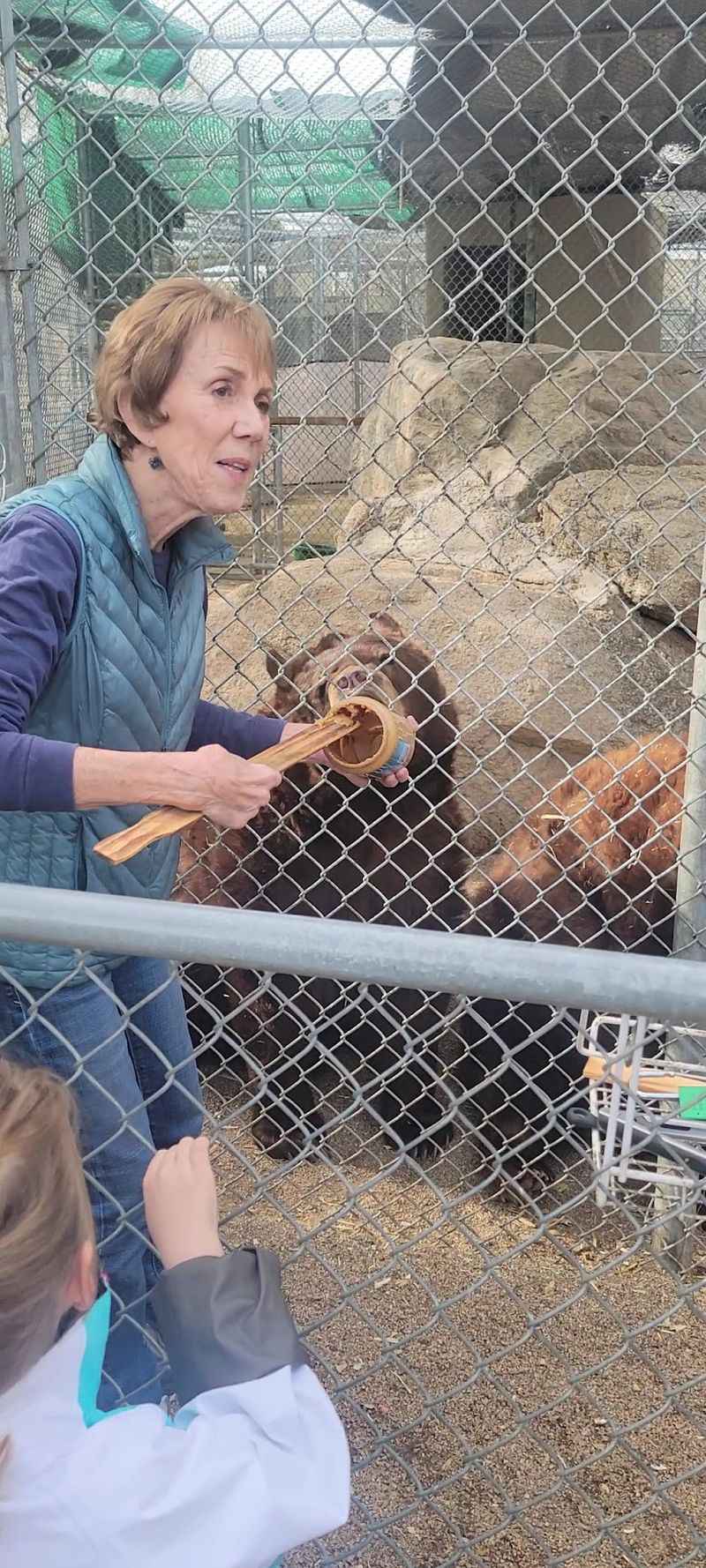
One reason the center feels so personal comes down to group size. Tours run with small, carefully arranged groups, which keeps the atmosphere intimate and the animals relaxed.
The guides carry an impressive depth of knowledge, often reciting the individual history of each resident. Whether it is Cheryl, Barbara, Marcia, Robin, or another passionate volunteer, guests consistently praise how much they learn.
Questions are welcomed and answered thoroughly, and nobody feels rushed through the property. That patience gives the whole visit an unhurried, thoughtful rhythm.
Because most of the staff are volunteers, their care for the animals comes through in every explanation. Their genuine devotion is one of the details that keeps the experience warm and human from start to finish.
Full Moon And Twilight Tours After Dark
When the sun dips low, the property takes on a different energy entirely. Evening options like the full moon tour and twilight tour bring guests out when many of the animals grow more active.
Wolves and coyotes often become livelier after dark, and the nighttime calls carry a special kind of magic across the desert. The bears, on the other hand, may already be dozing off.
These after-hours experiences appeal to anyone who wants to see wildlife behaving closer to their natural rhythms. Tying the visit to Arizona’s famous dark skies only adds to the appeal.
The two-hour evening walk keeps you moving and engaged the entire time. For a memorable night out that trades crowds for coyote song, these tours are hard to beat.
A Two-Hour Walk Built For Curious Minds
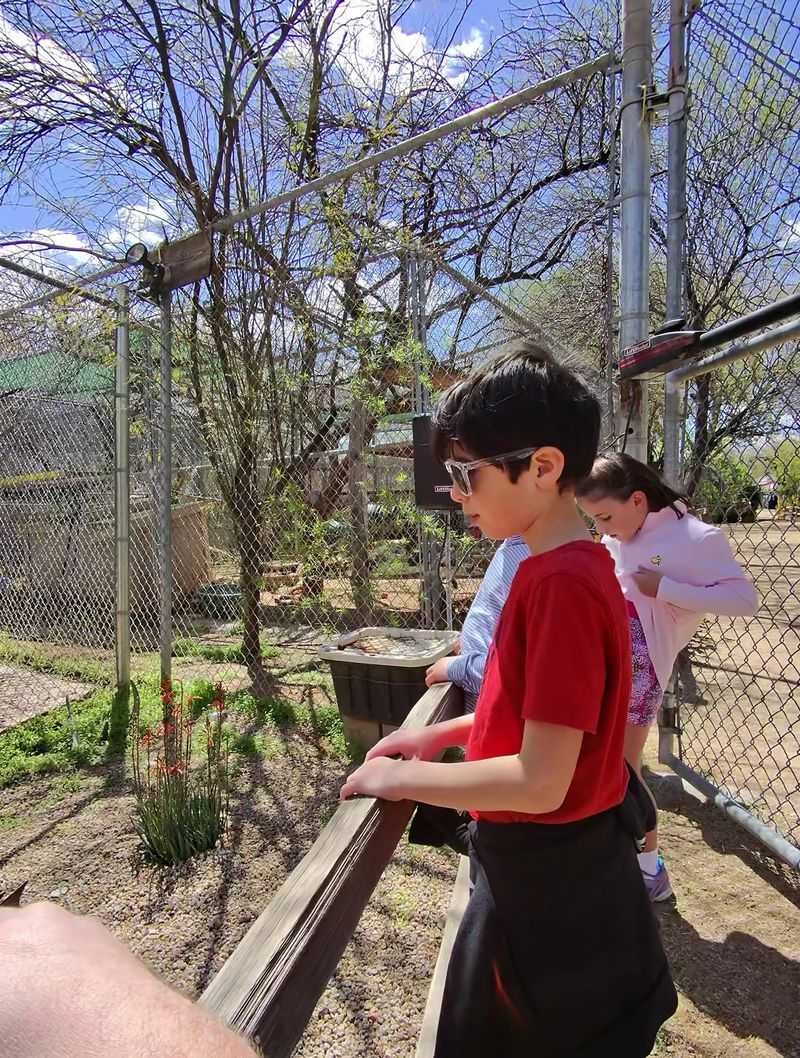
Plan on spending about two hours on your feet during the guided walk. The pace keeps you on the go the whole time, moving from one resident to the next with plenty of photo opportunities along the way.
The walking itself stays manageable and works well for families, with paths that many find easy for kids. Family days in particular bring lots of animals out and curious, making for a lively outing.
Because the tour is guided and information-packed, it rewards guests who enjoy paying attention and learning as they go. Restless young children or anyone who tires of listening might find the length a stretch.
The center has mentioned other events that run more interactive and better suited for kids. Choosing the right tour for your group helps everyone get the most out of the trip.
Reservations, Fees, And Where Your Money Goes
Spontaneous drop-ins are not an option here, so booking ahead is essential. Tours run by appointment only, and guests report the online booking process is easy to navigate.
A tour fee of around 35 dollars per person goes straight toward the nonprofit and the animals it cares for. The center does not receive outside funding or grant money, which makes every ticket meaningful.
Your entry, along with anything you pick up at the gift shop, directly supports the food, care, and habitats these residents rely on. That transparency gives the cost a genuine sense of purpose.
Knowing that each dollar circles back to the animals makes the price feel like a contribution rather than a ticket. It is a rare attraction where paying to visit doubles as doing some good.
Bring Water And Plan Your Ride
Two pieces of practical advice come up constantly, and both are worth taking seriously. First, bring water, no matter the season, because the two-hour walk keeps you outdoors and moving the entire time.
The staff care about keeping guests hydrated and often provide water during the tour so nobody flags in the desert warmth. Still, carrying your own is the smart move.
Second, plan your transportation with that dirt and rocky road in mind. A low-clearance vehicle can struggle on the final stretch to the entrance.
A little preparation smooths the whole experience, letting you focus on the animals instead of the logistics. Show up ready, and the only thing left to do is enjoy the visit.
A Gift Shop That Gives Back
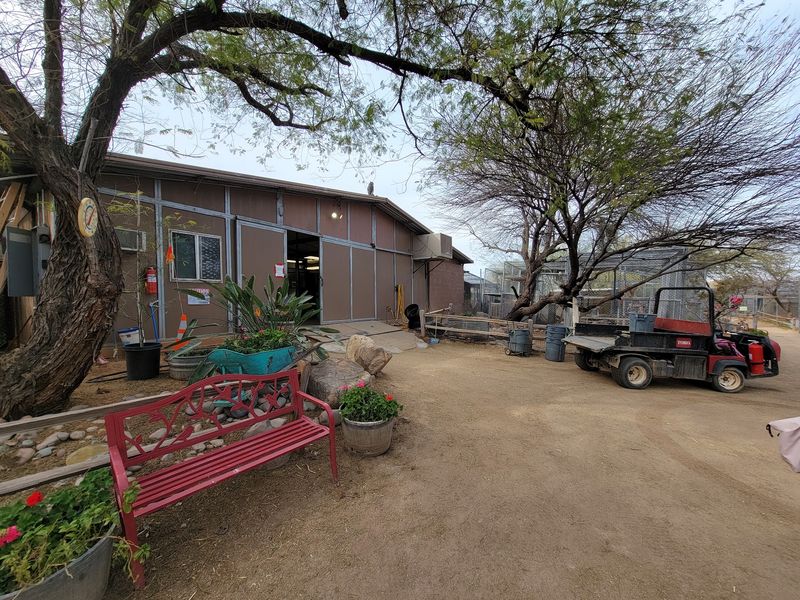
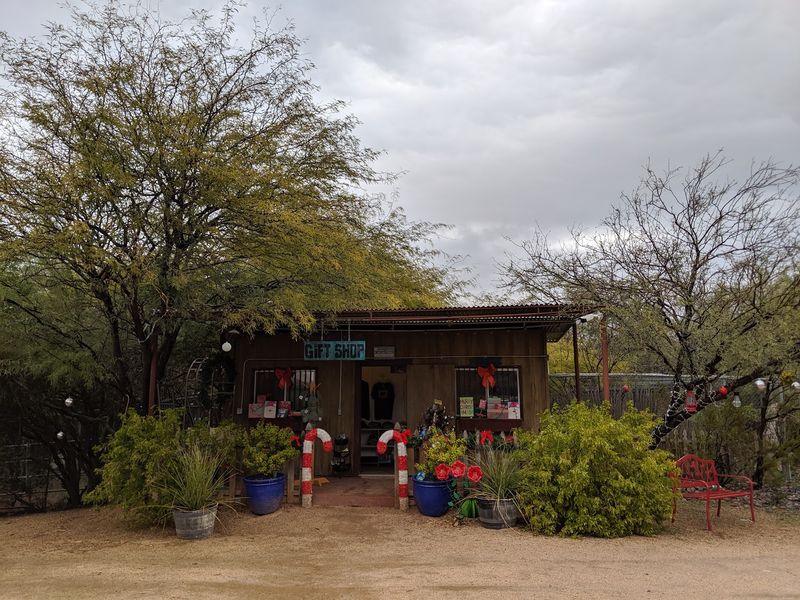
Before you head back down the bumpy road, the little gift shop deserves a stop. It offers a chance to grab a keepsake that reminds you of the animals you met.
The shop is described as cute and worth a browse, stocked with the kind of items that make good souvenirs. It rounds out the visit with a small, cheerful send-off.
What makes shopping here feel good is where the money goes. Like the tour fees, gift shop proceeds funnel right back into caring for the residents.
Picking up a memento becomes another quiet way to support the mission. Few souvenir stops let you carry home a memory and help feed a rescued bear at the same time.
The Story Behind The Sanctuary
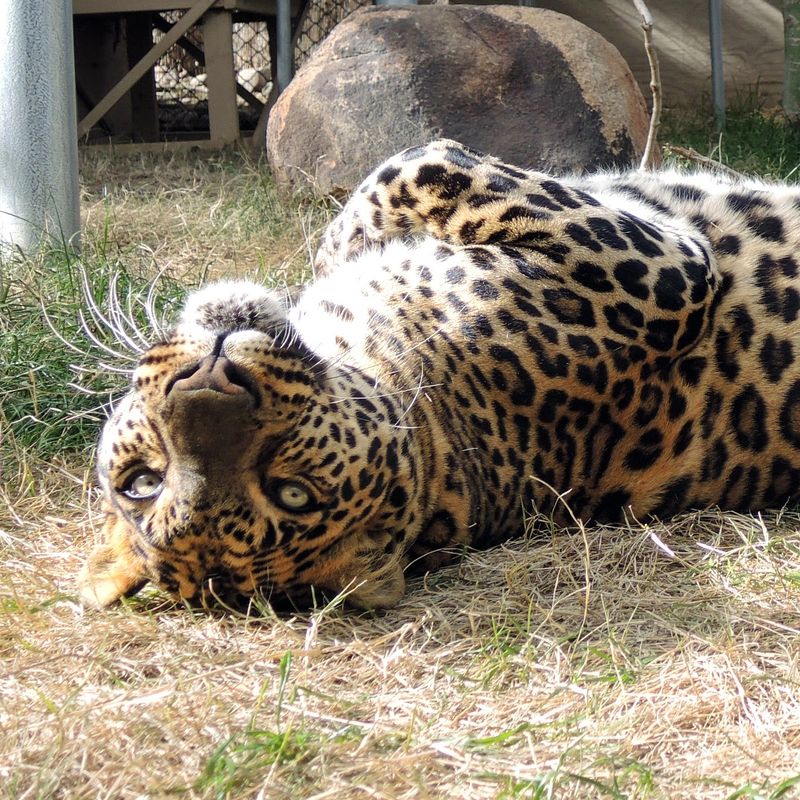
Every great refuge has a heart at its center, and here that heart shows in the dedication of the people who run it. The founder even sold personal property on the grounds to make more room for the animals, a detail that moves many guests.
That kind of sacrifice speaks to how deeply the mission matters to the team. Volunteers give their free time to make sure each resident lives its best possible life.
There is also talk of the center moving to a new, larger location in the coming years, a sign the mission keeps growing. Longtime supporters look forward to seeing that next chapter unfold.
From a modest desert operation to a beloved refuge, the center’s story is one of steady devotion. That backbone of care is what turns a simple animal visit into something genuinely inspiring.
Why This Refuge Earns Its Loyal Following
Praise for the center runs remarkably high, with a 4.9 star average across hundreds of reviews. That kind of consistency is rare and says a lot about what guests find here.
People describe it as a hidden gem, a heartwarming place, and one of the best experiences they have had in a long while. Animal lovers, families, and out-of-town guests alike come away impressed.
The blend of close-up encounters, passionate guides, and a mission you can feel good about keeps drawing folks back. Many say they will return, and some already plan their next tour before leaving.
For Arizona residents wanting to see native wildlife cared for the right way, this quiet corner of Scottsdale delivers something special. It is the sort of backyard treasure worth the dusty drive, and then some.