
Affiliate disclosure: As an Amazon Associate I earn from qualifying purchases. Learn more
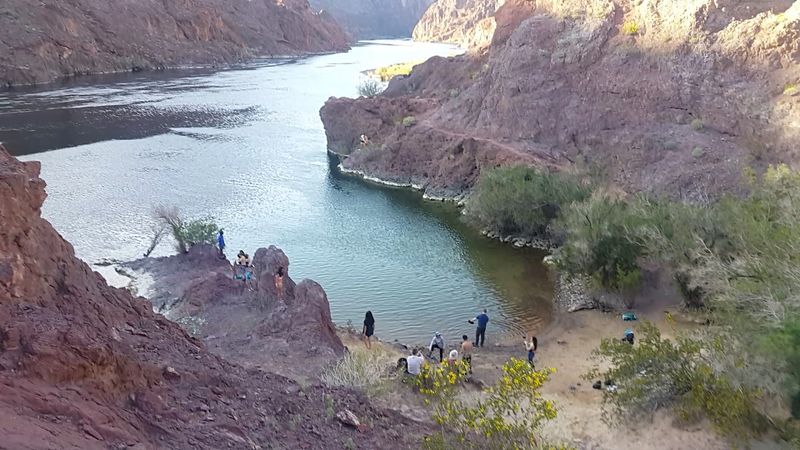
Somewhere southeast of the Nevada border, a rocky wash winds down toward the Colorado River and opens into a slot canyon where warm water pools between towering walls. Most people assume soaking in natural geothermal water means booking an overseas flight and paying resort prices, but Arizona keeps a version of that experience tucked away and reachable on foot.
The catch is that you have to earn it, because the payoff sits at the bottom of a rugged desert trail. Longtime residents know the reward is worth every gravelly step, and the climb back out is the price of admission.
What follows is everything worth knowing before you lace up your boots and head for one of the state’s most surprising outdoor secrets.
Where The Trail Begins
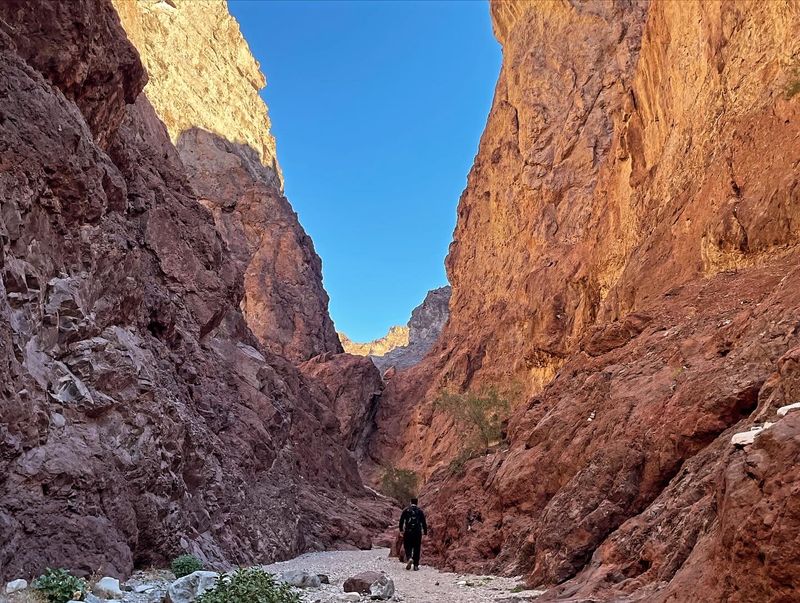
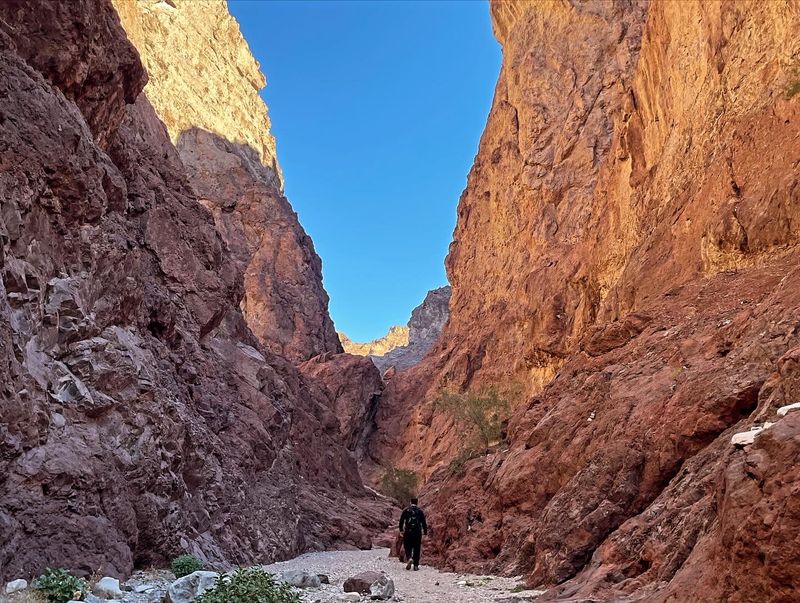
Just off the highway near Willow Beach, AZ 86445, a modest parking area marks the start of something far grander than it first appears. The Arizona Hot Springs Trailhead sits inside the Lake Mead National Recreation Area, close enough to the road that the sound of passing traffic follows you for the first stretch.
The lot puts you within striking distance of the Colorado River, the slot canyon, and the springs themselves. It is managed by the National Park Service, and the official trail information lives on the nps.gov site.
Do not let the plain trailhead fool you. From here the route drops down a dramatic canyon toward Ringbolt Rapid, and the terrain shifts quickly from open desert to narrow rock corridors.
The Park Service has added a few thoughtful upgrades over the years, including a security camera in the parking area meant to discourage break-ins. That small detail matters more than it sounds when your car sits alone by a busy highway for hours while you soak below.
A Soak At The End Of A Slot Canyon
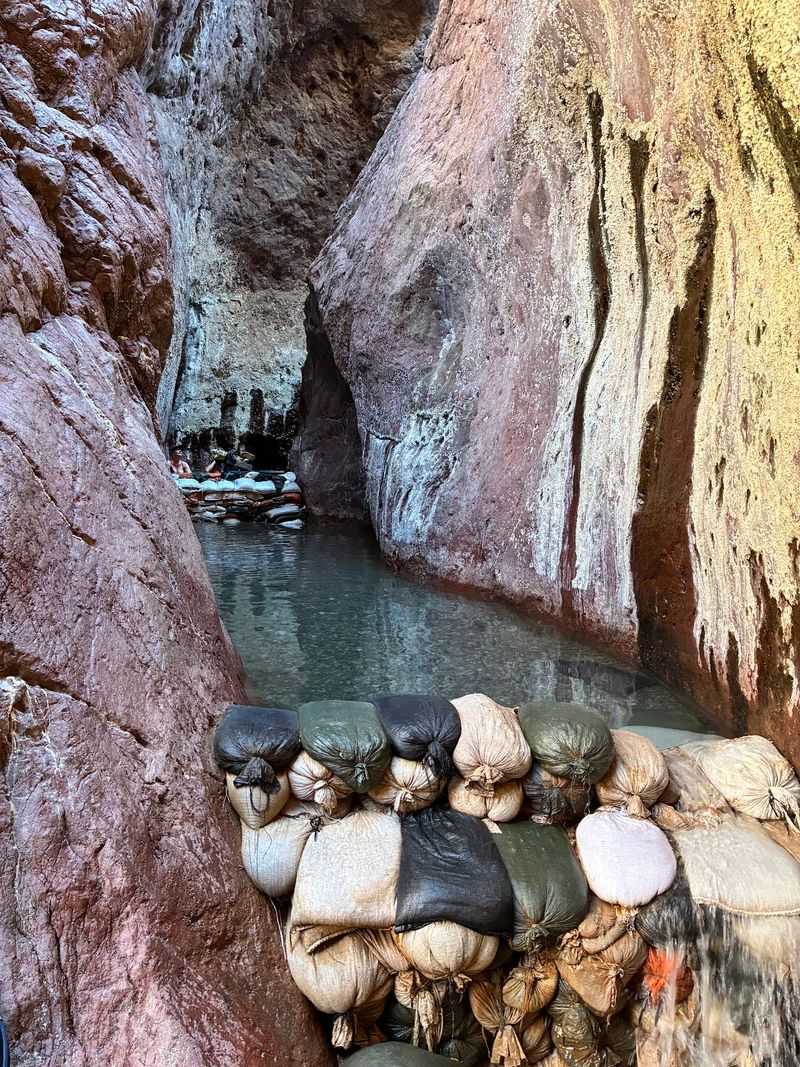
Most trails reward you with a viewpoint or a summit. This one hands you a series of warm soaking pools set right into the canyon rock, which explains why it earns a 4.7-star average across hundreds of ratings.
Regulars often point out that people usually pay good money for a geothermal soak, so finishing a desert hike in one feels almost like getting away with something. The pools stack down the canyon at different levels, each tier a little different in temperature from the one above it.
Sandbags placed at the springs help keep the water level up at each step, a low-tech fix that keeps the tubs full. The whole setup has a scrappy, community-maintained charm rather than a polished resort feel.
Anyone chasing that overseas hot spring fantasy might be surprised to learn Arizona delivers a homegrown version at the bottom of a canyon. The difference is that you walk in on your own two feet, which makes the reward feel earned rather than bought.
Reading The Water Temperatures
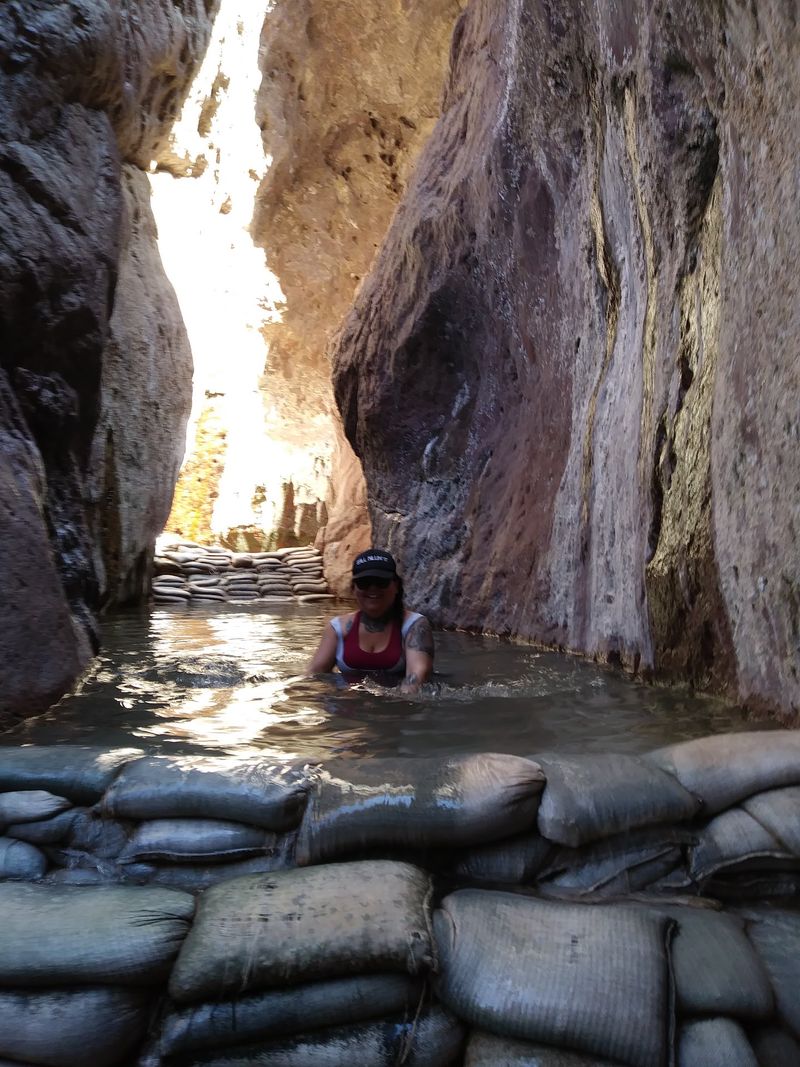
Not every pool is created equal, and knowing that ahead of time saves you a startled retreat. The uppermost pool, closest to the source, runs blistering hot, with readings often cited around 106 to 111 degrees Fahrenheit.
Move down the canyon and the water cools in steady increments. Some who track it with a watch report each tier landing roughly five degrees cooler than the one above, ranging from the low 90s up to around 110.
That gradient is the whole trick. The top pool is best treated as a quick dip, while the lower ones invite you to actually settle in and linger for a while.
Depth stays modest throughout, often only about a foot and a half, so this is soaking rather than swimming. Beginners sometimes charge straight into the hottest tub and regret it, so easing your way down the levels is the smarter play.
The Colorado River Payoff
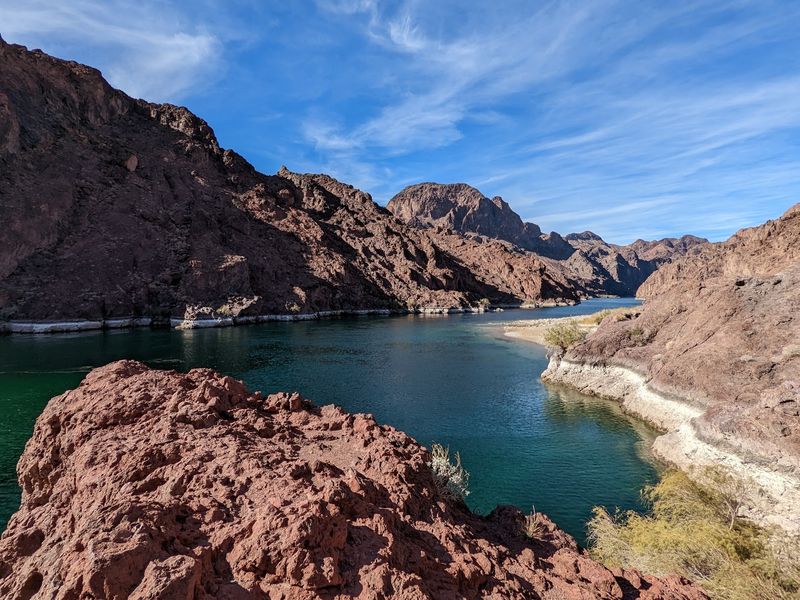
Beyond the warm pools, the canyon keeps giving. The trail system runs all the way down to the Colorado River, where a small beach opens up along the water.
The contrast is the fun part. After a soak in triple-digit spring water, the river runs cold, sometimes measured around 56 degrees, which makes for a bracing plunge that wakes you right back up.
Some folks build their whole route around that combination, soaking first and then dropping down to the river to cool off before the climb out. Others stop to swim, wade, or simply rest on the beach with the canyon walls rising overhead.
The river views from the beaches earn steady praise, and a few adventurous types even talk about arriving by kayak instead of hiking. However you reach it, the waterfront turns a hot springs trip into a genuine river day.
Choosing Your Loop Direction
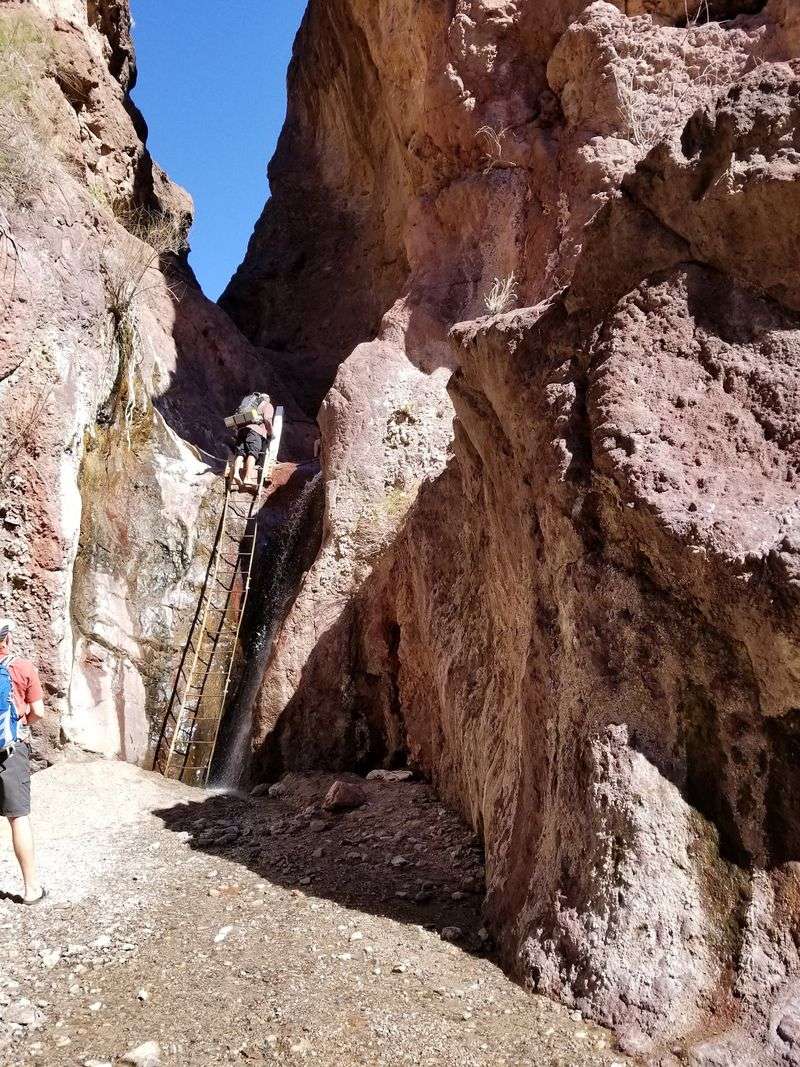
Route planning here is half the adventure. The most popular approach turns the hike into a loop, connecting the Hot Springs Canyon trail with the White Rock Canyon trail.
Going clockwise gets repeated recommendation. That direction typically sends you down the steeper side and brings you back up the gentler grade, which many find easier on tired legs.
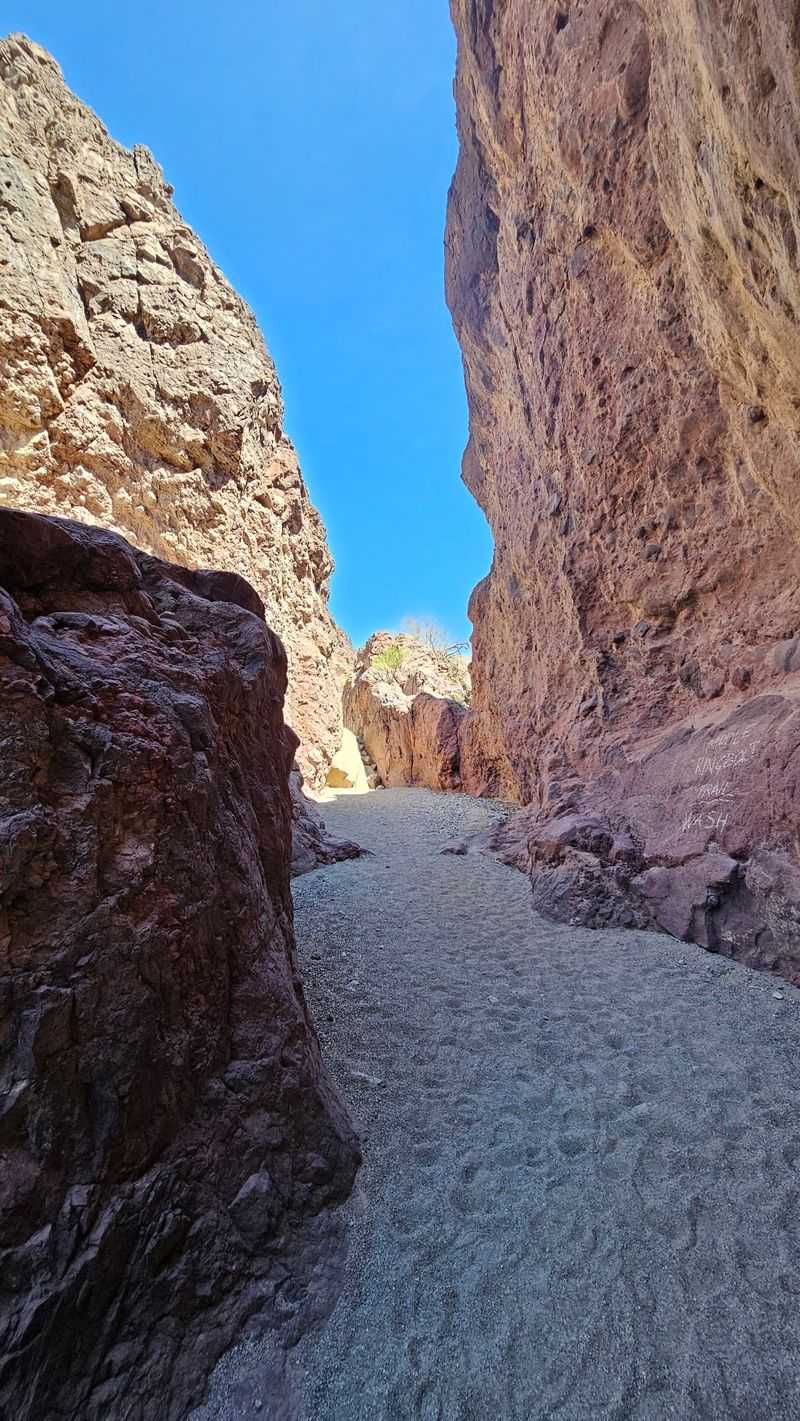
The White Rock Canyon side is largely wash gravel and tends to run cooler and more shaded, a welcome trade during a warm day. Some plan it so they soak in the springs first, dip into the river, then climb out the shadier route.
A metal ladder helps connect the sections near the lower pool, and the Park Service has installed a well-designed set of stairs at the lower pool drop. Whether you loop or go out and back, the total distance lands a bit over three miles one way, so plan your energy accordingly.
The Climb Back Out Is The Real Test
Everyone laughs about the same thing afterward: heading down is a breeze, and heading back up is where the trail collects its toll. The descent to the springs can take a little over an hour, while the return often stretches to around 80 minutes or more.
The steeper incline on the way back is what earns this route its strenuous label. Even people in decent shape mention hearts racing and legs burning on the final push toward the parking lot.
Loose gravel and sand cover much of the trail, which makes footing tricky and the uphill effort feel heavier. Good shoes are not optional here.
One hiker in their sixties described struggling on the way out but still finishing, proof that steady pacing beats speed. Take your time, rest when you need to, and treat the climb as part of the workout rather than a race.
Water Is Not Optional
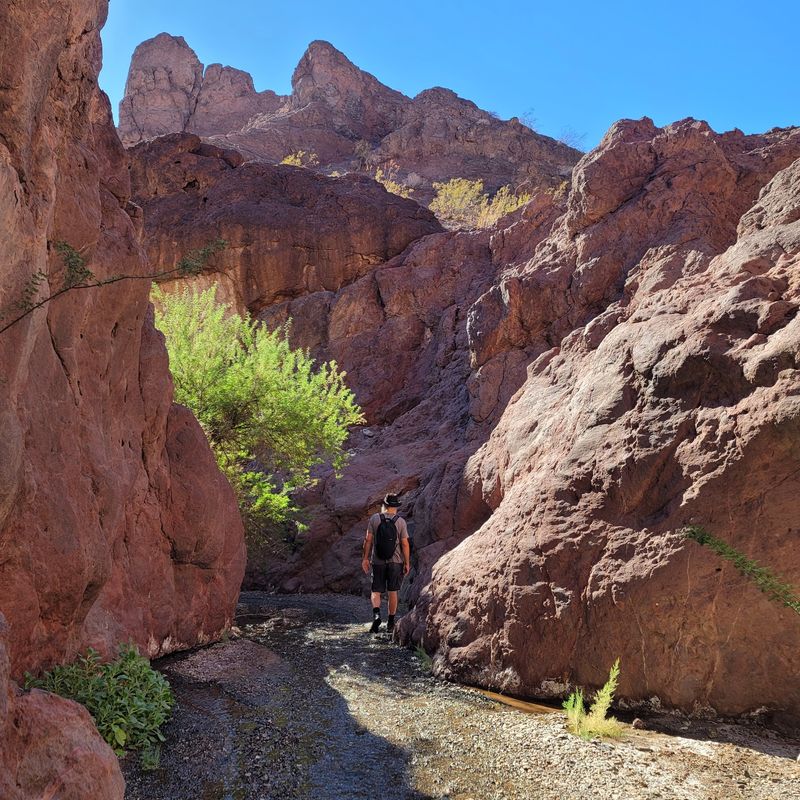
If there is one message hammered home again and again, it is to carry more water than you think you could possibly need. The advice repeats so often it has become the unofficial motto of this trail.
Bring water, bring more water, and when you are sure you have enough, pack another bottle just in case. The combination of desert exposure, gravel underfoot, and a steep return makes dehydration a genuine risk.
Some hikers have reported seeing others struggling on the way out, likely because they underestimated their supply. That is a sobering reminder that this is not a casual stroll.
Starting early helps stretch your water further, since you avoid the worst midday heat. Pair a full pack of water with a solid breakfast and a realistic pace, and the trail stays a joy instead of a grind.
Navigating The Braided Trails
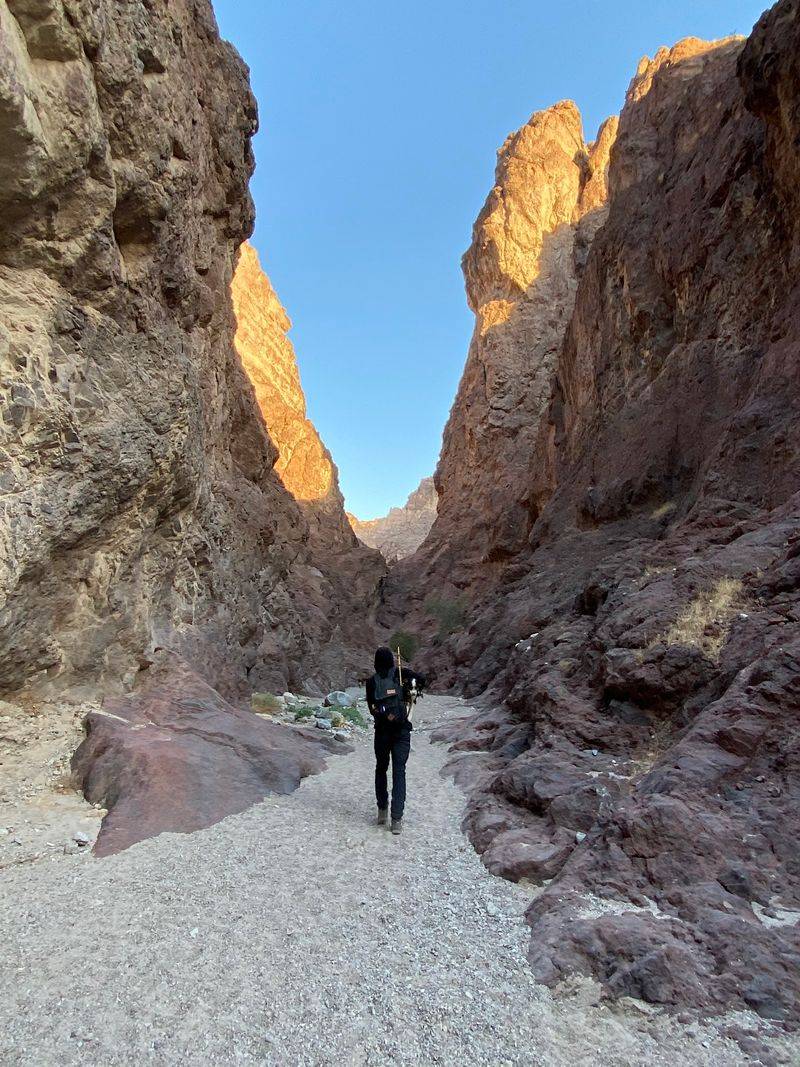
Wayfinding down here can test your patience. Sections of the route split into multiple unsigned social trails that braid and rejoin, and parts simply are not marked.
Downloading a map before you go is the standard fix. Many hikers use apps like AllTrails and save the route offline, because there is no cell access once you are in the canyons.
Oddly enough, painted arrows on the rocks have helped some people feel more confident about staying on track. That graffiti is not exactly leave-no-trace, but it doubles as informal signage in a place without official markers.
The upside is that most braided paths eventually lead where you want to go, so getting temporarily turned around rarely turns into a real problem. Still, a downloaded map and a willingness to backtrack keep the experience relaxed rather than stressful.
Keeping Your Nose Out Of The Water
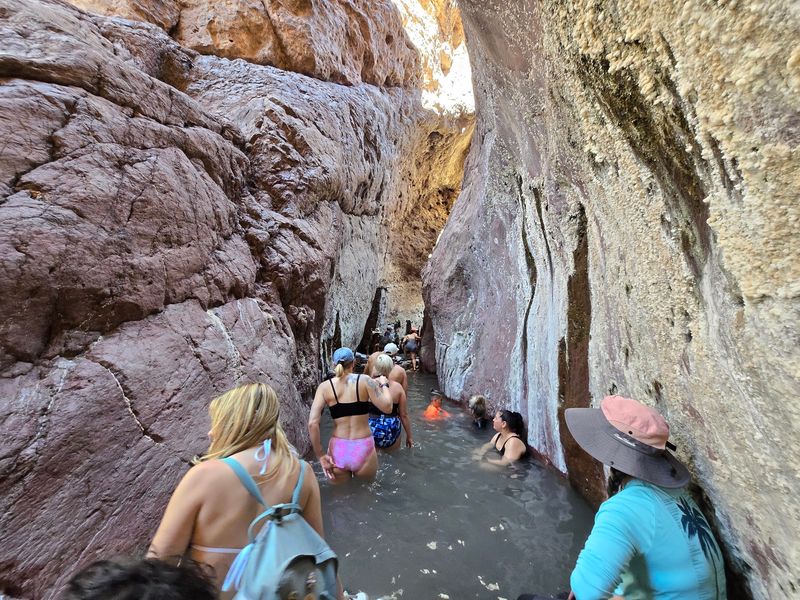
Here is the safety note that sounds dramatic but deserves real attention. Warm, stagnant spring water can host Naegleria fowleri, an organism that poses a serious health risk if water goes up your nose.
The guidance is simple and worth following. Keep your head above the surface, avoid dunking, and steer clear of pushing water up your nose while you soak.
Signs at the springs warn about this, though not everyone reads them carefully. Sticking to the advice lets you enjoy the pools with peace of mind.
People also describe the soak as genuinely restorative, mentioning the minerals the body absorbs while sitting in geothermal water. Whether or not those benefits are proven, the caution around keeping your face dry is the part that truly matters, so treat it as non-negotiable.
The Clothing-Optional Reputation
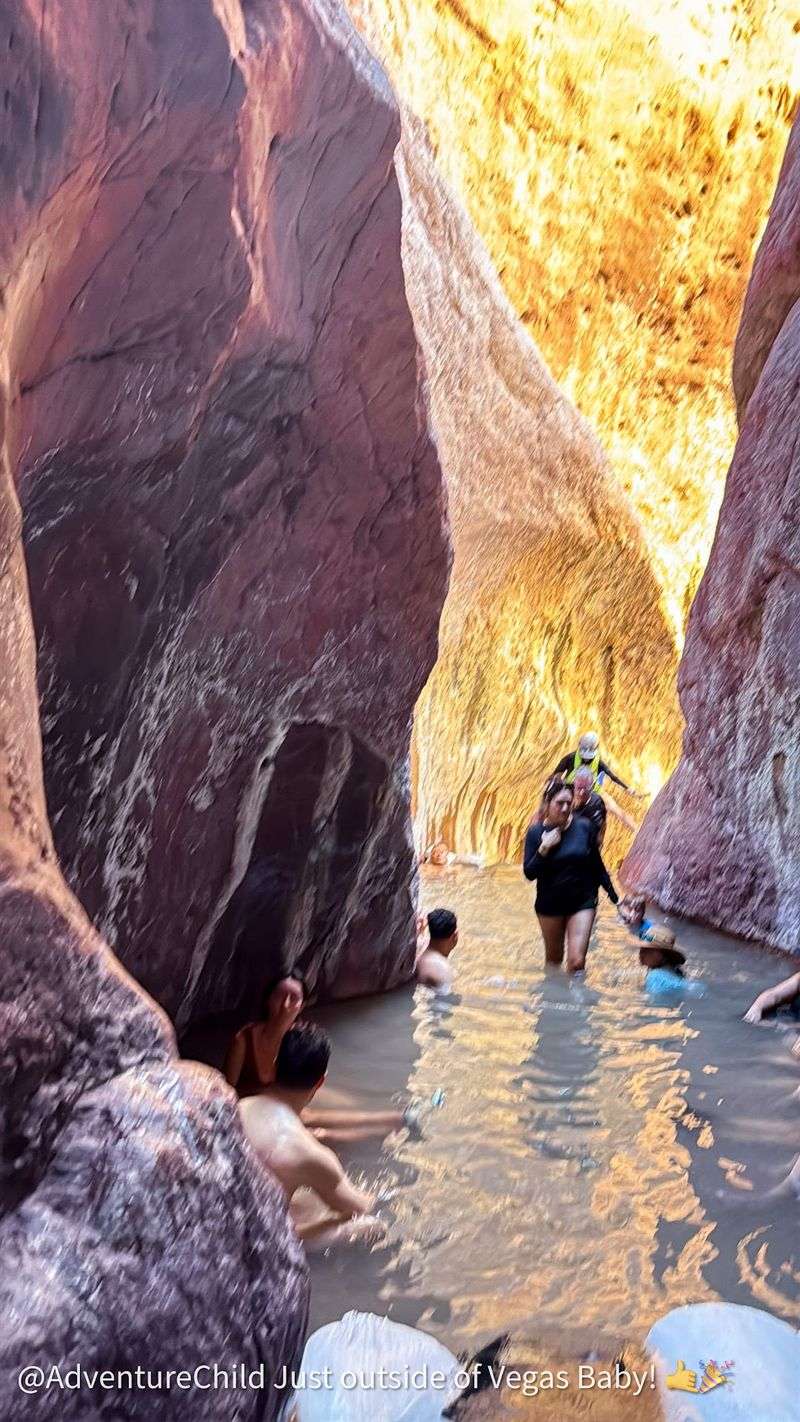
Word travels about this spot, and part of the chatter concerns its relaxed dress code. The springs have a clothing-optional reputation, and at times volunteers who maintain the pools are described as unclothed.
The reality is unpredictable. Some hikers report seeing no nudity at all, while others encounter it, so you truly cannot know what you will find until you arrive.
Painted warnings along the route give fair notice either way, which helps folks decide how they feel before reaching the water. Those who do run into it generally describe the people as kind and respectful.
If the idea bothers you, this is useful information to have in advance. If it does not, you can relax and enjoy the soak knowing the culture here leans easygoing and low-drama.
Timing Your Trip Around The Season
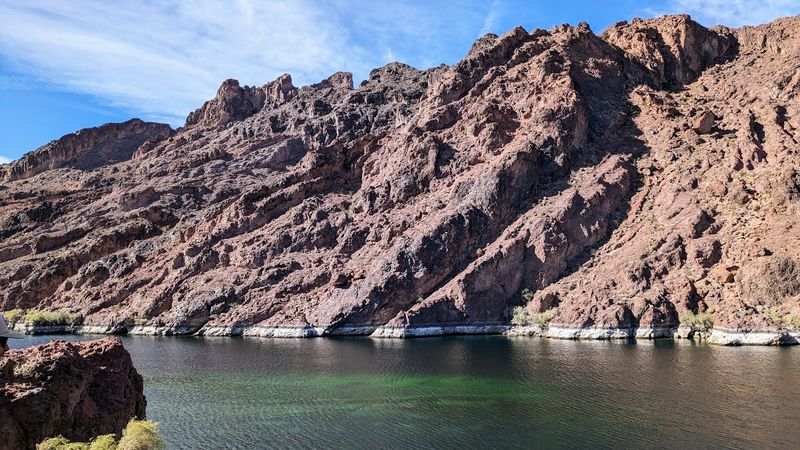
Scheduling is where a lot of trips go sideways, so get this part right. The Arizona Hot Springs area, along with nearby Goldstrike and Boyscout canyons, closes during the hot summer months for safety reasons.
The closures can start earlier than some expect. One traveler arrived in late May to find the trail shut even though an online listing still showed it open, so checking the official nps.gov page before driving out is essential.
Cooler months are prime time. Early February has drawn praise for perfect weather and pleasant crowds, and the shoulder seasons keep the strenuous climb far more manageable.
When the trail is open, an early start matters just as much as the calendar. Getting on the trail before 10 a.m. and holding off on the climb out until later helps you dodge the harshest heat of the day.
Is The Trek Worth It
So does this backyard alternative to an overseas soak actually hold up? The steady stream of high marks and the enthusiasm from those who make the trip suggest it absolutely does.
People describe it as one of the best hikes they have done, a magical route that ends at a warm pool and a river beach. Many vow to return, some planning to kayak in or camp nearby to stretch the adventure.
Take it seriously and the reward is real. Carry plenty of water, download your map, start early, respect the season, and follow the safety notes about the springs.
Arizona quietly holds a geothermal experience that rivals the fancy overseas version, no passport required. Skip the long flight, point the car toward Willow Beach on a cool morning, and let the canyon show you what your own state has been hiding.