
Affiliate disclosure: As an Amazon Associate I earn from qualifying purchases. Learn more
A free reggae festival is coming to a riverfront island park in Daytona Beach this August, and it might be one of the most affordable summer outings in Central Florida right now. Reggae ON the Rock is scheduled for August 8-9, 2026, at Manatee Island, a real island connected to the mainland by a pedestrian bridge, not a remote offshore destination requiring a boat.
General admission is advertised as free, which makes the entry price hard to beat, though food, drinks, and other extras will likely cost extra once you arrive.
Daytona Beach has a free-admission reggae weekend scheduled
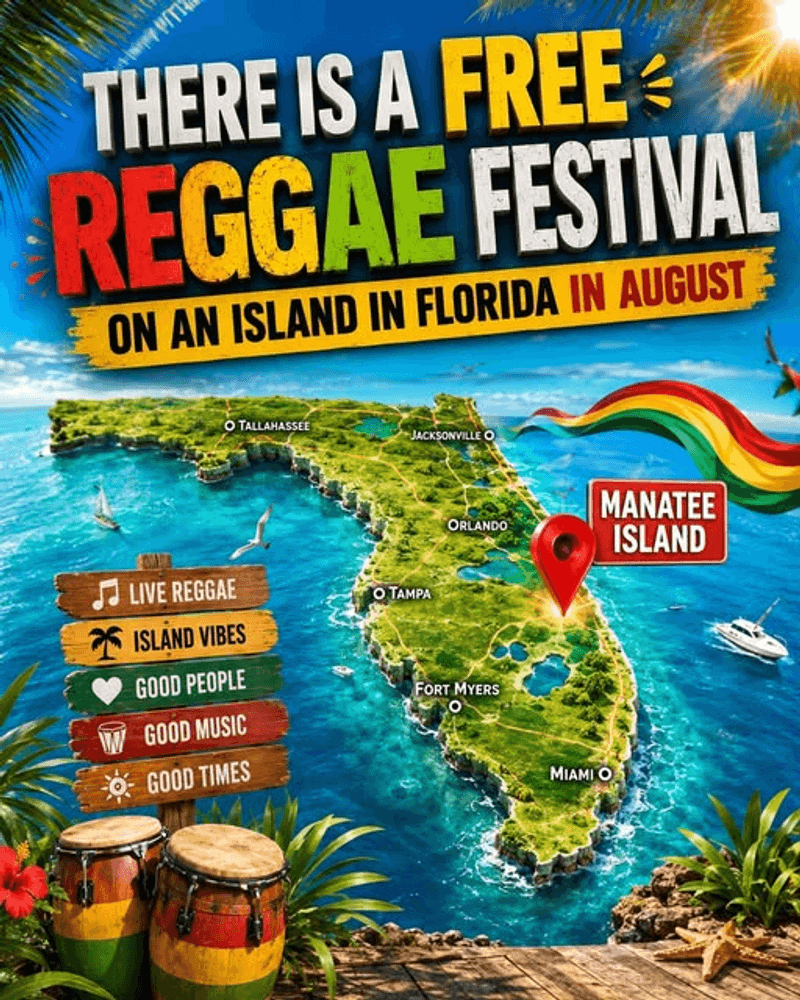
Reggae ON the Rock, formerly known as Reggae at the Rock, is scheduled for Saturday and Sunday, August 8-9, 2026, at Manatee Island in Daytona Beach, Florida. According to the official festival site, organizers advertise free general admission, two stages, more than 20 acts, food trucks, vendors, cocktails, and waterfront programming across both days.
The event is listed on the Riverfront Esplanade events calendar as well, placing it squarely in Daytona Beach’s riverfront district.
Free admission is the headline appeal here, but that phrase needs a quick clarification before you start packing. Walking through the gate without paying a ticket price is genuinely advertised, yet the overall trip is not necessarily free.
Food, drinks, transportation to Daytona Beach, lodging if you stay overnight, merchandise, and VIP upgrades all sit outside that free-entry promise.
That distinction matters for budget planning, not as a reason to skip the event. For a Central Florida day-tripper who can drive to Daytona Beach and pack a cooler or set a spending limit at the festival, Reggae ON the Rock could be a legitimately low-cost summer weekend.
The key is going in with accurate expectations rather than assuming every part of the experience carries a zero price tag.
Manatee Island is a connected riverfront park
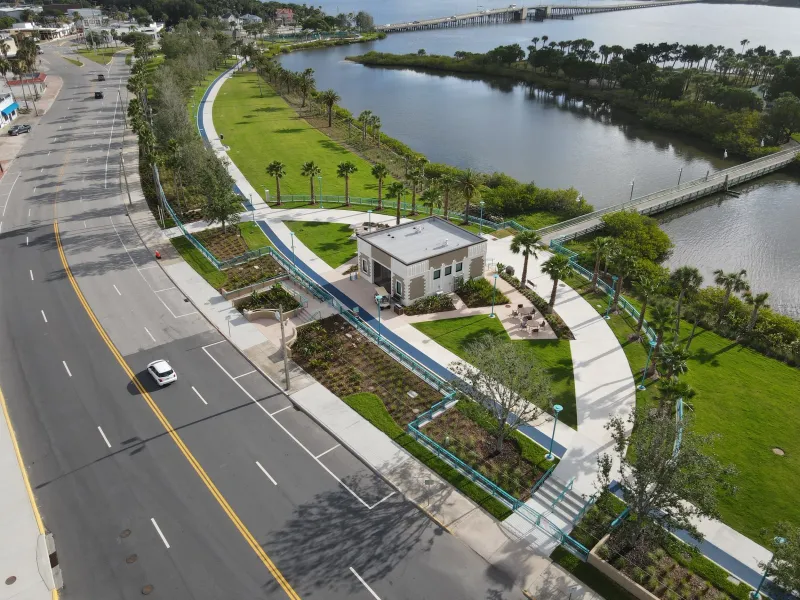
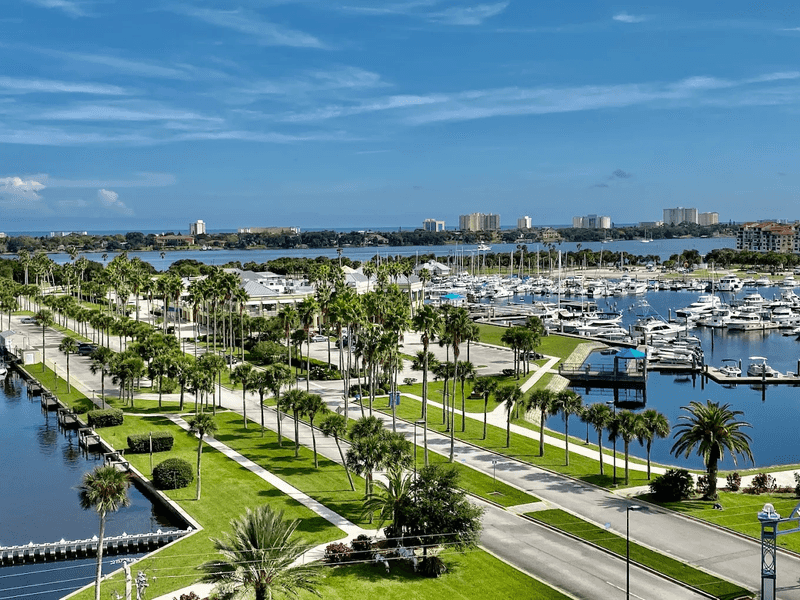
Manatee Island sits in the Halifax River area of Daytona Beach’s riverfront district, and it is not the kind of island that requires a boat, a ferry, or any special transportation to reach. According to the city’s Riverfront Master Plan, the island is part of Riverfront Park and is connected to the mainland by a pedestrian bridge, with nearby Beach Street providing the primary geographic reference point for the surrounding area.
That pedestrian connection is important context for anyone who read a headline about a “Florida island festival” and pictured a remote beach escape. Manatee Island is a riverfront island park, not an offshore island, not a swimming beach, and not a destination that requires navigating open water.
You walk across a bridge, and you are there.
The riverfront setting does give the location a genuine outdoor feel. The island sits along the Halifax River, which runs through central Daytona Beach, and the surrounding Riverfront Esplanade area has been developed as a public gathering space.
That context shapes the atmosphere of the event, a park-based outdoor festival rather than a remote island party.
Worth noting: Daytona Beach city documents indicate that Manatee Island’s dock infrastructure underwent repairs following Hurricane Milton damage, with work still progressing in 2026. That does not mean the festival is canceled or inaccessible.
It does mean that if dock access or specific waterfront amenities matter to your plans, you should check the organizer’s latest event information rather than assuming every feature of the island is fully operational. The pedestrian bridge access, which is how most attendees will arrive, is a separate matter from dock repairs.
Free admission still leaves room for trip costs
General entry to Reggae ON the Rock is advertised as free, and that is a real benefit. Arriving at a two-day music festival without paying a ticket price is a meaningful head start on keeping costs down.
The spending, however, does not stop at the gate.
The festival explicitly markets paid VIP upgrades, which the official Reggae ON the Rock site describes as including benefits such as early entry, reserved seating, an event shirt, and backstage access. If the standard general admission experience feels like enough, you can skip the upgrade entirely.
If any of those perks appeal to you, factor in that cost before assuming the whole weekend is free.
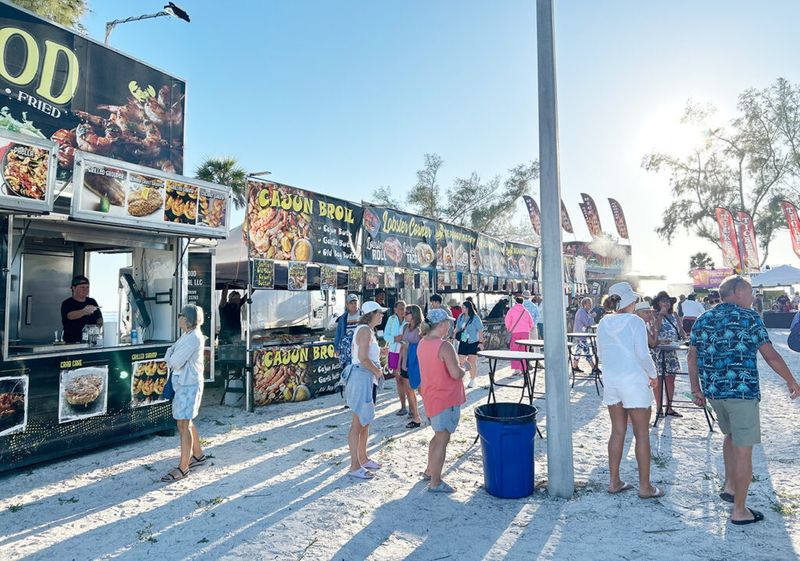
Beyond VIP options, the event advertises food trucks, cocktails, and a vendor village with local art vendors. Food truck prices at outdoor festivals in Florida typically run in the range you would expect at any casual restaurant, and cocktails are rarely free at any event that lists them as an attraction.
Merchandise tables, if present, add another optional spending category.
Getting to Daytona Beach carries its own costs depending on where you are starting from. Gas, tolls, or rideshare fares add up, and if you are coming from Orlando or farther, a hotel stay turns a free festival into a weekend trip with lodging expenses.
None of that makes the event a bad value. A day-tripper who drives in, skips the VIP upgrade, packs water and snacks, and sets a clear food-and-drink budget can genuinely keep the total outlay modest.
The point is to budget for the full picture rather than treating free admission as a shortcut to a completely free outing.
The format promises variety, but the 2026 lineup remains TBA
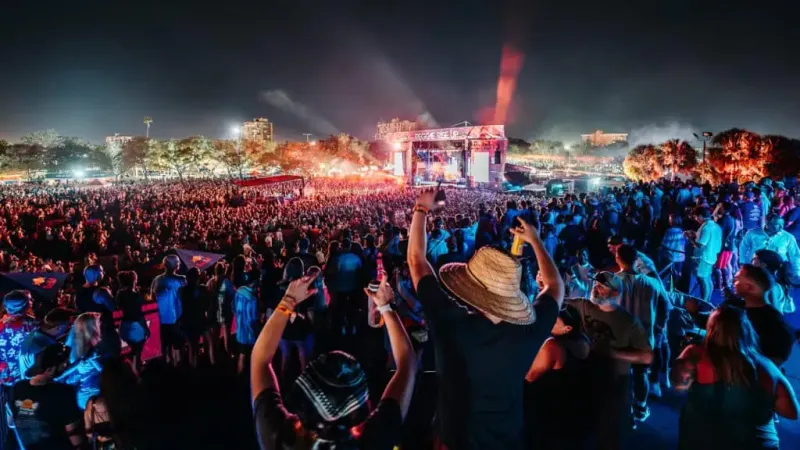
Reggae ON the Rock is built around a two-stage format with organizers advertising more than 20 acts across the weekend. The programming mix is described as including bands, DJs, and emerging solo performers, all within a reggae-centered musical framework.
On paper, that is a solid amount of live music for a free-admission event.
The practical catch right now is that the official 2026 lineup remains listed as “TBA” on the festival’s own page. No headliners, no set times, and no confirmed artist names have been published as of the time this article was prepared.
The event organizer, Rogue Wave Events, produces music, art, and culture festivals in Daytona Beach, and the festival has run under its previous name, Reggae at the Rock, in prior years. But for 2026 specifically, the act-by-act details have not been released.
That means anyone hoping to plan their attendance around a specific performer or set time will need to wait for the organizer to publish the confirmed schedule. Checking the official festival site closer to August 8 is the right move rather than relying on any third-party preview that names artists without an official source.
The rest of the advertised programming, food trucks, a vendor village with local art, cocktails, and waterfront space, fills out the event beyond the music itself. For attendees who enjoy a festival atmosphere as much as any particular act on the bill, the format has enough going on to make a visit worthwhile even before the lineup is finalized.
Just go in knowing that the musical details are still an open question.
Use the published hours to choose a visit length
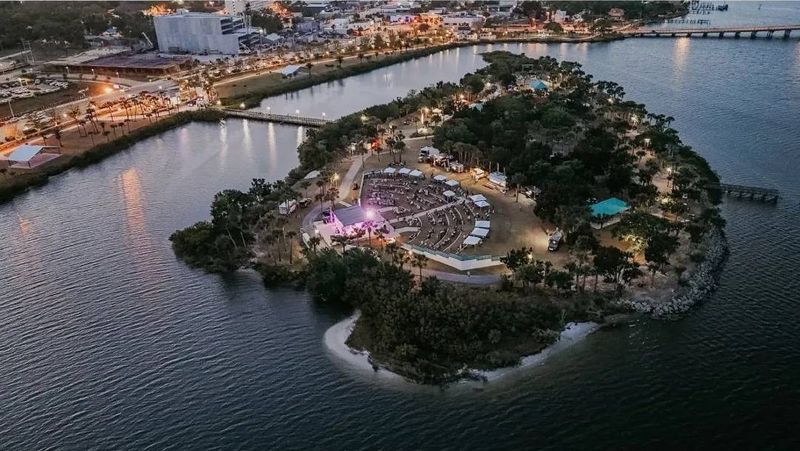
The advertised schedule for Reggae ON the Rock runs from 2 to 11 p.m. on Saturday, August 8, and from 2 to 8 p.m. on Sunday, August 9. Saturday offers the longer window at nine hours, while Sunday wraps up three hours earlier, which affects how you might structure a two-day trip versus a single-day visit.
For a day-tripper from Orlando or the surrounding Central Florida area, Saturday makes the most sense if you want maximum time at the festival. A 2 p.m. start gives you a reasonable morning to handle the drive, and an 11 p.m. end means you can catch several hours of music without rushing.
Sunday’s shorter window, ending at 8 p.m., works well for anyone who wants a lighter second day or who prefers to head home before dark.
Attending both days is an option if you are staying overnight in Daytona Beach, and doing so would give you exposure to the full programming across both stages. Without a published set schedule, though, there is no way to know yet whether the two days feature entirely different lineups or overlap in any way.
That is another reason to check the organizer’s updates as the event approaches.
One scheduling note worth flagging: the Riverfront Esplanade calendar displays the event in a way that could read as a Sunday-only listing, even though the description covers both August 8 and 9. The festival’s own site is the more complete source for the full weekend schedule.
Confirm the hours directly with the organizer before you leave home, because event listings are not always perfectly consistent across platforms.
Check directions and parking before arriving
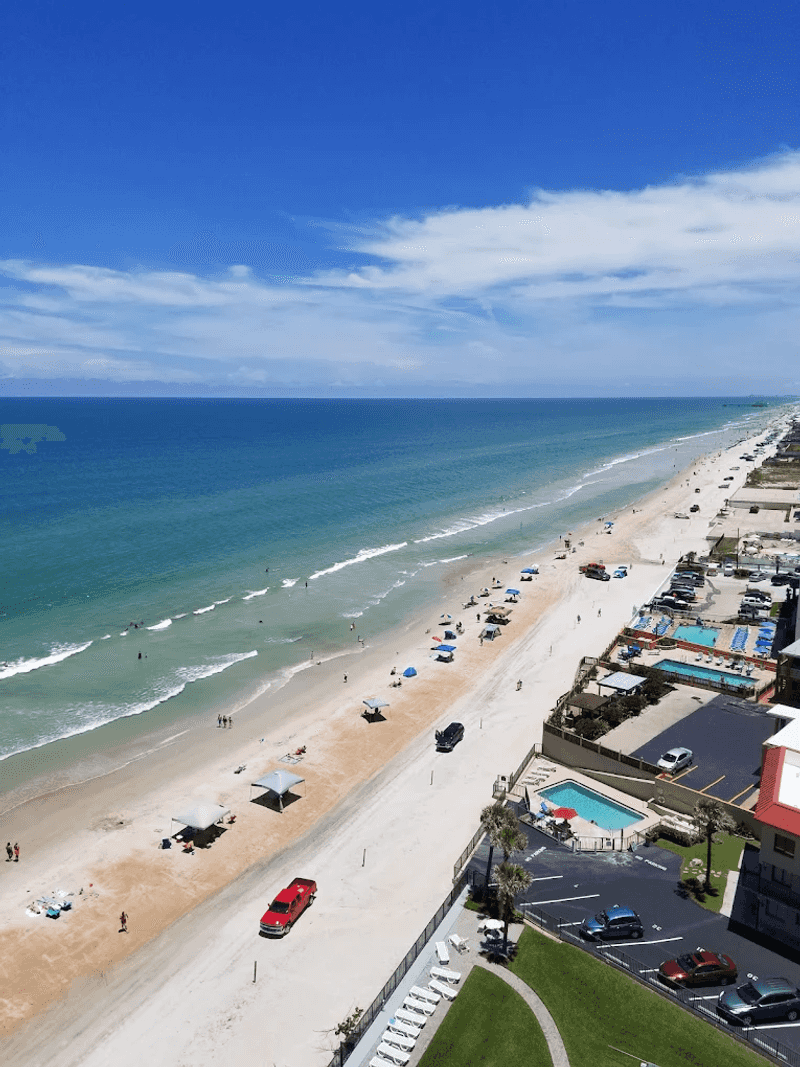
Getting to Manatee Island involves crossing a pedestrian bridge from the mainland into the riverfront park area. The city’s Riverfront Master Plan identifies Beach Street as the primary road running adjacent to this part of the riverfront district, and on-street parking along Beach Street is referenced in city planning documents as the nearest parking option for the island area.
Both the official festival site and the Riverfront Esplanade event page advertise free parking as part of the event experience. Treat that as an organizer claim rather than a guarantee of convenient, plentiful, or close-in spots.
City documents reviewed for this article do not independently confirm the specific amount, exact location, or practical availability of event parking during a busy festival weekend.
Address listings for the venue add another layer of uncertainty. Different event pages reference North Beach Street addresses including 351, 355, 357, and 249.
Rather than locking in one of those numbers as the definitive destination, use the organizer’s latest directions or the event map published closest to the festival date. Entering a slightly wrong address into a navigation app near a busy waterfront area could send you to the wrong block.
Arriving early in the afternoon, when the festival opens at 2 p.m., gives you the best chance at nearby parking before the surrounding area fills up. If on-street spots are taken, allow extra time to walk from wherever you park rather than expecting a spot steps from the bridge.
A little flexibility on arrival logistics goes a long way at any outdoor event in a busy urban waterfront district.
Prepare for Florida heat, sun, and storms
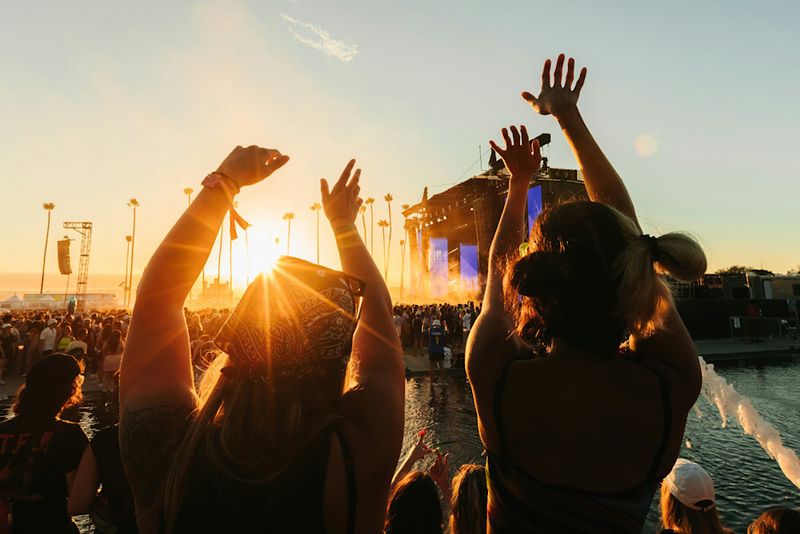
An outdoor festival that runs from 2 p.m. into the evening in August in Florida is, by definition, a heat-management situation. The afternoon hours, from 2 to around 5 p.m., fall during the hottest and sunniest part of the day, and standing near a stage with limited shade is a genuinely tiring experience without preparation.
Bring water and drink it consistently throughout the day, not just when you feel thirsty. CDC guidance on hot-climate travel notes that heat illness can affect anyone, with higher risk for young children, older adults, pregnant people, and those with chronic health conditions.
Warning signs to watch for include dizziness, headache, nausea, weakness, and unusual sweating. If you or someone with you develops any of those symptoms, move to a shaded or air-conditioned area and seek help rather than waiting for symptoms to pass on their own.
The festival advertises cocktails, which is worth acknowledging directly: alcohol does not substitute for water and can increase dehydration in hot weather. Enjoy the bar offerings if you choose, but pair them with nonalcoholic fluids and pace yourself across a long afternoon and evening outdoors.
Sun protection is a separate layer of preparation. CDC recommendations for outdoor sun exposure include wearing protective clothing, seeking shade, and applying broad-spectrum sunscreen, reapplied at least every two hours or more often if you are sweating heavily.
Lightweight, light-colored clothing, a hat, and sunglasses make the afternoon hours noticeably more comfortable.
Florida’s summer afternoon storm pattern is also a real factor. Thunderstorms can develop quickly in August, and lightning is a serious hazard at outdoor events.
Check the National Weather Service guidance for outdoor event safety, which identifies lightning as a primary warm-season concern. Monitor the forecast before you leave, and follow any instructions the event organizers issue if weather moves in during the festival.
Never remain in an open outdoor area during a lightning storm.
Plan for an affordable outing, then verify the details
Reggae ON the Rock is advertised as a free-admission music festival at Manatee Island, a connected riverfront park in Daytona Beach, scheduled for August 8-9, 2026. The official festival site and the Riverfront Esplanade event listing both support the basic facts: two days, two stages, 20-plus acts, and no ticket required for general entry.
Before you go, run through a short checklist. Confirm the lineup and hours directly with the organizer, since the 2026 artist schedule remains TBA and event listings have shown some inconsistencies across platforms.
Get the organizer’s latest directions and parking map rather than relying on a single North Beach Street address. Budget for food, drinks, and any extras so the free gate does not catch you off guard at the food truck line.
Daytona Beach city documents note that Manatee Island’s dock infrastructure has undergone repairs following Hurricane Milton damage, with work still in progress in 2026, as reported in a city manager update from June 2026. That is a reason to verify current island access details with the organizer before arrival, not a reason to assume the festival is canceled or the island is closed.
The pedestrian bridge access is a separate matter from dock repairs.
A free gate at a riverfront reggae weekend is a rare enough combination that it is worth the short planning effort to get the details right before you make the drive.