
Affiliate disclosure: As an Amazon Associate I earn from qualifying purchases. Learn more
Some cameras feel like they peak right out of the box, while others surprise you months or even years later. Thanks to firmware updates and continued manufacturer support, certain models actually become more capable over time. Owners discover new features, improved autofocus, and better performance they didn’t pay for originally.
1. Sony a7 III: The Finished Camera That Kept Getting New Tricks
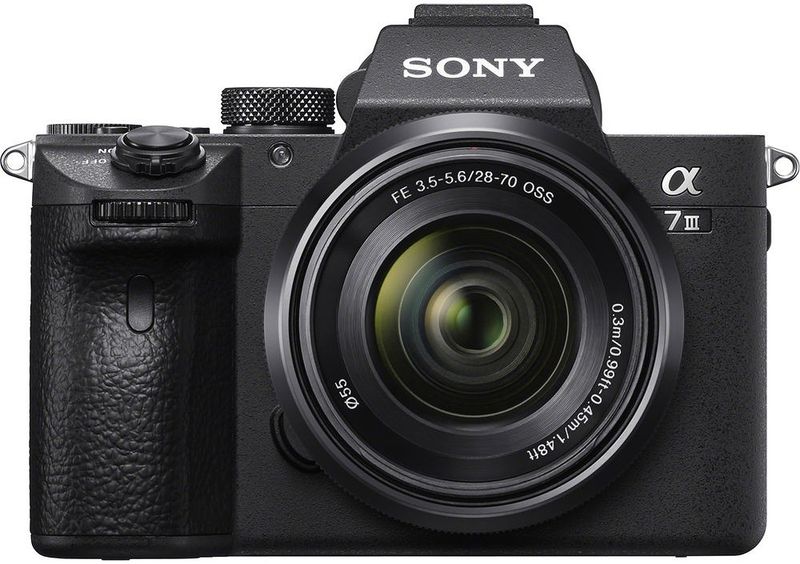
Buying this camera meant joining a journey of continuous improvement. Firmware v3.0 arrived and suddenly owners could track animals with eye autofocus, something unimaginable at launch.
Interval shooting also appeared, letting photographers create time-lapses without extra gear. Sony listened to users and rewarded loyalty with genuine new capabilities.
Long-term owners literally watched their investment grow more versatile. Few cameras deliver features years later that feel this substantial and game-changing for everyday shooting.
2. Fujifilm X-T3: Kaizen in Action with AF, Eye Tracking, and Low Light
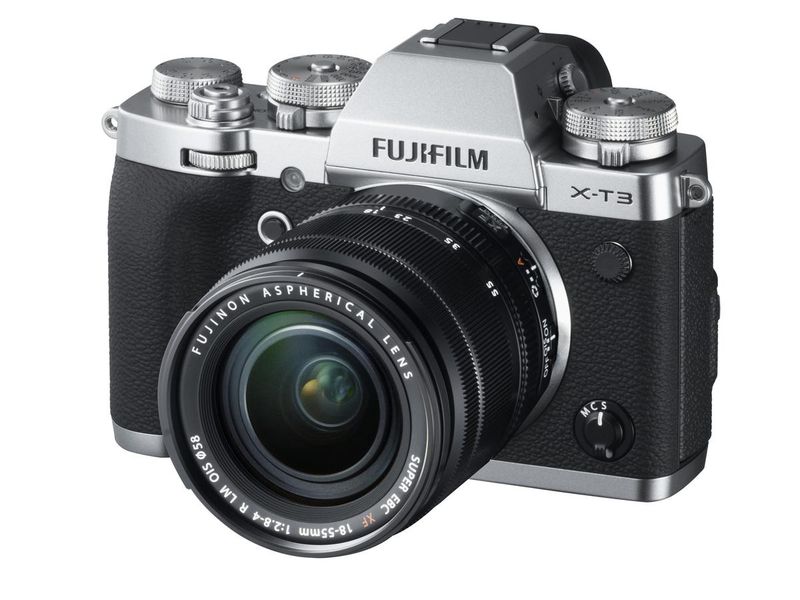
Fujifilm practices kaizen, the philosophy of constant improvement, and this camera proves it. Major autofocus upgrades rolled out over time, sharpening face and eye detection accuracy significantly.
Face Select arrived later, plus better tracking behavior in challenging light. Low-light autofocus performance improved in subsequent releases, making night shooting far more reliable.
Owners watched their camera evolve into something noticeably sharper and faster. This wasn’t just bug fixes but meaningful enhancements that changed how photographers worked daily.
3. Panasonic Lumix GH5: The Video Workhorse That Expanded Its Toolkit
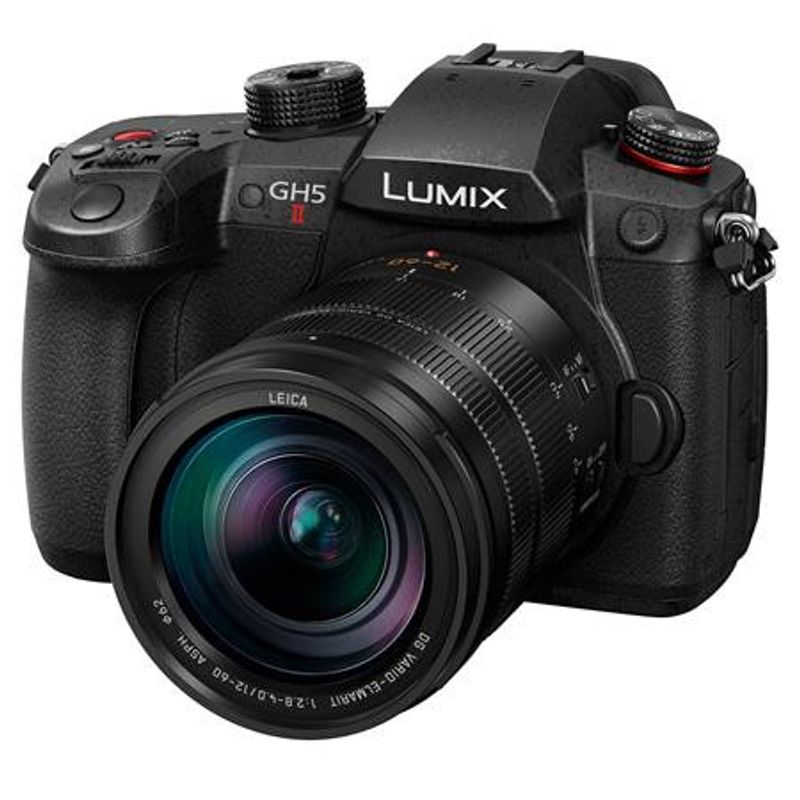
Filmmakers already loved this camera, then Panasonic dropped firmware v2.0 like a gift from above. ALL-Intra recording arrived, along with HLG for HDR video and major anamorphic enhancements.
Autofocus, stabilization, and 6K/4K Photo modes all improved too. What started as a solid hybrid became a complete video platform over time.
Professional videographers found themselves with a more powerful tool without spending another dollar. The GH5 proved that great hardware deserves great software support to unlock hidden potential.
4. Nikon Z6: The Early Mirrorless That Got Serious About AF
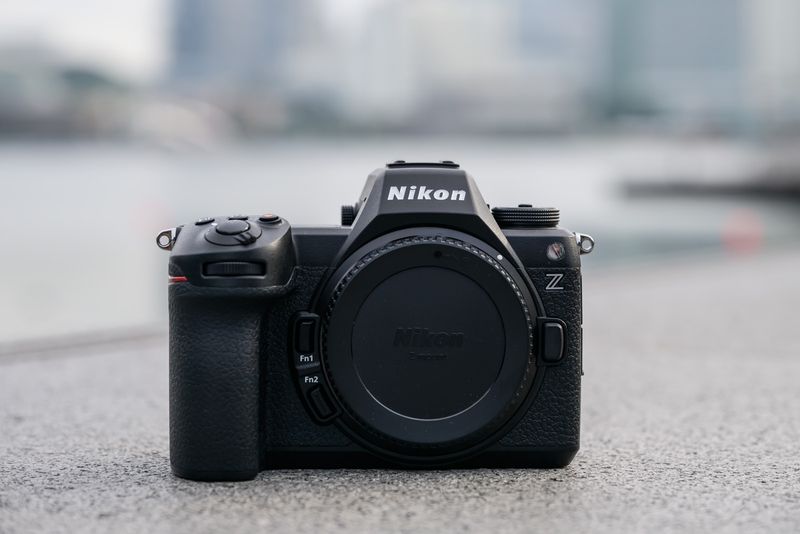
Early adopters took a chance on Nikon’s first serious mirrorless effort. Firmware v2.0 rewarded that faith by introducing Eye-Detection autofocus, a feature missing at launch.
Low-light autofocus performance improved dramatically, and tracking behavior became far more reliable. Portrait and wedding photographers especially noticed the difference in day-to-day shooting.
Suddenly the Z6 competed with rivals it couldn’t touch before. Nikon showed commitment to its new system by addressing the biggest complaints and transforming user experience.
5. Canon EOS R: Autofocus That Improved with Real-World Feedback
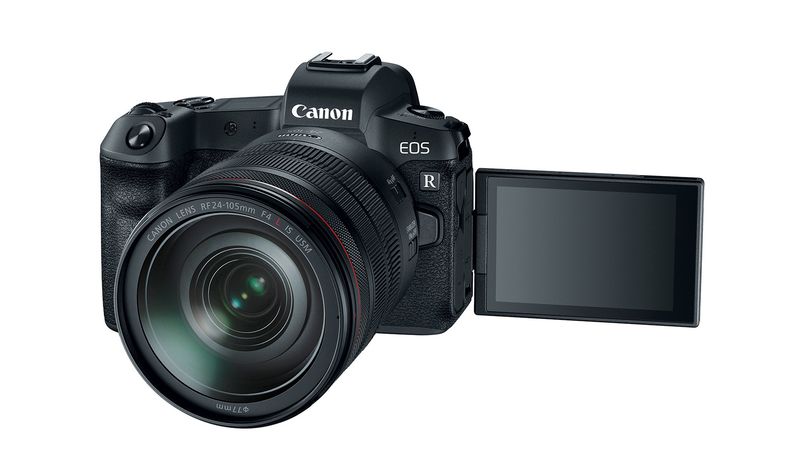
Canon listened when photographers voiced concerns about eye-detection performance. Firmware updates improved recognition at greater distances and better tracking of smaller subjects.
One of the biggest early critiques got addressed directly through software. Owners watched their camera become noticeably more reliable for portraits and action.
This wasn’t a minor tweak but a fundamental improvement in usability. Canon proved that real-world feedback matters and that early adopters deserve continued attention and refinement over the product lifecycle.
6. Olympus OM-D E-M1 Mark II: A Mid-Life AF Upgrade and More
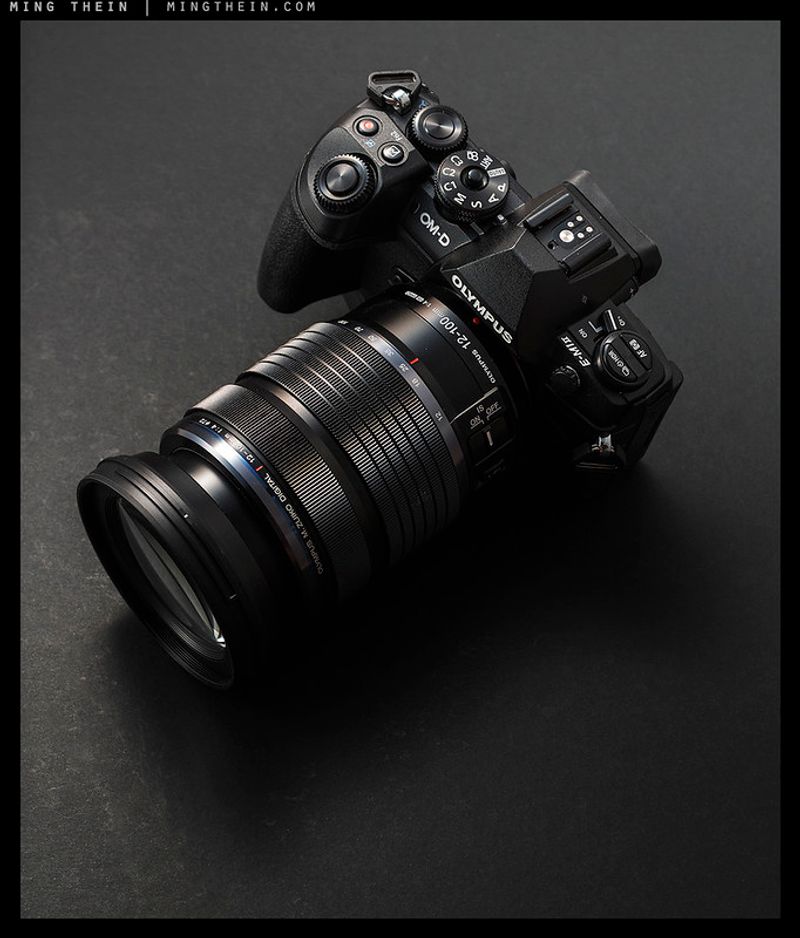
Years after release, Olympus dropped firmware v3.0 with a more advanced autofocus algorithm ported from the flagship E-M1X. New AF options appeared alongside improved high-ISO noise handling.
Low-light autofocus support expanded, making the camera meaningfully stronger in challenging conditions. Owners felt like they received a mid-life refresh without buying new hardware.
This level of support is rare and incredibly valuable. The E-M1 Mark II became proof that manufacturers can extend camera life through thoughtful, substantial updates.
7. Sony a9: Pro Sports DNA, Then AI-Powered Tracking Arrived
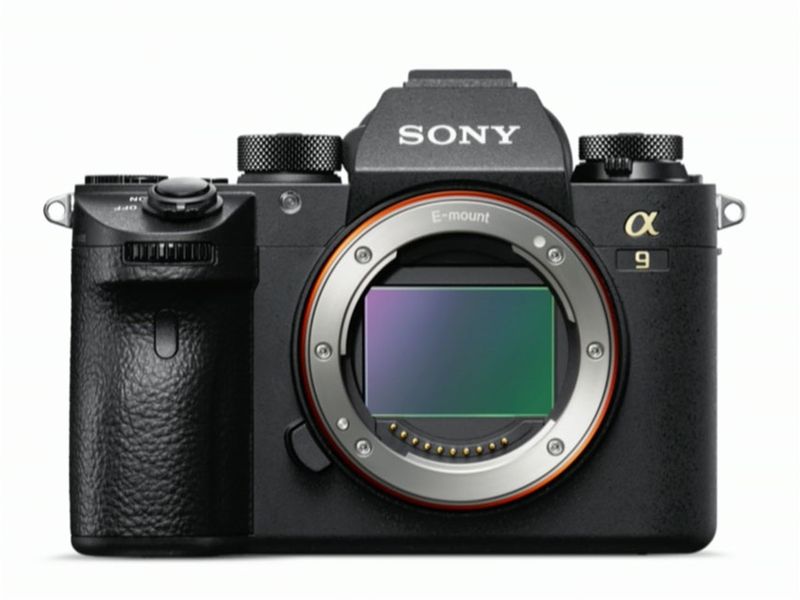
Built for professional sports photographers, this camera already impressed at launch. Firmware v5.0 introduced Real-time Tracking and other autofocus refinements that changed everything.
AI-powered subject tracking arrived, making the camera noticeably better at following unpredictable movement. Menu improvements also streamlined workflow for working pros.
A flagship body got even better handling and tracking after launch. Sony demonstrated that even top-tier cameras can evolve, keeping professionals competitive without forcing expensive upgrades constantly.
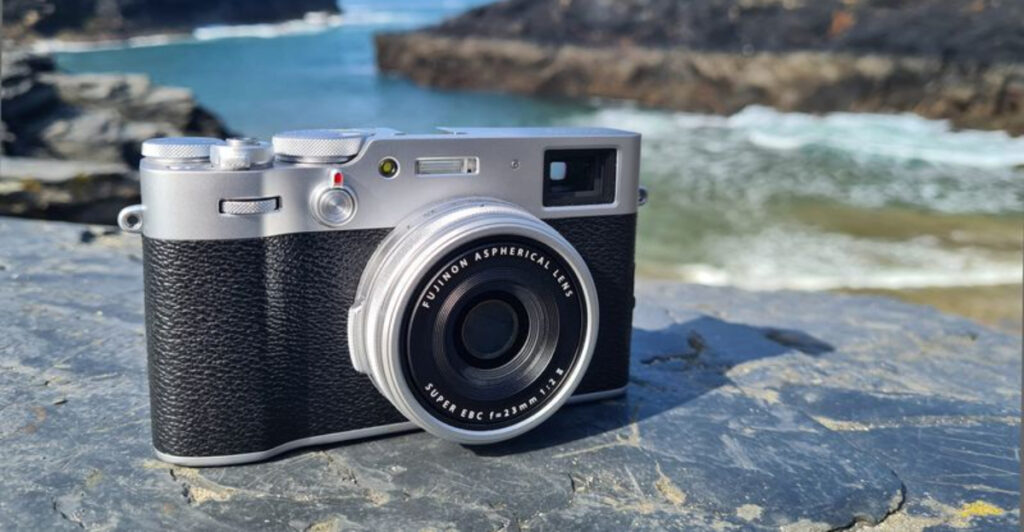
8. Fujifilm X100V: The Compact That Got Better for Video and Connectivity
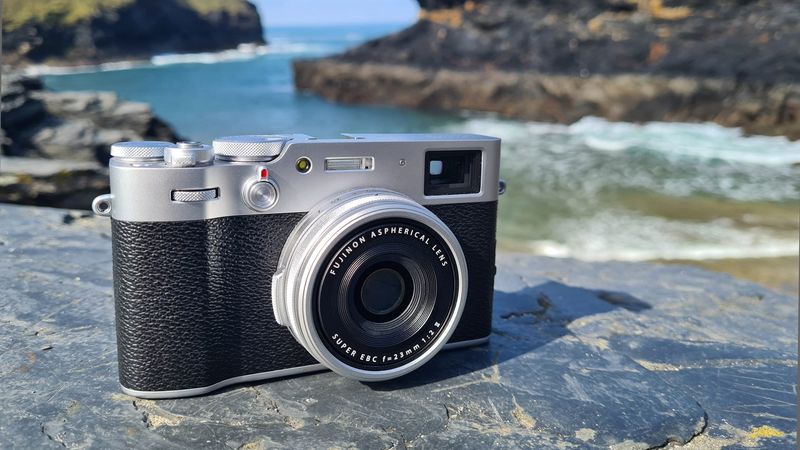
Street photographers loved this compact, then firmware v2.00 expanded its talents. FUJIFILM X Webcam support arrived, letting users apply beloved Film Simulations during streaming.
The built-in ND filter became usable in video mode, and other functional expansions improved real-world use. A camera designed for stills became surprisingly versatile for video and connectivity.
Owners discovered new creative possibilities without buying additional gear. Fujifilm proved that even compact cameras deserve meaningful updates that respond to changing user needs and workflows.
9. Ricoh GR III: Street Shooter Favorite, Improved Low-Light Focus Later
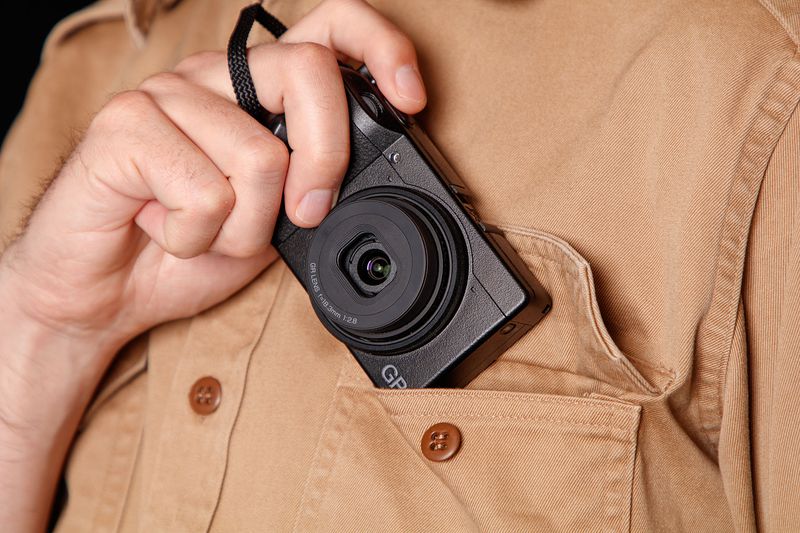
Street photographers carry this pocketable camera everywhere, but early versions struggled in dark alleys. Firmware updates improved usability and stability, then tackled the big issue.
A notable update improved autofocus in dark and low-contrast scenes, directly addressing a common pain point. Under-the-hood stability fixes made the camera more reliable overall.
Night shooting became far less frustrating for owners. Ricoh showed that even niche cameras deserve attention, especially when updates solve real problems photographers face on the streets daily.