Affiliate disclosure: As an Amazon Associate I earn from qualifying purchases. Learn more
Hitting the open road on your bike feels amazing, but having the right gear makes every ride safer and way more enjoyable. Whether you’re just starting out or you’ve been cycling for years, the right equipment protects you, boosts your performance, and keeps you comfortable mile after mile. From helmets that guard your head to shoes that power your pedals, each piece of gear plays an important role in making your cycling experience better.
1. Road Bike Helmet

Your brain is pretty important, so protecting it should be your number one priority when cycling. A quality road bike helmet absorbs impact during crashes and can literally save your life. Modern helmets combine safety with comfort, featuring lightweight designs and lots of air vents to keep your head cool.
Look for helmets that meet safety standards like CPSC or EN 1078 certification. The fit matters just as much as the protection, so try several sizes and adjust the straps until it sits snugly without wobbling. Many newer models include MIPS technology, which adds extra protection against rotational forces during angled impacts.
Replace your helmet every five years or immediately after any crash, even if it looks fine on the outside.
2. Padded Cycling Shorts
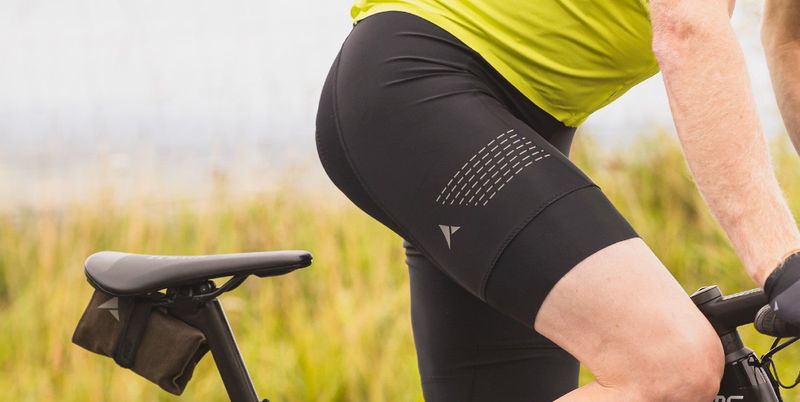
Nothing ruins a beautiful ride faster than saddle soreness. Padded cycling shorts, also called bibs, feature a special cushioned insert called a chamois that protects your sensitive areas from friction and pressure. The padding distributes your weight more evenly across the saddle and reduces chafing that can make sitting painful for days.
Here’s an important tip: never wear underwear beneath cycling shorts. The seams create friction points that cause exactly the problems the chamois is designed to prevent. The shorts are designed to be worn directly against your skin, and the moisture-wicking fabric keeps you dry and comfortable.
Wash your shorts after every single ride to prevent bacteria buildup that can cause infections and skin irritation.
3. Cycling Jersey with Pockets

Regular t-shirts might seem fine for cycling, but they get soaked with sweat and flap around in the wind like a parachute slowing you down. Cycling jerseys use special fabrics that pull moisture away from your skin so it can evaporate quickly. The snug fit reduces wind resistance, and the longer back keeps your lower back covered when you’re bent forward on the bike.
Those three pockets on the back aren’t just for looks. They’re perfectly positioned to carry snacks, your phone, tools, and extra layers without affecting your balance or pedaling. The items stay secure even on bumpy roads because your body weight holds them in place.
Bright colors and reflective elements help drivers see you from far away, especially in low-light conditions.
4. Cycling Shoes and Clipless Pedals
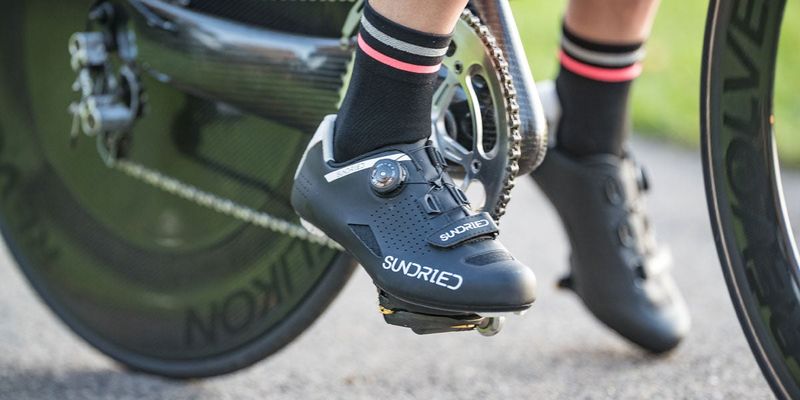
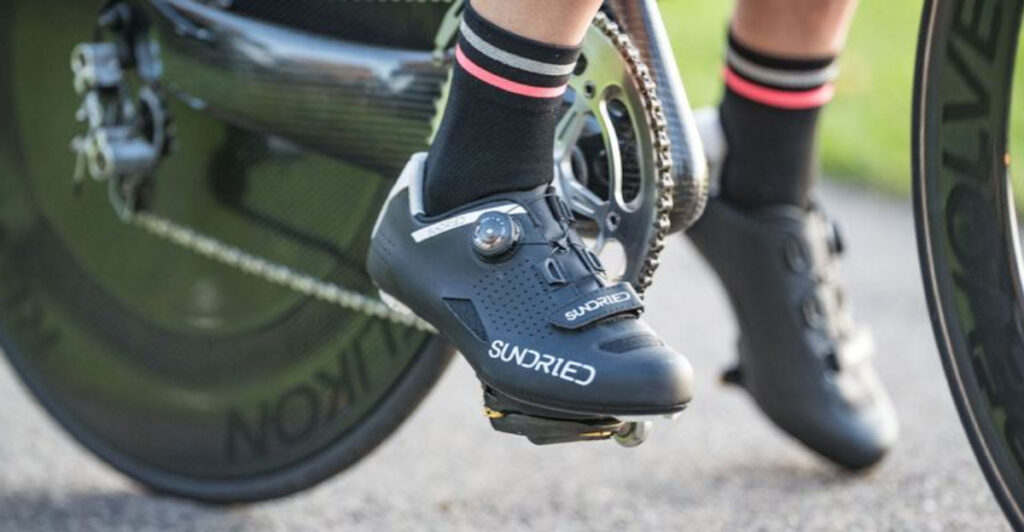
Ever wonder why serious cyclists have shoes that clip into their pedals? The answer is power and efficiency. Clipless systems (confusingly named because they actually clip in) let you pull up on the pedal stroke, not just push down. This means you’re using more muscles and wasting less energy with every rotation.
The learning curve can be intimidating at first. You’ll probably fall over at least once while learning to unclip at stops, and that’s totally normal. Start practicing in a grassy area or against a wall. Within a few rides, clipping in and out becomes second nature.
Choose shoes with stiff soles that transfer power directly to the pedals without flexing and losing energy along the way.
5. Cycling Gloves
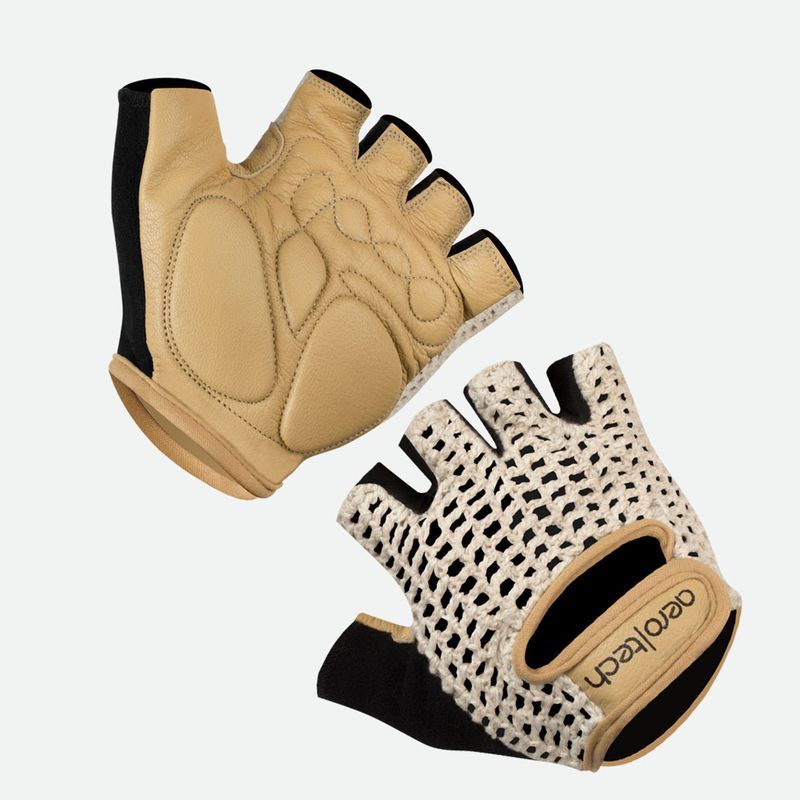
Your hands support a lot of your upper body weight while riding, and all that pressure can cause numbness and pain in your palms. Cycling gloves feature gel or foam padding in strategic spots that cushion the nerves running through your hands. This prevents that annoying tingling sensation that makes your fingers feel like they’re asleep.
Gloves also protect your palms if you fall. Road rash on your hands is particularly miserable because you use them for everything throughout the day. The extra grip they provide helps you maintain control of the handlebars, especially when your hands get sweaty.
Fingerless styles work great in warm weather, while full-finger gloves add warmth and protection during cooler rides or in early morning conditions.
6. Water Bottles and Cages
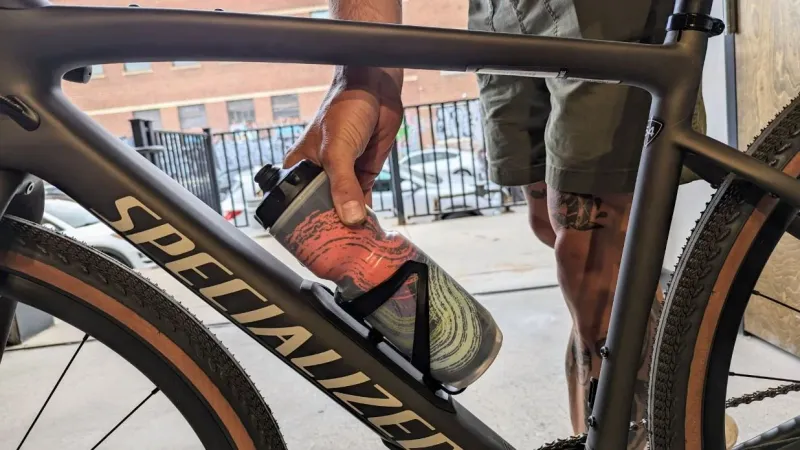
Dehydration sneaks up on you faster than you think, especially during long rides or hot weather. By the time you feel thirsty, you’re already behind on fluids. Proper hydration bottles designed for cycling have special nozzles you can open with your teeth and drink from without slowing down or taking your eyes off the road.
Most road bikes have mounting points for at least two bottle cages. Use both of them on longer rides because running out of water miles from home is miserable. The bottles fit snugly in the cages but still pull out easily with one hand while you’re riding.
Clean your bottles thoroughly after each ride to prevent mold and bacteria growth that can make you sick or create nasty tastes and odors.
7. Bike Lights Front and Rear
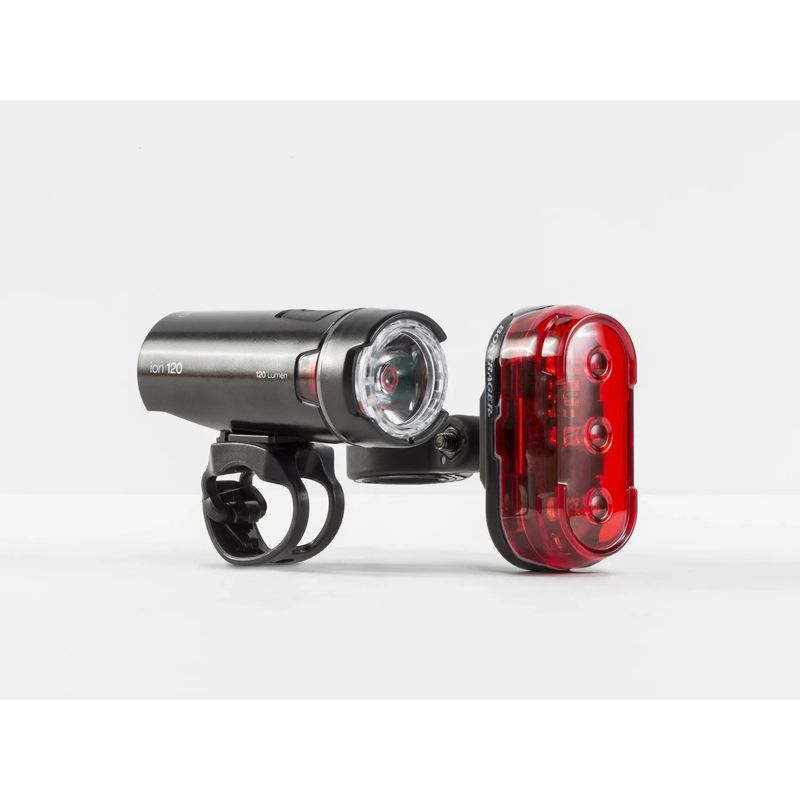
Visibility can mean the difference between a close call and a serious accident. Front lights illuminate the road ahead so you can spot potholes, debris, and other hazards in dim conditions. Rear lights make you visible to drivers approaching from behind, which is when you’re most vulnerable because they might not expect a cyclist on the road.
Even if you only plan to ride during daylight, always carry lights. Rides sometimes take longer than expected, or weather conditions can darken the sky unexpectedly. Flashing modes make you more noticeable during the day, while steady beams work better at night for seeing and being seen.
Rechargeable LED lights have become incredibly affordable and powerful, lasting for hours on a single charge while providing excellent brightness.
8. Multi-Tool and Tire Levers
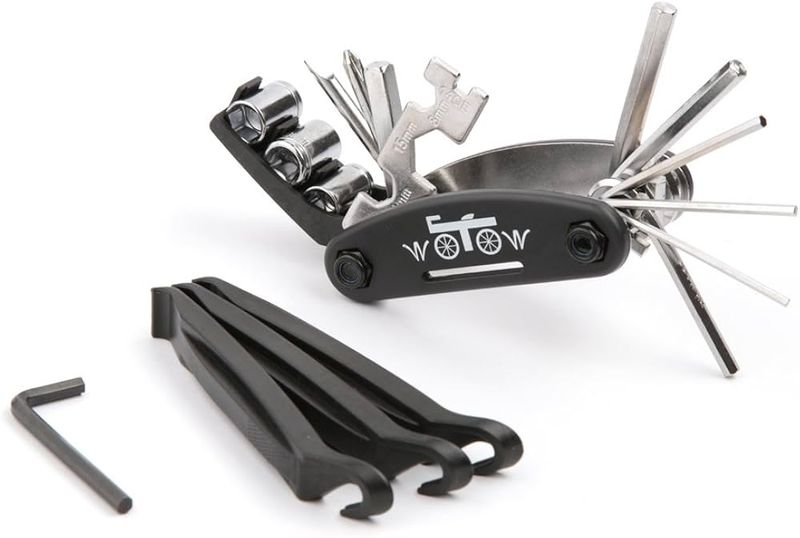
Mechanical problems happen at the worst possible times, usually miles from home when you’re tired and ready to be done. A compact multi-tool contains all the hex keys, screwdrivers, and wrenches you need to make roadside adjustments and repairs. You can tighten loose bolts, adjust your seat height, or fix a slipped brake without calling for a rescue.
Tire levers are essential for removing your tire from the rim when you get a flat. Trying to do this with just your hands is nearly impossible and will leave you frustrated. These simple plastic tools hook under the tire bead and pop it off the rim easily.
Keep your multi-tool in your jersey pocket or saddlebag so it’s always with you, not sitting uselessly at home when you need it most.
9. Spare Tubes and Pump or CO2
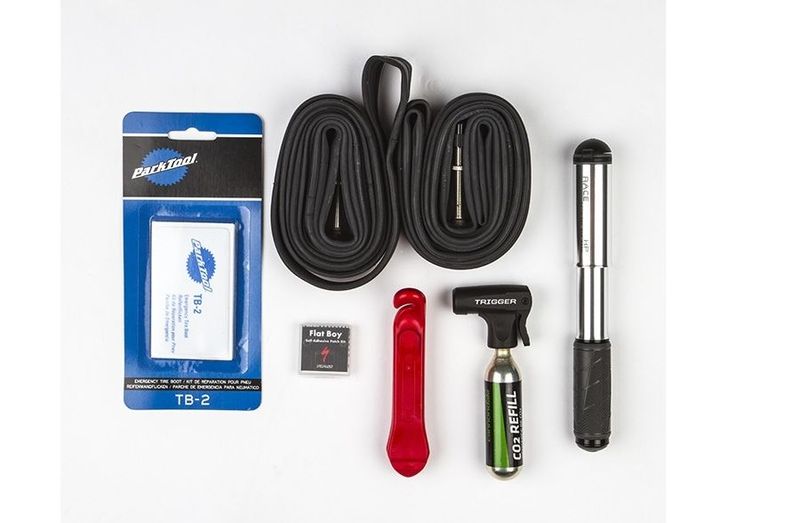
Flat tires are the most common mechanical problem cyclists face, and knowing how to fix them is an essential skill. Carrying at least one spare tube means you can swap out the punctured tube and get back on the road in just a few minutes. Trying to patch a tube on the roadside takes much longer and doesn’t always work reliably.
You’ll also need a way to inflate that new tube. Mini pumps are reliable and work repeatedly, but they require lots of effort and time. CO2 inflators are tiny and fill a tire in seconds, but you can only use them once per cartridge. Many experienced cyclists carry both options for maximum flexibility.
Practice changing a flat at home before you’re stranded on a dark road trying to figure it out under pressure and frustration.
10. Saddle Bag or Storage Pouch
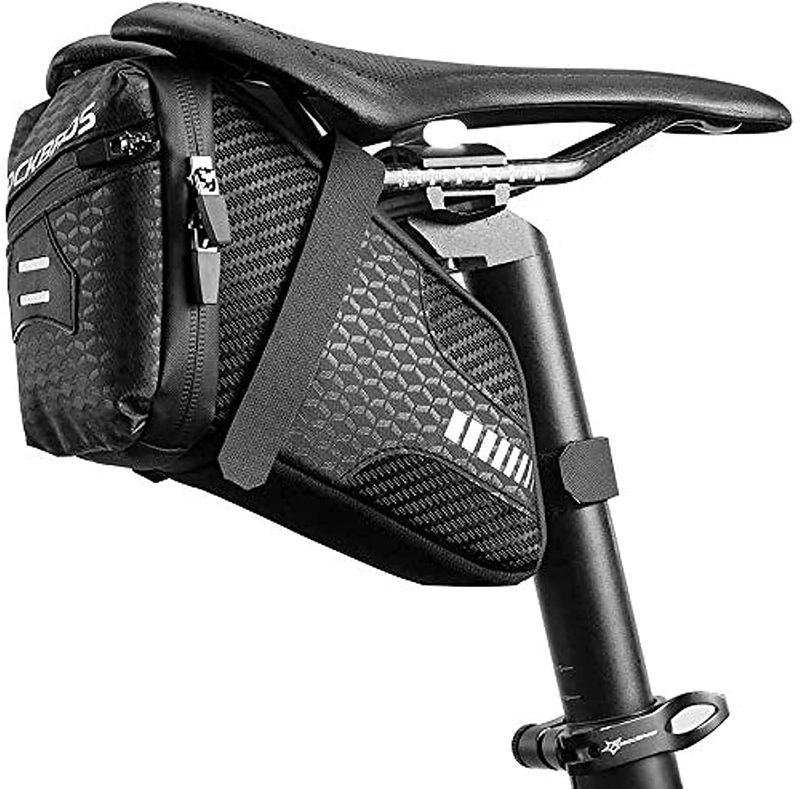
Where do you put all those essential tools, tubes, and supplies while you’re riding? A saddle bag mounts neatly under your seat and holds everything without bouncing around or affecting your pedaling. The best designs are weatherproof to protect your gear from rain and road spray, with easy-open closures you can operate even with gloves on.
Size matters when choosing a saddle bag. Too small and you can’t fit your essentials. Too large and it bounces annoyingly or rubs against your thighs. Most cyclists find that a medium-sized bag perfectly holds tubes, tools, tire levers, and a few other small items without being bulky.
Some riders prefer frame bags or top tube bags instead, which offer easier access to items like snacks or your phone during rides.
11. Cycling Sunglasses
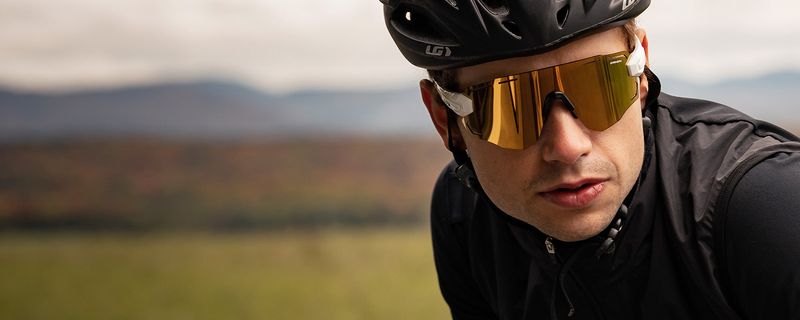
Squinting into bright sunlight for hours causes eye strain and headaches that ruin your ride. Quality cycling sunglasses block harmful UV rays while reducing glare that makes it hard to see road hazards. The wraparound design protects your eyes from wind that causes them to water and dry out, plus they shield you from flying bugs, dust, and debris kicked up by passing vehicles.
Look for shatterproof lenses that won’t break into dangerous shards if you crash or a rock hits them. Many models include interchangeable lenses in different tints for various light conditions. Clear or yellow lenses work great for overcast days and dawn or dusk rides when you still need eye protection.
The right fit keeps glasses secure without bouncing or sliding down your sweaty nose during intense efforts or rough terrain.
12. Heart Rate Monitor or Cycling Computer
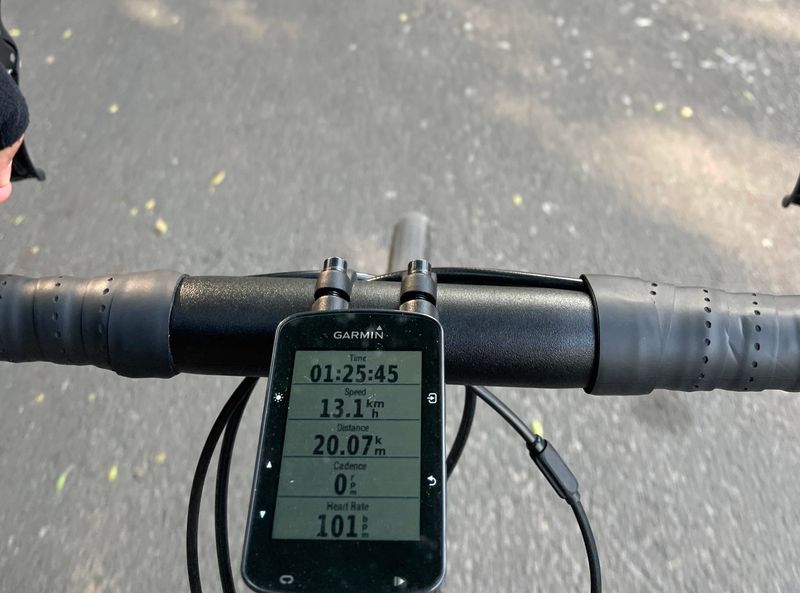
Tracking your performance helps you improve faster and train more effectively. A basic cycling computer shows your speed, distance, and ride time, giving you goals to chase and progress to celebrate. More advanced models include GPS for route tracking and navigation, plus they can pair with heart rate monitors to show how hard you’re working.
Heart rate training helps you exercise at the right intensity for your goals. Going too hard all the time leads to burnout and fatigue, while staying too easy won’t build your fitness. Monitoring your heart rate teaches you to pace yourself properly on long rides and push harder during training intervals.
Many cyclists now use smartphone apps instead of dedicated computers, but handlebar-mounted displays are easier to read while riding without dangerous distractions.
13. Cycling Jacket or Vest
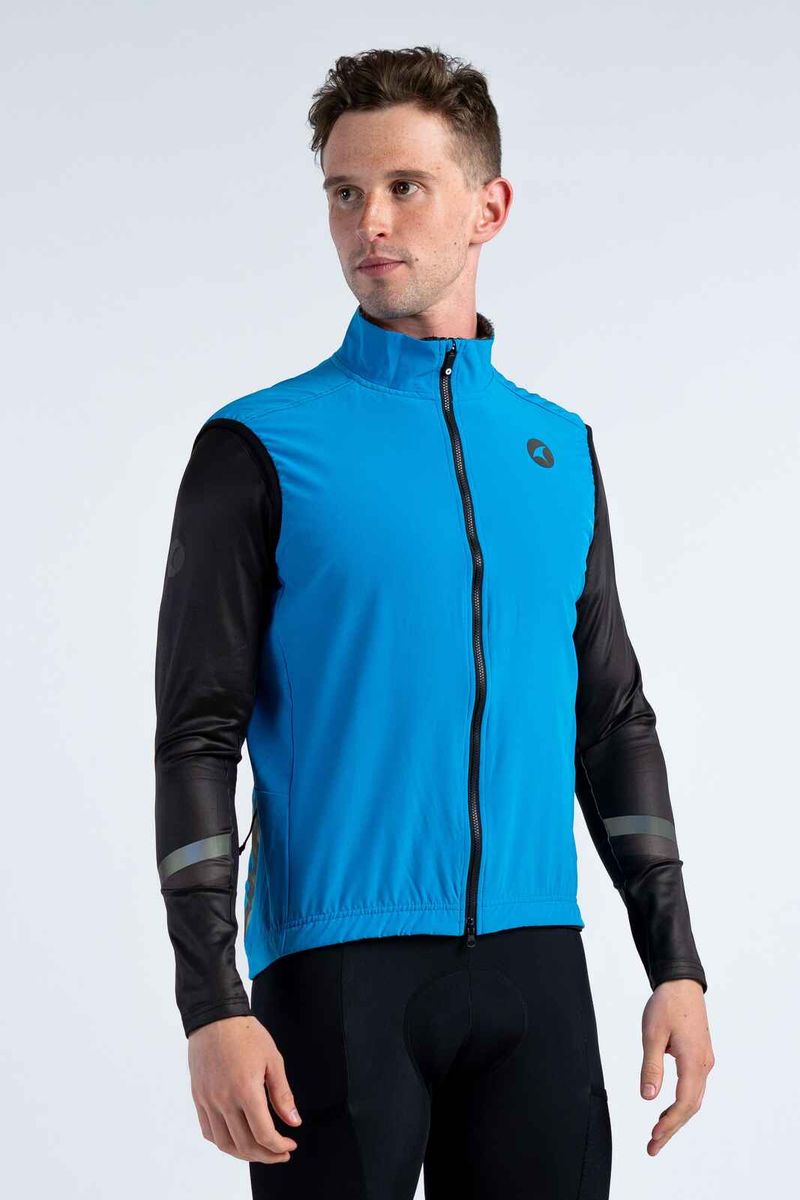
Weather changes quickly, and getting caught in rain or unexpected cold can turn a fun ride into a miserable ordeal. A lightweight cycling jacket packs small enough to stuff in your jersey pocket but provides crucial protection when conditions deteriorate. Wind-resistant fabrics block chilling breezes that sap your body heat, especially on long descents when you’re not generating warmth through effort.
Vests offer a perfect middle ground between full jackets and nothing at all. They protect your core from wind and light rain while leaving your arms free to move and regulate temperature. The extra visibility from bright colors and reflective strips helps drivers spot you in poor weather when visibility drops.
Choose jackets with vents or breathable panels that prevent you from overheating and getting soaked with sweat from the inside while staying dry outside.