
Affiliate disclosure: As an Amazon Associate I earn from qualifying purchases. Learn more
Stepping onto a trail can feel like freedom, but being unprepared can turn that adventure into a stressful ordeal. Whether you are tackling a short loop near home or heading into the backcountry for the day, having the right gear makes all the difference. Smart hikers know that a few well-chosen essentials keep you safe, comfortable, and ready for whatever the trail throws your way.
1. Proper Footwear (Hiking Shoes or Boots)

Your feet carry you through every mile, so giving them the right support is non-negotiable. A secure fit with wiggle room for your toes prevents painful blisters and black toenails on long descents. Good tread with deep lugs grips loose dirt, wet rocks, and muddy slopes far better than sneakers ever could.
Match your uppers to the weather you expect. Mesh panels breathe well on hot, dry days, while leather or waterproof membranes keep your feet dry when rain or stream crossings are part of the plan.
Break in new boots at home by wearing them around the house and on short walks. Pair them with wool or synthetic hiking socks that wick moisture away, because cotton holds sweat and invites blisters when things get damp.
2. Moisture-Wicking Base Layers (Avoid Cotton)

Ever noticed how a soaked cotton tee clings to your back and leaves you shivering? That is exactly what you want to avoid on the trail. Synthetic fabrics and merino wool pull sweat off your skin, keeping you warm when temperatures drop and cool when the sun beats down.
Cotton absorbs moisture like a sponge and refuses to let go. Once it gets wet from sweat or rain, it stays cold against your body, draining your warmth and energy.
Base layers made from technical materials dry quickly and regulate your temperature throughout the hike. Whether you are climbing a steep switchback or pausing for lunch in the shade, these fabrics adapt to your activity level and keep you comfortable mile after mile.
3. Weatherproof Shell (Rain Jacket)

Mountain weather changes fast, and a sunny morning can turn into a downpour by noon. A fully seam-taped rain jacket with a hood keeps you dry when the skies open up, and breathable waterproof laminates let moisture escape so you do not end up soaked from the inside out.
Pit zips are your best friend during aerobic climbs. They let you dump heat without taking off the whole jacket, which is a game-changer when you are moving hard in the rain.
For light showers or wind, a simple wind shell might be enough. But if you hike in places where sustained rain is common, invest in a dedicated rain jacket that will not let you down when conditions get rough.
4. Insulating Mid-Layer

Once you stop moving, your body heat drops fast, especially on windy ridges or shaded rest breaks. An insulating mid-layer traps warmth close to your core, keeping you comfortable when you pause to snack or take in the view.
Fleece works reliably even when damp, making it a solid choice for unpredictable conditions. Synthetic puffy jackets retain warmth when wet better than down, while down offers the best warmth-to-weight ratio in dry, cold environments.
Pick your insulation based on the season and forecast. A lightweight fleece might be perfect for spring hikes, while a down jacket becomes essential once fall temperatures arrive and morning starts feel truly chilly.
5. Trail-Sized Backpack/Daypack (15–30 L)

Carrying everything in your hands or stuffed into a tiny school bag is a recipe for sore shoulders and dropped gear. A proper daypack in the 15 to 30 liter range holds your layers, snacks, water, and safety items without feeling like a burden.
Comfortable shoulder straps and a real hip belt shift weight from your shoulders to your hips, which are much stronger and better designed to carry load. Exterior pockets let you grab water or a granola bar without unpacking everything.
Look for a ventilated back panel if you hike in warm weather. It creates airflow between your back and the pack, cutting down on that sweaty patch that soaks your shirt on long climbs.
6. Hydration System + Water Treatment

Running out of water on a hot trail is miserable and dangerous. Plan on roughly half a liter per hour in moderate conditions, and more when heat or altitude cranks up your thirst.
Water bottles are simple, tough, and easy to refill. Hydration bladders with a hose let you sip without stopping, which keeps you drinking more consistently throughout the day.
Carry a compact purifier, filter, or chemical tablets so you can safely treat water from streams and lakes. Natural sources look clean but can harbor bacteria and parasites that will ruin your trip, so always treat before you drink.
7. Navigation (Redundancy = Safety)

Getting lost turns a fun hike into a scary situation fast. A paper map and a small baseplate compass are your insurance policy, and knowing the basics of how to use them can get you back on track when technology fails.
Your phone GPS or a dedicated GPS unit is convenient and accurate, but batteries die and signals vanish in canyons and thick forest. Download offline maps before you leave home, and keep your phone in airplane mode to stretch battery life.
Redundancy equals safety. Carry both paper and digital navigation, and practice reading terrain features so you can match what you see on the ground to what is on your map.
8. Sun Protection

A day in the sun feels great until you realize you are lobster-red and nursing a pounding headache. Broad-spectrum sunscreen with SPF 30 or higher shields your skin from harmful UV rays, and lip balm with SPF keeps your lips from cracking and burning.
UV-blocking sunglasses protect your eyes from glare and long-term damage, while a brimmed hat shades your face and neck. Both are especially important above treeline where there is no shade to hide under.
In snow or high-alpine environments, UV exposure intensifies dramatically. Consider UPF clothing that blocks sun at the fabric level, and upgrade to glacier-rated shades if you are hiking on snow or ice.
9. Headlamp (Hands-Free Light)

Trails take longer than you expect, and sunset arrives faster than you planned. A headlamp keeps both hands free for scrambling, setting up camp, or digging through your pack after dark, which is far safer than juggling your phone flashlight.
A compact model in the 200-lumen range provides plenty of light for walking trails and working around camp. Most modern headlamps offer multiple brightness settings, letting you conserve battery when you only need a gentle glow.
Pack spare batteries if your headlamp uses disposables, or make sure it is fully charged if it is rechargeable. Running out of light in the backcountry is no joke, so treat your headlamp like the essential it truly is.
10. First-Aid Kit (Include Blister Care)

Accidents happen, and being ready to handle cuts, scrapes, and blisters can keep a minor issue from ending your trip. Tailor your kit to the size of your group and the length of your hike, but always cover the basics.
Essentials include assorted bandages, sterile gauze, medical tape, wound cleanser, pain relievers, antihistamines, tweezers, and blister treatment like moleskin or hydrocolloid patches. Add any personal medications you might need in an emergency.
Blisters are the most common trail injury, and catching them early with proper treatment can save you from limping out. Check your feet during breaks, and do not wait until a hot spot becomes a painful open blister.
11. Multi-Tool or Knife + Repair Tape

Gear breaks at the worst possible moments. A broken buckle, a torn strap, or a snapped trekking-pole basket can turn into a real problem if you cannot make a quick fix on the trail.
A small knife or multi-tool gives you cutting power and basic tools for repairs, adjustments, and emergency situations. Pair it with a flat roll of duct tape or Tenacious Tape, which sticks to fabric, plastic, and metal even in damp conditions.
These simple items weigh almost nothing and take up minimal space, but they can save your day when a piece of gear fails miles from the trailhead. Smart hikers always carry the tools to fix what breaks.
12. Trekking Poles (Adjustable)

Trekking poles might look optional, but once you use them, you will wonder how you ever hiked without them. They improve your balance on uneven ground, help you power up steep climbs, and reduce knee strain on long descents.
Adjustable shafts let you shorten the poles for uphill sections and lengthen them for downhill stretches, keeping your posture efficient and comfortable. Secure flick-locks hold the adjustment in place without slipping mid-stride.
Baskets swap out depending on terrain. Small baskets work fine on packed dirt, while larger ones prevent the poles from sinking into mud or snow. Carrying poles adds versatility and saves your joints over thousands of steps.
13. Emergency Shelter

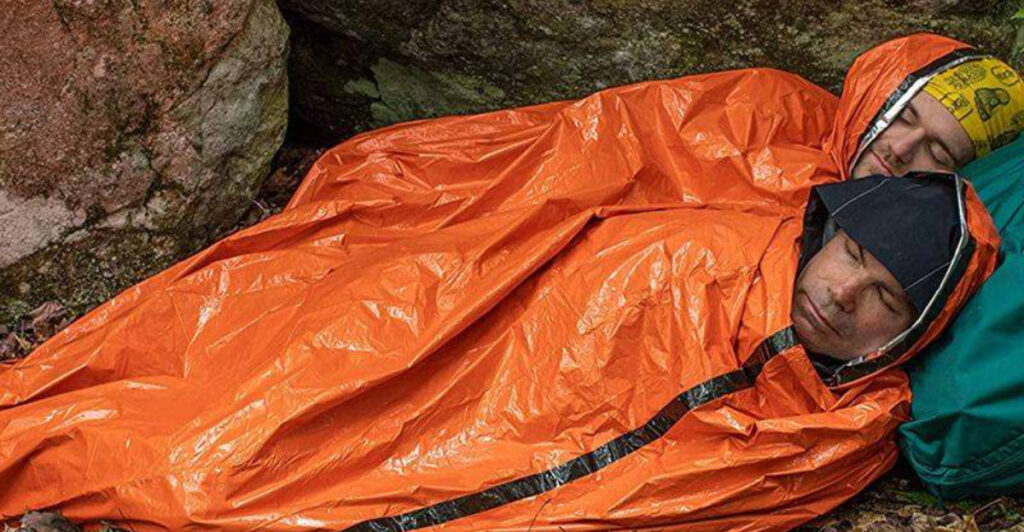
Hoping you will never need emergency shelter is not a plan. A compact space blanket, bivy sack, or ultralight tarp weighs almost nothing but creates a vital barrier against wind and rain if you get stuck out longer than expected.
Weather can shift without warning, trails can become impassable, and injuries can slow you down. Having a shelter option means you can wait out a storm or spend an unplanned night in relative safety and comfort.
These items fold down small enough to tuck into a corner of your pack, and you will barely notice the weight. But when conditions turn harsh, that little piece of gear can be the difference between a tough night and a dangerous one.
14. Trail Food & Electrolytes

Your body burns serious calories on the trail, and running low on fuel makes every step feel harder. Calorie-dense snacks like nuts, energy bars, tortillas, jerky, and dried fruit keep your energy steady without weighing down your pack.
Target a steady trickle of carbs throughout the day instead of waiting until you are starving. Small, frequent snacks maintain your blood sugar and keep your mood and focus sharp.
Electrolytes matter, especially in heat or at altitude where you sweat more and breathe harder. Add electrolyte drink mixes or tablets to your water to replace the salts you lose, preventing cramps and headaches that can derail your hike.
15. Fire & Signal

Fire can warm you, dry your gear, and signal rescuers if you get stuck. Carry a windproof lighter or waterproof matches in a small dry bag so they work when you need them most, even in wet or windy conditions.
A whistle is louder and carries farther than your voice, and three sharp blasts is the universal distress signal. Clip one to your pack strap so it is always within reach.
In open country, a tiny signal mirror can catch the attention of search aircraft or distant hikers. In cold or wet regions, pack a few reliable fire starters like cotton balls soaked in petroleum jelly to help you get a flame going fast.