
Affiliate disclosure: As an Amazon Associate I earn from qualifying purchases. Learn more
Choosing the right hiking shoe material can make or break your trip. From blister-free comfort to storm-proof confidence, the fabrics underfoot decide how far and how happily you travel. This 2025 guide breaks down leather, mesh, and GORE-TEX with clear takeaways for every climate and terrain. Read on to match your hiking goals with the perfect build and avoid costly mistakes.
1. Full-Grain Leather Is the Most Durable Material

Full-grain leather remains the durability champion for demanding trails and loaded backpacking. Its thick, dense fibers resist cuts, scuffs, and abrasion on scree and granite, offering structure and long-term support. Expect a notable break-in period and a heavier feel compared with synthetics, but also better protection and edge-hold. It excels in rugged regions where gear takes a beating. Care matters: clean after muddy days and condition periodically to prevent drying or cracking. If you prioritize longevity, stability, and resilience over weight savings, full-grain leather is your best bet for harsh terrain and multi-day outings.
2. Nubuck Leather Offers Durability with More Flexibility

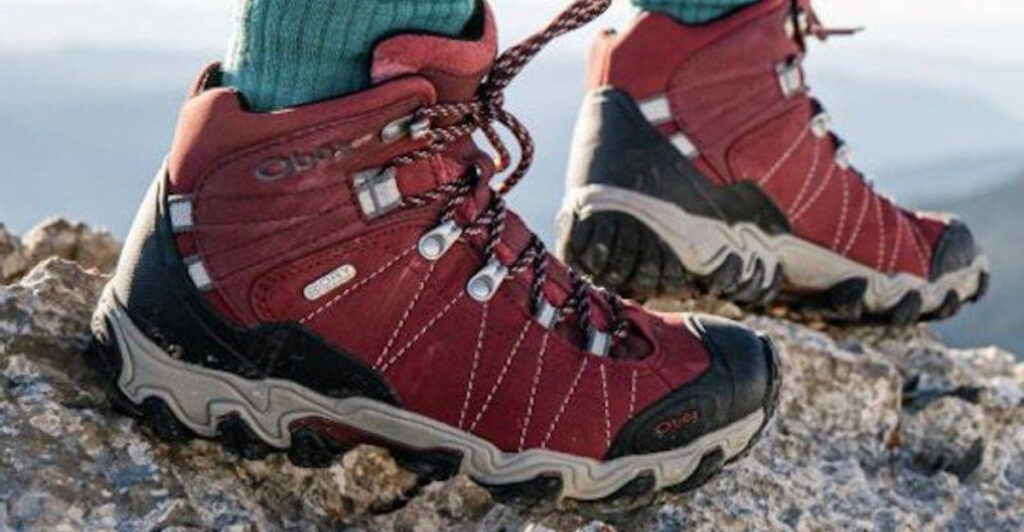
Nubuck is full-grain leather that is lightly buffed for a velvety feel, combining toughness with enhanced flexibility. It softens the stiffness of traditional leather, improving comfort and reducing break-in time. The brushed surface still resists abrasion well, making it a great middle ground for hikers who value durability without a brick-like feel. Nubuck often pairs nicely with supportive midsoles for stability. It does require regular cleaning and waterproofing to maintain appearance and performance. Expect long-lasting wear with better step-to-step comfort than classic full-grain, particularly for hikers navigating mixed trails and moderate backpacking loads.
3. Split Leather Is More Affordable but Less Durable

Split leather combines thinner leather layers with synthetic textiles to cut weight and cost while improving breathability. This hybrid build feels lighter underfoot and dries faster than full-grain options, appealing to casual hikers and budget-conscious buyers. However, the trade-off is reduced abrasion resistance and a shorter lifespan when abused on sharp rock or talus. Expect adequate durability on maintained trails and light backpacking, but quicker wear in harsh use. Regular cleaning helps, and reinforcing high-wear areas can extend life. Choose split leather if you want a value-forward shoe that balances comfort, airflow, and reasonable performance.
4. Mesh Uppers Maximize Breathability

Mesh uppers excel at ventilation, letting hot air and moisture escape quickly to keep feet cooler on warm hikes. They feel airy, dry faster after creek crossings, and pair well with lightweight socks. The drawback is lower abrasion resistance, so repeated contact with sharp rocks or thorny brush can cause snags or tears. Consider models with welded overlays or protective rands for added durability. Mesh shines on summer day hikes, fastpacking, and travel where comfort and quick drying matter most. If you hike hot, choose breathable mesh and embrace a lighter, cooler, more agile experience.
5. Synthetic Uppers Are Lightweight

Synthetic textiles such as nylon and polyester deliver low weight, quick drying, and consistent performance with minimal break-in. They often come with welded seams for reduced hotspots and better flexibility. These uppers shed water faster than leather and handle travel abuse well, packing easily and maintaining shape. The compromise is typically shorter lifespan under relentless abrasion, especially on rocky routes. For day hikers, travelers, and fast movers, synthetics strike a sweet balance of comfort and convenience. Pair with reliable outsole rubber and supportive midsoles to offset reduced upper durability when your itinerary includes mixed trails and variable terrain.
6. GORE-TEX Provides Waterproofing While Allowing Vapor Release

GORE-TEX membranes create a barrier that blocks outside water while allowing sweat vapor to escape, keeping feet drier in rain, snow, and slush. In cooler, wet climates, this balance of protection and breathability shines. However, in hot and humid conditions, waterproof liners can feel warm and might slow drying once soaked. Choose GORE-TEX for shoulder seasons, alpine trips, and rainy regions where weather protection matters. Maintain by cleaning gently and restoring DWR on outer fabrics for best performance. Remember that socks and ventilation strategies also influence how comfortable waterproof footwear feels over long miles.
7. Non-Waterproof Shoes Are Better for Dry and Hot Climates

In dry, hot, or tropical environments, non-waterproof shoes breathe freely and dump heat, keeping sweat from pooling. Mesh-rich uppers move moisture quickly and dry fast after unexpected splashes. This approach helps prevent maceration, blisters, and the clammy feel of trapped humidity. While you sacrifice rain protection, you gain comfort and lower weight, which adds up over long days. Consider pairing with quick-dry socks and foot powder for optimal moisture control. If storms roll in, use light gaiters or packable oversocks. For desert hikes and summer trails, non-waterproof designs often outperform sealed options.
8. Vibram Outsoles Are Known for Traction and Durability

Vibram outsoles are trusted for grippy compounds, sturdy lugs, and consistent performance across rock, roots, and loose gravel. Many models use specialized rubber blends that balance wet traction with long wear life. Look for lug patterns matched to your terrain, from multidirectional bites for mixed trails to edging-friendly shapes for rocky scrambles. Vibram’s broad ecosystem means you can find soles tuned for speed hiking or heavy backpacking. While outsole compound is only one piece of the puzzle, it can transform confidence on sketchy surfaces. Replace worn shoes before lugs round off and grip diminishes significantly.
9. EVA Midsoles Provide Soft Cushioning

EVA foam midsoles deliver lightweight cushioning that feels plush underfoot, absorbing impact during long days. This softness helps reduce fatigue on maintained trails and is popular for day hikes and ultralight setups. The downside is compression set over time, which can reduce support and ride height. Rotating pairs or choosing denser EVA blends can slow that process. If you prioritize comfort and speed, EVA is hard to beat. Pair with a supportive footbed and stable outsole for a balanced ride, especially if you carry modest loads and hike primarily on moderate terrain.
10. PU Midsoles Last Longer but Feel Firmer

Polyurethane midsoles offer excellent durability, support, and resistance to compression, making them ideal for heavy packs and long, steep routes. They feel firmer than EVA, especially out of the box, but maintain structure far longer. This translates to better foot protection on rocky ground and more consistent performance over months of use. The trade-off is extra weight and a slightly less lively ride. If you value stability, edging, and longevity, PU is a smart choice. Consider hybrid constructions that blend PU with softer foams to balance comfort and endurance on demanding multi-day trips.
11. Rubber Toe Caps Protect Against Rocks

Rubber toe caps act like bumpers, shielding the front of your shoe from stubs and scrapes on rocky, uneven trails. They also protect the upper material from premature wear and add structure for confidence during scrambles. For backpackers and hikers who kick steps or edge on talus, a reinforced toe makes a noticeable difference in longevity. Look for wraps that extend slightly upward for better coverage. While they add minor weight, the trade for durability is worthwhile. Combine with solid lacing and snug fit to minimize toe bang on steep descents and rough approaches.
12. Heel Counters Improve Stability and Reduce Blisters

A firm heel counter locks your rearfoot in place, reducing internal slippage that causes friction and blisters. This structure stabilizes the ankle during side-hill traverses and keeps alignment consistent on descents. Look for a secure heel pocket, padded collars, and precise lacing to optimize hold. When combined with the right sock thickness, heel counters dramatically improve comfort over long mileage. They also enhance efficiency by minimizing wasted motion and hotspots. If you struggle with heel lift, prioritize models with pronounced counters and test fit on an incline to confirm secure, comfortable containment.