
Affiliate disclosure: As an Amazon Associate I earn from qualifying purchases. Learn more
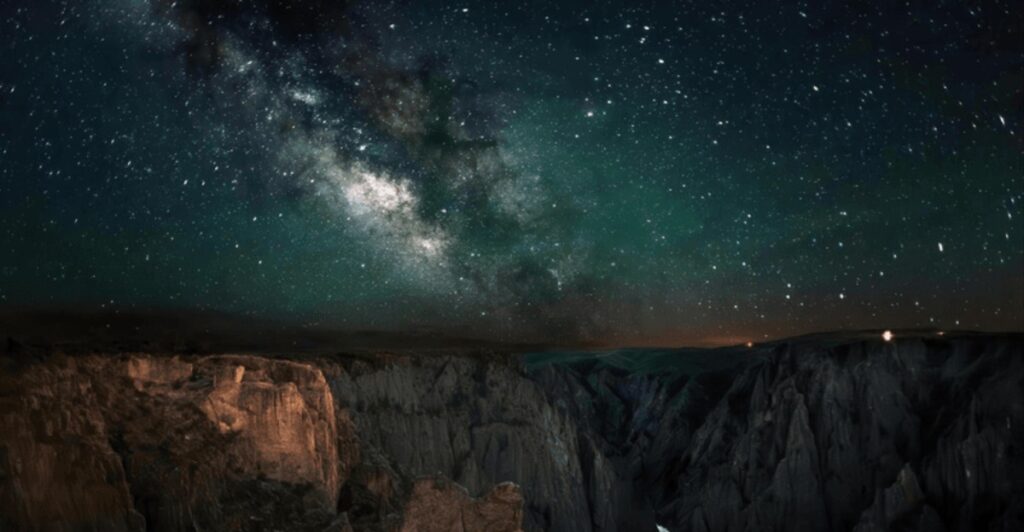
Arizona is famous for its sunshine, but the real magic happens after the sun clocks out. Once the crisp autumn air rolls in and the summer haze clears, some corners of the state go so dark that the full Milky Way stretches right overhead.
You do not need a telescope or a science degree to enjoy it, just a clear night and a spot far from city lights. Here are seven Arizona places where the stars really put on a show when the weather turns cool.
1. Chiricahua National Monument, Willcox, AZ
Nicknamed the Wonderland of Rocks, this nearly 12,000-acre monument in southeastern Arizona is packed with towering volcanic rock formations that date back about 25 million years. By day you can wander well-marked hiking trails through the pinnacles.
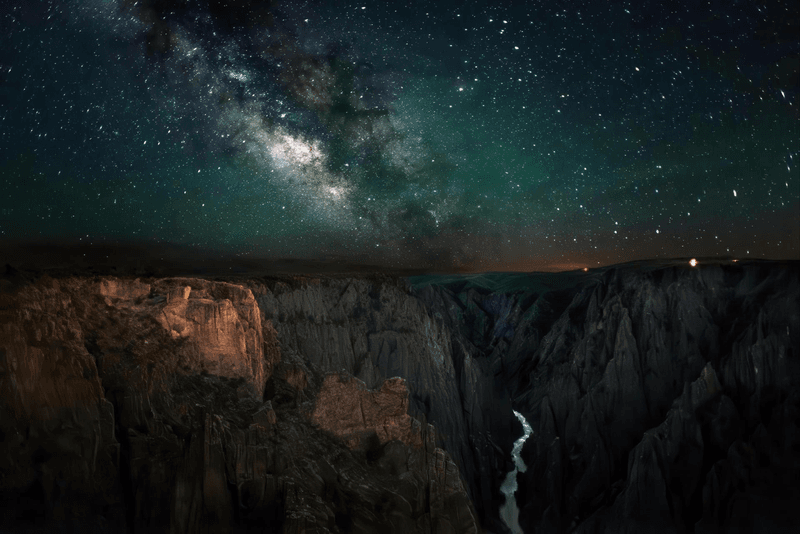
By night the whole place turns into one of the darkest skies in the state.
The remote location near the small town of Willcox keeps light pollution far away, which is exactly why stargazers make the trip. Midnight star viewing here is a genuine reason to pack the car and drive out.
The land carries deep history too, having been home to the Chiricahua Apache for centuries. Picnic tables, barbecue grills, and public restrooms make it easy to settle in for the day and stay through the evening.
Dogs are welcome, kids get kid-friendly hikes, and parking is available with both free and paid options.
2. Grand Canyon National Park
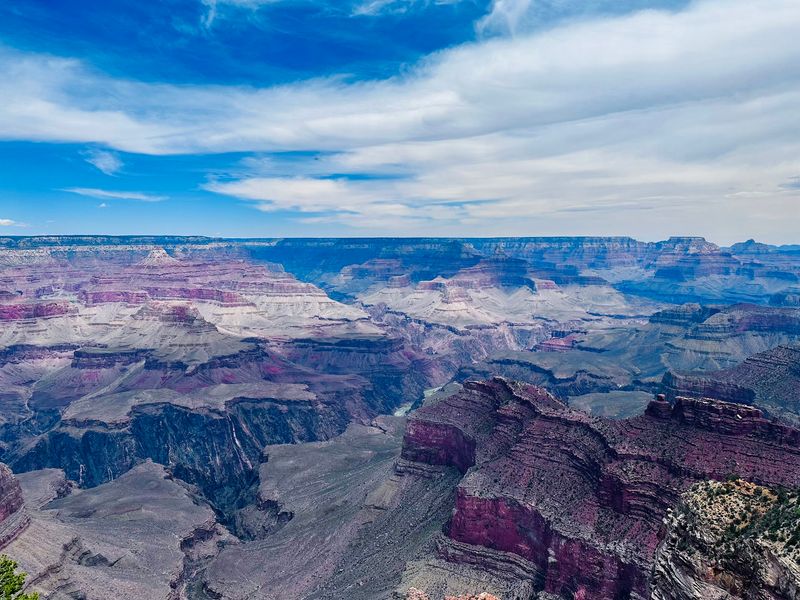
Everyone comes for the daytime views, but the Grand Canyon hides a second act after dark. Along the South and North Rims in northern Arizona, the park boasts some of the darkest skies in the American Southwest.
On a clear, moonless night, the Milky Way spills across the sky in a way that is hard to describe until you see it yourself. If you already plan to catch the sunset from an overlook, the smart move is to linger a little longer and let your eyes adjust.
The park is open 24 hours, so late-night stargazing fits right into the routine. Picnic tables, restrooms, and plenty of parking make it comfortable, and kid-friendly hikes mean the whole family can join.
Autumn crowds thin out compared to summer, which makes finding a quiet stretch of rim that much easier.
3. Lowell Observatory, Flagstaff, AZ
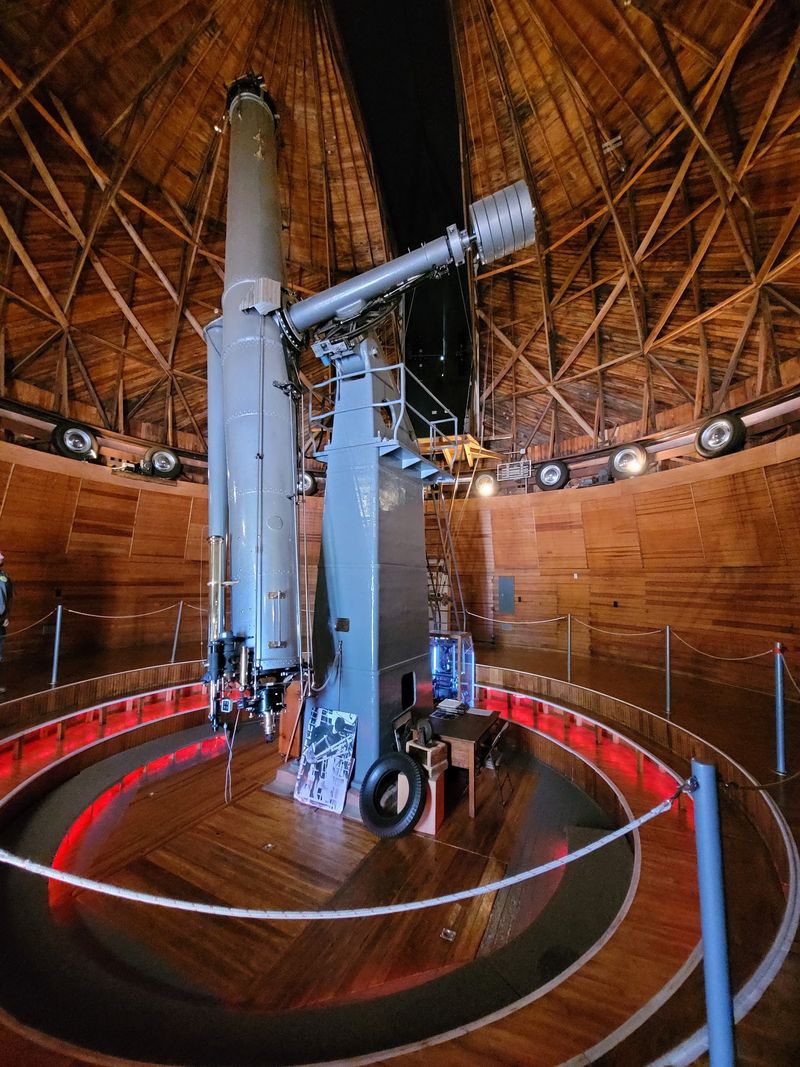
Founded back in 1894, Lowell Observatory sits on a hilltop in Flagstaff and has been pointing telescopes at the sky longer than most Arizona towns have existed. The high elevation gives it a clear window to the cosmos, and the setting is as much a part of the visit as the stars.
Through the historic Clark Telescope, guests can view Saturn and its moons, and constellation tours help you make sense of what you are looking at overhead. Educators lead the programs, so you get real explanation rather than just a peek and a shrug.
Beyond the giant telescopes, there are solar viewing sessions and historic stargazing artifacts to explore. It is open most days from noon to 10 PM, closed Tuesdays, and buying tickets ahead of time is recommended.
With discounts for kids and free parking on site, it is an easy pick for a family stargazing night.
4. Oracle State Park, Oracle, AZ
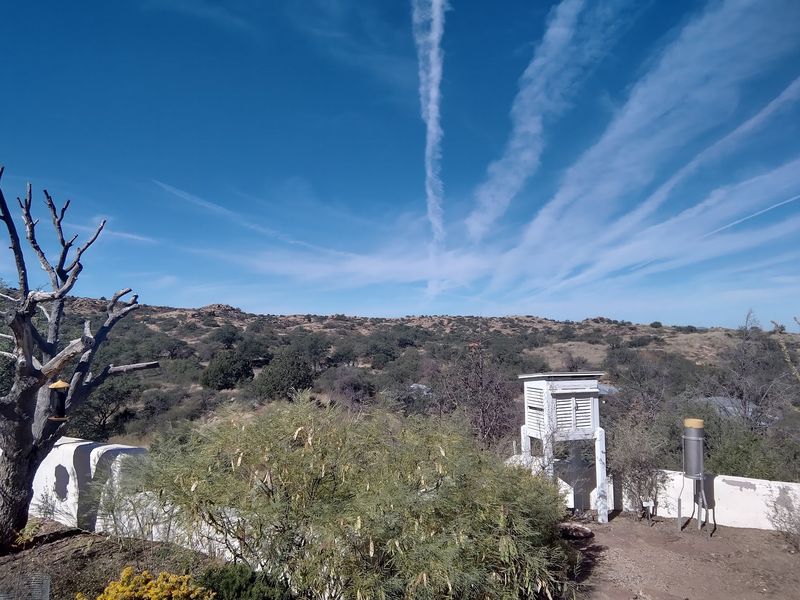
Officially designated an International Dark Sky Park, Oracle State Park makes stargazing its whole personality. Sitting in the desert foothills near the small town of Oracle in Pinal County, it offers views of the Santa Catalina and Galiuro mountains by day and a jaw-dropping star show by night.
More than 15 miles of trails wind through a mix of forest and desert terrain, so there is plenty to do before sundown. A historic ranch house and a visitor center with a small gift shop round out the visit.
The lack of light pollution here is the real draw, and the park is known for night photography classes and evening programs where telescopes get set up for the crowd. Even without gear, lying back and looking up is enough.
Picnic tables, barbecue grills, restrooms, and kid-friendly hikes make it a solid family outing, and dogs are allowed too.
5. Kitt Peak National Observatory
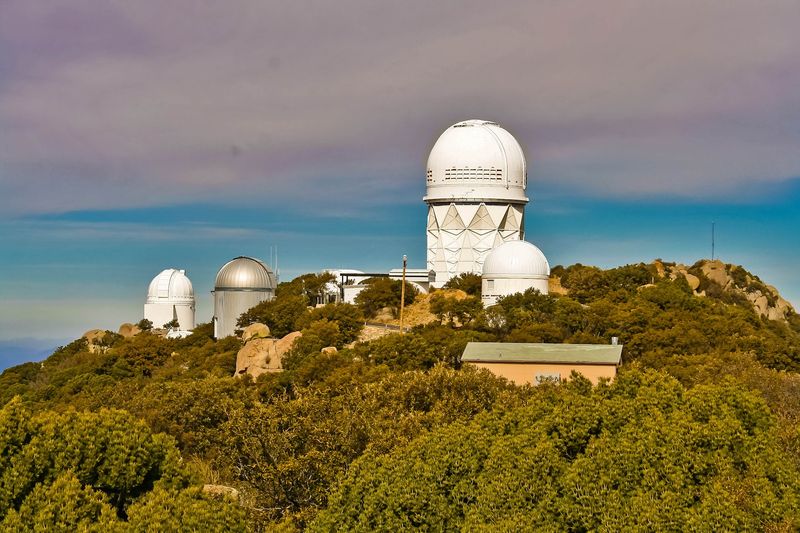
Home to the world’s largest collection of research telescopes, Kitt Peak is where serious astronomy meets an unforgettable night out. Perched high in the Quinlan Mountains southwest of Tucson, the facility sits under some of the truly dark skies that make Arizona a stargazing legend.
The Dark Sky Discovery Program is the headliner. Guests start with a group presentation, then rotate through stations that range from a 24-inch telescope to binoculars and newer smart telescope tech.
Using those instruments to spot Saturn, the moon, star clusters, and the Milky Way itself is the kind of thing you remember for years.
Knowledgeable docents guide the whole experience and share the history of the mountaintop along the way. Daytime hours run 9 AM to 4 PM, and getting tickets in advance is strongly recommended since space is limited.
Parking is free and on site.
6. Alamo Lake State Park, Wenden, AZ
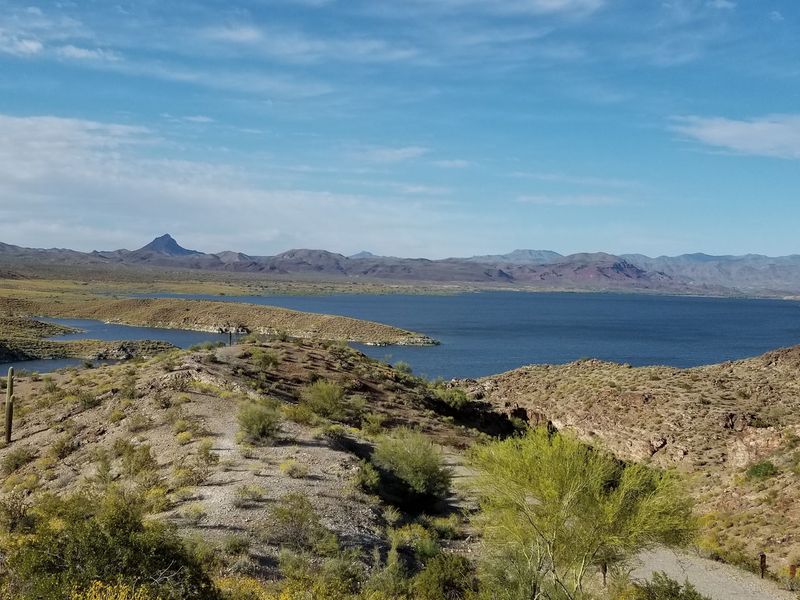
Tucked into an isolated desert valley near Wenden, Alamo Lake State Park is about as far from city lights as you can get in western Arizona. The manmade lake draws anglers by day, but the night sky is what keeps people talking.
The remoteness is the whole point. With almost no light pollution around, the stars come out so thick you can honestly lose track of time staring up.
Fishing, OHV trails, walking paths, lookout points, and even a slot canyon give you options while the sun is up.
Campsites are well maintained, with large RV spots offering water and power, plus clean restrooms and showers nearby. The park is open 24 hours and stays quiet most of the week, filling up mostly on Friday and Saturday.
Just come prepared, since services out here are limited. Picnic areas, a playground, and dog-friendly rules make it family ready.
7. Sunset Crater Volcano National Monument, Flagstaff, AZ
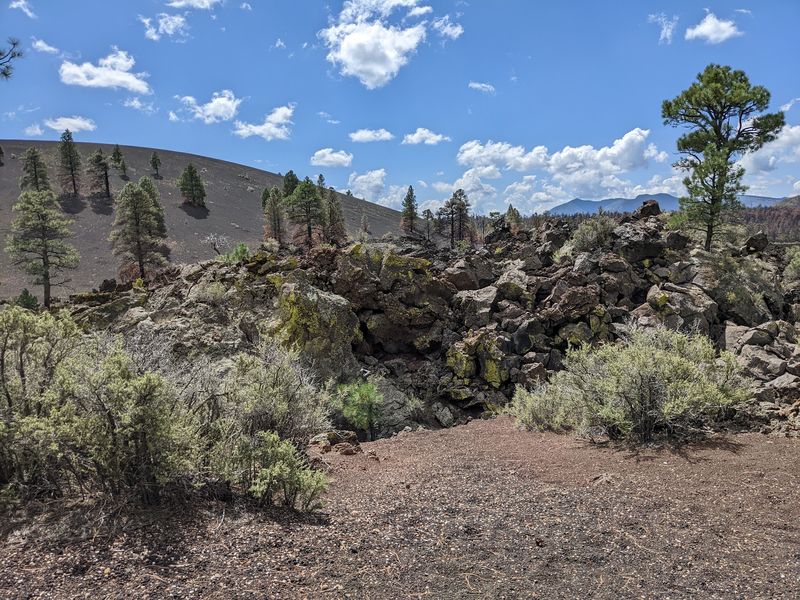
Walking across ancient lava flows here feels a little like stepping onto another planet. Sunset Crater erupted around the year 1085, roughly 900 years ago, blanketing the landscape northeast of Flagstaff in volcanic ash and cinder.
The scenic drive loops through ponderosa pine forest and black lava fields dotted with yellow grasses, then opens up to views of red rock mesas and snow-capped peaks. Overlooks show off the lava flow fields, and in fall the whole area takes on a stark, striking look.
Set among cinder cones and dark terrain, the monument sits under the clear northern Arizona skies that make this region a stargazing favorite. Late afternoon light gives the crater’s rim a red glow worth timing your visit around.
Open daily from 9 AM to 4:30 PM, it is good for kids and offers both free and paid parking.


