
Affiliate disclosure: As an Amazon Associate I earn from qualifying purchases. Learn more
Finding the right camera when you’re just starting out can feel overwhelming. With so many options on the market, it’s hard to know which ones are actually easy to use and won’t leave you confused by complicated menus and settings. We spent weeks testing fifteen different cameras to find the ones that truly make sense for beginners who want great results without a steep learning curve.
1. Canon EOS R50 V Mirrorless Camera (Body Only)
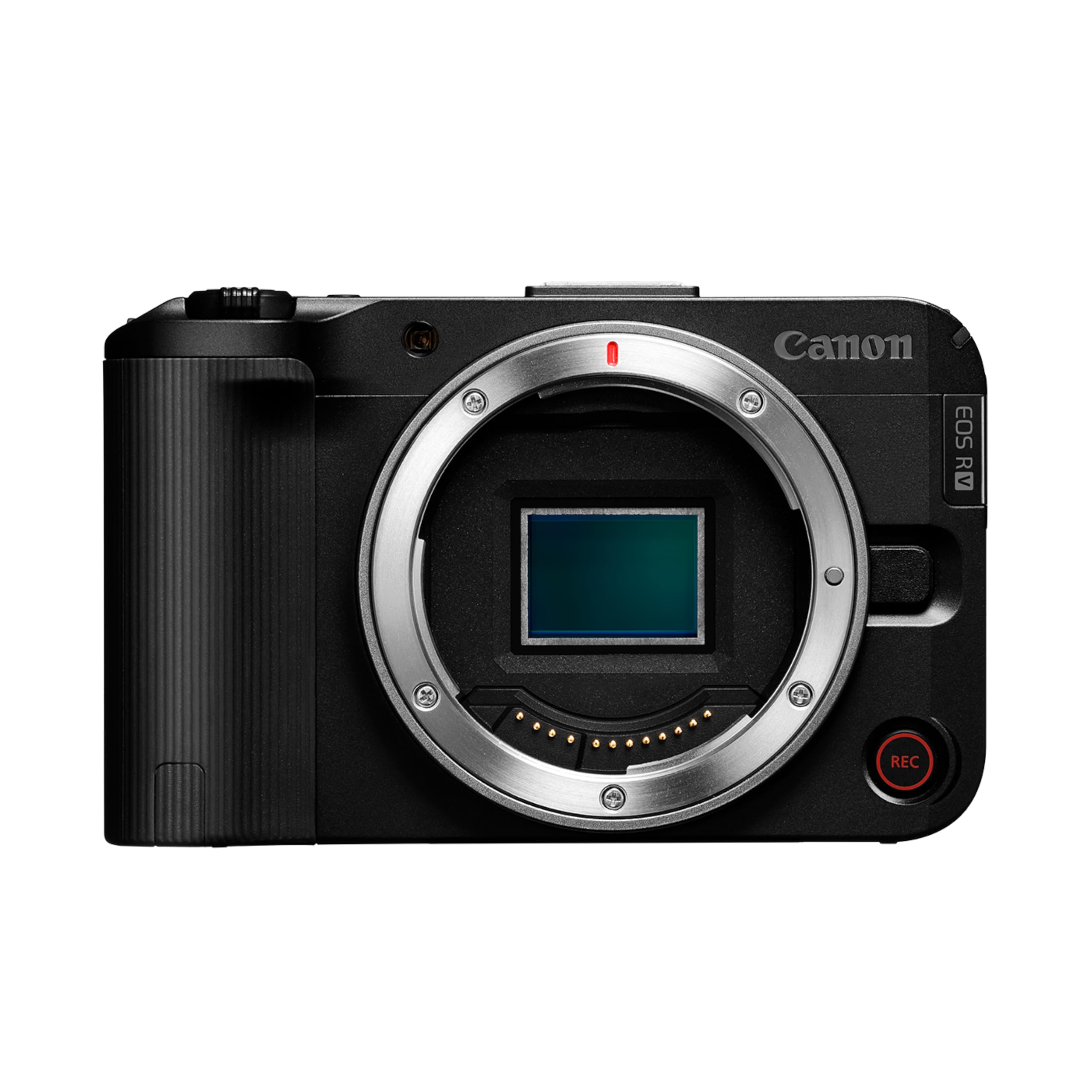
What makes a camera perfect for beginners? A layout that doesn’t require a manual every time you pick it up. Canon designed this mirrorless beauty with first-time users in mind, featuring a redesigned interface that feels natural from day one.
The 24.2-megapixel sensor captures stunning detail, while the DIGIC X processor ensures your images look professional without complicated editing. Its Dual Pixel autofocus tracks subjects with impressive accuracy, so you won’t miss those fleeting moments. The flip screen makes vlogging and selfies effortless, and the vertical video mount is perfect for social media content.
Recording options include 4K video at various frame rates, plus slow and fast motion modes for creative control.
2. Nikon Z50 II

Ever wish your camera could help you find your unique style? This compact powerhouse comes loaded with 31 built-in color presets that transform your photos with just one button press. No need to spend hours learning editing software when you can create film-inspired looks right in the camera.
The 20.9-megapixel sensor is several times larger than your smartphone’s, capturing lifelike colors and incredible detail even in challenging lighting. Its intelligent autofocus recognizes and tracks nine different subject types, including people, pets, birds, and vehicles. The built-in flash balances indoor shots beautifully, while Night Portrait mode creates natural-looking results.
Share your creations instantly using the free SnapBridge app that connects to your phone wirelessly.
3. Sony Alpha ZVE10 II
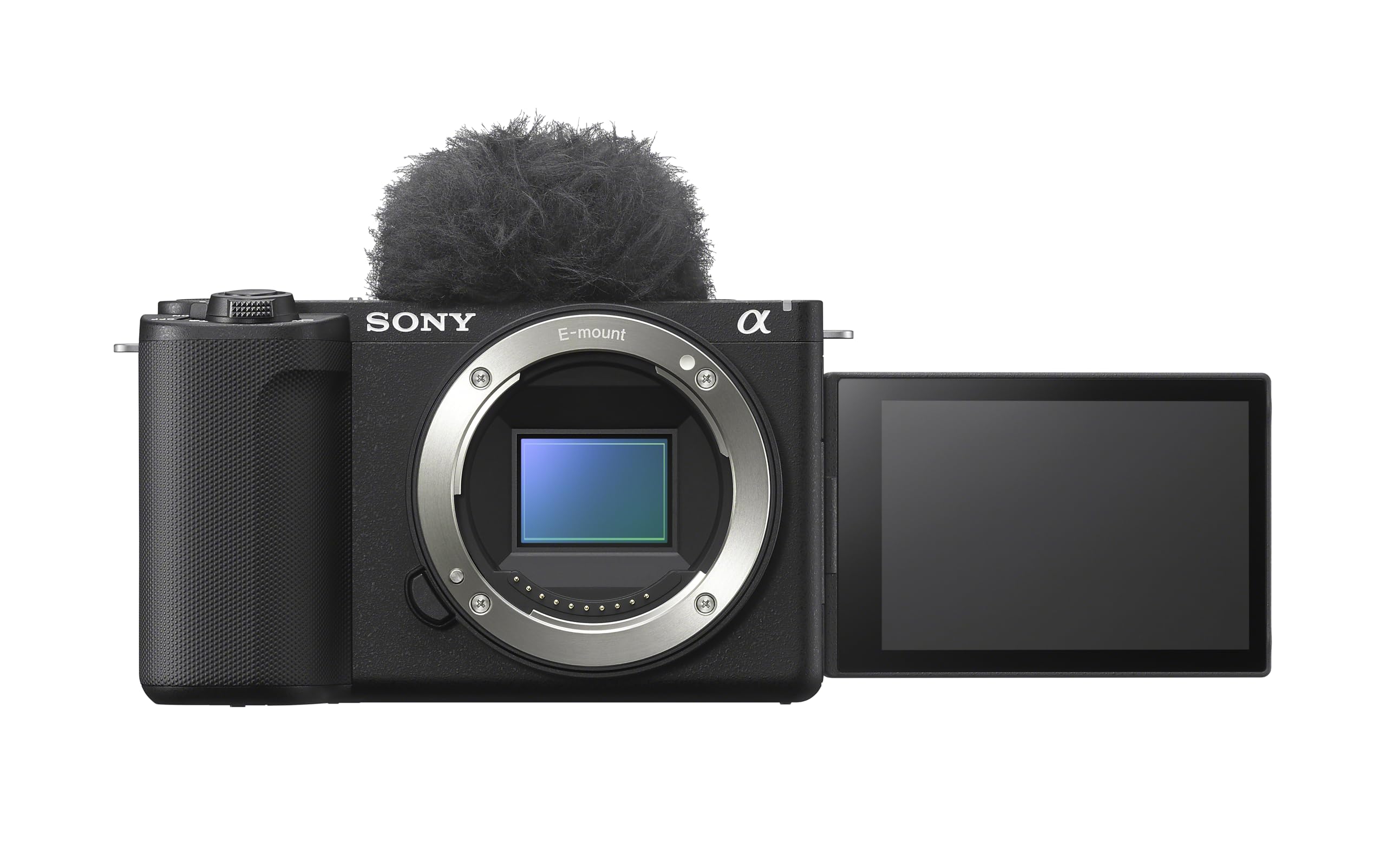
Content creators, meet your new best friend. Sony packed this APS-C camera with features specifically designed to make your videos stand out from the crowd. The rotating user interface automatically adjusts when you flip between horizontal and vertical shooting, which means less fumbling and more creating.
With a 26-megapixel back-illuminated sensor that’s ten times bigger than average smartphone sensors, your footage will have that professional depth and clarity viewers love. Creative Looks and Cinematic Vlog settings let you achieve different moods without complicated post-production work. Real-time Eye AF keeps faces sharp even when subjects move around the frame.
Capture smooth slow-motion at 120 frames per second or speed things up with time-lapse sequences created right in the camera.
4. Nikon Z 30

TechRadar called it one of the best cameras for vlogging, and after using it ourselves, we completely agree. This is the smallest camera in Nikon’s Z series, making it incredibly easy to hold for extended periods or mount on a compact tabletop tripod without feeling bulky.
The flip-out touchscreen ensures you’re always in frame, while the smartphone app lets you control everything remotely when you need hands-free operation. Fast autofocus adjusts seamlessly during unboxing videos, tutorials, and gaming streams where details shift quickly. Eye-detection works for humans, cats, and dogs, keeping focus exactly where it matters most.
Streaming is plug-and-play simple with smooth Full HD over USB-C or 4K through HDMI. Compatible with Nikon’s entire NIKKOR Z lens lineup for future upgrades.
5. Sony ZV-1F Vlog Camera

Tired of awkward arm angles trying to fit everything in frame? The ultra-wide 20mm lens on this compact powerhouse solves that problem instantly, capturing expansive scenes even when you’re holding it at arm’s length for selfie-style shots.
Despite its small size, the large 1-inch sensor and F2 lens deliver impressive low-light performance and beautiful background blur that makes subjects pop. The directional 3-capsule microphone picks up clear audio while minimizing unwanted background noise, and the included windscreen keeps outdoor recordings crisp. Eye autofocus and tracking technology work together to maintain sharp focus on moving subjects.
The side-articulating touchscreen makes composing shots simple and intuitive. Everything about this camera screams convenience without sacrificing quality, perfect for creators always on the move.
6. Canon EOS R100 Mirrorless Camera

Budget-conscious beginners, this one’s for you. Canon created the smallest and lightest body in their entire EOS R series, proving that excellent mobility doesn’t require sacrificing image quality or breaking the bank.
The 24.1-megapixel APS-C sensor paired with the DIGIC 8 processor produces sharp, detailed images that rival much more expensive cameras. Dual Pixel autofocus covers up to 143 zones across the frame, with automatic subject detection and eye-tracking available in Servo AF mode. Continuous shooting reaches 6.5 frames per second, fast enough to capture action and spontaneous moments.
Record Full HD video at 60 frames per second or detailed 4K at 24 frames per second. The RF mount opens doors to Canon’s impressive lens ecosystem as your skills grow and evolve.