
Affiliate disclosure: As an Amazon Associate I earn from qualifying purchases. Learn more
Capturing stunning photos when the sun goes down requires special gear. Whether you’re shooting glowing city streets, twinkling stars, or cozy indoor moments, having a camera that handles darkness well makes all the difference.
Low-light cameras use advanced sensors and smart technology to turn dim scenes into bright, clear images without annoying grain or blur. Ready to find your perfect night photography companion?
1. Nikon Z8 – Best Overall for Night & Astro
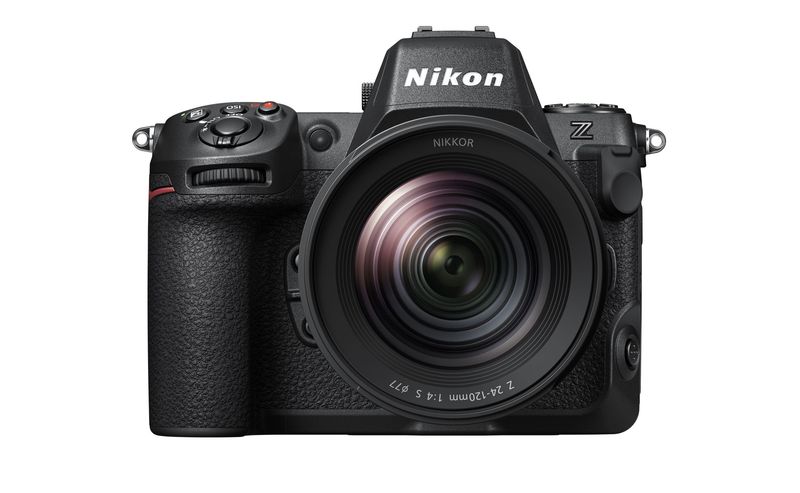
When serious photographers talk about conquering darkness, the Nikon Z8 consistently tops the conversation. Its massive 45.7 megapixel full-frame sensor captures incredible detail even when light barely exists.
The stacked CMOS technology processes images lightning-fast, meaning you won’t miss fleeting moments like shooting stars or city lights reflecting off water.
What really sets this camera apart is how it handles noise. Crank up the ISO to shoot in near-total darkness, and your photos still look clean and professional.
The dynamic range lets you pull details from both shadowy corners and bright moon-lit areas in the same shot.
Astrophotographers especially love this camera because it reveals stars and nebulas that cheaper cameras simply can’t see. Indoor event shooters appreciate how natural skin tones look even under terrible lighting.
Yes, it costs more than budget options, but the Z8 delivers professional results that justify every dollar spent on low-light adventures.
2. Sony A7 V – Best All-Round Hybrid (Photo + Video)
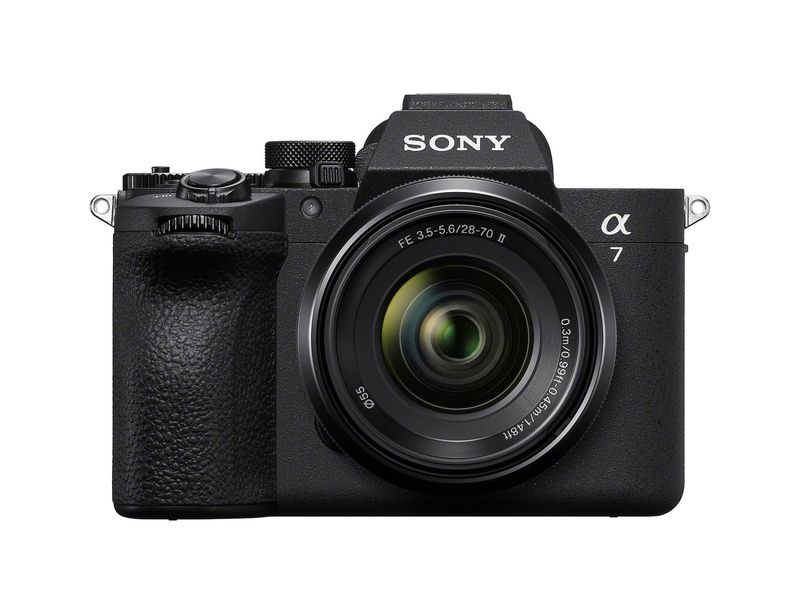
Sony just released their newest flagship, and photographers everywhere are buzzing about it. The A7 V packs a 33 megapixel sensor that strikes the perfect balance between resolution and low-light capability.
Unlike cameras with too many megapixels that struggle in darkness, this one handles high ISO settings beautifully while still delivering sharp, detailed images.
The autofocus system works like magic in dim conditions. It locks onto subjects quickly and tracks them smoothly, whether you’re filming a documentary in a candlelit room or photographing dancers on a poorly-lit stage.
Video shooters particularly appreciate how well this camera performs when natural light fades.
What makes the A7 V special is versatility. Shoot stunning nighttime landscapes, then switch to recording cinematic footage without changing cameras.
The noise control impresses even when you push settings to extreme levels. For creators who need one camera that excels at everything after sunset, this hybrid powerhouse delivers without compromise or frustration.
3. Sony A7 III – Best Value Classic Low-Light Performer
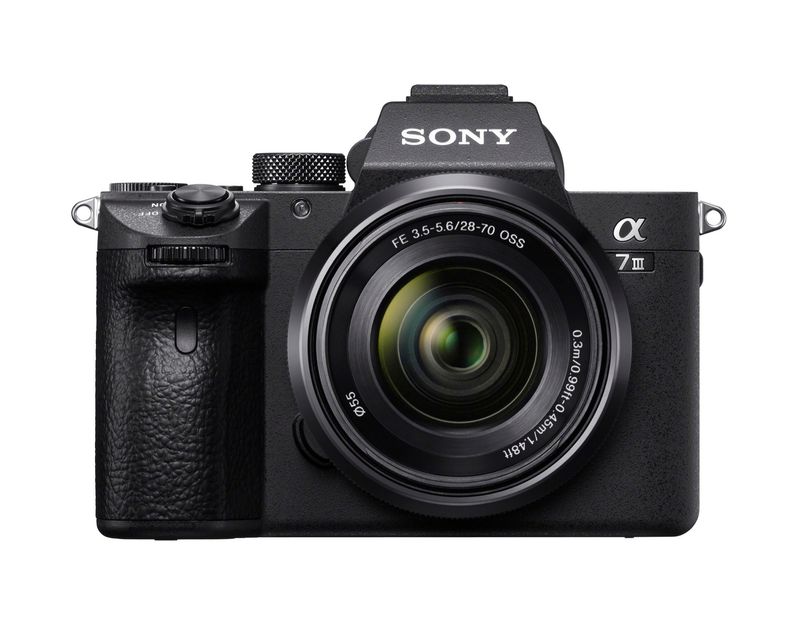
Sometimes older technology still reigns supreme for practical reasons. The A7 III earned legendary status among night photographers years ago, and it remains incredibly relevant today.
This full-frame mirrorless camera delivers exceptional high-ISO performance that rivals much newer models, yet costs significantly less than current flagships.
Photographers on budgets love this camera because it proves you don’t need the latest release to capture breathtaking low-light images. The 24 megapixel sensor might sound modest compared to newer cameras, but it actually helps with darkness.
Fewer megapixels mean larger individual pixels that gather more light, resulting in cleaner images when shooting stars or dimly-lit concerts.
The used market overflows with A7 III bodies in excellent condition as professionals upgrade to newer models. Smart buyers snap these up and invest savings into fast lenses that really maximize low-light potential.
For anyone entering serious night photography without breaking the bank, this classic Sony represents unbeatable value and proven performance.
4. Sony A7R V – Premium High-Resolution Option
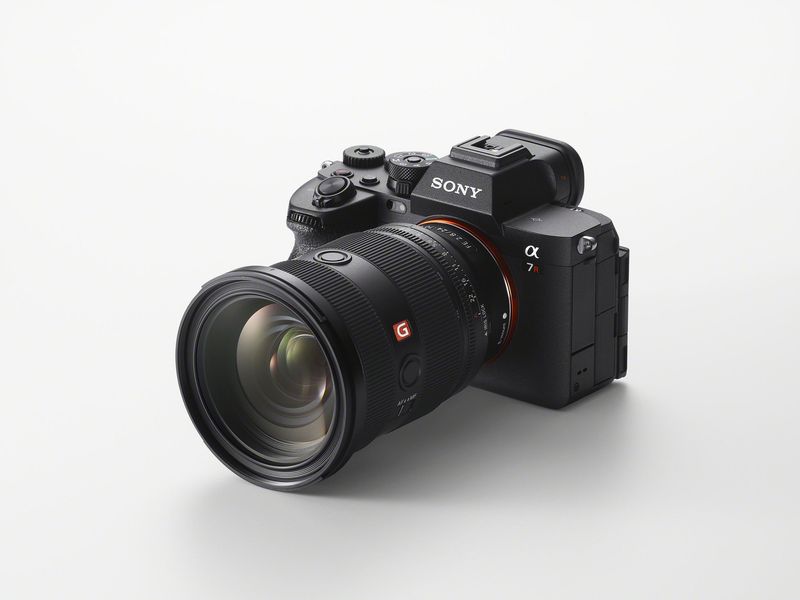
Resolution fanatics face a tough choice when shooting in darkness. High megapixel counts usually mean smaller pixels that struggle gathering light, creating noisy images after sunset.
Sony somehow solved this problem with the A7R V, cramming 61 megapixels into a sensor that still performs admirably when light disappears.
Landscape photographers who shoot during blue hour or under moonlight particularly benefit from this camera. You get incredible detail for massive prints while maintaining acceptable noise levels that simple software fixes easily clean up.
The dynamic range allows pulling shadow details and highlight information that lesser cameras simply lose forever.
This camera costs serious money, so it’s definitely not for casual shooters or beginners. Professional photographers who need both resolution for commercial work and low-light capability for diverse assignments find the A7R V worth every penny.
Astrophotographers who want to capture nebula details while maintaining wide-field compositions also appreciate what this sensor delivers when pointed skyward on clear, dark nights.
5. Nikon Z6 III – Strong Low-Light & Hybrid Performer
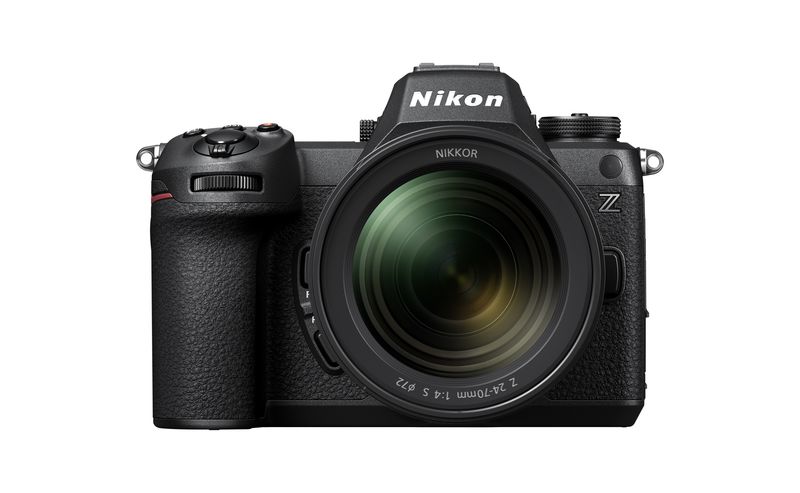
Nikon designed the Z6 III specifically for photographers who refuse to compromise. The partially-stacked sensor technology represents a smart middle ground, offering faster performance than traditional sensors without the premium price of fully-stacked designs.
Night sky photographers especially appreciate how this camera handles long exposures without overheating or introducing weird artifacts.
What really impresses is the noise handling across the ISO range. Push settings to 6400 or even 12800, and images remain surprisingly usable with minimal post-processing cleanup needed.
The improved autofocus works confidently even when your eyes struggle seeing subjects clearly, making it reliable for indoor events or street photography after dark.
Video creators shooting documentaries or vlogs in challenging lighting conditions find this camera incredibly capable. The hybrid nature means you’re never choosing between photo quality and video performance.
For the price point, the Z6 III delivers professional low-light results that compete with cameras costing significantly more, making it a smart investment for serious enthusiasts.
6. Canon EOS R6 Mark III – Powerful Low-Light Hybrid
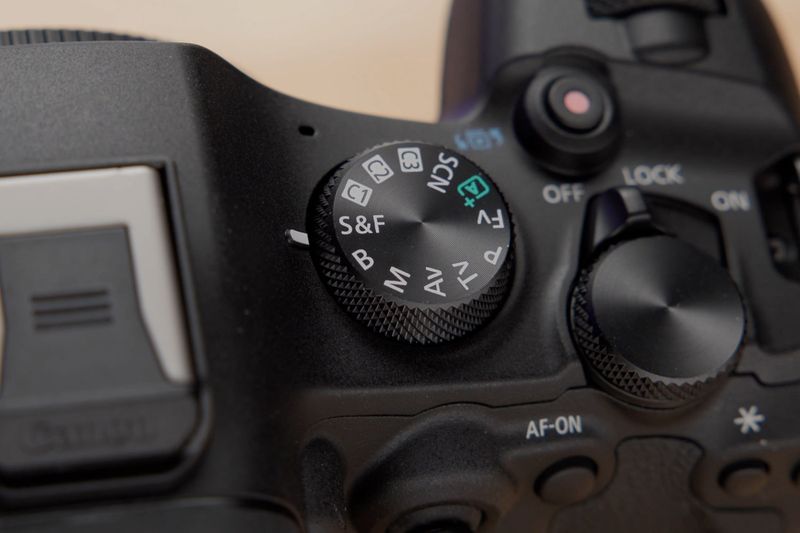
Canon finally created a low-light monster that rivals Sony’s best offerings. The R6 Mark III combines a sensible 24 megapixel count with incredibly advanced sensor technology that excels when darkness falls.
The in-body stabilization system works so well that you can handhold shots at shutter speeds that normally require tripods, opening creative possibilities for spontaneous night photography.
Wedding photographers shooting dim reception halls love this camera because skin tones look natural even under terrible mixed lighting. The autofocus system tracks subjects reliably in near-darkness, ensuring sharp focus on moving dancers or emotional moments during candlelit ceremonies.
High ISO images remain clean enough for professional delivery without extensive noise reduction destroying fine details.
Astrophotographers appreciate how the R6 Mark III handles heat during long exposures under starry skies. The camera stays cool and performs consistently, even during extended shooting sessions.
For Canon shooters who already own RF lenses, this camera represents the perfect upgrade for serious low-light work across multiple photography genres.
7. Canon EOS R8 – Great Entry Full-Frame for Night & Sky
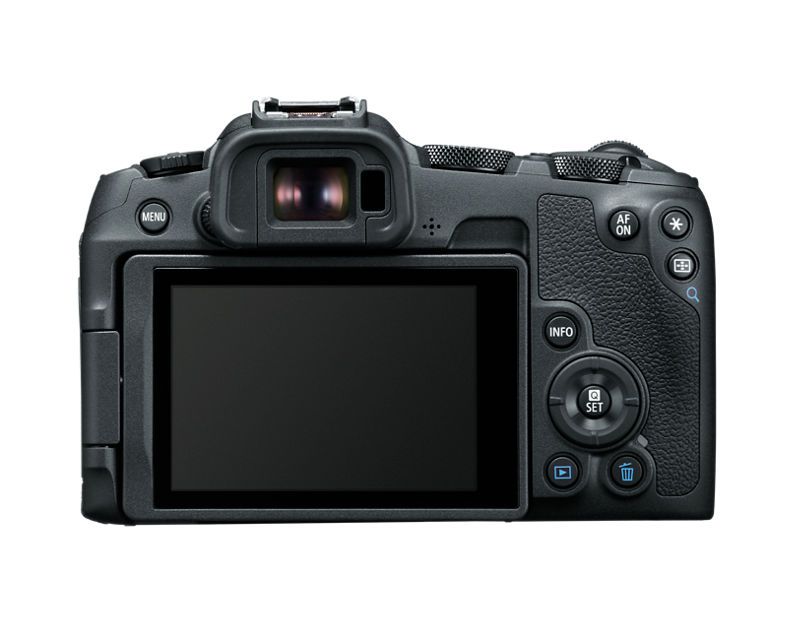
Not everyone needs professional flagship features or wants to carry heavy equipment. Canon designed the R8 as a compact, affordable entry into full-frame low-light photography, and it succeeds brilliantly at that mission.
The smaller body might lack some advanced features, but the sensor delivers impressive high-ISO performance that punches well above its price class.
Beginners stepping up from smartphones or crop-sensor cameras immediately notice the difference when shooting after sunset. The full-frame sensor gathers significantly more light, revealing stars and details that smaller sensors simply miss.
Pair this camera with affordable fast prime lenses, and suddenly astrophotography becomes accessible without requiring a second mortgage.
Travel photographers appreciate how the R8 fits easily into small bags while still delivering professional image quality during golden hour and beyond. The lighter weight makes it perfect for hiking to dark-sky locations or wandering city streets at night.
For budget-conscious photographers who prioritize image quality over advanced features, this camera opens doors to low-light creativity previously blocked by expensive gear requirements.
8. Nikon Z5 II – Best Budget Full-Frame Pick
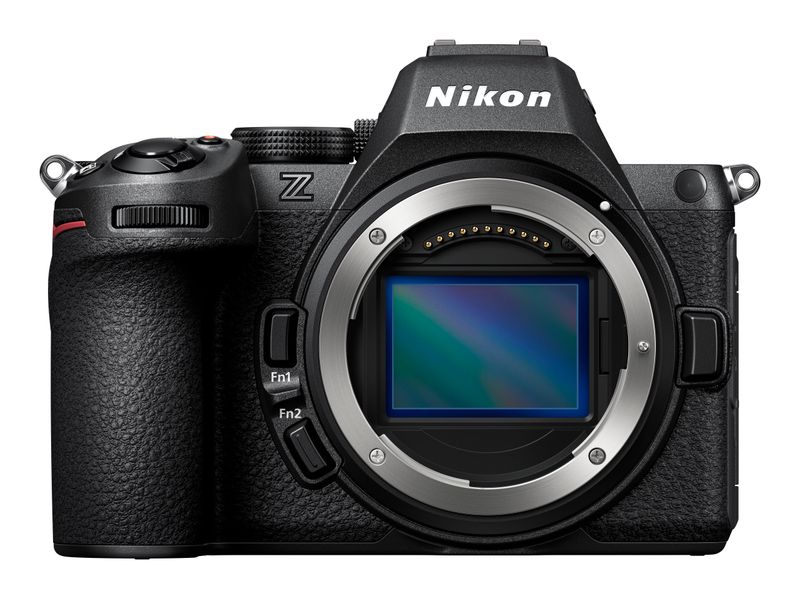
Budget-friendly and full-frame rarely appear together, but Nikon made it happen with the Z5 II. This camera proves you don’t need flagship prices to enjoy excellent low-light performance.
The updated sensor and processor deliver significantly better high-ISO results than the original Z5, making it a genuine bargain for night photography enthusiasts just starting their journey.
The dual card slots provide peace of mind during important shoots, while the improved autofocus system works surprisingly well in dim conditions. Hobbyists shooting local astronomy club events or photographing their kids’ indoor activities find this camera more than capable for their needs.
The full-frame advantage shows clearly when comparing images to crop-sensor alternatives at similar prices.
What really matters is that the Z5 II removes barriers preventing people from trying serious low-light photography. The price point makes full-frame accessible to students, hobbyists, and anyone hesitant about investing thousands in camera gear.
Image quality easily satisfies non-professional needs while teaching valuable skills that transfer to more expensive bodies later if photography becomes more serious.
9. Canon EOS RP – Budget Full-Frame Night Photography
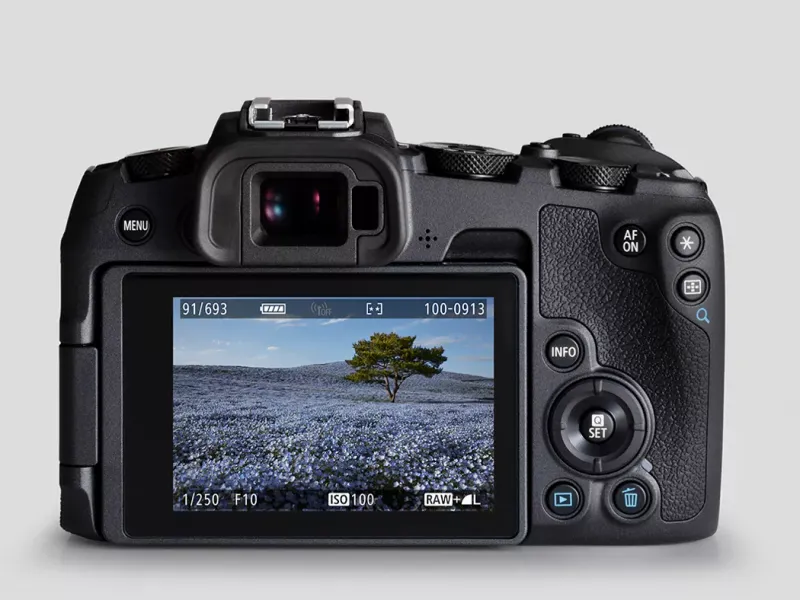
Canon’s most affordable full-frame camera still holds surprising relevance for night photography beginners. The EOS RP launched years ago at a price that shocked the industry, making full-frame sensors accessible to photographers previously stuck with crop-sensor limitations.
While newer cameras offer better specifications, the RP remains perfectly capable for learning low-light techniques without financial stress.
The 26 megapixel sensor handles darkness reasonably well, especially when paired with fast lenses that maximize light-gathering ability. Used prices have dropped even further as people upgrade, creating incredible opportunities for smart shoppers willing to accept older technology.
The compact, lightweight body makes it ideal for travel or casual night walks where you want quality without carrying heavy professional gear.
Photography students and hobbyists find the RP perfect for experimenting with long exposures, light painting, and basic astrophotography. Results won’t match flagship cameras, but they’re absolutely good enough for social media, small prints, and learning fundamental skills.
For anyone curious about night photography but unwilling to spend thousands, this camera provides genuine full-frame experience at entry-level prices.
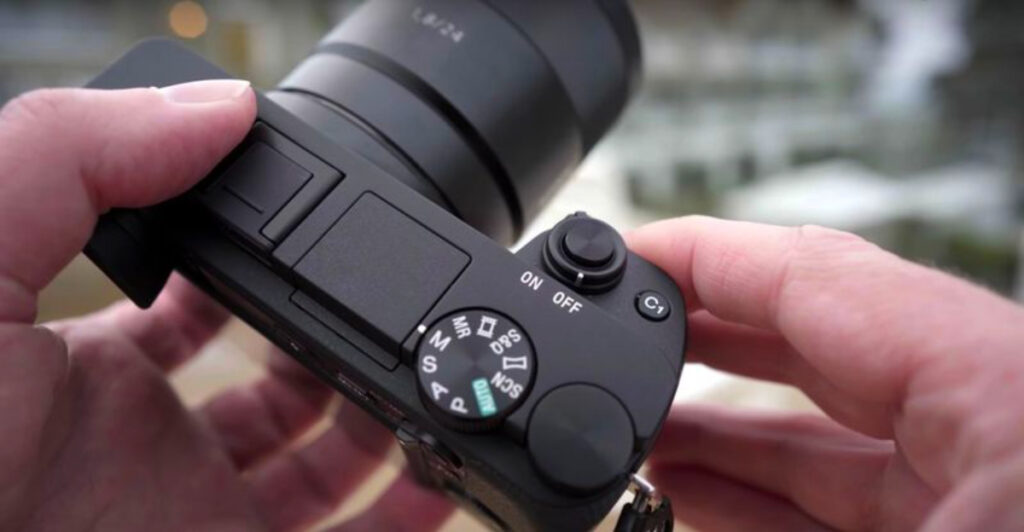
10. Sony A6400 – Best APS-C Option (Budget Astro Starter)
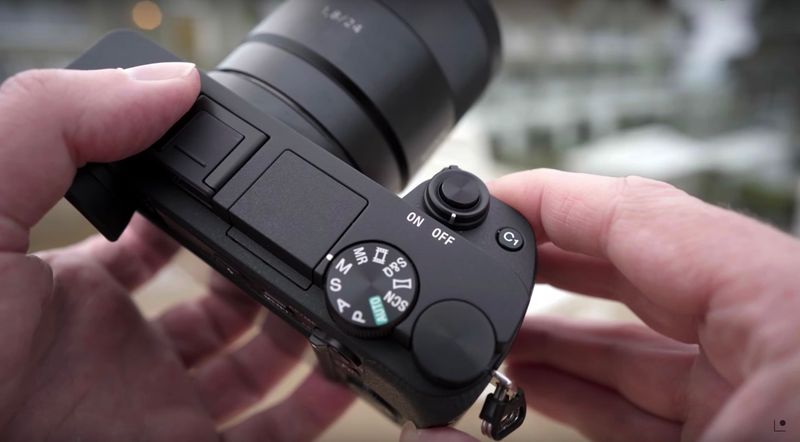
Full-frame cameras dominate low-light discussions, but crop-sensor models shouldn’t be dismissed entirely. The Sony A6400 proves that smaller sensors can still deliver impressive night photography results when used intelligently.
The secret lies in pairing this capable body with fast prime lenses that compensate for the sensor’s smaller size by gathering maximum available light.
Astrophotography beginners love this camera because it costs significantly less than full-frame alternatives while teaching essential skills. The excellent autofocus system works reliably in dim conditions, and the compact size makes it perfect for mounting on star trackers or carrying to remote dark-sky locations.
High-ISO performance remains clean enough for stunning Milky Way shots when proper technique and fast glass combine.
What makes the A6400 special is how it removes intimidation from night photography. The smaller investment reduces pressure, encouraging experimentation and creative risk-taking.
Students and hobbyists can learn composition, exposure techniques, and post-processing skills that transfer perfectly to full-frame cameras later. For budget-conscious beginners serious about astrophotography, this crop-sensor option provides an excellent starting point.