
Affiliate disclosure: As an Amazon Associate I earn from qualifying purchases. Learn more
When you’re out in the wilderness, having the right gear can mean the difference between a fun adventure and a dangerous situation. Whether you’re camping for the weekend or preparing for unexpected emergencies, knowing what to pack is crucial. This guide will walk you through the most important survival items that belong in every outdoor enthusiast’s backpack.
1. Water Purification Tablets

Clean drinking water is your number one priority in any survival situation. Your body can only last about three days without it, making water purification tablets a lifesaver.
These tiny tablets work by killing harmful bacteria and viruses that lurk in natural water sources. Just drop one into your water bottle, wait the recommended time, and you’ll have safe drinking water.
They’re lightweight, affordable, and take up almost no space in your pack, making them an absolute must-have for every outdoor adventure.
2. Multi-Tool or Swiss Army Knife

Having a toolbox that fits in your pocket is exactly what a quality multi-tool gives you when you’re out in nature.
From cutting rope to opening cans, tightening screws to removing splinters, these compact devices handle dozens of tasks. Most include knives, pliers, screwdrivers, and even bottle openers.
Carrying one means you won’t need to pack multiple heavy tools. Choose a durable model from a trusted brand, and it’ll serve you faithfully for years through countless adventures and emergency situations.
3. Fire Starter Kit

Fire provides warmth, cooks food, purifies water, and signals for help. Knowing how to start one quickly can save your life in cold or wet conditions.
A proper fire starter kit should include waterproof matches, a ferro rod, and some tinder. Ferro rods work even when soaked, creating hot sparks that ignite dry materials.
Practice using your fire starter at home before heading into the wild. The more comfortable you are with it, the faster you’ll get a fire going when it really counts.
4. Emergency Shelter or Tarp

Exposure to harsh weather can lead to hypothermia faster than most people realize. Having emergency shelter materials protects you from rain, wind, and extreme temperatures.
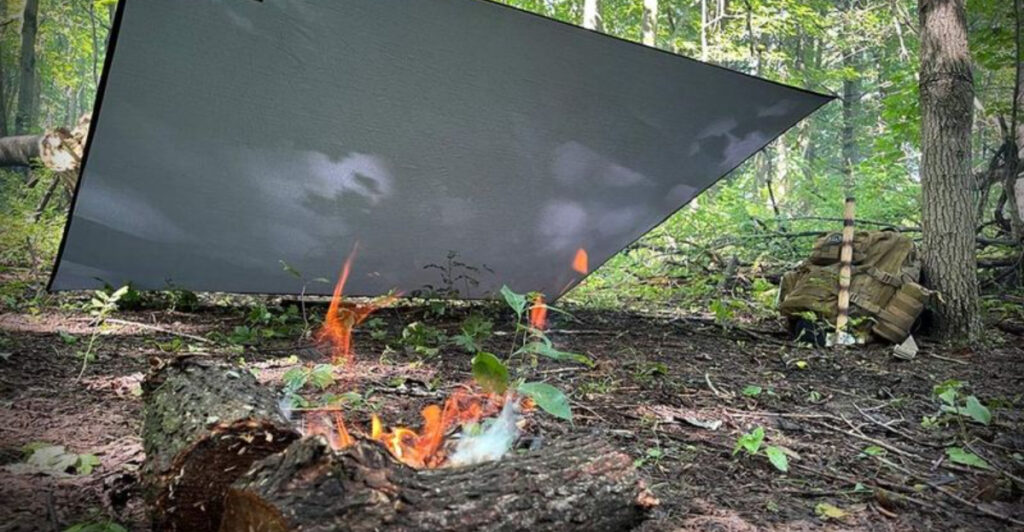
A lightweight tarp or emergency bivvy sack weighs just ounces but provides crucial protection. You can set up a tarp in countless configurations to block wind or create a dry sleeping area.
Some hikers prefer emergency space blankets, which reflect body heat back to you. Whatever you choose, make sure it’s waterproof and large enough to cover your entire body comfortably.
5. First Aid Kit

Accidents happen, especially when you’re miles from the nearest hospital. Cuts, burns, sprains, and blisters are common outdoor injuries that need immediate attention.
Your first aid kit should contain bandages of various sizes, antiseptic wipes, pain relievers, and medical tape. Add any personal medications you might need during your trip.
Don’t just pack it and forget it. Learn basic first aid skills so you actually know how to use everything inside. A well-stocked kit is useless if you don’t understand the basics of treating injuries.
6. Paracord or Strong Rope

With a heart as versatile as its strength, paracord is the unsung hero of survival situations. This lightweight cord can hold hundreds of pounds yet fits easily in your pocket.
You can use it to build shelters, create fishing lines, secure gear, make emergency shoelaces, or even fashion a tourniquet. The inner strands can be pulled out for sewing or fishing.
Carry at least 50 feet of quality paracord rated for 550 pounds. Some survivalists wear paracord bracelets, giving them emergency rope that’s always on hand.
7. Flashlight or Headlamp

Darkness in the wilderness is absolute. Without artificial light, even simple tasks become dangerous when the sun goes down.
A reliable flashlight or headlamp lets you navigate safely, signal for help, and handle nighttime emergencies. Headlamps are particularly useful because they keep your hands free for other tasks.
Choose LED models for longer battery life and brighter output. Always pack extra batteries in a waterproof bag. Some survivalists carry a small backup flashlight as insurance against equipment failure.
8. Compass and Map

GPS devices are wonderful until the batteries die or you lose satellite signal. Old-school navigation tools never run out of power and always point you in the right direction.
Learning to read a topographic map and use a compass takes practice, but it’s a skill that could save your life. These tools help you identify landmarks and plan safe routes.
Store your map in a waterproof case to protect it from rain. Familiarize yourself with the area before you go, marking important features like water sources and emergency exits.
9. Emergency Whistle

Your voice can only carry so far, especially when you’re exhausted or injured. An emergency whistle produces a piercing sound that travels much farther than shouting ever could.
Three short blasts is the universal distress signal that alerts rescuers to your location. You can blow a whistle hundreds of times without tiring, unlike yelling for help.
Choose a pealess whistle that won’t freeze or clog with debris. Attach it to your backpack or jacket where you can reach it quickly during an emergency situation.
10. Portable Water Container

Finding water is one thing, but you also need a way to carry it back to camp or store purified water for later use.
Collapsible water containers are perfect for survival packs because they fold flat when empty. Metal bottles work great too since you can use them to boil water over a fire.
Aim for at least one liter of capacity, though two is better for longer trips. Having multiple containers lets you purify water while still having some to drink, keeping you properly hydrated throughout your adventure.
11. High-Energy Food Bars

Did you know your body burns way more calories when you’re cold or stressed? Emergency food supplies give you the energy to stay warm and think clearly during survival situations.
Energy bars are specifically designed to provide maximum calories in minimum space. They have long shelf lives and won’t spoil even in hot weather.
Pack more than you think you’ll need. A few extra bars weigh almost nothing but could sustain you if you’re stranded longer than expected. Choose varieties you actually enjoy eating.
12. Weather-Appropriate Clothing Layers

Temperature swings in the outdoors can be dramatic. Morning might start warm, but mountain weather changes fast, bringing cold rain or unexpected snow.
The layering system works best: a moisture-wicking base layer, an insulating middle layer like fleece, and a waterproof outer shell. You can add or remove layers as conditions change.
Avoid cotton, which stays wet and pulls heat from your body. Synthetic materials or merino wool dry quickly and keep you warm even when damp. Pack an extra pair of dry socks too.
13. Signal Mirror

Sunlight reflecting off a mirror can be seen for miles, making it one of the most effective ways to attract attention from rescue aircraft or distant search teams.
Quality signal mirrors have a sighting hole that helps you aim the reflected light accurately. Even on partly cloudy days, brief sun breaks give you chances to signal.
They’re incredibly lightweight and virtually indestructible. Practice using your mirror before an emergency so you understand how to aim it properly. This simple tool has saved countless lives over the years.
14. Duct Tape

Some people joke that duct tape can fix anything, and in survival situations, they’re not far from wrong. This sticky wonder handles repairs that would otherwise end your trip early.
Patch torn clothing, repair broken gear, create makeshift bandages, or seal water containers. You can even remove it from the roll and wrap it around a water bottle to save space.
The adhesive works in various temperatures and sticks to almost any surface. Experienced hikers never hit the trail without at least a few feet of this incredibly versatile material.
15. Knife with Fixed Blade

Beyond your multi-tool, a sturdy fixed-blade knife handles the heavy-duty tasks that smaller tools simply can’t manage. Think batoning firewood, processing game, or cutting through thick vegetation.
Fixed blades are stronger than folding knives because they have no moving parts to break. Choose one with a full tang, meaning the metal extends through the entire handle.
Keep your knife sharp and clean. A dull blade is dangerous because it requires more force and can slip. Learn proper knife safety and handling before you need it in an emergency.