
Affiliate disclosure: As an Amazon Associate I earn from qualifying purchases. Learn more
When people picture Florida, they usually think flat beaches and palm trees, not caves, cliffs, and rocky shorelines. But the state hides some genuinely rugged spots if you know where to look.
From underground caverns in the Panhandle to limestone bluffs along quiet rivers, these places feel like they belong in a totally different state. Most of them are cheap or free to visit, and many stay surprisingly uncrowded.
Here are 15 lesser-known Florida spots where you can trade sandcastles for stone.
1. Florida Caverns State Park, Marianna
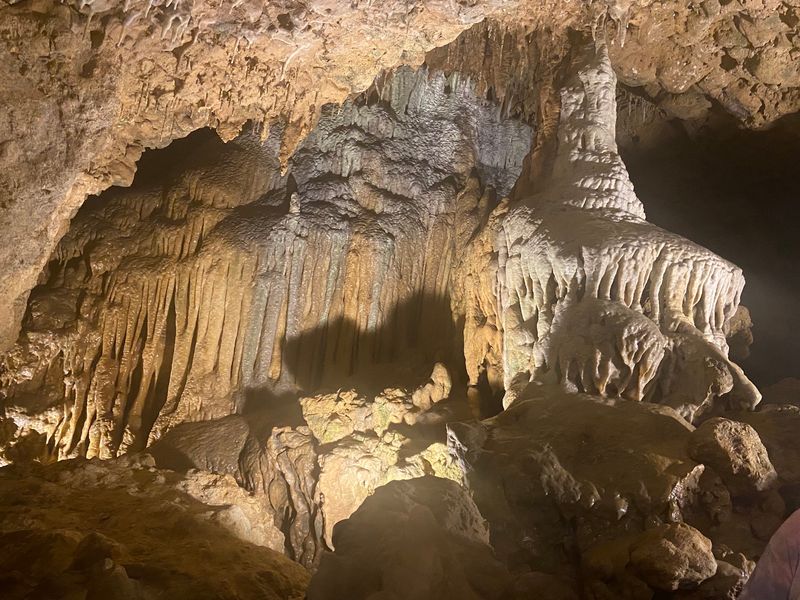
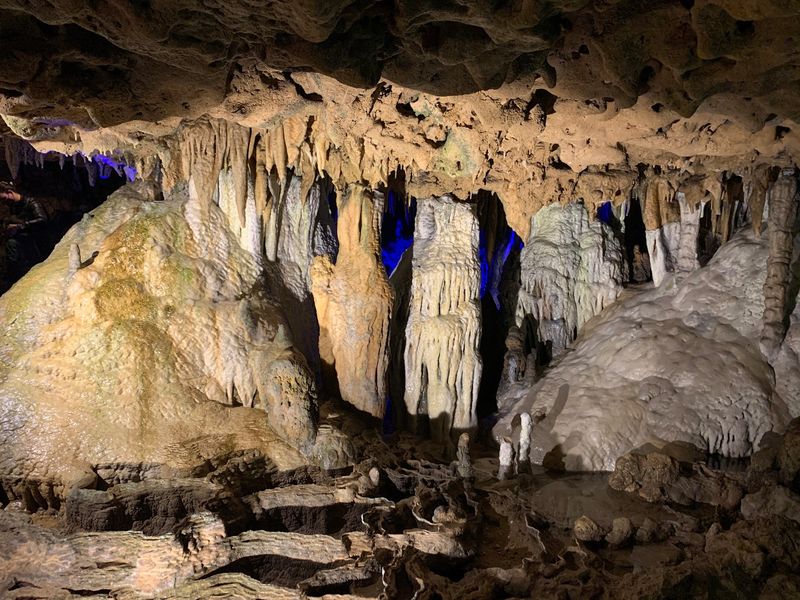
Florida has exactly one place where you can walk through air-filled caves on a guided tour, and it sits in the Panhandle near Marianna.
The park protects limestone caverns filled with stalactites, stalagmites, and flowstone formations. Ranger-led tours take you through the lit passages, and the temperature stays cool underground even in summer.
Above ground, there are trails, a spring-fed swimming area, and the Chipola River for paddling. Cave tours have limited spots and can fill up, so arriving early or checking availability ahead is smart.
Admission to the park is affordable, with a separate fee for the cave tour itself.
2. Devil’s Millhopper Geological State Park, Gainesville
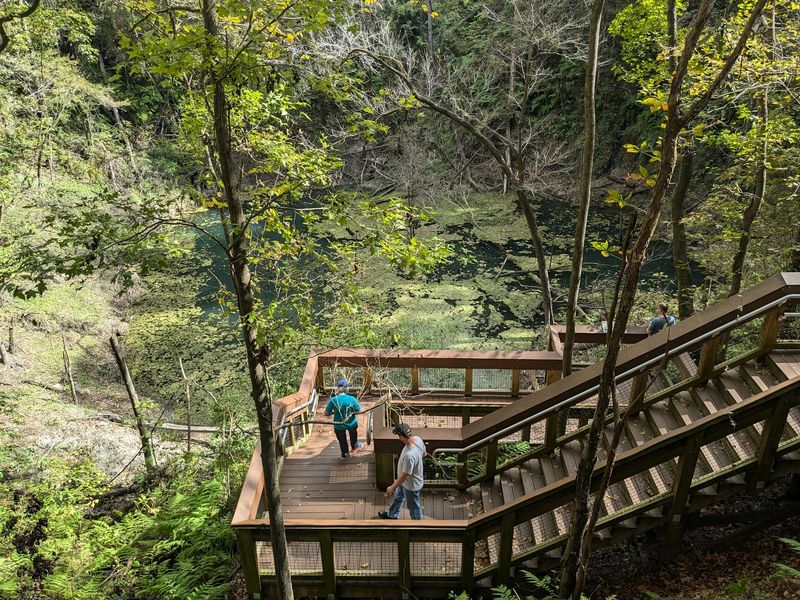
A giant bowl-shaped sinkhole hides right on the edge of Gainesville, and it dips about 120 feet into the ground.
A wooden boardwalk staircase leads you down to the bottom, passing tiny streams that trickle over the rocky sides. Fossils of extinct sea creatures and land animals have been found in its walls, which is part of why it earned the geological state park name.
The lush, shaded interior stays noticeably cooler than the surrounding pine flatwoods. It is an easy stop for anyone visiting the University of Florida area.
Entry costs just a few dollars, making it a low-cost geology lesson you can actually walk through.
3. Blowing Rocks Preserve, Jupiter Island
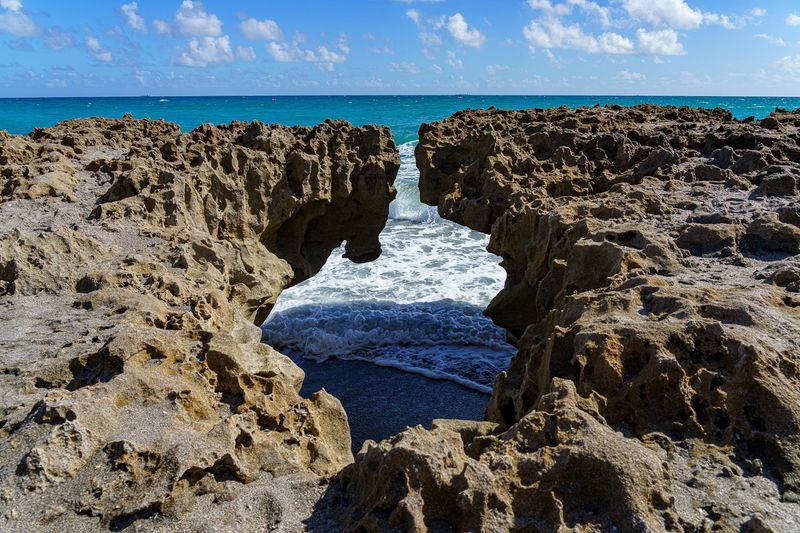
Waves shooting up through holes in a rocky shoreline is not something most people expect in Florida, but that is exactly what happens here.
Blowing Rocks Preserve protects the largest Anastasia limestone outcrop on the Atlantic coast. During high tides and rough seas, water sprays upward through gaps in the rock, sometimes 50 feet into the air.
The preserve, managed by The Nature Conservancy, also includes native plant gardens and coastal hammock trails. Calm days show off the dark, jagged rock ledges instead of the spray show.
There is a small parking fee, and mornings tend to be quieter for photos.
4. Falling Waters State Park, Chipley
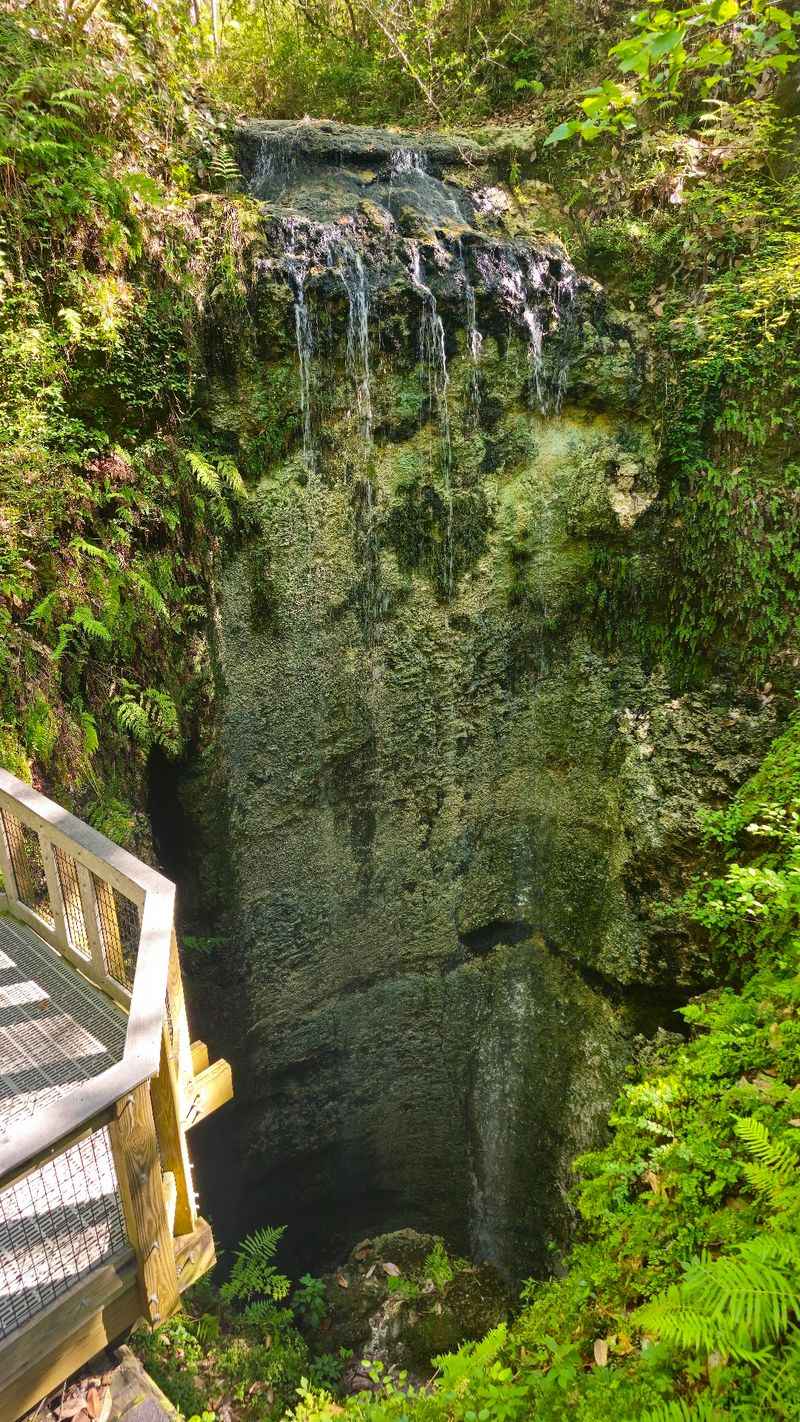
Florida’s tallest waterfall does something odd: it drops straight into a hole in the ground.
At Falling Waters State Park near Chipley, a stream tumbles roughly 73 feet down into a cylindrical sinkhole. Where the water goes after that is still not fully known, which adds to the mystery.
A boardwalk and observation deck let you look down at the falls, and the surrounding trails wind past other smaller sinks. There is also a small lake with a swimming area during warmer months.
The park charges a modest entry fee per vehicle, and the waterfall runs best after good rainfall.
5. Torreya State Park, Bristol
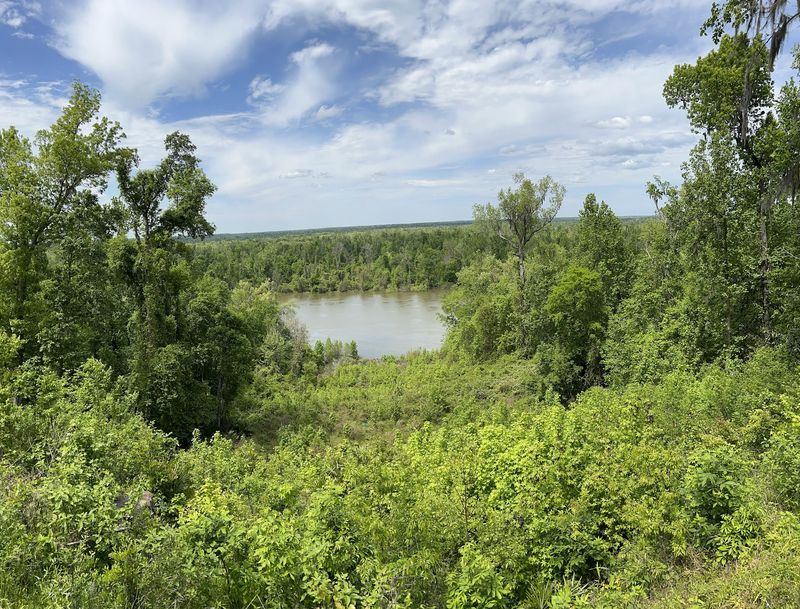
Steep bluffs rising more than 100 feet above a river feel out of place in a state famous for being flat.
Torreya State Park, named after the rare Torreya tree, sits high above the Apalachicola River in the Panhandle. Its hiking trails climb ravines and ridges that look more like the Appalachians than the Gulf Coast.
Fall even brings a bit of leaf color here, which is unusual for Florida. The historic Gregory House, a plantation-era home moved to the site, offers guided tours on select days.
Backcountry and RV camping are available, and the entry fee stays low.
6. Windley Key Fossil Reef Geological State Park, Islamorada
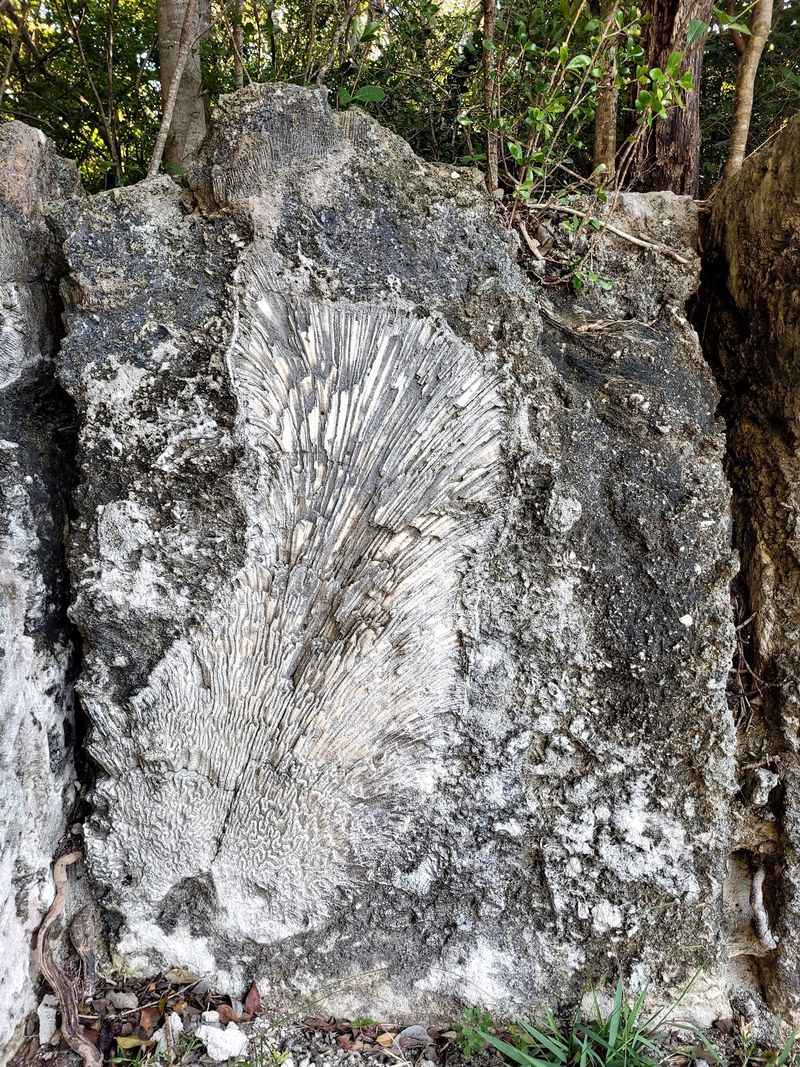
An old quarry in the Keys turned into one of the best places in the world to see fossilized coral up close.
Windley Key Fossil Reef was mined for Keystone building material, and the cutting exposed ancient reef walls packed with fossilized brain coral and other formations. Short trails let you walk right past the quarry faces.
The visitor center explains how the reef formed and how the stone was used in famous buildings. It is a quick, educational stop between the more famous Keys attractions.
Admission is inexpensive, and the shaded trails make it a manageable outing even midday.
7. Peacock Springs (Wes Skiles Peacock Springs State Park), Luraville
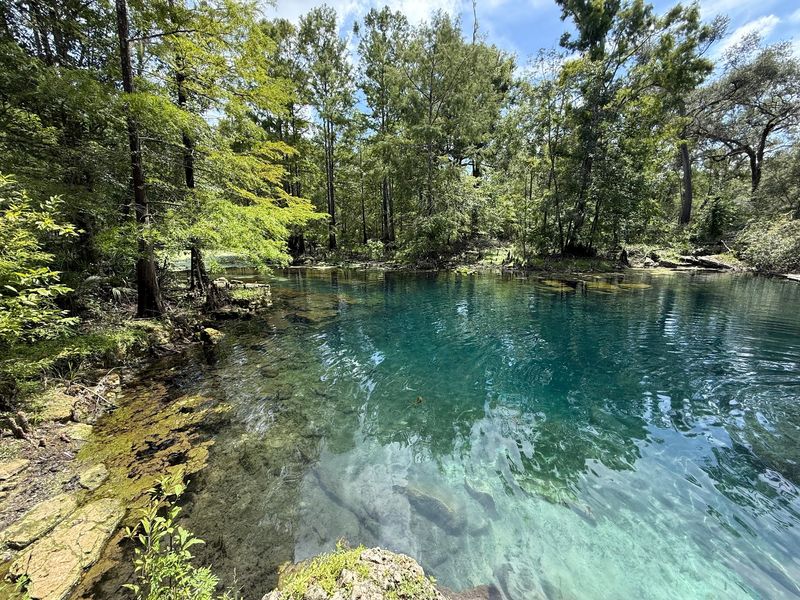
Beneath the surface of a quiet North Florida park lies one of the longest underwater cave systems in the country.
Wes Skiles Peacock Springs State Park is a magnet for certified cave and cavern divers, with clear spring pools and interconnected passages. Non-divers can still enjoy the springs, boardwalks, and swimming in the open pools.
The park is named for a renowned underwater photographer and explorer. Cave diving here requires proper certification, so it is not a casual swim into the tunnels.
Entry is cheap, and the spring water stays cool and clear year-round.
8. Rock Springs at Kelly Park, Apopka
Cool spring water pours right out of a rocky bluff and forms a natural lazy river you can float down.
Rock Springs at Kelly Park, just north of Orlando, is famous for its tubing run where the spring emerges from a limestone outcrop. The water stays around 68 degrees, which is refreshing on hot Central Florida days.
Because it is so popular, the park often reaches capacity early, especially on weekends. Arriving at opening or reserving ahead is the way to guarantee entry.
There is a small per-person fee, and tube rentals are available near the entrance.
9. Ravine Gardens State Park, Palatka
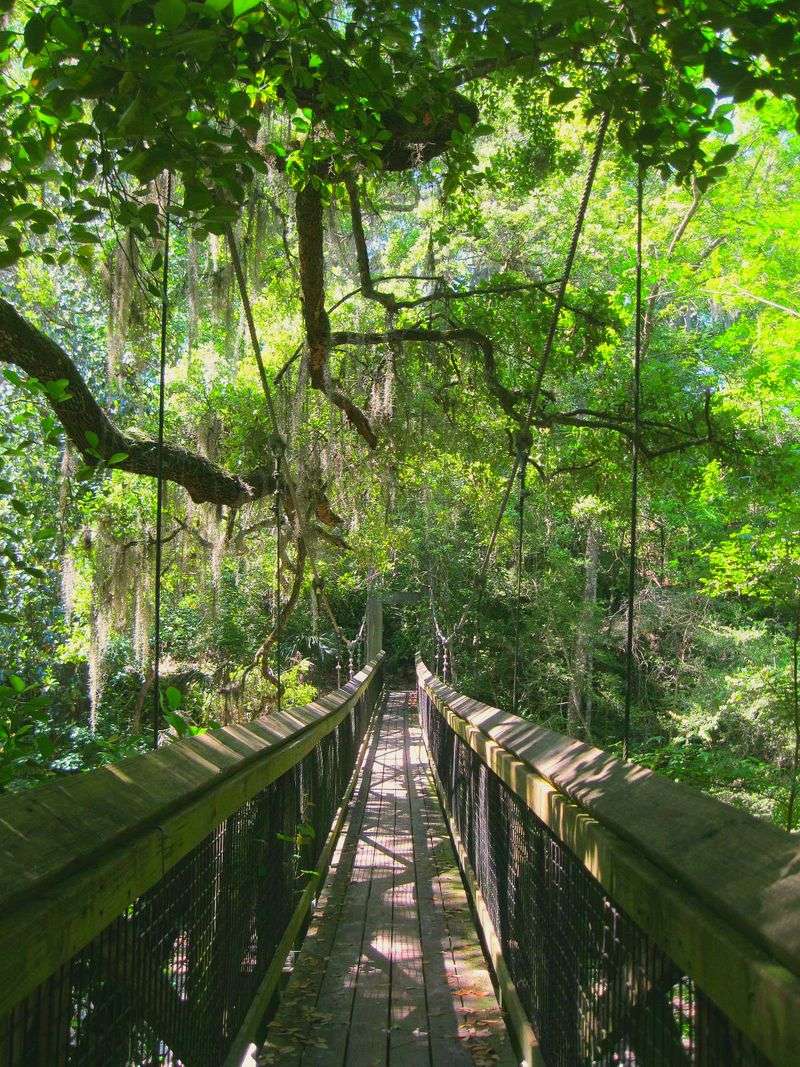
Steep ravines dropping over 100 feet cut through this park, creating a landscape most Florida visitors never imagine.
Ravine Gardens State Park in Palatka pairs its natural gullies with suspension bridges, stone steps, and thousands of azaleas that bloom in late winter and early spring. Trails wind along the ridges and down into the shaded ravine floors.
The gardens were originally built as a public works project in the 1930s. A scenic drive loops the rim for those who prefer to stay in the car.
The entry fee is small, and azalea season is the standout time to visit.
10. Ocala National Forest Sinkholes and Springs, Ocala
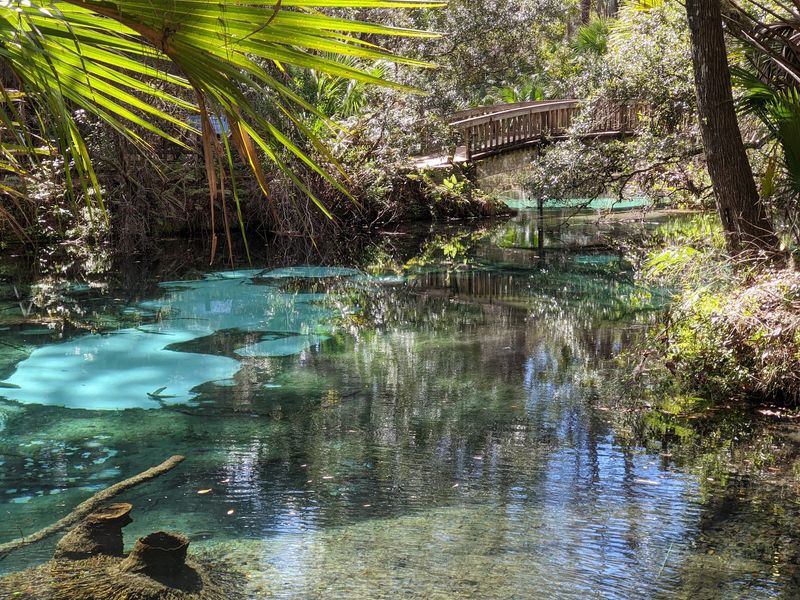
Some of Florida’s most striking rock-lined springs sit scattered across a massive national forest.
Ocala National Forest holds crystal-clear springs like Juniper, Salt, and Alexander, where limestone basins form deep, blue swimming holes. Paddling trails and sinks reveal how the underground rock shapes the whole area.
The forest is huge, so you can pick a busy developed spring or a quieter backcountry sink. Snorkeling, swimming, and camping are all popular here.
Day-use fees vary by spring, but most stay affordable, and the water clarity is hard to match anywhere else in the state.
11. Coral Cove Park, Tequesta
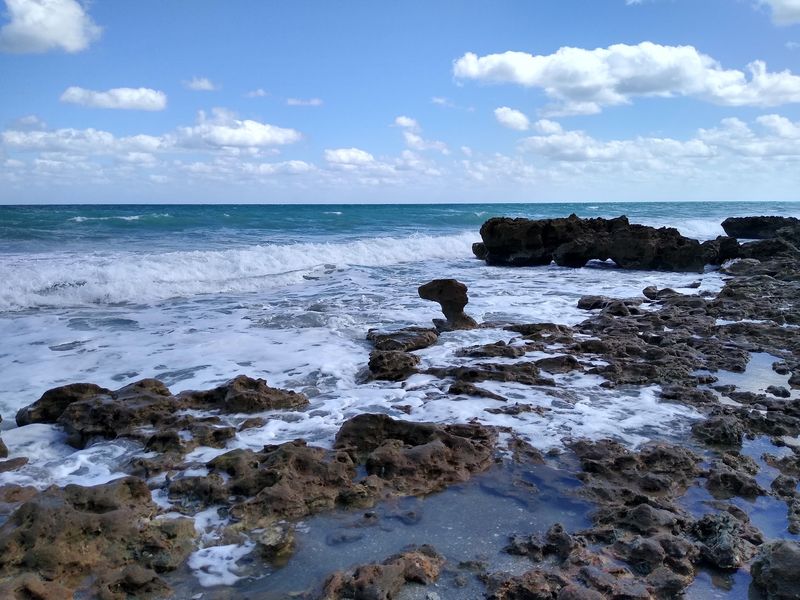
A beach lined with weathered limestone rocks and natural tide pools makes this Palm Beach County park feel one of a kind.
Coral Cove Park on Jupiter Island features Anastasia formation rocks that create small pools full of tiny marine life at low tide. Snorkelers explore the rocky ledges just offshore where fish gather.
The park has lifeguards during posted hours, restrooms, and a picnic area across the road. Rock exploring is best at low tide, so checking the tide chart helps.
Parking is free, which is rare for a beach this scenic, so spots fill quickly on weekends.
12. Alum Bluff, Bristol
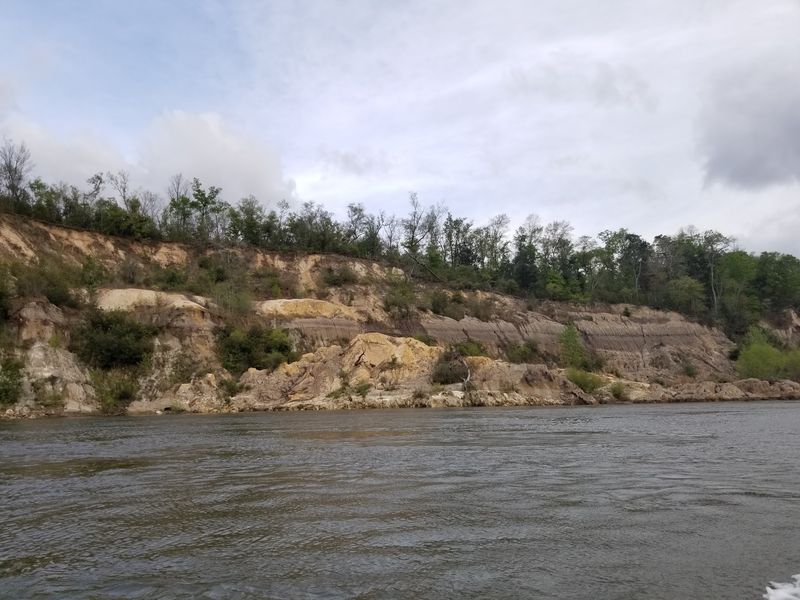
The largest exposed geological formation in Florida towers over the Apalachicola River, showing off layers millions of years old.
Alum Bluff rises roughly 135 feet and reveals bands of clay, sand, and fossil-bearing rock. It sits on land managed by The Nature Conservancy, reached by a moderate hiking trail through the Garden of Eden.
The overlook at the top gives a sweeping view of the river valley below. The trail is a few miles round trip, so decent walking shoes help.
Access is free, though it is a bit remote, making it a rewarding stop for anyone exploring the Panhandle.
13. Devil’s Den Spring, Williston
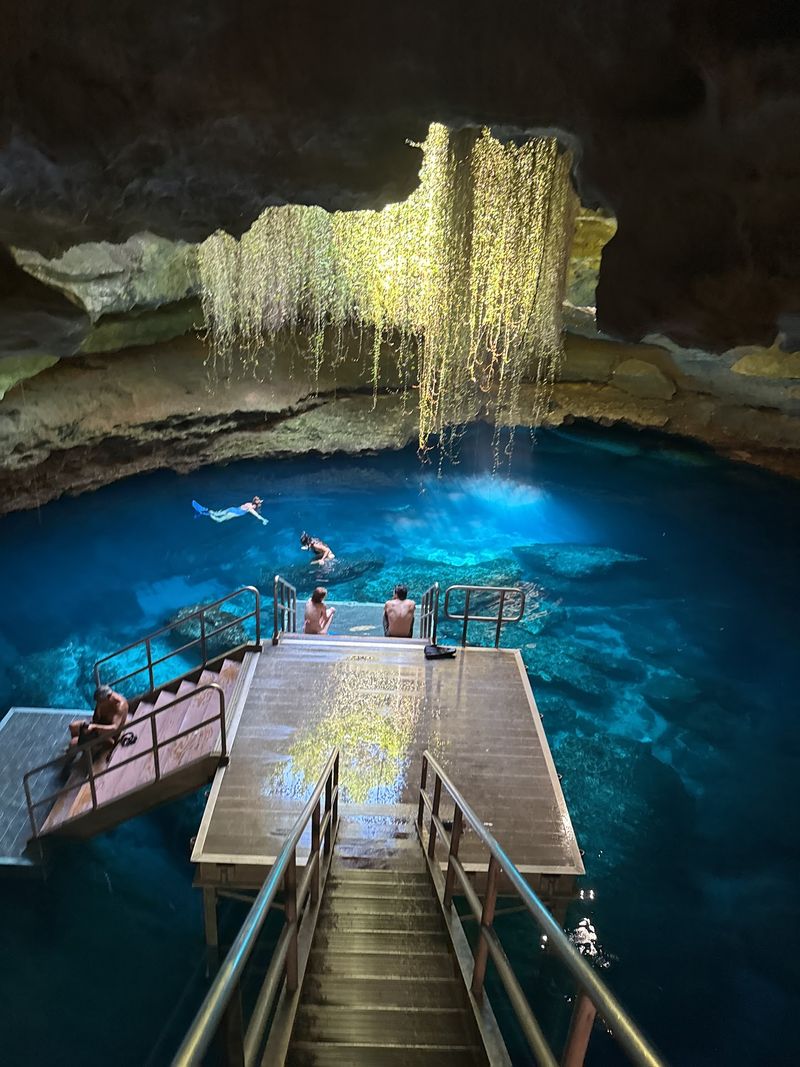
Picture a spring hidden inside a cave, with sunlight beaming down through a hole in the rocky ceiling.
Devil’s Den near Williston is a prehistoric spring inside a collapsed cavern, and it is a favorite for snorkeling and scuba diving. The water stays a steady 72 degrees year-round, and ancient fossils have been found in its depths.
It is privately owned and requires reservations, so this is not a walk-up spot. Snorkelers and divers descend a staircase into the underground pool.
There is a fee for entry and equipment, and booking ahead is essential because slots are limited.
14. Blue Spring State Park, Orange City
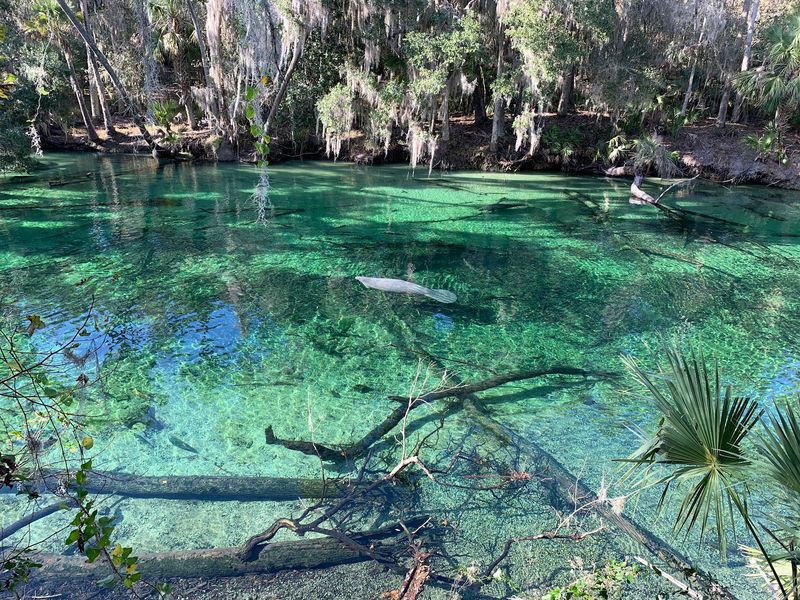
In winter, hundreds of manatees crowd into this warm spring run bordered by exposed limestone banks.
Blue Spring State Park near Orange City is one of the best manatee-viewing spots in the state during colder months. A boardwalk follows the spring run, giving clear views of the animals and the rocky spring boil.
Warmer months open the spring up for swimming, snorkeling, and paddling in the clear water. The spring pushes out a huge volume of water at a constant 72 degrees.
Entry is a small per-vehicle fee, and manatee season means the park often reaches capacity early.
15. Anastasia State Park, St. Augustine
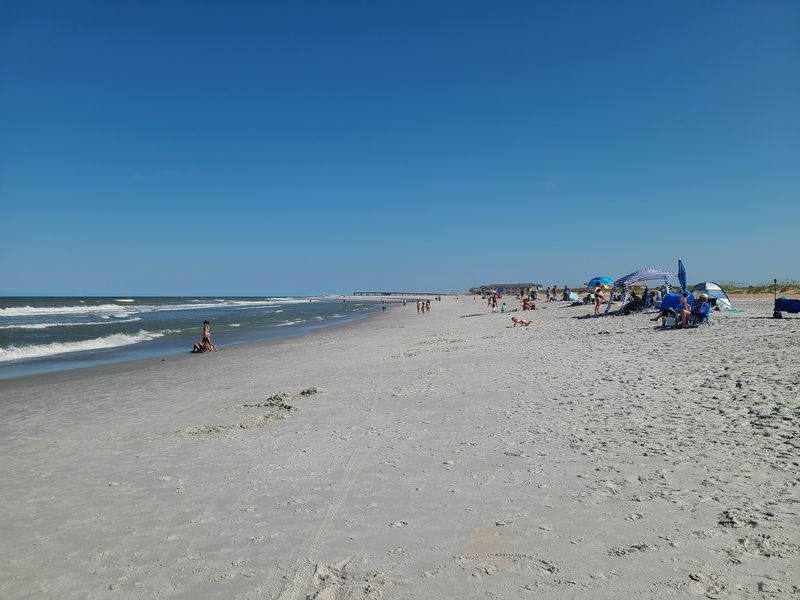
The soft coquina rock quarried here helped build the oldest masonry fort in the country nearby.
Anastasia State Park in St. Augustine sits on the same coquina formation used to construct the Castillo de San Marcos. Along the beach and tidal areas, you can spot exposed rock and the ancient quarry site within the park.
Beyond the geology, the park offers miles of beach, dunes, a tidal marsh, and camping. Birdwatching and paddling are popular in the calmer inlet waters.
There is a small per-vehicle entry fee, and it pairs perfectly with a trip into historic downtown St. Augustine.