

Affiliate disclosure: As an Amazon Associate I earn from qualifying purchases. Learn more
Nature photography demands the right glass to capture everything from soaring eagles to tiny dewdrops on petals. Whether you are stalking wildlife across a meadow, framing mountain vistas, or getting nose-to-nose with a butterfly, your lens choice makes all the difference. The good news? Camera makers have released incredible options that cover every nature scenario you can imagine. Read on to discover which lenses will transform your outdoor adventures into gallery-worthy images.
1. Sony FE 200–600mm F5.6–6.3 G OSS (Sony E)
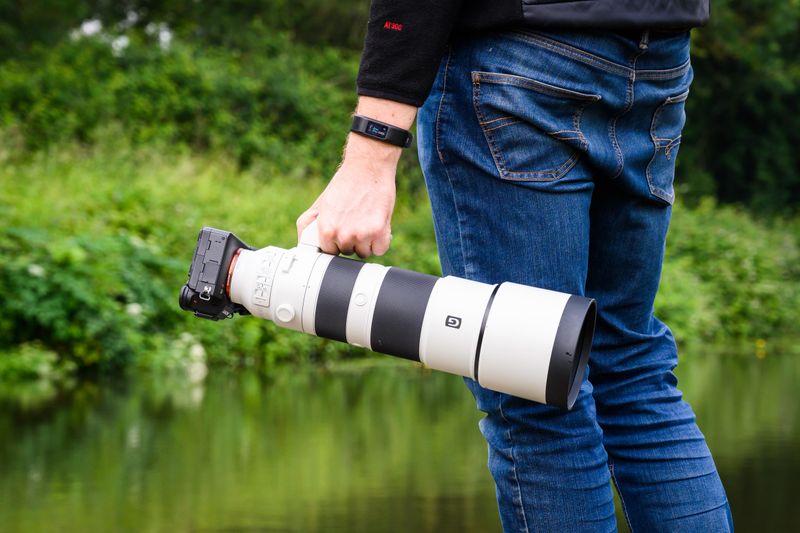
Birds perched on distant branches become frame-filling portraits with this super-telephoto workhorse. Sony designed the 200–600mm range specifically for shooters who spend entire days tracking wildlife and need flexibility without swapping glass.
Built-in optical stabilization keeps your shots crisp even when handholding at 600mm. The zoom ring is smooth enough for quick adjustments when your subject decides to fly closer or dart away. Weight and balance feel manageable for extended hikes, yet the optics deliver sharp results that rival much pricier primes.
2. Nikon NIKKOR Z 180–600mm f/5.6–6.3 VR (Nikon Z)
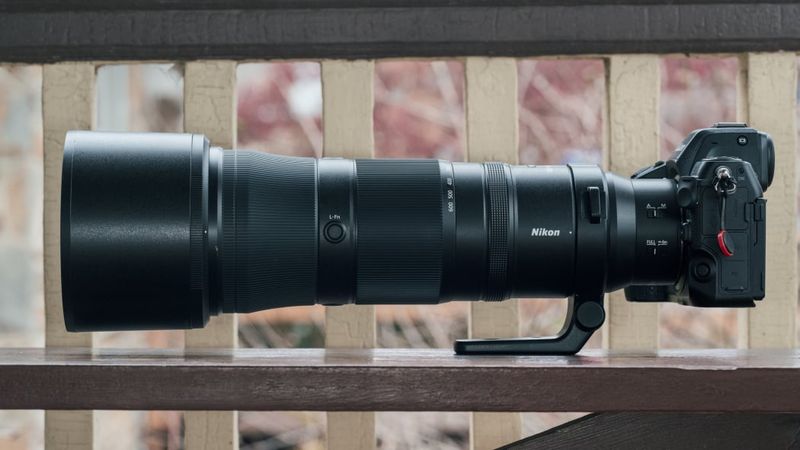
Nikon’s Z-mount system finally got the long-reach zoom that wildlife photographers had been requesting for years. Covering 180 to 600mm means you can shoot everything from elk in a clearing to hawks circling overhead without missing a beat.
Vibration Reduction technology compensates for camera shake across the entire zoom range, which is a lifesaver when you are shooting handheld at dawn. The lens focuses quickly and quietly, so you won’t spook skittish animals. It is equally at home photographing sports or airshows if you ever want a break from critters.
3. Canon RF 100–500mm F4.5–7.1 L IS USM (Canon RF)
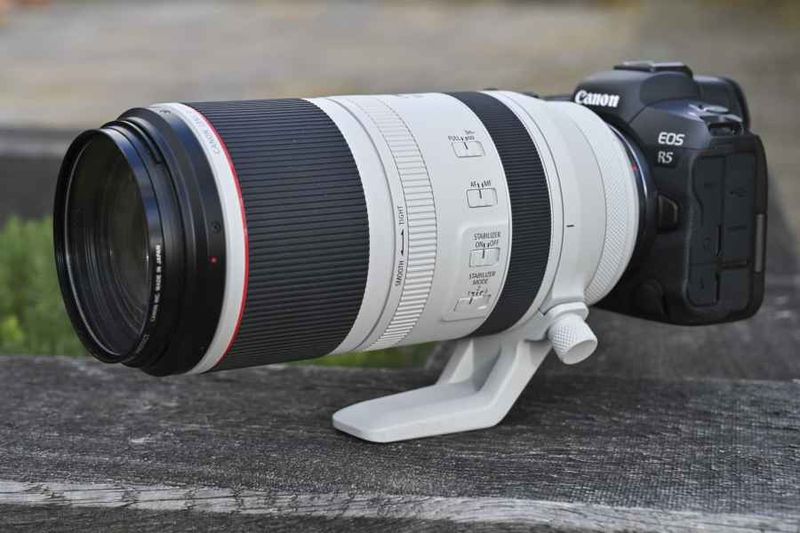
Safari guides and nature travelers love this lens because it covers an enormous range without feeling like a bazooka on your shoulder. Starting at 100mm gives you breathing room for larger animals or environmental portraits, while the 500mm end pulls in distant subjects beautifully.
Canon’s L-series build quality means it can handle dust, moisture, and the occasional bump against a vehicle door. Image stabilization works seamlessly with in-body systems for rock-solid handheld shooting. The autofocus is fast enough to track running cheetahs or diving pelicans with confidence.
4. Canon RF 200–800mm F6.3–9 IS USM (Canon RF)
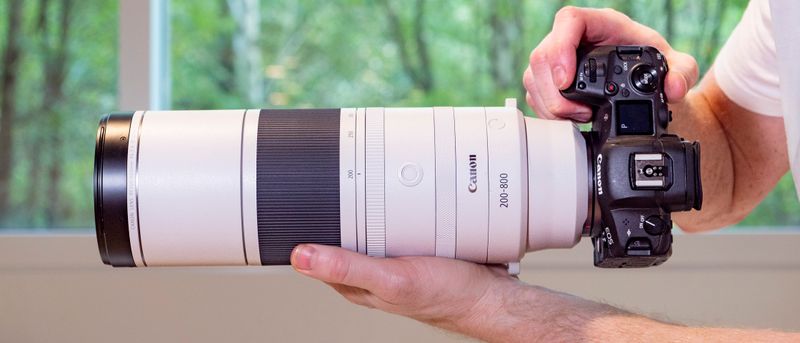
When a bald eagle lands half a mile away and you still want to fill the frame, 800mm becomes your best friend. This lens targets bird photographers and anyone who regularly shoots subjects that refuse to come closer, offering reach that used to require massive prime lenses.
Yes, the maximum aperture gets narrower as you zoom, but modern cameras handle higher ISOs beautifully. Built-in stabilization helps you shoot handheld even at 800mm on bright days. The zoom design means you can adapt instantly if your subject moves, which rigid primes cannot match for versatility.
5. Sony FE 100–400mm F4.5–5.6 GM OSS (Sony E)
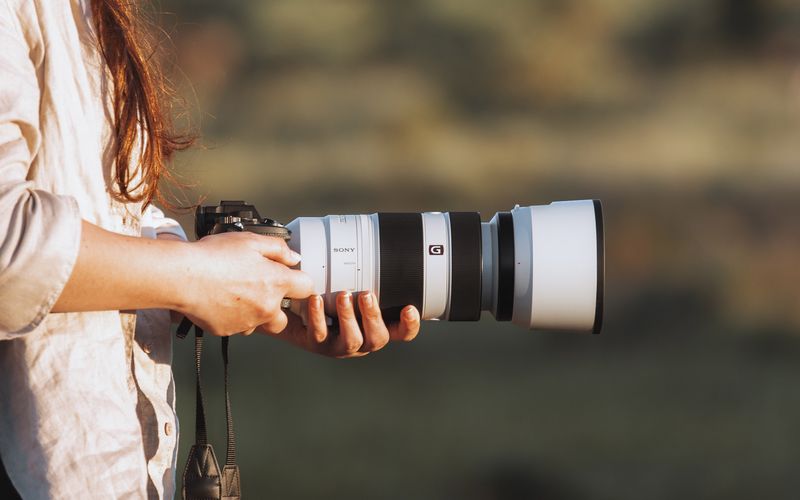
Some photographers find 600mm too cumbersome for the way they shoot, and that is where this GM-series gem shines. Topping out at 400mm keeps the lens nimble and fast-handling, perfect for wildlife that moves unpredictably or when you are hiking steep trails.
The aperture stays relatively bright across the zoom range, giving you better shutter speeds in forest shade or overcast conditions. Optical quality is flagship-level, with minimal color fringing and excellent contrast. If your style favors mobility over maximum reach, this lens will feel like an extension of your camera body.
6. Sigma 150–600mm F5–6.3 DG DN OS | Sports (Sony E / L-mount)
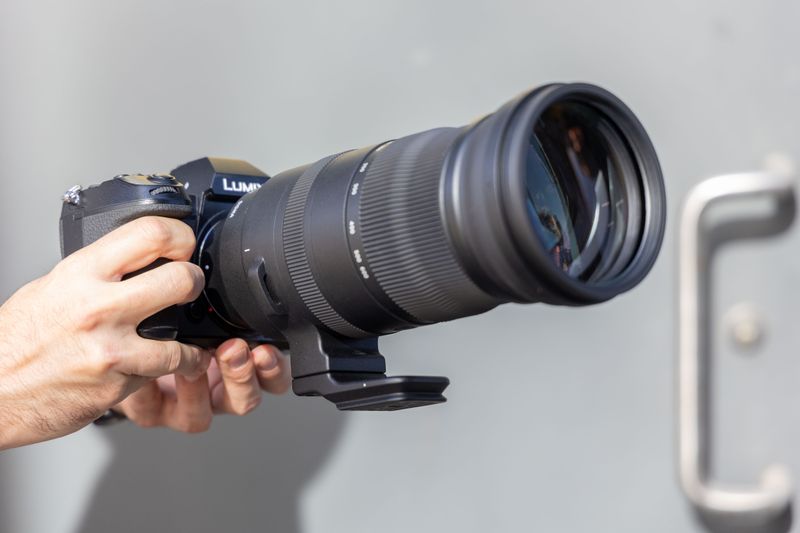
Third-party lenses used to mean compromises, but Sigma’s Sports line flips that script with build quality that rivals first-party glass. Designed for mirrorless systems like Sony E and L-mount, this 150–600mm handles the rigors of professional wildlife work without breaking a sweat.
The barrel is weather-sealed and tough enough for muddy riverbanks or dusty savannas. Optical Stabilization keeps images sharp even when you are shooting from a rocking boat or windy overlook. Autofocus performance is snappy, and the optics deliver crisp detail that holds up to heavy cropping in post-production.
7. Tamron 150–500mm F/5–6.7 Di III VC VXD (Sony E / Nikon Z / Fujifilm X versions)
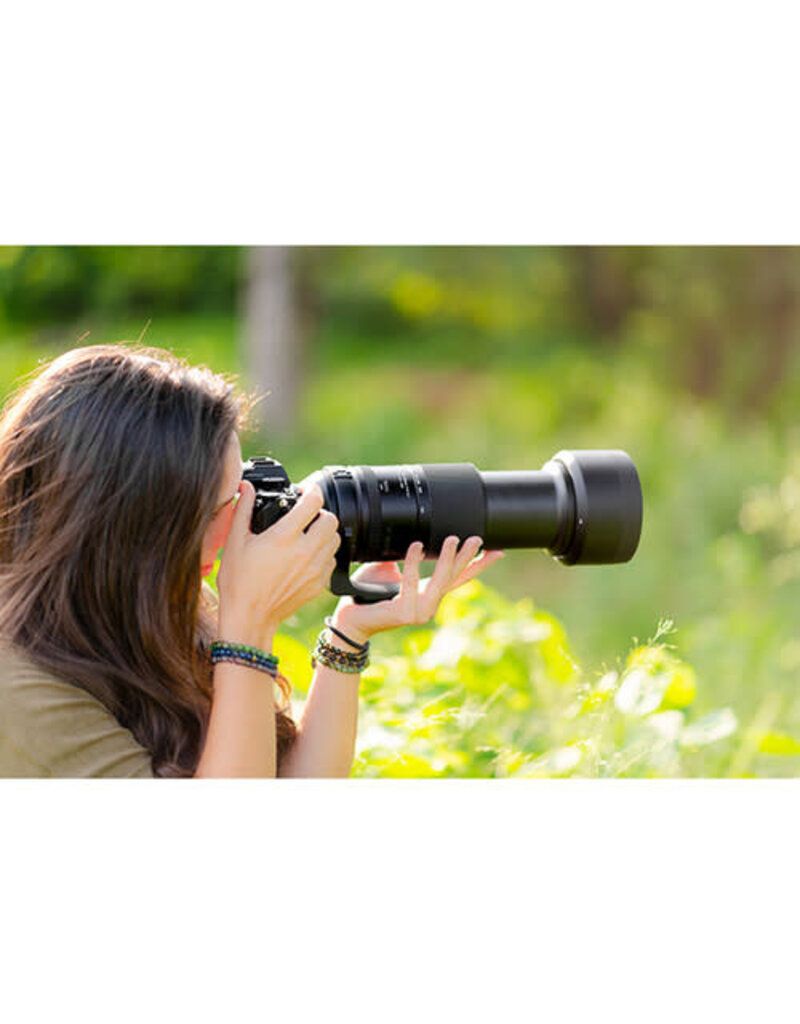
Reaching 500mm usually means lugging around a heavy tube, but Tamron engineered this lens to stay relatively compact and light. The concept is simple: give nature photographers serious reach without forcing them to skip hikes because their gear weighs too much.
Vibration Compensation works hand-in-hand with your camera’s stabilization for impressively steady handheld shots. The VXD autofocus motor is both quiet and quick, ideal for skittish birds or mammals. Available for multiple mirrorless mounts, it is a versatile pick if you ever switch camera systems or shoot with multiple brands.
8. FUJINON XF150–600mmF5.6–8 R LM OIS WR (Fujifilm X)
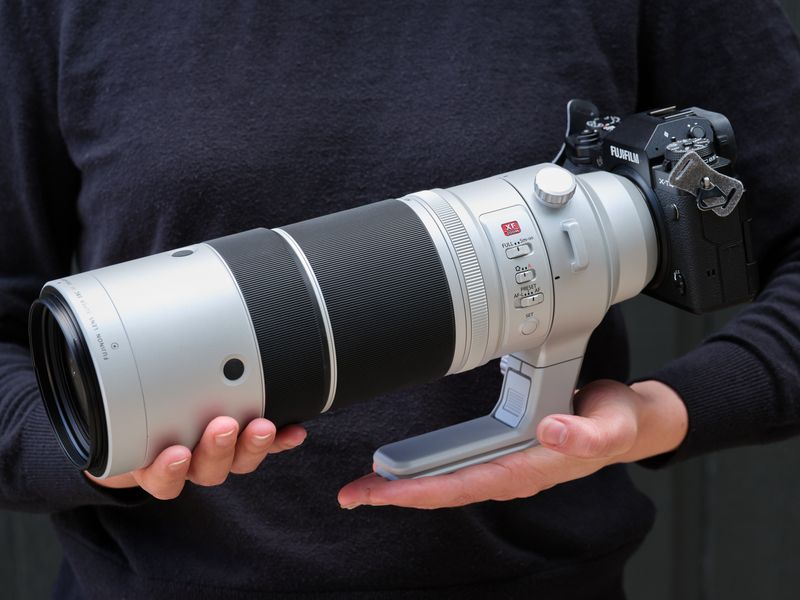
Fujifilm X-mount shooters used to envy full-frame systems for long wildlife glass, but this lens changed the game. Purpose-built for the X system, it delivers 600mm of reach (equivalent to 900mm in full-frame terms) in a package that balances beautifully on Fuji bodies.
Weather resistance lets you shoot in light rain or snow without worry, and the optical image stabilization is robust. The linear motor autofocus tracks moving subjects smoothly, whether you are photographing migrating birds or running foxes. If you are committed to Fujifilm, this is your go-to wildlife companion.
9. OM SYSTEM M.Zuiko Digital ED 150–600mm F5.0–6.3 IS (Micro Four Thirds)
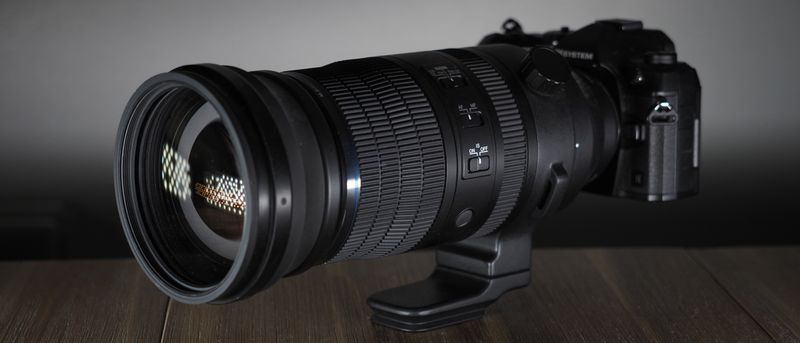
Micro Four Thirds cameras give you a built-in crop factor that turns 600mm into a jaw-dropping 1200mm equivalent. That makes this lens a bird photographer’s dream, offering reach that would require enormous (and expensive) glass on larger sensors.
Despite the long focal length, the lens stays surprisingly manageable in size and weight. Combined with OM SYSTEM’s stellar in-body stabilization, you can shoot handheld at distances that would normally demand a tripod. The optics are sharp enough to resolve fine feather details, and the autofocus keeps up with fast-moving subjects across the frame.
10. Sony FE 90mm F2.8 Macro G OSS (Sony E)
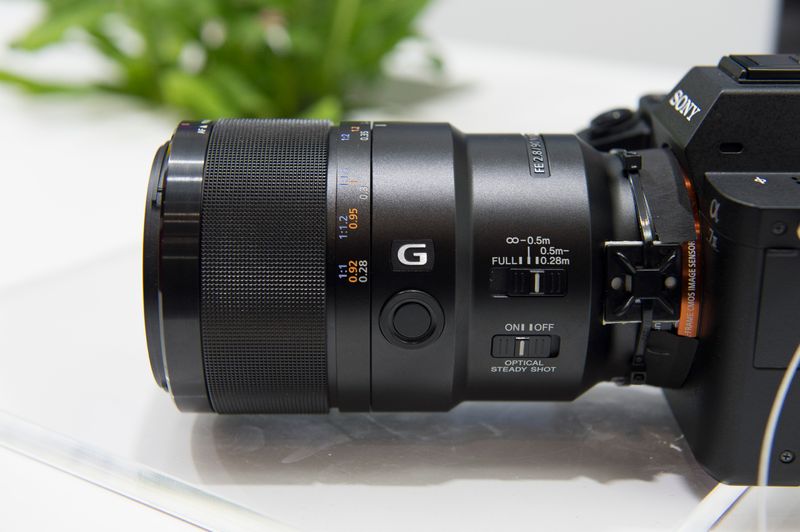
Macro photography opens up an entirely different world, where a beetle becomes a dragon and a flower petal reveals intricate patterns invisible to the naked eye. This 90mm lens reaches true 1:1 magnification, meaning the subject appears life-size on your sensor.
Built-in optical stabilization is crucial when you are working at such close distances, where even breathing can cause blur. The 90mm focal length gives you comfortable working distance so you do not have to press the lens right against a nervous butterfly. Sharpness is stellar, and the smooth bokeh isolates your tiny subjects beautifully.
11. Canon RF 100mm F2.8 L Macro IS USM (Canon RF)
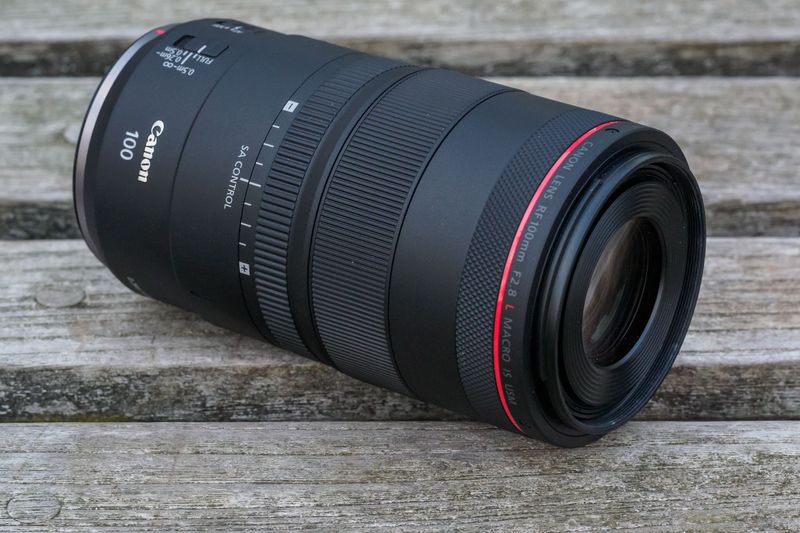
Canon’s RF mount brought fresh optical designs, and this macro flagship showcases what modern engineering can do. At 100mm with a bright f/2.8 aperture, you get enough reach to photograph insects without scaring them away, plus beautiful background blur that makes subjects pop.
The built-in stabilization works with Canon’s in-body systems for up to eight stops of shake reduction, which is almost magical for handheld macro work. A special Spherical Aberration control ring lets you adjust bokeh character, adding creative options beyond simple focus. Whether you are shooting mushrooms, spiders, or dewdrops, this lens handles it all with flagship-level precision.
12. Nikon NIKKOR Z MC 105mm f/2.8 VR S (Nikon Z)
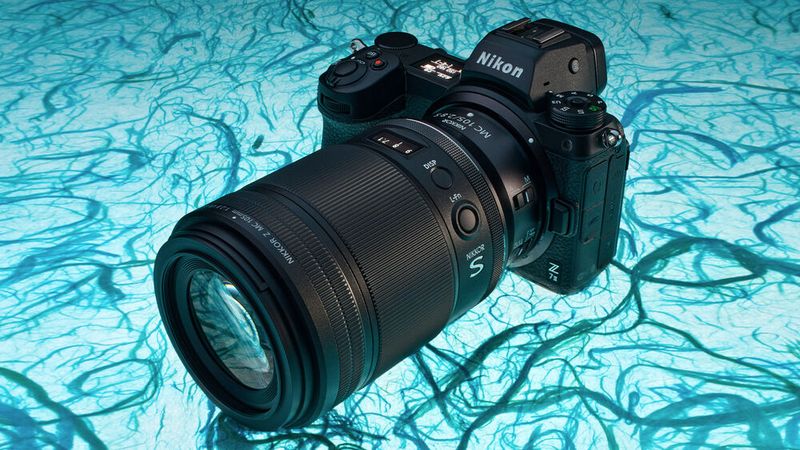
Field macro work demands a lens that can keep up with unpredictable subjects, and Nikon built this 105mm specifically for insects, wildflowers, and other small wonders. The MC designation stands for Micro, Nikon’s term for macro, and the S-line badge promises top-tier optics.
Vibration Reduction is tuned for close-up shooting, where tiny movements get magnified into big blurs. The focus ring is perfectly damped for fine adjustments, and the autofocus can track moving bugs surprisingly well. At f/2.8, you get enough depth of field control to isolate your subject while still capturing important details in sharp relief.
13. Sony FE 16–35mm F2.8 GM II (Sony E)
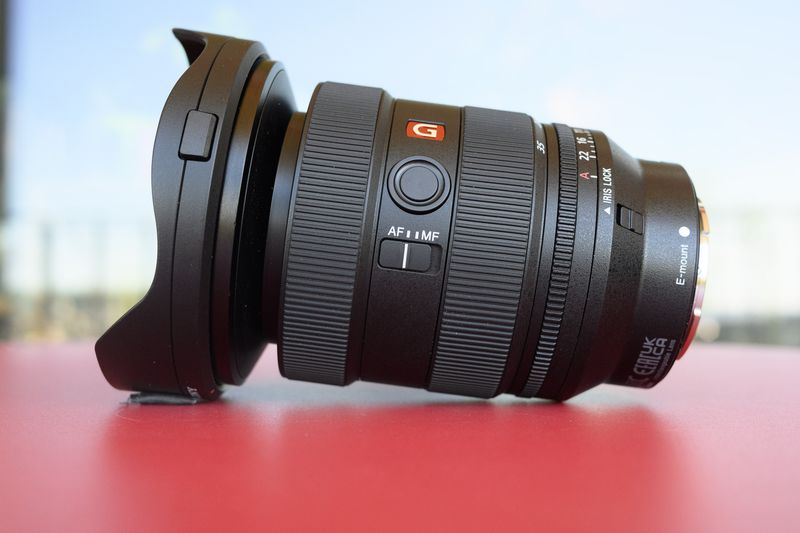
Wide-angle lenses turn vast mountain ranges and sprawling forests into single frames that capture the grandeur of wild places. This second-generation GM lens improves on an already excellent design, delivering edge-to-edge sharpness that landscape photographers crave.
The constant f/2.8 aperture is fast enough for handheld shooting in dim forest light or even nighttime star trails. From 16mm to 35mm, you have flexibility to frame everything from sweeping vistas to tighter environmental scenes. Build quality is weather-sealed and robust, ready for alpine hikes or coastal spray. If you shoot astro-landscapes, the corner sharpness and minimal coma make stars look like pinpoints.
14. Canon RF 15–35mm F2.8 L IS USM (Canon RF)
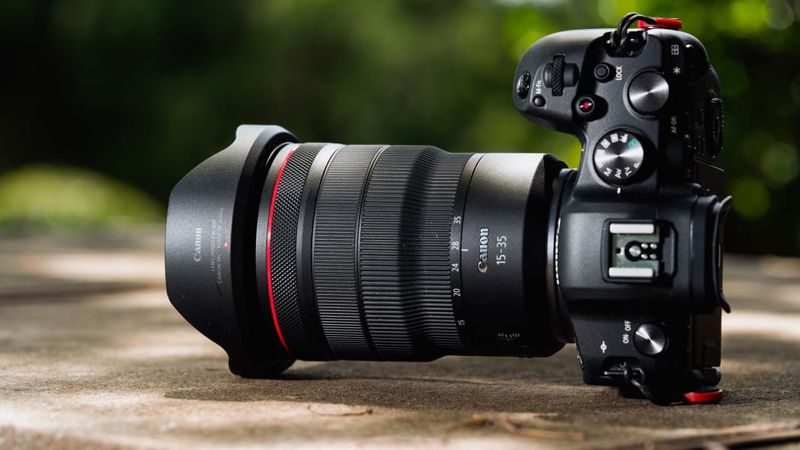
Expansive coastlines, towering redwoods, and dramatic mountain peaks all demand a lens that can capture the full scope of a scene. Canon’s RF 15–35mm delivers that width with a bright f/2.8 aperture and the optical quality you expect from an L-series lens.
Built-in image stabilization is a rare feature in wide zooms and proves invaluable when shooting handheld at twilight or in shaded canyons. The 15mm wide end is dramatic without veering into fisheye territory, while 35mm offers a more natural perspective for environmental portraits. Weather sealing and solid construction mean you can shoot in rain, snow, or dusty conditions without hesitation.
15. Nikon NIKKOR Z 14–30mm f/4 S (Nikon Z)
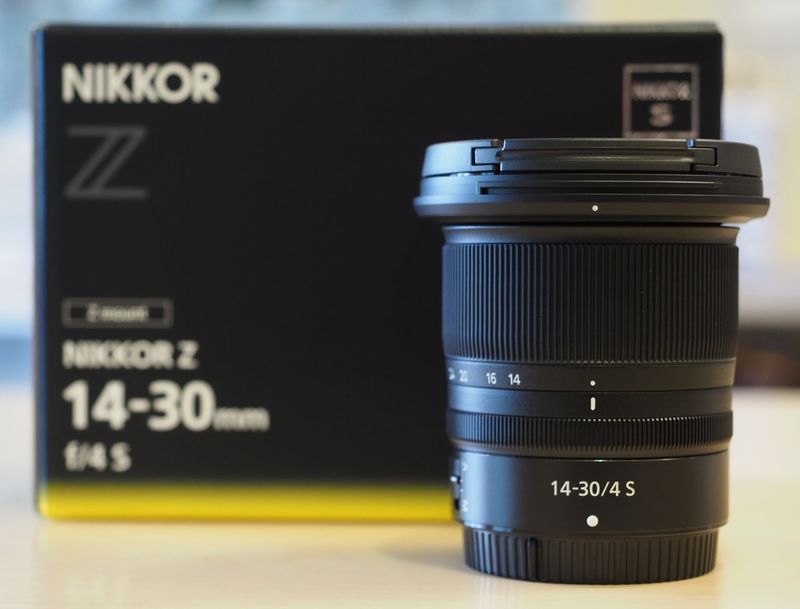
Not every landscape shooter needs f/2.8, and Nikon recognized that by designing this compact f/4 ultra-wide. You save weight, size, and money while still getting S-line optical quality that resolves incredible detail from corner to corner.
Starting at 14mm gives you an ultra-wide perspective perfect for tight canyons or vast deserts, and the constant f/4 aperture keeps exposure consistent as you zoom. The lens is small enough to carry all day without fatigue, which matters when you are hiking miles to catch sunrise light. If you prioritize portability and excellent image quality over the fastest aperture, this lens hits a sweet spot.