Affiliate disclosure: As an Amazon Associate I earn from qualifying purchases. Learn more
Camping in the rain can be magical if you’re prepared, but miserable if you’re not. Wet weather doesn’t have to ruin your outdoor adventure when you pack the right gear. Smart campers know that staying dry, warm, and comfortable requires more than just hoping the clouds will clear. With these essential items in your pack, you’ll be ready to enjoy nature no matter what the sky throws at you.
1. A Waterproof Tent With a Full-Coverage Rainfly

When rain is in the forecast, your tent becomes your shelter, not just somewhere to sleep. Look for a waterproof tent with a minimum 1500 to 3000 mm hydrostatic head rating for both the fly and floor.
A full-coverage rainfly that extends well over doors and windows makes all the difference, not just a small cap on top. This design dramatically improves weather protection and helps keep the inside of your tent dry.
The rainfly can also add a bit of insulation by trapping a layer of air between it and the tent body. This extra barrier keeps you warmer and more comfortable throughout the night.
2. Tent Footprint or Groundsheet

Protecting your tent floor from below is just as important as shielding it from above. A footprint goes under your tent and guards the floor from abrasion and, crucially in rain, from groundwater seeping up.
Camping guides consistently recommend using a footprint slightly smaller than the tent floor so it doesn’t collect water around the edges. Choose a durable, waterproof material to prevent moisture from wicking into your sleeping area.
If you don’t have a manufacturer footprint, a trimmed tarp that’s slightly smaller than your tent base works perfectly. This simple layer can make the difference between a dry night and a soggy disaster.
3. Extra Tarp and Guylines

A separate tarp ranks among the most versatile rainy-day essentials you can carry. String it up as a kitchen or hang-out shelter where you can cook and relax without getting soaked.
Many campers use tarps to set up their tent under cover so the interior stays dry, a common tip in wet-weather camping guides. Bring one or two lightweight tarps along with extra guylines and stakes for different configurations.
A few carabiners or clips make it easy to rig different setups between trees or trekking poles. The flexibility of a good tarp system can transform a dreary camp into a functional, comfortable base.
4. Waterproof, Breathable Rain Jacket and Rain Pants

A proper rain shell is non-negotiable in wet weather. Outdoor layering guides suggest using a waterproof, windproof outer shell to block rain and wind while you’re moving or standing still.
Materials marketed as breathable, like Gore-Tex and similar membranes, allow sweat vapor to escape so you don’t get soaked from the inside. This balance between waterproofing and breathability keeps you comfortable during active hiking.
Pair a good rain jacket with waterproof rain pants so you’re not sitting around in soaked hiking trousers once the showers start. Quality rain gear is an investment that pays off every single time the weather turns.
5. Moisture-Wicking Base Layers (No Cotton)

Experienced hikers repeat the saying cotton kills in cold and wet conditions for good reason. Research and outdoor experts generally advise against cotton because it absorbs moisture and dries slowly, leaving you damp and cold.
Wearing wet cotton increases risk of discomfort, chafing, and even hypothermia in cool, wet environments. Instead, pack synthetic materials like polyester or nylon, or merino wool base layers that wick moisture and dry quickly.
Bring extra pairs of socks in these materials for swapping out during the day. Fresh, dry base layers can boost your morale and safety when the rain just won’t quit.
6. Dry Bags and Waterproof Stuff Sacks

Keeping gear dry is just as important as keeping yourself dry. Rain-camping guides consistently recommend dry bags and waterproof backpacks to protect extra clothing, sleeping clothes, food, and electronics.
Waterproof storage prevents soggy gear and reduces the chance of critical items, like your warm layers, becoming unusable. Roll-top dry bags in different sizes work best for organizing your pack.
Consider color-coding or labeling each bag so you know what’s inside without opening them in the rain. This system saves time and keeps everything organized, even when conditions are challenging and visibility is low.
7. Backpack Rain Cover or Pack Liner

Even when you use dry bags, a pack cover or pack liner adds another layer of defense against the elements. Backpack covers are designed to fit specific pack sizes and keep most rain off the exterior.
Heavy-duty trash bags or purpose-built pack liners can be used inside your backpack to protect everything at once. Many rainy-camping checklists suggest using both a liner and some dry bags for important items.
This double-layer approach ensures that even if water gets past your pack cover, your gear stays safe and dry. It’s a simple precaution that can save your trip from turning into a wet mess.
8. Quick-Drying Microfiber Towels

Quick-dry towels are frequently recommended for camping in wet climates because they absorb water fast and dry much quicker than cotton bath towels. They help you wipe down condensation or damp gear inside your tent.
Some rainy-camping gear lists even put quick-dry towels at the top, highlighting how handy they are in humid, wet campsites. Bring at least one body-sized towel for personal use.
Pack one small towel for wiping gear or inside the tent so moisture doesn’t build up. These compact towels take up minimal space but deliver maximum utility when everything around you is dripping wet.
9. Waterproof Footwear and Spare Camp Shoes

Wet feet are more than uncomfortable; they can contribute to blisters and increase your risk of getting chilled. Good rainy-day practice is to wear waterproof hiking boots or shoes, or trail shoes paired with waterproof socks if you prefer.
Bring a pair of lightweight camp shoes, like sandals or clog-style shoes, to change into at camp so your main footwear can air out. This combo keeps you safer on muddy trails while still giving your feet a break.
Switching between shoes prevents constant dampness and allows each pair to dry. Happy, dry feet make for a much more enjoyable camping experience overall.
10. Warm, Insulated Sleeping System

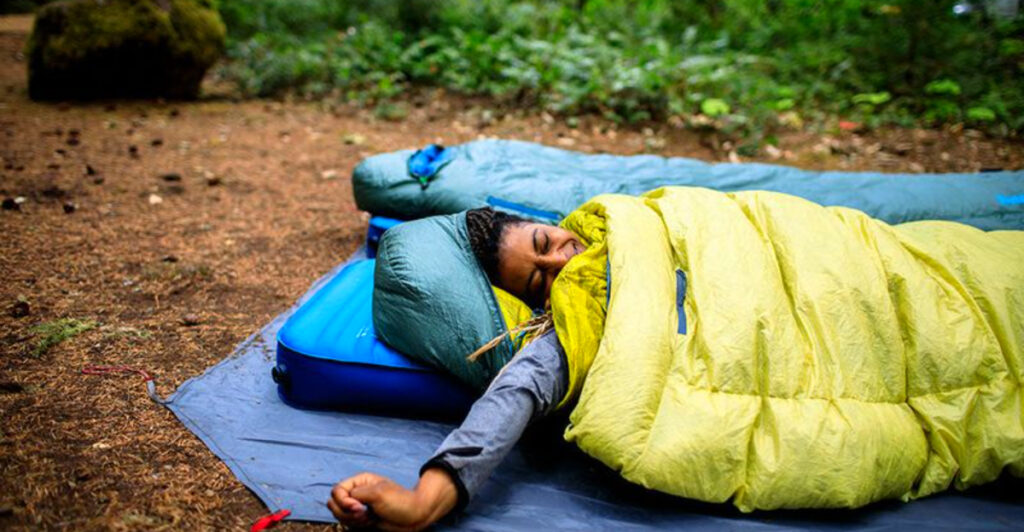
Staying warm and off damp ground is crucial in rain. Wet-weather camping guides usually recommend a full sleep system that includes a sleeping pad for insulation from cold, wet ground.
Choose a sleeping bag rated for the expected nighttime temperatures, preferably with some water-resistance built in. Add an extra blanket or liner if you get cold easily or if temperatures drop unexpectedly.
Pack your sleeping bag and spare sleep clothing in a dry bag or waterproof compression sack so they stay absolutely dry until you’re ready to use them. A warm, dry sleeping system is your ticket to a restful night.
11. Headlamp With Water Resistance

A hands-free light is always a camping essential, but in rain, it becomes even more important. It allows you to pitch or adjust your shelter in the dark without fumbling with a flashlight.
Many modern headlamps are designed to be water-resistant, often rated IPX4 or better, meaning they can withstand splashes and rain. Look for models with adjustable brightness and long battery life.
Bring spare batteries or a power bank if your headlamp is rechargeable so you’re never left in the dark. A reliable headlamp keeps your hands free for setting up camp, cooking, or reading safely in your tent.
12. Fire-Starting Kit in a Waterproof Container

Lighting a fire safely in wet conditions is harder, but still useful for warmth and morale where campfires are allowed. Reliable sources recommend bringing waterproof matches or storm matches that ignite even when damp.
Include a reliable lighter and solid fire starters, such as cotton balls in petroleum jelly or commercial fire cubes. Store everything in a waterproof case or small dry bag so your fire-starting tools work when you really need them.
Having a backup fire source can lift spirits and provide heat for drying gear or warming up after a long, wet day on the trail.
13. Warm Hat and Gloves (Even in Mild Conditions)

Hypothermia doesn’t require sub-zero temperatures; it can develop in cool, wet, and windy weather, especially when clothing is damp. That’s why many camping resources recommend packing a warm beanie or hat made of synthetic or wool materials.
Insulating gloves or mittens that still function when slightly damp are equally important for protecting your hands. These small items make a big difference when you’re standing around camp in persistent drizzle and wind.
Don’t underestimate how much heat you lose through your head and hands. Keeping these areas covered can prevent a dangerous drop in body temperature and keep you comfortable all day long.
14. Heavy-Duty Trash Bags or Contractor Bags

They’re simple but incredibly useful, and they show up often in rainy-weather camping checklists. Use them to line your backpack as an extra waterproof barrier or to store wet or dirty clothes separately from clean gear.
Protect gear you leave under your tarp with these versatile bags, and pack out trash to keep your campsite clean. They’re cheap, light, and multi-purpose, exactly what you want in an emergency or wet-weather kit.
Contractor bags are especially tough and puncture-resistant, making them ideal for rough outdoor use. Toss a few in your pack and you’ll find endless ways to use them when the rain starts falling.