
Affiliate disclosure: As an Amazon Associate I earn from qualifying purchases. Learn more
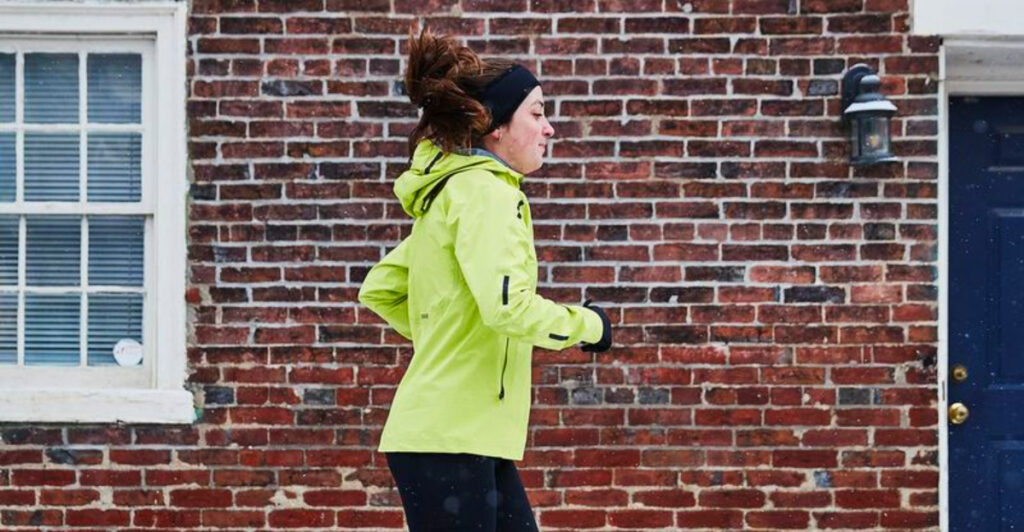
When frost coats your windows and your breath turns to fog, the right gear makes all the difference between a miserable shuffle and an invigorating morning run. Cold air, biting wind, and slippery paths can turn you back to the couch unless you layer smart and choose fabrics that work with your body instead of against it. This guide walks you through 14 essential pieces that will keep you warm, dry, visible, and confident all winter long.
1. Thermal, moisture-wicking base layer (top)

Cotton might feel soft at first, but it becomes your worst enemy the moment you start sweating. Moisture gets trapped against your skin, and suddenly you are shivering instead of warming up. A thermal base layer made from synthetic fabrics or merino wool pulls sweat away from your body and helps it evaporate quickly.
Look for tags that say moisture-wicking, merino, or polypropylene. The fit should be snug but not so tight that it squeezes you like a sausage. This layer sits right against your skin, so comfort and breathability matter more than style.
Think of it as your second skin for winter miles.
2. Insulating mid-layer (lightweight fleece or grid-knit)

Your base layer handles sweat, but your mid-layer traps warm air close to your chest and back. Lightweight fleece or grid-knit fabrics create tiny pockets of insulation without turning you into a walking oven. When you hit a steep hill and your heart rate spikes, you need a way to dump excess heat fast.
That is where a half-zip design shines. Unzip a few inches and let steam escape without stopping your stride. Look for materials labeled as grid fleece or light fleece.
This layer keeps you cozy on flat stretches and adaptable when the effort ramps up.
3. Wind-resistant shell or softshell jacket

Wind can steal your body heat faster than cold air alone. Even a light breeze cuts through regular fleece and chills you to the bone. A thin shell with a windproof front panel acts like a shield, blocking gusts while still letting moisture escape from your back and underarms.
Search for jackets with a windproof or wind-resistant rating. Vents under the arms or across the back keep airflow moving when you work hard. Reflective details are a bonus for early-morning or evening runs.
This outer layer turns brutal wind into a manageable annoyance instead of a deal-breaker.
4. Thermal running tights (or lined joggers)

Regular running tights work fine in autumn, but once temperatures drop below freezing, you need something with a brushed or fleece-backed interior. These thermal tights trap warmth against your legs while still wicking away sweat. Your quads and hamstrings generate a lot of heat when you run, so breathability still matters.
Look for terms like brushed, thermal, or fleece-backed on the product label. Some tights also feature wind-panel fronts that protect your thighs from cutting gusts on exposed routes.
Your legs will thank you when the windchill dips and the pavement glitters with ice.
5. Merino or synthetic running socks (crew height)

Warm feet make every mile feel easier, while cold, clammy toes can ruin your entire run. Cotton socks soak up sweat and stay wet, turning your feet into little ice blocks. Merino wool or synthetic blends wick moisture and insulate even when damp, keeping your toes toasty through the coldest stretches.
Crew height is key because it protects your ankles from drafts that sneak in above your shoe collar. Merino blends offer natural odor resistance, which is a nice perk if you run several days in a row.
Invest in a few pairs and rotate them to keep your feet happy all season.
6. Breathable beanie or ear-warmer/headband

Your ears have almost no natural insulation, so when wind hits them, the cold feels sharp and immediate. A lightweight beanie or ear-warmer headband shields your ears and forehead without causing your head to overheat. Heavy wool caps soak up sweat and turn soggy, which defeats the purpose.
Choose a thin, wicking knit made from synthetic or merino fabric. It should fit snugly enough to stay put when you pick up the pace but not so tight that it gives you a headache.
This small piece of gear makes a huge difference in comfort and focus during frosty miles.
7. Thermal gloves or convertible mitts

Fingers lose heat quickly because they have less muscle mass and more surface area exposed to cold air. Mitts keep your digits bundled together, sharing warmth like a team huddle. Convertible mitts let you flip back the mitten cap to free your fingers when you need to adjust your watch or grab a snack.
Look for touchscreen-compatible fingertips and windproof panels across the back of the hand. For temperatures below freezing, consider wearing thin glove liners under your mitts for an extra layer of protection.
Your hands control your water bottle, your phone, and your pace, so keep them warm and functional.
8. Neck gaiter / buff

Wind cuts across your neck and face, stealing warmth and making every breath feel harsher. A neck gaiter or buff wraps around your throat and can be pulled up over your mouth to pre-warm the air you inhale. This simple trick reduces the burning sensation in your lungs when temperatures plummet.
Choose a lightweight, stretchy fabric that dries fast, like merino or synthetic blends. It should be breathable enough that it does not trap too much moisture against your skin.
Tuck one in your pocket or wear it around your wrist, and pull it on when the wind picks up or the trail turns exposed.
9. Traction add-ons or winterized running shoes

Packed snow and ice turn familiar routes into slip-and-slide hazards. Regular running shoes lose grip fast when the ground freezes. Winterized shoes feature rubber compounds that stay flexible in the cold and deeper lugs that bite into snow and slush.
If your favorite shoes lack winter traction, detachable traction devices slip over the sole and add metal or carbide spikes for extra grip. Just remember to remove them before hitting bare pavement, or you will feel like you are running on marbles.
Confidence in your footing lets you focus on your pace instead of worrying about wiping out on every corner.
10. Water-resistant outer layer for sleet or slush

Staying dry is just as important as staying warm, because wet fabric loses its insulating power fast. When sleet or slush falls, a water-resistant outer layer with a DWR (durable water-repellent) finish keeps moisture from soaking through to your base and mid-layers.
Look for jackets or tights with sealed or offset zippers, which help block water from sneaking in through the gaps. This layer does not need to be fully waterproof like a rain shell, just resistant enough to shed light precipitation.
Pair it with your wind-resistant shell for maximum protection on messy winter mornings.
11. Headlamp + reflective/hi-vis details

Winter mornings and evenings often mean running in the dark, and drivers have a harder time seeing you in low light. A lightweight headlamp with 150 to 300 lumens illuminates your path and helps you spot icy patches or uneven pavement. Reflective elements on your jacket, tights, or shoes bounce back car headlights, making you visible from a distance.
A hi-vis vest adds an extra layer of safety if your route crosses busy intersections. Choose a headlamp with an adjustable strap that fits over your beanie without bouncing.
Being seen is just as critical as seeing where you are going.
12. Anti-chafe balm (cold-safe)

Chafing does not take a winter vacation. Damp fabric combined with salt from sweat can rub your skin raw, even when you are bundled in layers. Cold air makes skin drier and more sensitive, which means friction hurts even more.
Apply a stick or cream balm to high-friction zones like underarms, waistbands, sports-bra lines, and between your toes before you head out. Look for formulas that stay pliable in low temperatures instead of hardening into a useless waxy lump.
A few seconds of prep saves you from painful hot spots that ruin the second half of your run.
13. Hydration that won’t freeze (insulated bottle or belt)

Cold air dries you out just as much as summer heat, but regular water bottles can freeze solid within minutes when temperatures drop. Insulated soft flasks or bottles slow down the freezing process and keep your drink drinkable. Store your bottle upside-down in a hydration belt so the lid stays warmer and does not ice up first.
Warm (not hot) fluids also help maintain your core temperature without shocking your system. Electrolyte drinks with a bit of sugar resist freezing better than plain water.
Do not skip hydration just because it is cold outside; your body still needs it to perform.
14. Lip balm + skin barrier

Cold wind and low humidity strip moisture from your lips and exposed skin, leaving you with painful cracks and windburn. Wax-based lip balm creates a protective seal that locks in moisture and blocks harsh air. A light, occlusive face layer, like a petrolatum-based product, shields your cheeks, nose, and forehead from the elements.
Apply both before you step outside, and tuck the lip balm in your pocket for mid-run touch-ups. These small tubes take up almost no space but make a noticeable difference in comfort.
Protecting your skin keeps your focus on your run instead of on stinging, chapped lips.