Affiliate disclosure: As an Amazon Associate I earn from qualifying purchases. Learn more
We’ve all bought fitness gear that seemed perfect at the store, only to watch it collect dust in a drawer or closet. But some training essentials actually earn their place in your routine because they’re simple, useful, and worth reaching for again and again. Here are the items that stick around because they genuinely help you train better, recover smarter, and stay consistent without adding clutter to your life.
1. Activity-Specific Shoes That Actually Fit
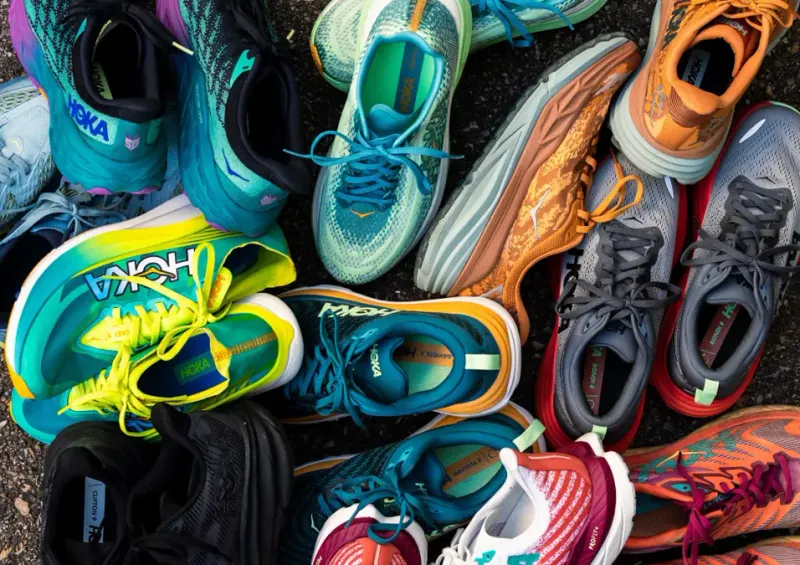
Choosing the right shoes can make or break your training experience. MedlinePlus specifically advises matching shoes to the activity, whether that’s running shoes for running or court shoes for basketball, because each sport demands different support and movement patterns.
Fit matters just as much as type. Shoes that pinch, slide, or cramp your toes will end up abandoned, but ones that feel right from day one become the pair you grab without thinking. Prioritize cushioning and support that match your foot shape and training style, and you’ll actually want to wear them every session.
2. A Water Bottle You’ll Carry (Not Just Own)
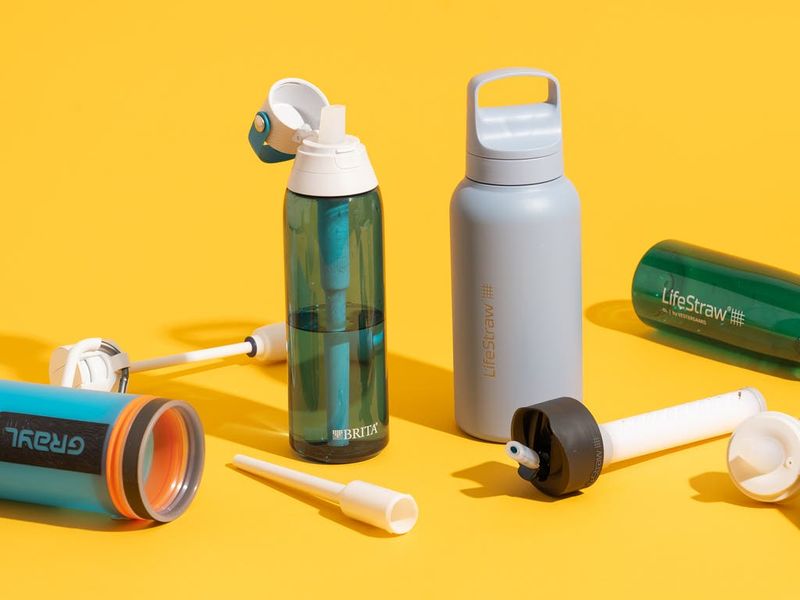
Plenty of water bottles sit unused on shelves, but the one you actually carry becomes part of your routine. Hydration isn’t flashy, yet it’s foundational to how you feel and perform during any physical activity.
ACSM’s guidance emphasizes that adequate fluid replacement helps maintain hydration and supports health, safety, and performance. Find a bottle that fits your hand, your bag, and your habits. Whether it’s insulated, collapsible, or just the right size, the best bottle is the one that’s always with you, not gathering dust at home.
3. Resistance Bands (The Most Always Useful Tool)
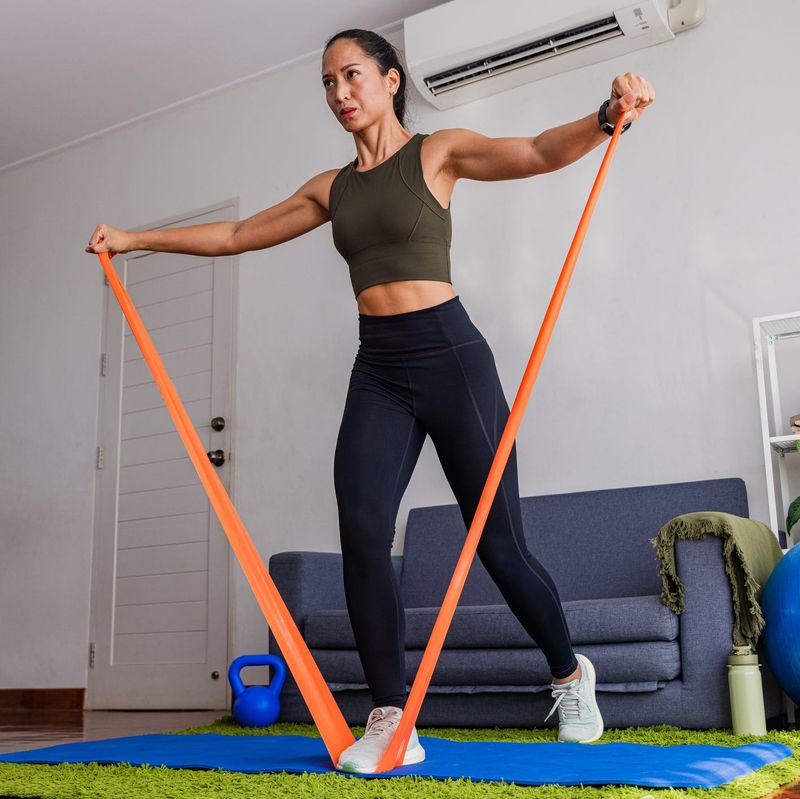
Bands slip into bags, suitcases, and closets without taking up much space, yet they’re flexible enough for strength work, mobility drills, and warm-ups. Recent reviews continue to evaluate elastic band training’s effects across strength and performance outcomes, supporting why they appear in so many real programs.
You can use them at home, at the park, or in a hotel room. They don’t require a rack, a bench, or much floor space. That versatility is exactly why resistance bands stay in rotation instead of getting tossed aside.
4. A Simple Way to Self-Monitor (Watch, Pedometer, or Basic Tracker)
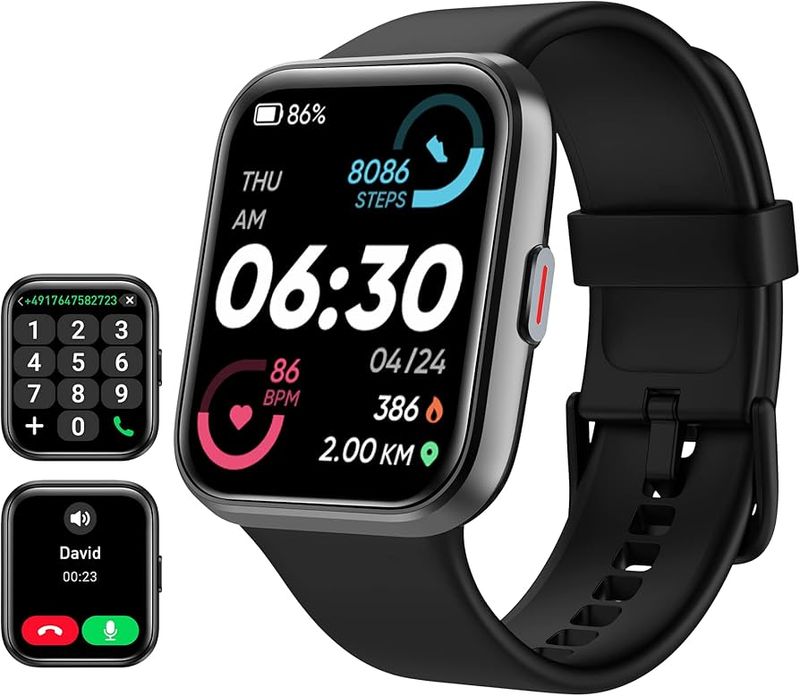
Self-monitoring might sound boring, but it’s one of those habits that quietly works. A large systematic review in The Lancet looked at physical activity interventions using objective self-monitoring with activity monitors, reinforcing why trackers can be more than just step vanity.
Whether it’s a smartwatch, a basic pedometer, or a phone app, having a way to see your effort adds accountability. You don’t need every feature or the newest model. Just something that gives you feedback and helps you notice patterns over time, so progress becomes visible instead of guesswork.
5. A Training Log (Notes App Counts)
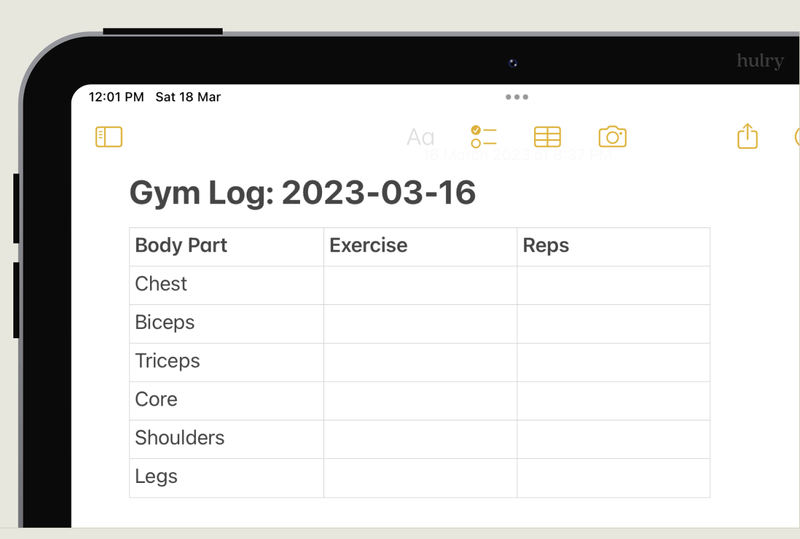
Logging your workouts doesn’t require a fancy journal. A notebook works, but so does your phone’s notes app or any simple tracking tool you’ll actually use. Writing down sets, reps, time, or distance makes progress visible, so you’re not guessing what you did last week or last month.
It pairs naturally with self-monitoring approaches used in physical activity interventions. When you can look back and see improvement, it reinforces the work you’re putting in and helps you adjust when something isn’t working.
6. A Basic Mat You Don’t Slip On
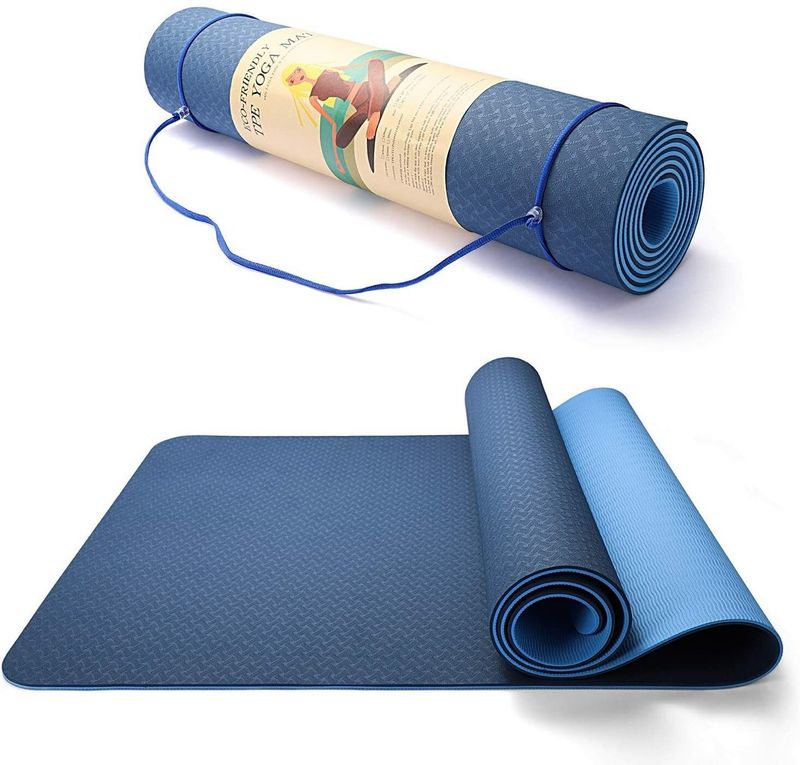
Floor work becomes a lot more appealing when you’re not sliding around or feeling every hard surface under your knees and elbows. Whether it’s core exercises, mobility drills, yoga, or stretching, a mat removes friction in the most literal way.
The best mat isn’t the thickest or the trendiest. It’s the one you’ll roll out without thinking because it’s comfortable, stays in place, and doesn’t smell weird after a few uses. Simple, reliable, and always ready when you need it.
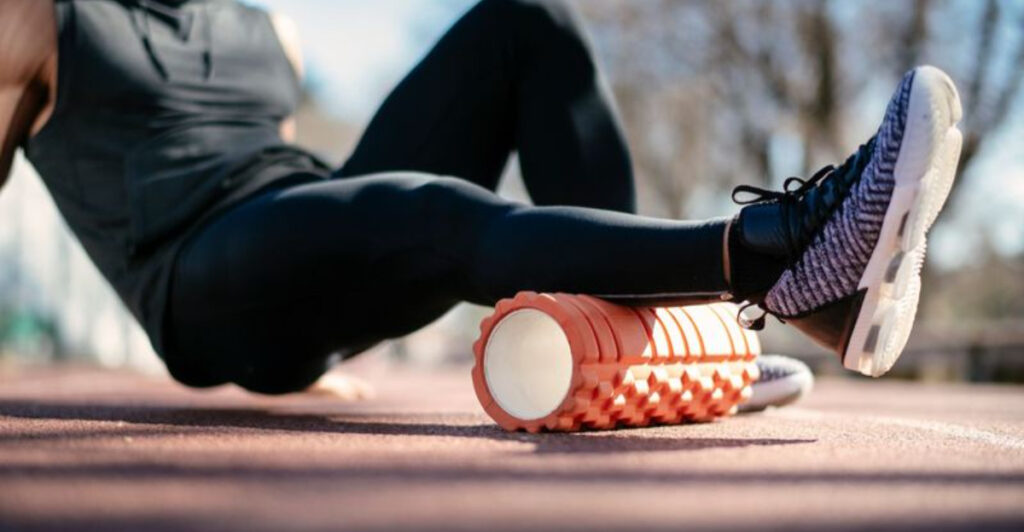
7. A Foam Roller (Or Roller Stick) for Quick, Repeatable Mobility Work
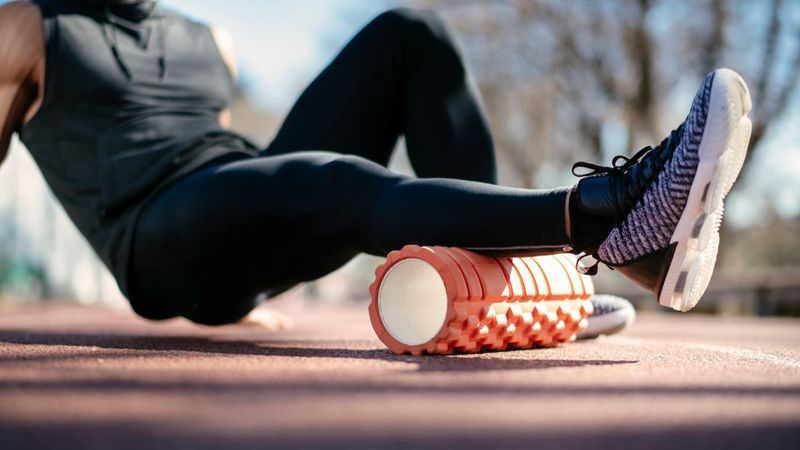
Foam rolling is one of those tools that keeps showing up in routines because it’s easy to use and fits into a few spare minutes. Systematic reviews and meta-analyses report that foam rolling can increase range of motion acutely, which is one reason people keep reaching for it instead of letting it gather dust.
A foam roller or a handheld roller stick gives you a quick, repeatable way to work on tight spots before or after training. It’s not a cure-all, but it’s practical, portable, and genuinely helpful for maintaining mobility.
8. A Short Dynamic Warm-Up You’ll Actually Do
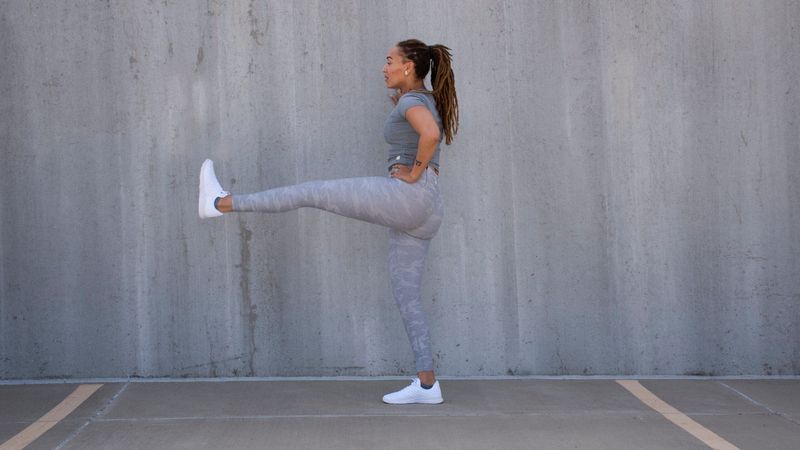
If your warm-up feels like homework, you’ll skip it. Dynamic movement has become the usual go-to because it prepares your body without dragging on forever. Guidance aimed at the public commonly distinguishes dynamic stretching for warming up versus static stretching later, and notes the evidence around static stretching and injury prevention is mixed.
A short routine with leg swings, arm circles, and light movement gets your heart rate up and your joints ready. The key is keeping it simple enough that you’ll actually do it every time, not just when you remember.
9. A Progressible Strength Option (One Kettlebell, Adjustable Dumbbells, or a Gym Pairing)
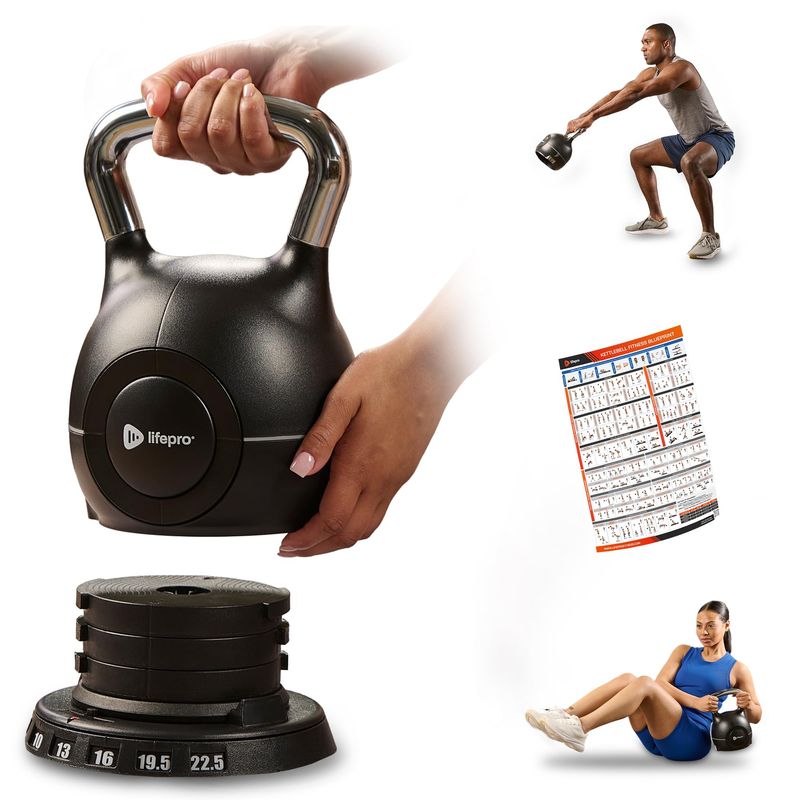
You don’t need a full home gym, but you do need a way to increase challenge over time if strength is part of your goal. ACSM’s resistance training guidance emphasizes progression models and program variables used to drive adaptation, which means your equipment should grow with you.
One kettlebell, a set of adjustable dumbbells, or a consistent gym pairing gives you that path forward. The tool matters less than the ability to add weight, reps, or difficulty as you get stronger, so progress doesn’t stall out.
10. A Sleep Setup You Protect Like Training Time
Sleep isn’t a bonus or something you squeeze in when convenient. It’s part of the program, and treating it that way makes a real difference. Mayo Clinic Health System and sleep-focused medical resources highlight sleep’s role in recovery and performance, putting it in the same serious bucket as training and nutrition.
Protecting your sleep setup means consistent bedtimes, a dark and cool room, and removing distractions that steal rest. When you recover well, you train better, and that starts with treating sleep like the essential it is.
11. A Protein-Forward Post-Training Option You Can Repeat

Forget the magic shake hype. What you need is a reliable protein choice you’ll actually use after training, whether that’s Greek yogurt, eggs, milk, tofu, lean meat, or beans. The ISSN position stand summarizes that resistance exercise and protein ingestion both stimulate muscle protein synthesis and are synergistic when protein is consumed before or after training.
Pick something simple, affordable, and repeatable. The best post-training option is the one that fits your schedule, tastes good enough to eat regularly, and delivers the protein your body needs to recover and adapt.
12. Sunscreen for Outdoor Sessions (Sweat-Friendly Helps)
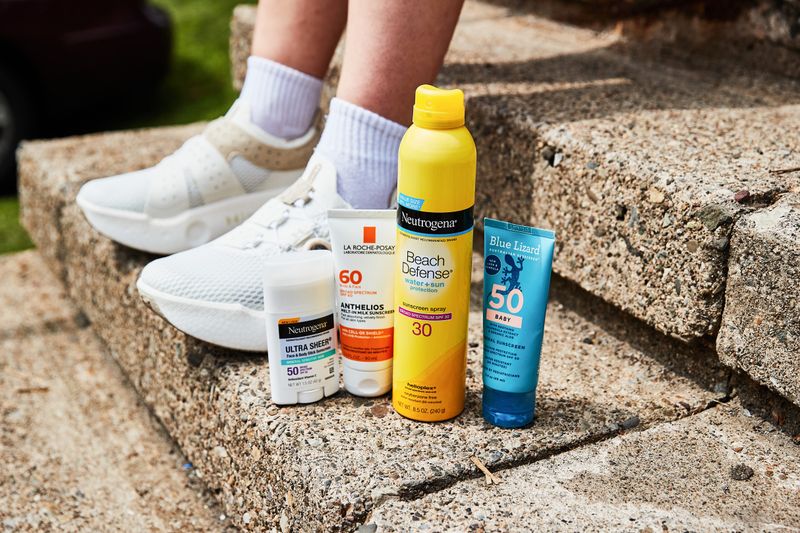
Training outside means sun exposure, and sun protection is a real training essential, not an afterthought. The American Academy of Dermatology recommends broad-spectrum, water-resistant sunscreen with SPF 30 or higher for uncovered skin, especially during walks, runs, hikes, or outdoor workouts.
Sweat-friendly formulas stay put better when you’re moving hard, so you’re not constantly reapplying or dealing with stinging eyes. Keep a bottle in your bag, car, or near your gear, and make it as automatic as grabbing your shoes before heading out the door.
13. Reflective Gear or a Light for Dark Hours
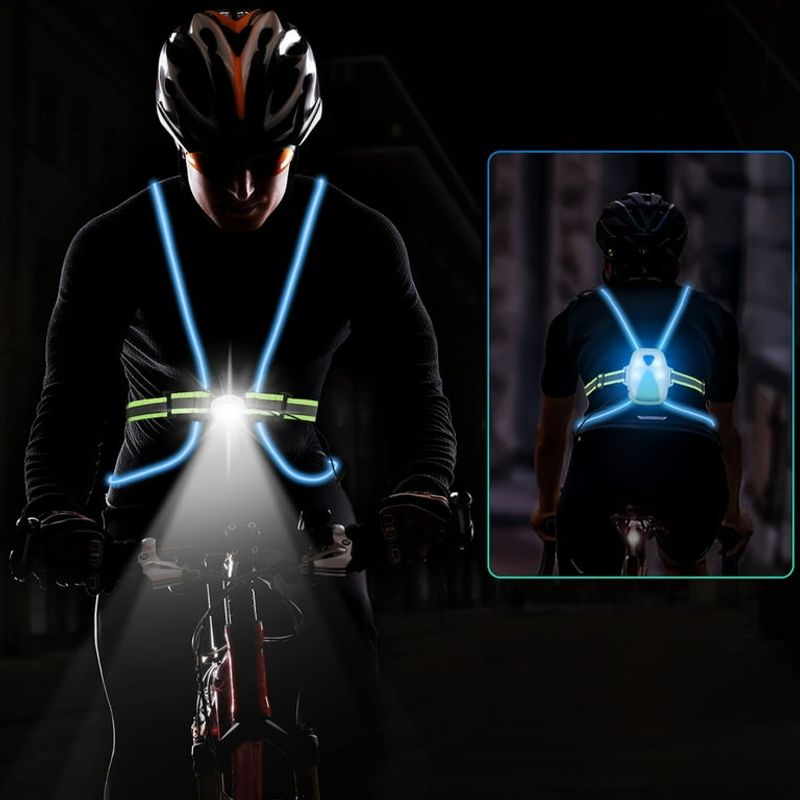
If you’re out near roads at dawn, dusk, or night, visibility isn’t optional. It’s safety. CDC guidance explicitly recommends bright and reflective clothing and using lights when it’s dark, and NHTSA discusses how reflective elements improve nighttime conspicuity so drivers can see you sooner.
A reflective vest, clip-on lights, or a headlamp are small additions that make a huge difference. They’re not exciting purchases, but they’re the kind of gear that keeps you safe enough to keep training, which is the whole point.