
Affiliate disclosure: As an Amazon Associate I earn from qualifying purchases. Learn more
City nights are magical, but capturing them on camera can be tricky. When street lights fade and shadows grow long, most cameras struggle to keep images sharp and noise-free. That’s where these specialized low-light powerhouses come in, designed to turn dark alleys, neon-lit streets, and dimly lit clubs into stunning photos and videos without needing extra lights or tripods.
1. Sony a7S III — The benchmark for clean high-ISO city scenes
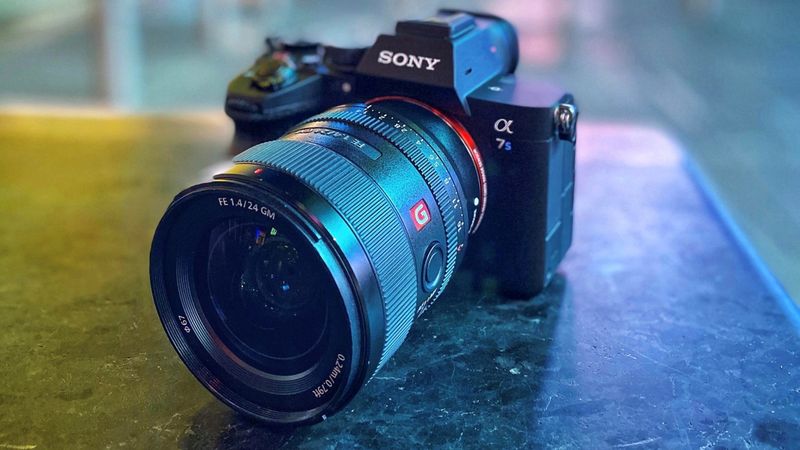
When photographers talk about shooting in near darkness, this camera always enters the conversation. Its 12-megapixel full-frame sensor might seem small compared to other models, but that design choice is intentional. Bigger pixels mean more light-gathering power, which translates to incredibly clean images even when ISO settings climb past 100,000.
The built-in 5-axis stabilization helps keep handheld night shots sharp, while the autofocus system tracks subjects reliably in conditions where most cameras give up. DXOMARK recognizes it as a genuine low-light specialist, and real-world city shooters agree wholeheartedly.
2. Sony ZV-E1 — A compact, more affordable body that inherits the a7S III’s low-light DNA
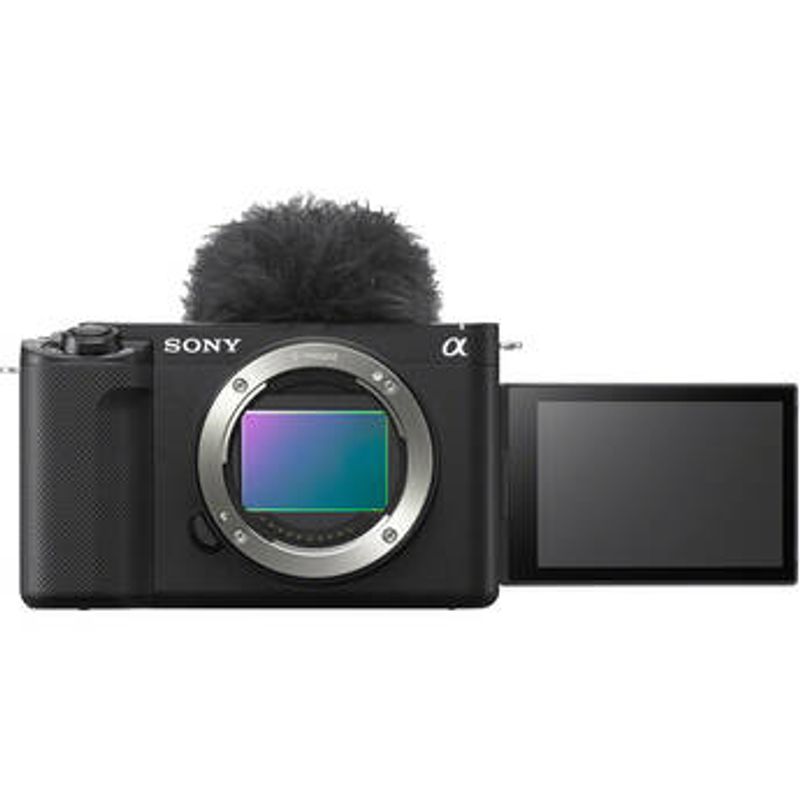
Carrying a smaller body doesn’t mean sacrificing image quality when the sun goes down. This vlogger-friendly model shares sensor technology with its bigger sibling, delivering surprisingly strong performance in dim conditions. Modern AI-powered autofocus keeps faces and subjects locked even when ambient light barely exists.
Perfect for creators who walk city streets at night, filming spontaneous content without lugging heavy gear. The combination of compact size and serious low-light capability makes it ideal for run-and-gun shooting. CineD notes its impressive sensor lineage, proving good things come in smaller packages.
3. Sony FX3 (Cinema Line) — Purpose-built night video machine with dual base ISO behavior
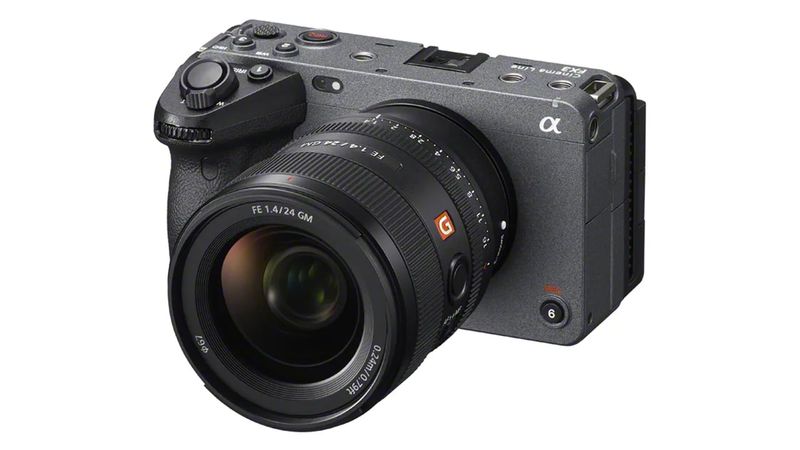
Filmmakers who shoot after dark have a secret weapon in this purpose-built video machine. Dual base ISO technology means the sensor operates at peak efficiency at two different sensitivity levels, keeping noise minimal in shadows. S-Log3 and S-Cinetone picture profiles give maximum flexibility for grading later.
The boxy cinema body includes features like active cooling and dedicated video controls that make long night shoots comfortable. No need for extra lighting rigs when shooting moody cityscapes or documentary work. The Help Guide documentation emphasizes its clean shadow performance without artificial illumination.
4. Sony a7 IV — Versatile hybrid with solid low-light sensor scores and reliable AF
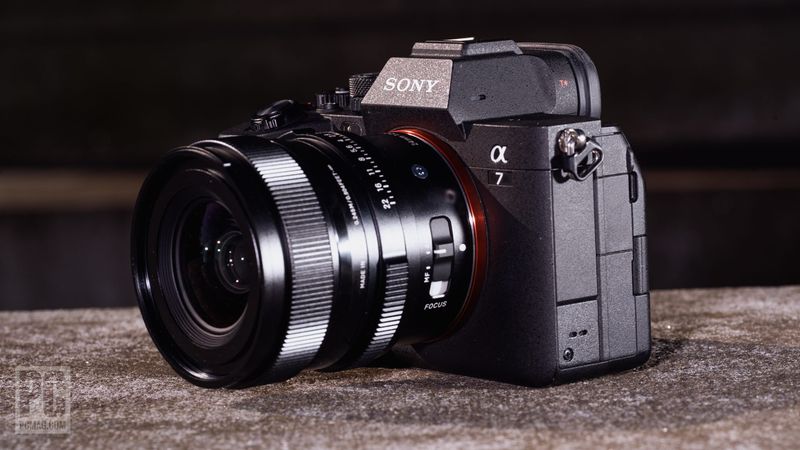
Not everyone needs an ultra-specialized low-light body; sometimes versatility matters more. This hybrid camera balances excellent daytime image quality with respectable night performance. The autofocus system works reliably down to about negative 4 EV, which covers most street-lit scenarios photographers encounter after sunset.
DXOMARK sensor testing confirms strong low-light scores, making it dependable for mixed shooting conditions. Whether capturing still images of neon signs or recording video of nighttime crowds, it handles both tasks competently. A true all-rounder that doesn’t compromise when darkness falls over the city.
5. Nikon Z6 III — 24.5MP full-frame with subject-detection AF and notably improved VR
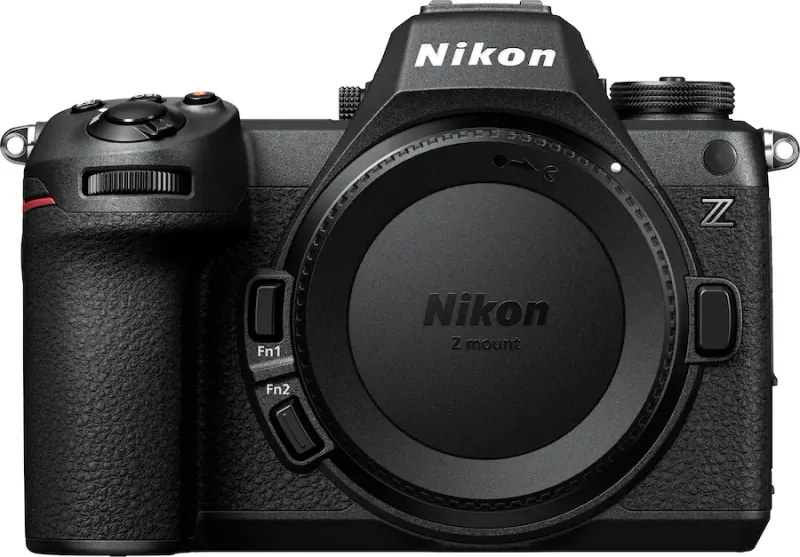
Handholding cameras at night usually means accepting some blur risk, but advanced stabilization changes that equation. Thom Hogan reports up to 8 stops of vibration reduction in this model, letting photographers use dramatically slower shutter speeds without tripods. That freedom transforms how you approach dimly lit scenes.
The 24.5-megapixel sensor strikes a nice balance between resolution and light sensitivity, while subject-detection autofocus tracks people, animals, and vehicles through shadowy environments. Nikon USA documentation highlights its night-shooting credentials. Perfect for photojournalists covering evening events or street photographers working past midnight.
6. Nikon Zf — Retro looks, modern night vision
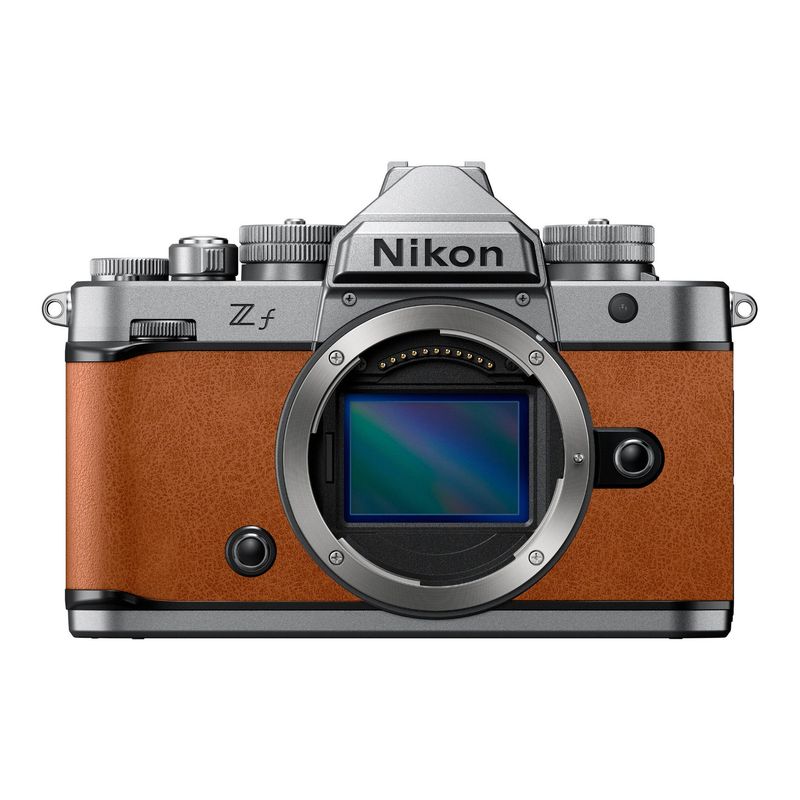
Classic design meets cutting-edge sensor technology in this beautifully styled body. Don’t let the vintage dials fool you; underneath sits serious low-light capability. Nikon quotes autofocus sensitivity reaching negative 10 EV when paired with fast glass, meaning it can focus in conditions your eyes struggle to see through.
The 8-stop vibration reduction system matches the best in Nikon’s lineup, crucial for handheld night work. Reviewers consistently praise its real-world autofocus performance in challenging darkness. Official Nikon documentation confirms these impressive specifications, making it both a style statement and a night-shooting workhorse.
7. Nikon Z9 — Pro body that adds Starlight view to enhance AF and display
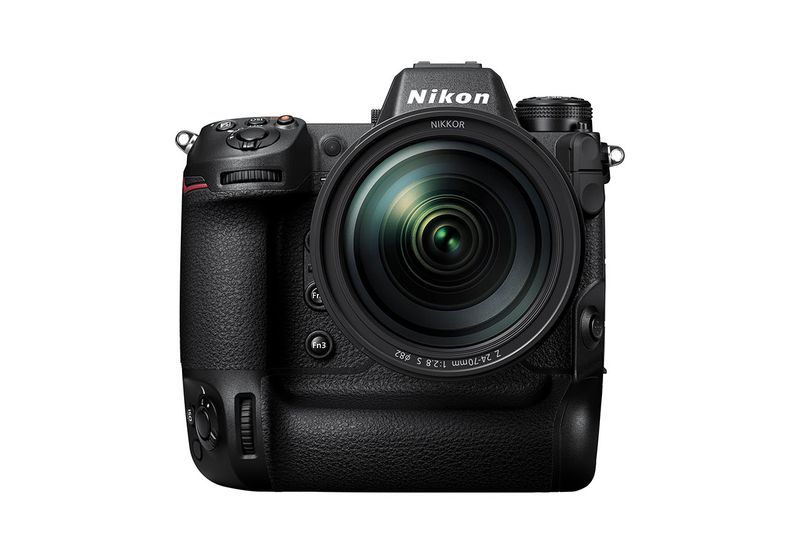
Professional photographers covering events in extreme darkness need every technical advantage available. This flagship body includes a unique Starlight view mode that amplifies the electronic viewfinder and autofocus system for exceptionally dark environments. Nikon USA specifies autofocus operation down to approximately negative 8.5 EV with that mode engaged.
The robust build and extensive feature set make it ideal for demanding assignments where failure isn’t an option. Whether shooting concerts, astrophotography over cityscapes, or wildlife at dusk, the Z9 delivers professional results. A true no-compromise tool for specialists.
8. Canon EOS R6 Mark II — Excellent night-AF credentials with rated stills AF sensitivity
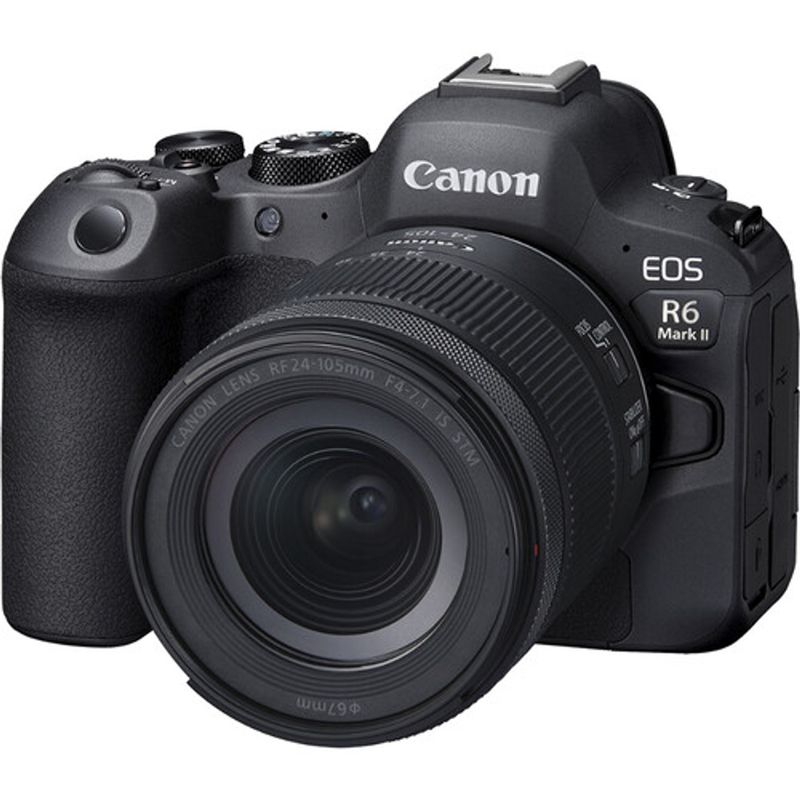
Tracking moving subjects in darkness separates good cameras from great ones. Canon rates this model’s autofocus sensitivity down to negative 6.5 EV with fast lenses, covering dimly lit clubs, alleys, and event spaces. The renowned Dual Pixel CMOS AF system maintains reliable tracking even when ambient light barely registers.
Cam Start Canon documentation emphasizes its dependable performance in challenging conditions. For wedding photographers working receptions or photojournalists covering nighttime protests, that autofocus reliability proves invaluable. The Mark II iteration refined an already strong low-light performer into something even more capable.
9. Canon EOS R3 — Canon’s low-light monster with strong high-ISO results
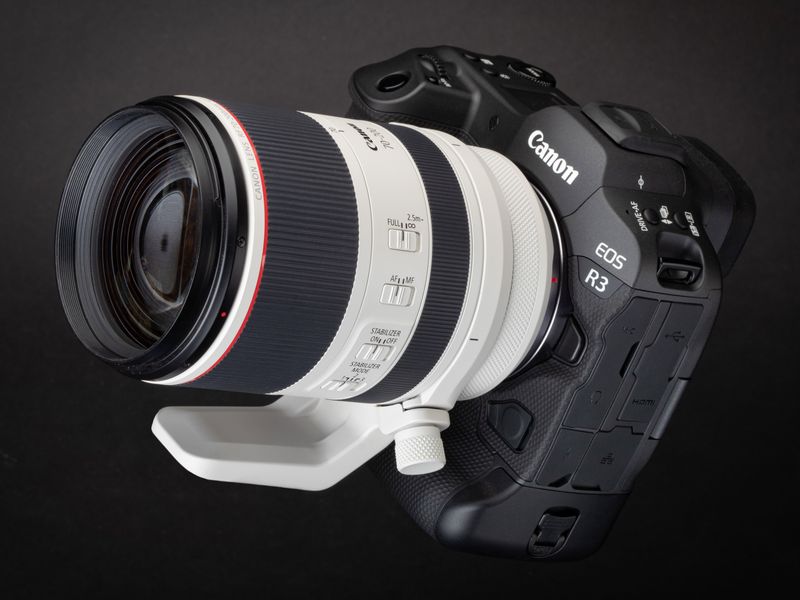
Sports and action photographers working under stadium lights or in darker venues need both speed and clean high-ISO performance. This professional body delivers both in spades. DXOMARK testing praised its sensor as a top low-light performer, with excellent noise control at elevated sensitivities.
The pro-grade autofocus system includes eye-control technology, letting photographers select focus points by simply looking at them through the viewfinder. Canon Support documentation confirms its position as a flagship low-light solution. When assignments demand absolute reliability in challenging darkness, this camera answers the call without hesitation.
10. Panasonic Lumix S5 II — Full-frame with phase-hybrid AF and dual-native-ISO design
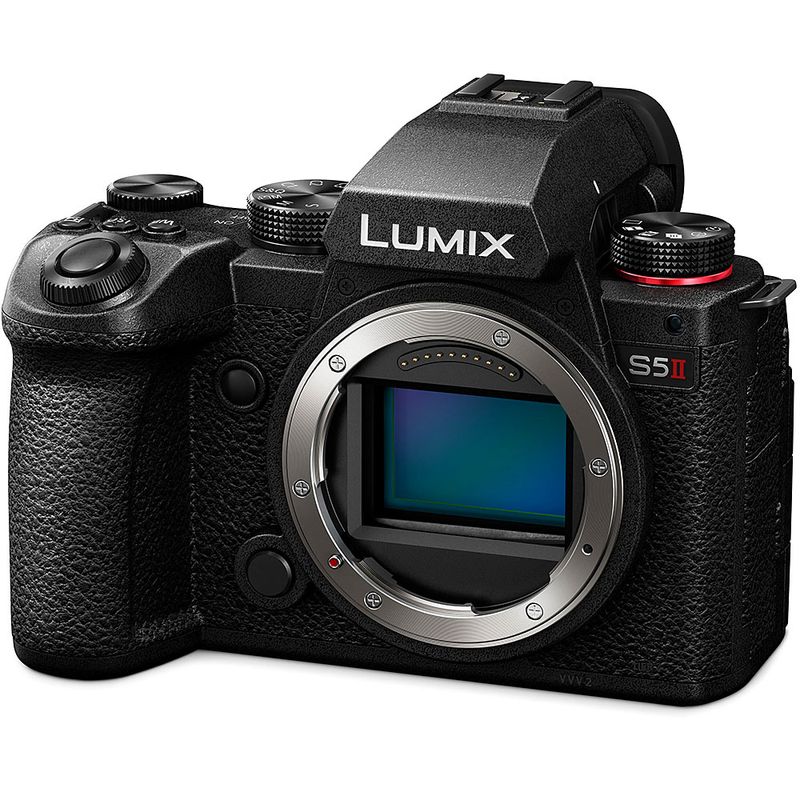
Dual-native-ISO technology gives this camera two optimal sensitivity ranges where noise stays minimal. That design philosophy, borrowed from cinema cameras, means cleaner footage when street lights provide the only illumination. The addition of phase-detection autofocus addresses previous Panasonic weaknesses, making subject tracking reliable.
Panasonic documentation highlights the terrific balance between video and stills capability in low light. Hybrid shooters who need one body for multiple tasks will appreciate the versatility. Whether filming documentary interviews on dimly lit streets or capturing nighttime architecture, the S5 II handles both beautifully.
11. Panasonic Lumix S5 IIX — Same sensor/dual-native ISO concept with creator-focused video options
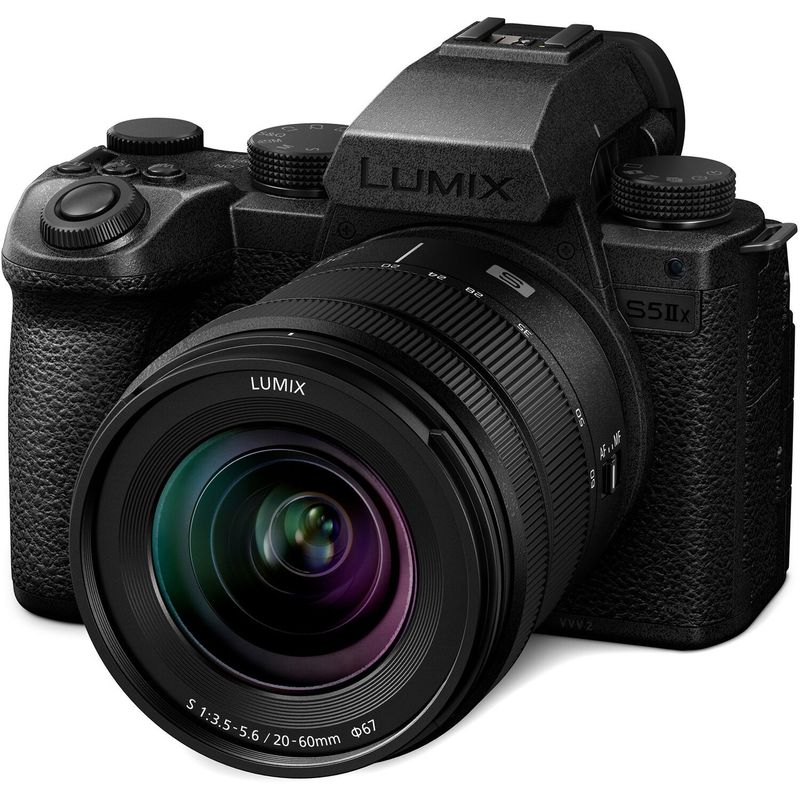
Content creators who need professional video output will appreciate the expanded recording formats and connectivity in this model. It shares the excellent dual-native-ISO sensor with its sibling but adds creator-focused features like additional video codecs and output options. Panasonic positions it specifically for filmmakers working in challenging light.
The run-and-gun night film aesthetic becomes achievable without massive lighting packages. Clean high-ISO footage straight from camera means less time fixing noise in post-production. Perfect for independent filmmakers, YouTube creators, or documentary shooters who embrace natural darkness rather than fighting it.
12. Panasonic Lumix S1H — A proven night-video workhorse with Dual Native ISO tech
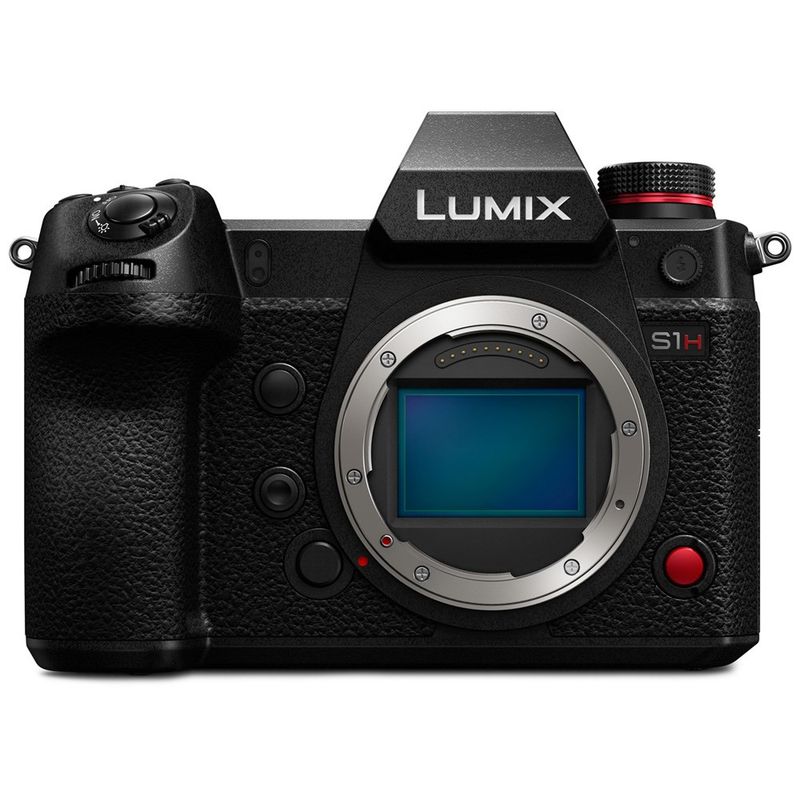
Cinematographers who shoot feature films, commercials, and high-end video need tools built to cinema standards. This body brings Dual Native ISO technology from Panasonic’s professional cinema line into a mirrorless form factor. The sensor maintains controlled noise levels at high sensitivities, crucial for maintaining image quality in darkness.
Panasonic Connect documentation emphasizes its proven track record as a night-video workhorse. The robust build and extensive video features make it suitable for demanding productions. When your reputation rides on delivering clean footage from dimly lit locations, this camera provides confidence.
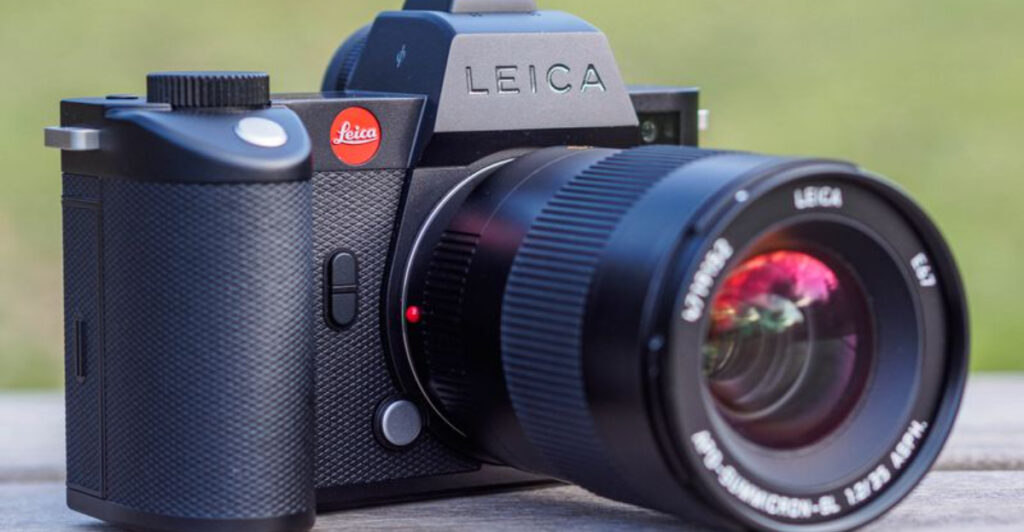
13. Leica SL2-S — Leica’s 24MP speed/ISO variant optimized for low light
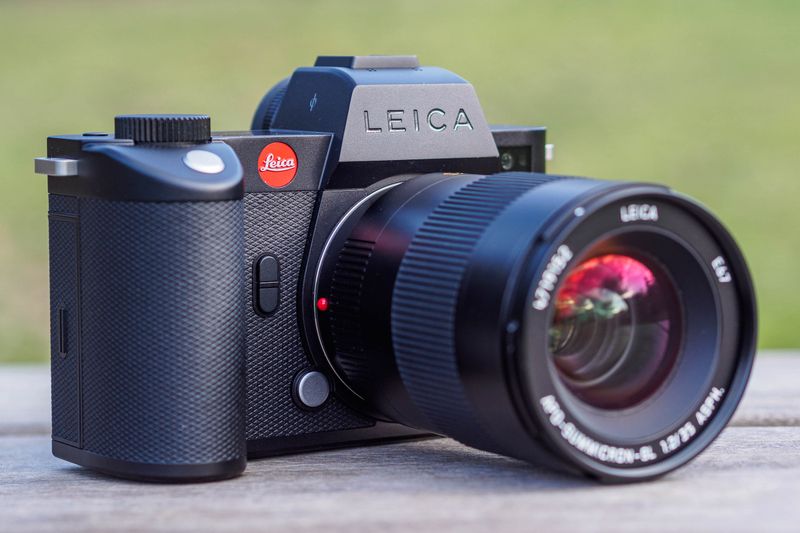
Leica’s reputation rests on optical excellence and build quality, but this model adds serious low-light credentials. The company deliberately chose 24 megapixels rather than higher resolution, optimizing for sensitivity and speed instead. DXOMARK praised the sensor’s night performance, noting exceptionally clean files at higher ISO settings.
Photographers who value both image quality and tactile shooting experience will appreciate the combination of German engineering and modern sensor technology. The SL2-S proves that premium brands can compete technically with specialized low-light bodies while maintaining their distinctive character and handling.