Affiliate disclosure: As an Amazon Associate I earn from qualifying purchases. Learn more
Planning to be in the air for hours? What you eat beforehand can make or break your comfort level. Some foods trigger bloating, dehydration, indigestion, or odors that become especially unpleasant in a cramped cabin at 35,000 feet. Here are 12 things experts say you should skip before boarding a long flight.
1. Beans and Lentils

Beans and lentils are nutrient-dense, but their complex carbohydrates and fiber can ferment in the gut, producing gas that’s amplified in a pressurized cabin. At altitude, intestinal gases expand, making bloating and cramping more noticeable than on the ground. Combine that with limited mobility and tight waistbands, and mild discomfort can quickly escalate. If you crave plant protein, choose lower-FODMAP options before flying, like firm tofu or eggs. Hydrate well and avoid pairing legumes with carbonated drinks, which add extra air. Save that hearty bean chili or lentil salad for after you land, when your digestive system has room to breathe.
2. Cruciferous Vegetables

Broccoli, cauliflower, cabbage, and Brussels sprouts contain raffinose and sulfur compounds that can trigger gas and odors – an unfortunate combo in close quarters. Even health-focused travelers may find these veggies uncomfortable before wheels up. The pressure changes at altitude magnify intestinal expansion, making every bubble feel bigger. Instead, opt for gentler produce like cucumbers, zucchini, or cooked carrots, which are easier on digestion. If you do eat crucifers, cook them thoroughly and keep portions small. Pair them with water rather than fizzy drinks, and consider digestive aids only if your doctor approves. Comfort matters when you’re strapped in for hours.
3. Carbonated Drinks

Sparkling water, soda, and seltzers load your digestive tract with extra gas before you even take off. Once the cabin pressurizes, that trapped air expands, leaving you feeling tight, distended, and uncomfortable. Add in a seatbelt sign and minimal aisle access, and relief can be hard to find. Swap bubbles for still water or an electrolyte drink without carbonation to stay hydrated. If you enjoy fizz, save it for after landing. Avoid mixing carbonation with gas-prone foods like beans or crucifers, which compounds the effect. Your mid-flight self will thank you for choosing calm, flat hydration over effervescent temptation.
4. Salty Snacks

Chips, pretzels, and salted nuts taste great but pack a sodium punch that promotes water retention and dehydration. Airplane cabins are extremely dry, so your body already struggles to stay hydrated. Excess salt can lead to swelling in fingers and ankles, plus headaches and fatigue. Choose lower-sodium snacks like unsalted nuts, a banana, or plain yogurt if tolerated. Drink water consistently before boarding and bring a refillable bottle. If you must indulge, keep portions small and balance with potassium-rich foods. Arriving refreshed starts with stable fluids and electrolytes – not a salt bomb that fights your body at 35,000 feet.
5. Fried or Greasy Foods

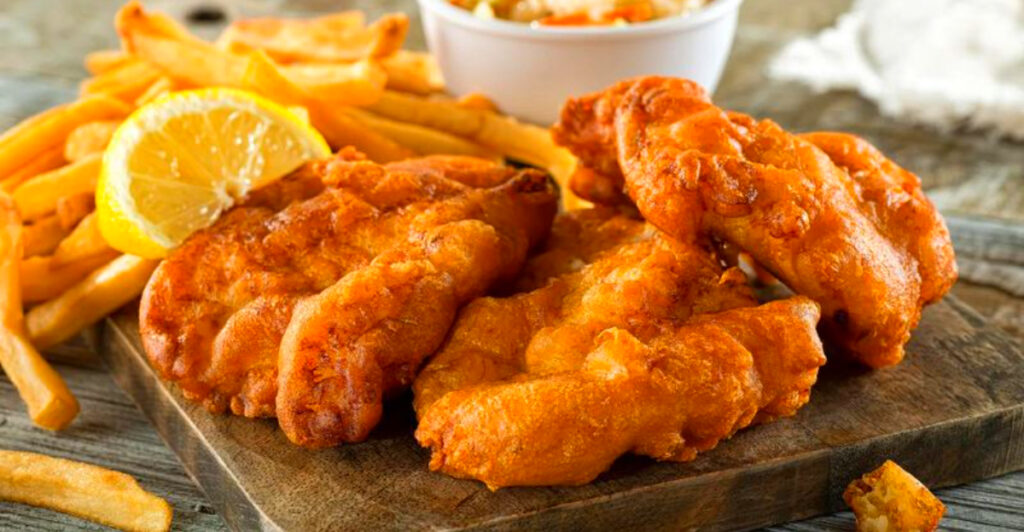
Fried meals linger in your stomach, slowing gastric emptying and increasing the risk of heartburn, nausea, or indigestion in cramped seats. Grease plus turbulence is a recipe for discomfort, especially when you’re upright with limited movement. Heavy fats can also worsen reflux, which becomes more noticeable after takeoff. Opt for lean proteins, steamed grains, or a simple sandwich with vegetables instead. Keep sauces light and avoid thick creamy dressings. If your schedule forces a quick bite, choose baked over fried and add water, not soda. Your digestive system will handle long-haul conditions more gracefully with a lighter pre-flight plate.
6. Fast Food

Fast food often combines high fat, excess sodium, refined carbs, and preservatives that sit heavily and can spike then crash your energy. In flight, sluggish digestion and bloating translate to discomfort you can’t walk off. The large portions don’t help, either. If fast food is your only option, customize: skip cheese, mayo, and extra salt; choose grilled over fried; add lettuce and tomato; and order water. Consider splitting a smaller portion and packing fruit or unsalted nuts. Keeping it simple and light reduces mid-air indigestion and lets you focus on hydration, circulation, and rest instead of an unhappy stomach.
7. Dairy (If You’re Sensitive)

Many travelers have mild lactose intolerance without realizing it, and cabins are a tough place to discover it. Milk, yogurt, and ice cream can cause bloating, cramps, and urgent bathroom trips that are awkward mid-flight. Even if you tolerate dairy on the ground, altitude and stress may change your threshold. Play it safe with lactose-free options, hard cheeses in small portions, or non-dairy alternatives like almond milk. If you use lactase tablets, test them beforehand, not on travel day. Keep your pre-boarding meal predictable and gentle so your digestive system stays calm from taxi to touchdown.
8. Spicy Foods

Chili peppers, hot sauces, and fiery curries can irritate the digestive tract and trigger heartburn – especially when you’re seated for hours with limited movement. Spice can also cause sweating and nasal drip, uncomfortable in close quarters. Some seasonings linger on breath, amplifying odors in recycled air. If you love heat, dial it down before flying and choose milder dishes with herbs instead of chilies. Avoid pairing spice with alcohol or acidic drinks that worsen reflux. Pack antacids if you’re prone to GERD, but prevention is easier: keep flavors gentle before takeoff and save the spice adventure for your destination.
9. High-Fiber Cereals

Fiber supports digestive health, but a big bowl of bran before a long flight can backfire. High-fiber cereals speed transit and increase stool bulk, which may mean frequent lavatory trips when aisles are crowded. Gas and cramping can follow sudden fiber surges, especially if hydration is lacking. If you rely on cereal, choose a moderate-fiber option and pair it with water or lactose-free milk. Add a small portion of berries rather than dried fruit to reduce fermentable sugars. Consistency beats last-minute boosts – maintain your fiber routine the day before, then go lighter on travel day to stay comfortable.
10. Garlic and Onions

Garlic and onions can upset sensitive stomachs and, just as importantly, leave strong odors that linger in tight cabins. Their sulfur compounds metabolize into aromas that persist on breath and skin, which neighbors won’t appreciate. Raw preparations are the most pungent, but cooked versions can still cause gas. Before flying, choose milder aromatics like parsley, chives, or ginger. Brush and hydrate, but remember odor can outlast mints. If you must have them, keep portions tiny and well-cooked. Consider your comfort and courtesy – neutral flavors make for a more pleasant journey for you and everyone sharing recycled air.
11. Apples and Other Gas-Producing Fruits

Apples, pears, peaches, and prunes are rich in fructose and sorbitol, sugars that can ferment and cause gas and bloating. At altitude, that extra gas expands, intensifying discomfort. Dried versions concentrate these sugars, compounding the effect. If you want fruit before flying, opt for berries, citrus segments, or ripe bananas, which tend to be gentler. Keep portions modest and sip still water to aid digestion. Everyone’s tolerance differs, so note your personal triggers in a travel journal. The goal is predictable comfort, not surprises, while you’re strapped in and relying on a tiny lavatory down the aisle.
12. Alcohol

A pre-flight drink may feel relaxing, but alcohol is dehydrating and its effects are intensified in dry cabin air. Even small amounts can disrupt sleep quality, leaving you groggy instead of rested. Alcohol also pairs poorly with jet lag, reducing recovery and worsening headaches. If you drink, limit to one serving with food and follow with plenty of water. Better yet, choose herbal tea or electrolyte water before boarding. Arrive clearer, more hydrated, and ready to adjust to new time zones without the slump that often follows a celebratory airport cocktail.
13. Caffeinated Beverages (Bonus to Avoid)

Caffeine from coffee, energy drinks, and strong tea can compound dehydration in the already arid cabin and make in-flight sleep elusive. While a small cup may be fine for some, large doses can trigger jitters, frequent bathroom trips, or reflux – especially alongside salty or greasy foods. If you rely on caffeine, taper before boarding and switch to water or half-caf. Consider timing your intake to destination morning to help with jet lag. Hydration, light movement, and a balanced snack deliver smoother energy than a mega-shot that leaves you wired at takeoff and crashing before landing.