

Affiliate disclosure: As an Amazon Associate I earn from qualifying purchases. Learn more
Windows turn into storyboards when light, glass, and the right camera meet. If you have ever paused at a shopfront or a rainy pane and felt something cinematic, this guide is for you.
These cameras thrive on contrast, micro detail, and tonal nuance that make reflections glow and shadows breathe. Get ready to see ordinary windows become portals to mood, texture, and quiet magic.
1. Sony A7 V
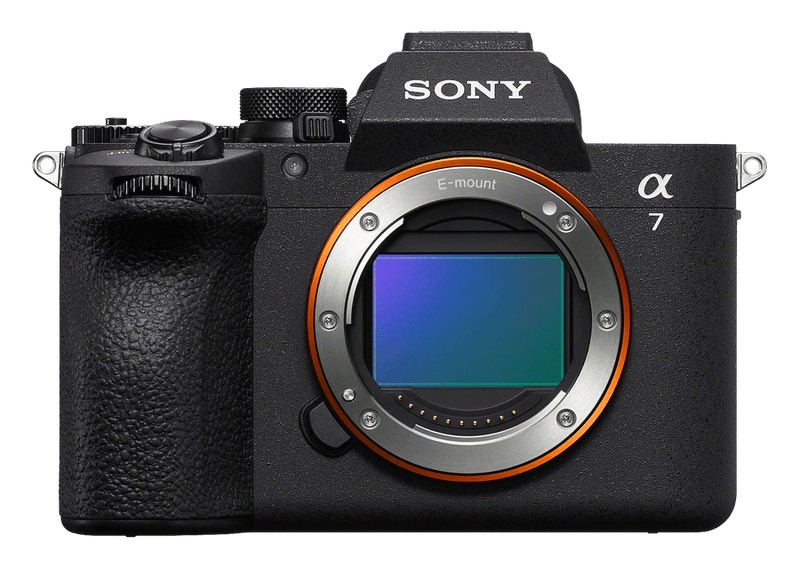
The Sony A7 V makes reflections feel intentionally cinematic, even when you are just strolling past a cafe window. Its dynamic range teases out delicate gradients between highlight and shadow, so overlapping layers of glass and street glow read cleanly.
You get confident autofocus that locks onto subjects through panes, and reliable stabilization that keeps handheld shots steady.
What stands out is how gently color transitions roll off, giving window scenes a luminous calm instead of harsh contrast. Specular highlights hold texture, which helps water droplets and smudges become character rather than clutter.
You can underexpose for mood and still rescue details without plastic noise or muddy blacks.
If you love shooting at blue hour, you will appreciate how the A7 V handles mixed lighting without strange color shifts. You can shoot through reflections to frame a person inside, then catch your own silhouette ghosting over theirs.
The result feels layered and intimate, like a whispered secret.
Pair it with a fast 35 or 50 to keep your kit nimble and light. You will walk longer, notice more, and snag moments before they evaporate.
That is when windows truly sing.
2. Canon EOS R6 Mark II
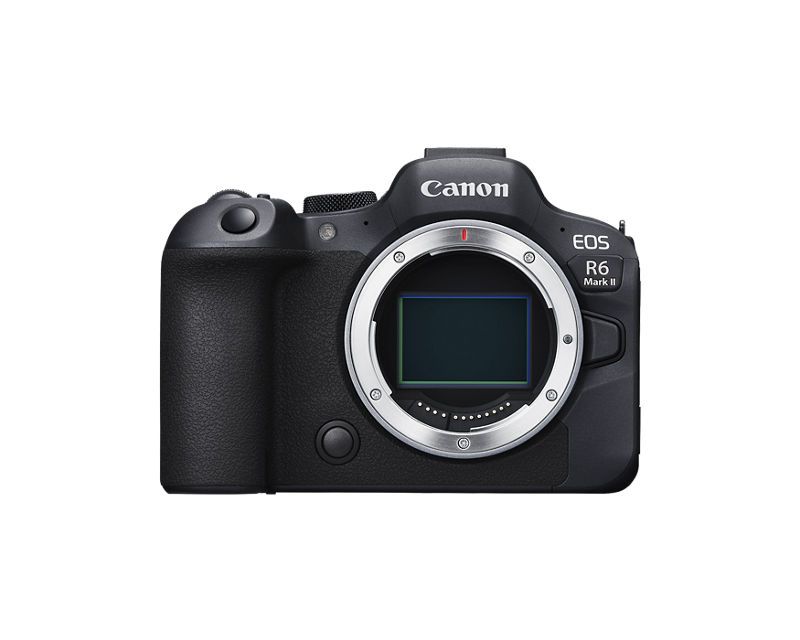
The Canon EOS R6 Mark II is a comfort camera for reflective scenes, especially when light is scarce. Its low light performance means you can drop shutter speed confidently while the stabilization smooths micro shake.
You end up with clear layers through glass where tiny details survive, like street lettering and soft neon bloom.
Canon color gives windows a welcoming warmth without oversaturating. Skin tones through glass look believable, not waxy, so portraits feel candid and immediate.
Autofocus grips faces and eyes even behind reflections, letting you compose loosely and react in the moment.
When contrast spikes, files hold together gracefully, protecting highlight texture while rendering shadows with polish. You can push exposure in post without banding or strange tints, which keeps creative latitude wide.
It makes experimenting with silhouettes, glare, and motion blur a relaxed process.
Pair it with RF primes for compact balance and silent operation. You will find the camera fading into the background while your attention settles on light and gesture.
That is the sweet spot for reflection work, where patience turns into quiet magic.
3. Canon EOS R8
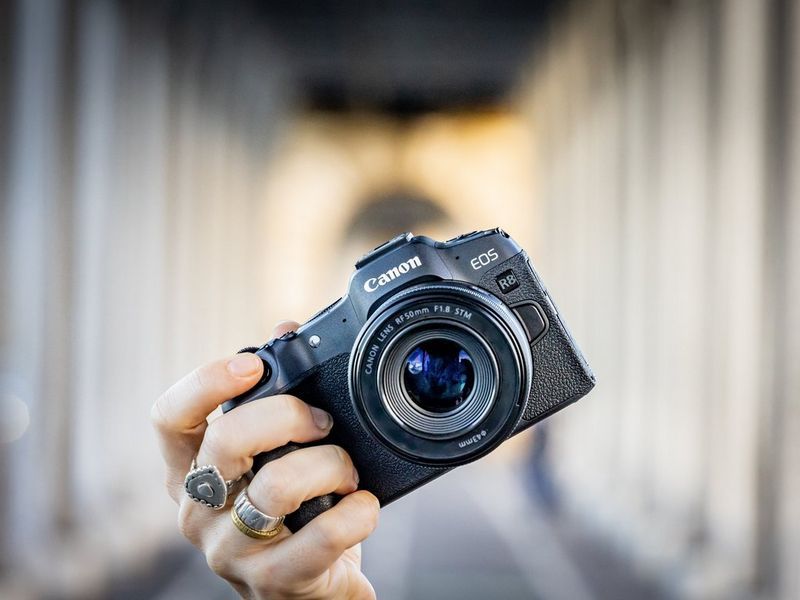
The Canon EOS R8 brings full frame look in a nimble body that encourages wandering. For window scenes, its tonal response is forgiving and expressive, letting you ride the edge between glow and detail.
You can shoot wide open without fear of crunchy highlights, and reflections read as soft veils rather than harsh mirrors.
Colors lean natural and calm, perfect for subtle shifts in glass and ambient street light. The files grade smoothly, so you can nudge warmth or coolness to guide mood without artifacts.
Autofocus is fast enough to keep pace when a subject passes behind smudged glass or patterned reflections.
Because the body is light, you will likely carry it more often, which is half the battle with reflective scenes. Opportunities arrive unexpectedly, and the R8’s responsiveness helps you seize them.
Stabilization support via lenses keeps slower shutters workable.
Pair it with a compact 40 or 50 and keep your presence discreet. Aim for layered compositions that blend interior and exterior, then let color do the storytelling.
You will end up with images that feel honest and quietly cinematic.
4. Fujifilm X‑T5
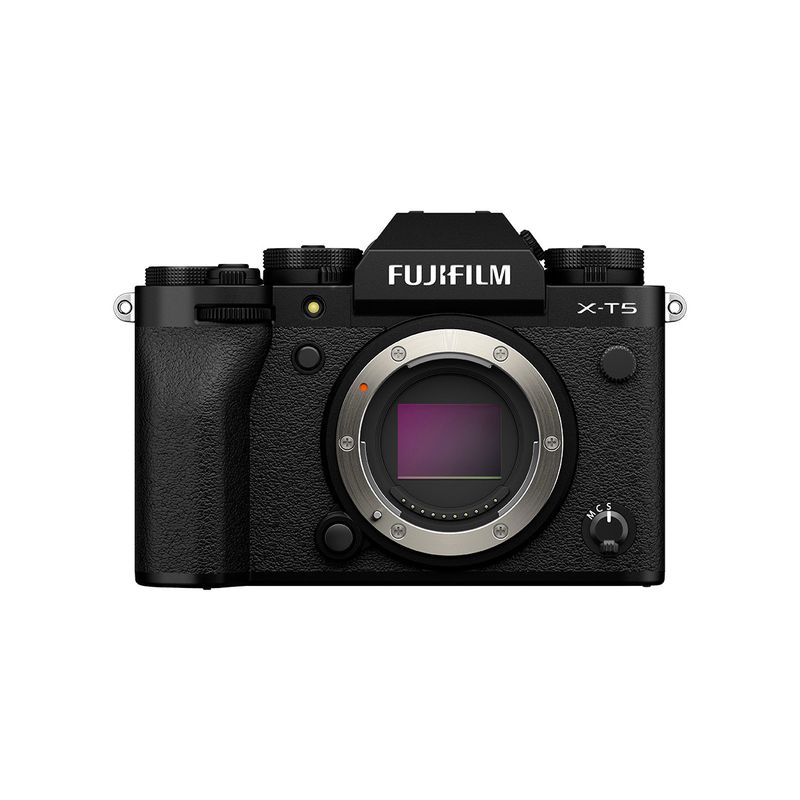
The Fujifilm X‑T5 shines when textures matter. Its high resolution sensor pulls out the micro detail in raindrops, fingerprints, and dust that give windows their lived‑in character.
Film simulations provide a tasteful starting point, turning mixed lighting into mood rather than chaos.
Colors feel confident yet restrained, so reflections stack without looking cartoonish. You can tilt toward Classic Chrome for cool restraint or Pro Neg for gentle skin tones behind glass.
The camera’s crisp rendering rewards careful composition, especially with leading lines and diagonals.
IBIS supports slower shutters, letting traffic streak softly while interior lights bloom. Autofocus is snappy and precise, though selecting smaller focus areas can help with busy reflective layers.
You get the joy of dedicated dials, which keeps your head in the scene instead of a menu.
Pair it with a small prime like the 23 or 35 to stay agile. Move inches at a time, watch reflections shift, and wait for a figure to pass through.
When the alignment clicks, the X‑T5 captures it with satisfying bite.
5. Fujifilm X‑S20
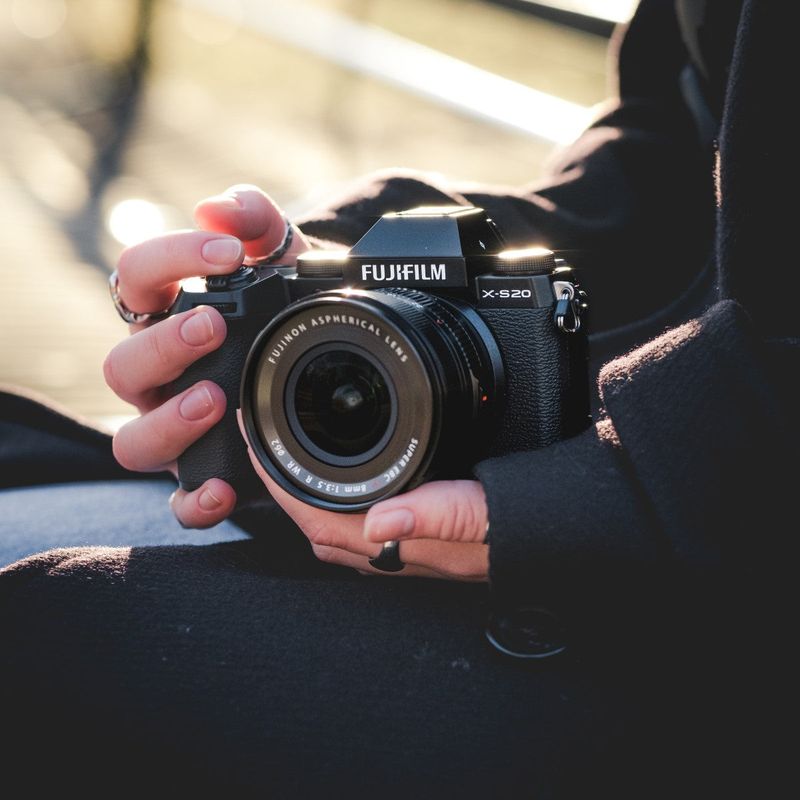
The Fujifilm X‑S20 is the easy carry that still delivers lovely reflective images. Its IBIS lets you play with slower shutter speeds to catch light trails and subtle motion, even handheld.
Colors are classic Fuji, with a refined palette that makes window light feel like soft paint.
The compact body encourages experimentation, so you will try angles and distances you might skip with heavier gear. Autofocus is reliable enough to lock through glass while ignoring most stray highlights.
Film simulations add polish in camera, minimizing time at the computer.
Despite its portability, the X‑S20 files grade well, holding shadow texture while keeping highlight bloom tasteful. You can lean into high key or low key looks without weird banding.
It is particularly fun for cafe scenes, shopfronts, and reflective puddles after rain.
Bring a small prime or a versatile zoom and roam. Change your elevation often and watch reflections switch personalities with tiny movements.
The X‑S20 rewards that kind of playful curiosity and makes windows feel like creative collaborators.
6. Nikon Z6 III
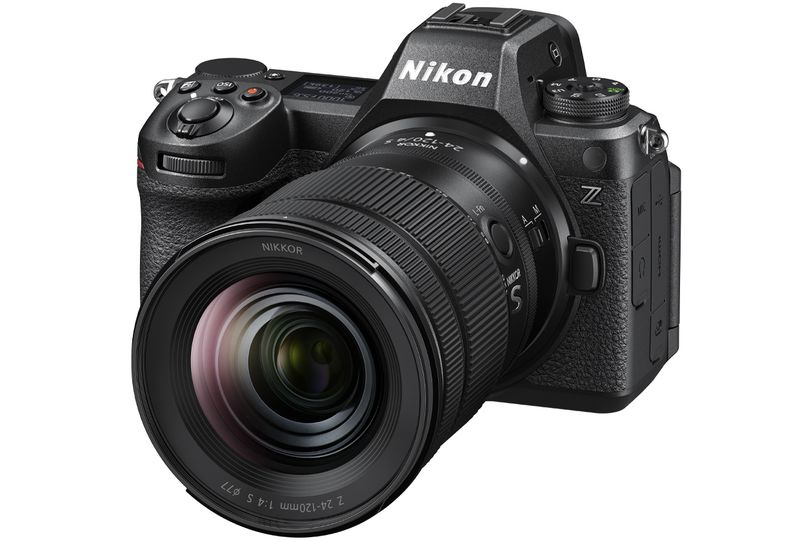
The Nikon Z6 III is a balanced workhorse that thrives on nuanced lighting. Its in‑body stabilization keeps slow shutter experiments clean, so traffic streaks and interior glows feel silky.
Dynamic range is generous, rescuing highlight texture in neon while preserving delicate shadow gradients.
Color science leans natural with a touch of depth that flatters reflective scenes. Window grime, rain beads, and signage remain crisp without looking clinical.
Autofocus tracks faces through glass confidently, and the EVF previews exposure reliably so you can refine composition on the fly.
JPEGs look surprisingly finished if you need quick turnaround, but RAW files stretch far in post. You can nudge white balance to coax mood, from tungsten warmth to silvery evening cool.
The camera stays responsive and quiet, which suits discreet street work.
Pair it with a 35 for context and a 85 for compressed layers. Work corners and edges of panes to build diagonals that guide the eye.
The Z6 III makes the ordinary window feel like a stage where light performs nightly.
7. Canon EOS R5
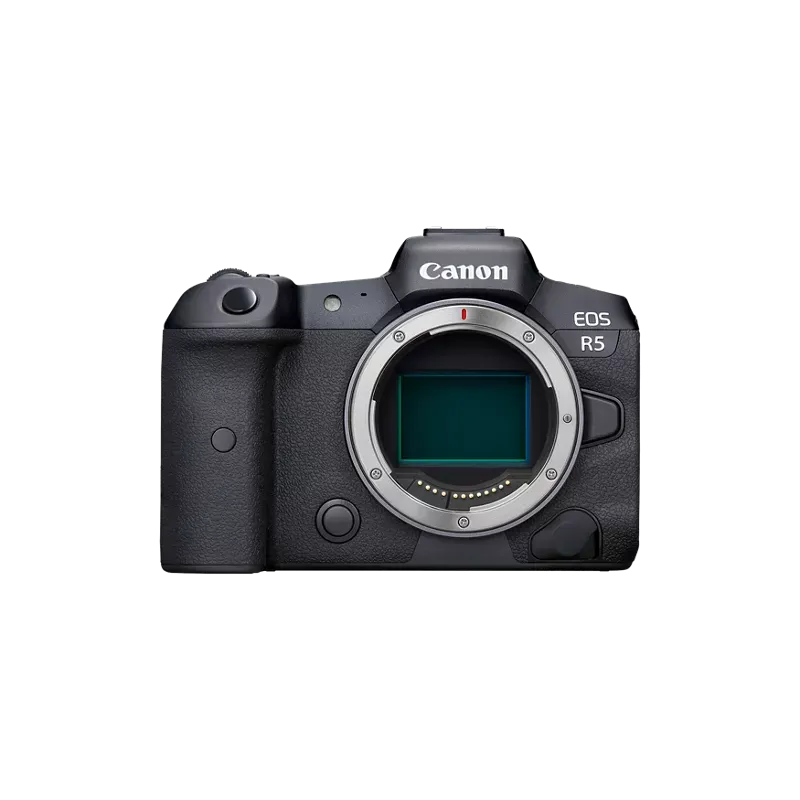
The Canon EOS R5 brings high resolution that luxuriates in glass detail. Reflections stack into fine lattices of light, and tiny textures like scratches or condensation gain character.
With strong dynamic range, you can hold highlight sparkle while keeping shadow noise graceful.
Autofocus is confident through layered panes, and eye detect helps with candid portraits inside storefronts. Color is vivid yet refined, allowing subtle hue separation in overlapping reflections.
The files tolerate aggressive cropping, so you can reframe later without losing presence.
Stabilization opens creative space for slower shutters in dim scenes. Motion blur becomes a brush you can paint with, adding atmosphere without sacrificing clarity in key areas.
The camera’s responsiveness lets you chase fleeting alignments when subjects cross reflective planes.
Use sharp primes to exploit resolution, or a versatile zoom to scout compositions quickly. Bracket exposures for complicated lighting if needed, though single frames often suffice.
With the R5, windows shift from background texture to central narrative.
8. Fujifilm GFX100S II
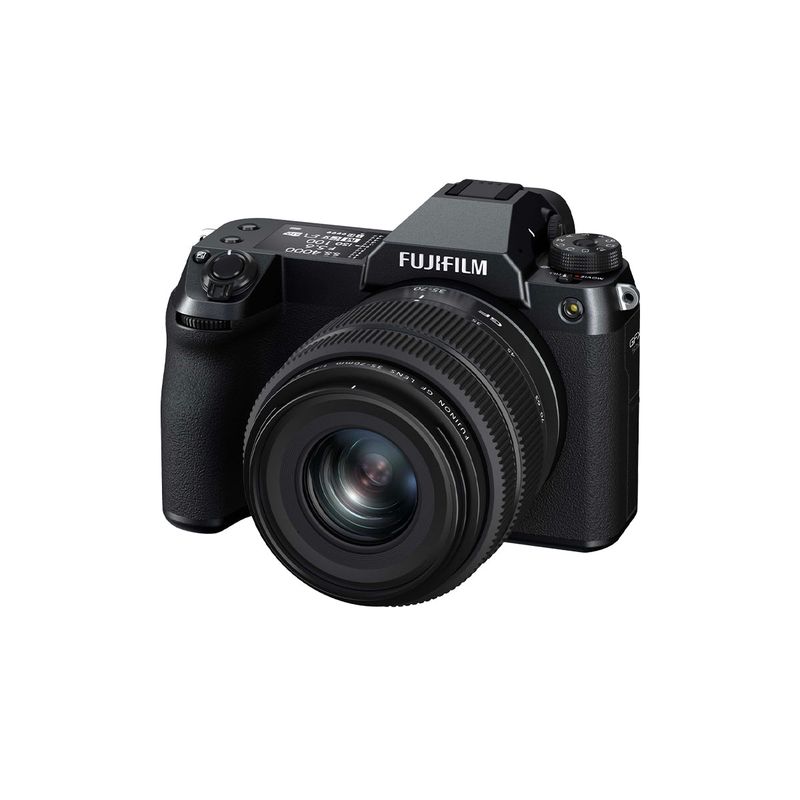
The Fujifilm GFX100S II turns reflective scenes into fine art studies. Its medium‑format sensor handles tonal steps with a calm precision that keeps highlight bloom elegant and shadows velvety.
Textures on glass read as tactile surfaces rather than mere gleam.
Resolution is immense, encouraging generous prints where micro detail matters. You can linger on condensation, tape marks, even hairline scratches that tell quiet stories.
Colors are weighty yet restrained, which suits moody storefronts and softly lit interiors.
Stabilization and refined shutter behavior help maintain clarity handheld, though you benefit from bracing techniques. Autofocus is competent for considered work, and manual focus feels deliberate through the EVF.
It excels when you slow down, breathe, and let the scene arrange itself.
Pair with a normal or short telephoto to compress layers and isolate patterns. Seek transitional light where exterior cool meets interior warmth, then expose for highlight texture.
The GFX100S II renders that meeting as poetry, not spectacle, turning windows into quiet tapestries.
9. Sony A7R IV
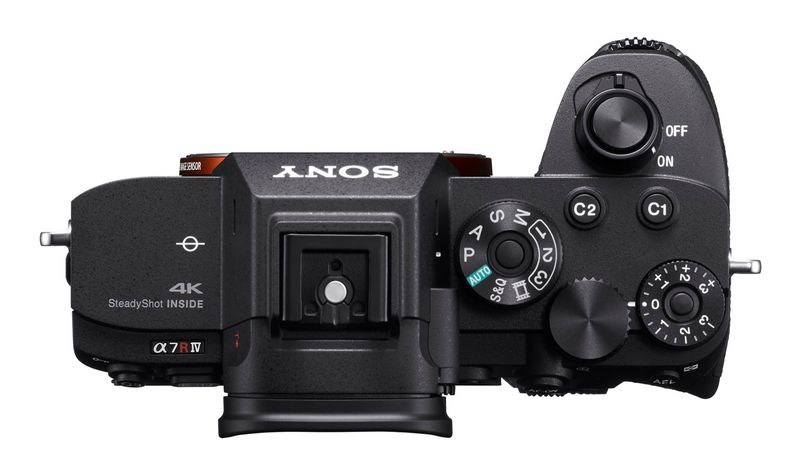
The Sony A7R IV is a detail magnet that loves reflective geometry. With its high megapixel sensor, faint gradients across glass panels remain nuanced rather than banded.
You can crop deeply to refine composition, keeping edge sharpness and micro contrast alive.
Dynamic range helps manage mixed lighting, and highlight recovery keeps neon from clipping into harsh blocks. Autofocus is capable through complex layers, so moving subjects remain credible within the reflection tapestry.
The files respond well to fine contrast adjustments without halos.
Use stabilized lenses or lean on careful technique to harness resolution without jitter. The camera rewards discipline and tripod‑level steadiness, even handheld with practice.
When you get it right, reflections feel hyper present, like you can step into them.
Pair with a 24, 35, or 55 for everyday coverage. Architecture, buses, and pedestrians become components of glass‑born collage.
The A7R IV captures that collage with clinical grace and a surprising dose of atmosphere.
10. Nikon Z8
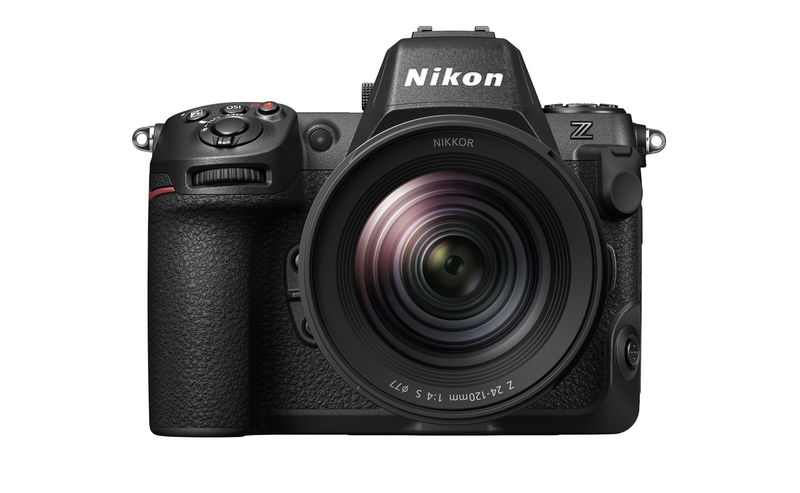
The Nikon Z8 brings flagship confidence to reflective scenes. It handles complex lighting with poise, preserving highlight sparkle while rendering shadows with clean separation.
Color science feels rich and dimensional, so overlapping reflections stack without turning muddy.
Autofocus tracks movement behind glass accurately, helpful for decisive moments at crosswalks and shopfronts. Rolling shutter is well controlled, making panning experiments more reliable.
The camera’s ergonomics invite long sessions where you tune exposure by feel.
Files grade beautifully, letting you shape mood with gentle contrast curves and restrained saturation. You can aim for a cinematic cool or a tungsten wash without color tearing.
Stabilization steadies slower shutters, converting ambient motion into expressive blur lines.
Use a normal zoom for versatility or primes to sculpt bokeh around reflections. Work edges of windows to build diagonals and find repeating shapes.
The Z8 renders those arrangements with authority, turning casual glances into layered narratives.
11. Canon EOS R1
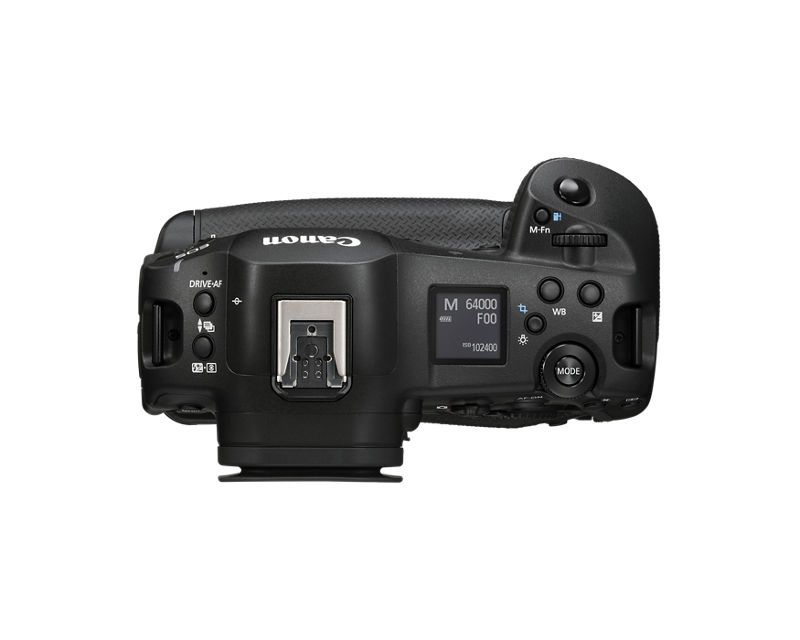
The Canon EOS R1 is built for nuance under pressure. It interprets challenging light with composure, so reflections retain structure while highlights diffuse gracefully.
You can frame through glass at speed, trusting autofocus to hold eyes and faces in busy layers.
Color response feels authoritative yet flexible, keeping skin tones natural while preserving the cool ambient of evening streets. The sensor’s dynamic range lets you underexpose for atmosphere and still excavate shadow detail.
It is the camera you bring when the shot cannot be missed.
Ergonomics support long hours of walking and waiting for alignment. Stabilization opens the door to slower shutters, adding expressive blur without forfeiting clarity where needed.
Files accept assertive grading, holding together under creative contrast pushes.
Pair the R1 with fast glass to harness speed and separation. Watch for moments when interior gestures echo exterior movement, then balance exposure for highlight texture.
The R1 captures those echoes with a calm, professional finish.
12. Leica Q3 Monochrom
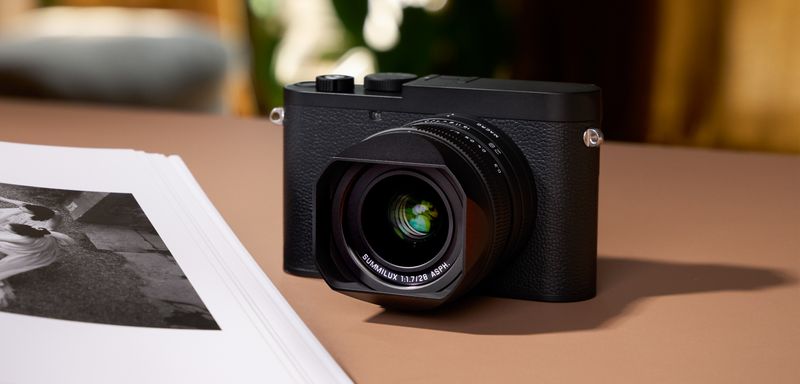
The Leica Q3 Monochrom turns reflections into tone poems. Without color, attention shifts to light shape, texture, and timing.
The sensor’s monochrome design grants deeper micro contrast and cleaner high ISO, making night windows glow with intent.
The fixed lens simplifies decisions so you can watch patterns emerge. Glass scuffs, rain, and breath on panes become expressive marks rather than distractions.
Highlight rolloff feels elegant, keeping specular sparkle without losing nearby detail.
Files invite gentle dodging and burning, echoing darkroom rhythm. You can sculpt silhouettes inside, then hold exterior reflections as soft frames that bend the story.
It is an instrument for patient observation and quiet revelations.
Travel light, move slowly, and lean into geometry. Let pedestrians carve negative space while signage and lamps sketch the scene.
With the Q3 Monochrom, windows become stages for luminous grayscale performances.