
Affiliate disclosure: As an Amazon Associate I earn from qualifying purchases. Learn more
Hitting the trails can be one of the most rewarding adventures, but being prepared makes all the difference between a great hike and a tough ordeal. Whether you’re tackling steep mountain paths or enjoying a leisurely walk through the woods, having the right gear keeps you safe, comfortable, and ready for anything nature throws your way. The essentials you pack can mean the difference between confidently exploring new terrain and wishing you had stayed home.
1. Quality Hiking Boots
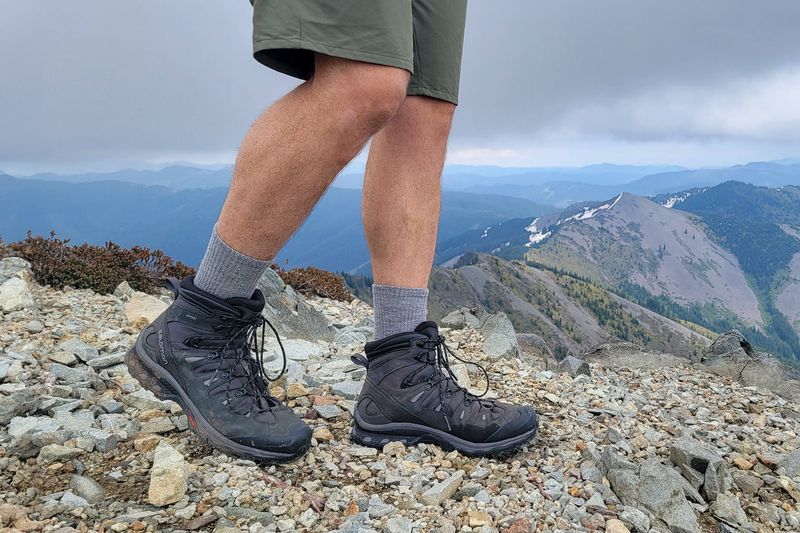
Your feet carry you through every mile, so protecting them should be priority number one. A solid pair of hiking boots provides ankle support on uneven ground, keeps your feet dry when crossing streams, and offers traction that prevents dangerous slips on wet rocks.
Look for boots with thick soles that cushion your steps and materials that breathe to prevent blisters. Break them in before your big adventure by wearing them around town for a few days.
Investing in quality footwear pays off when you’re five miles in and still feeling comfortable. Your ankles will thank you on those steep descents, and your toes will appreciate the extra room during long downhill stretches.
2. Hydration System
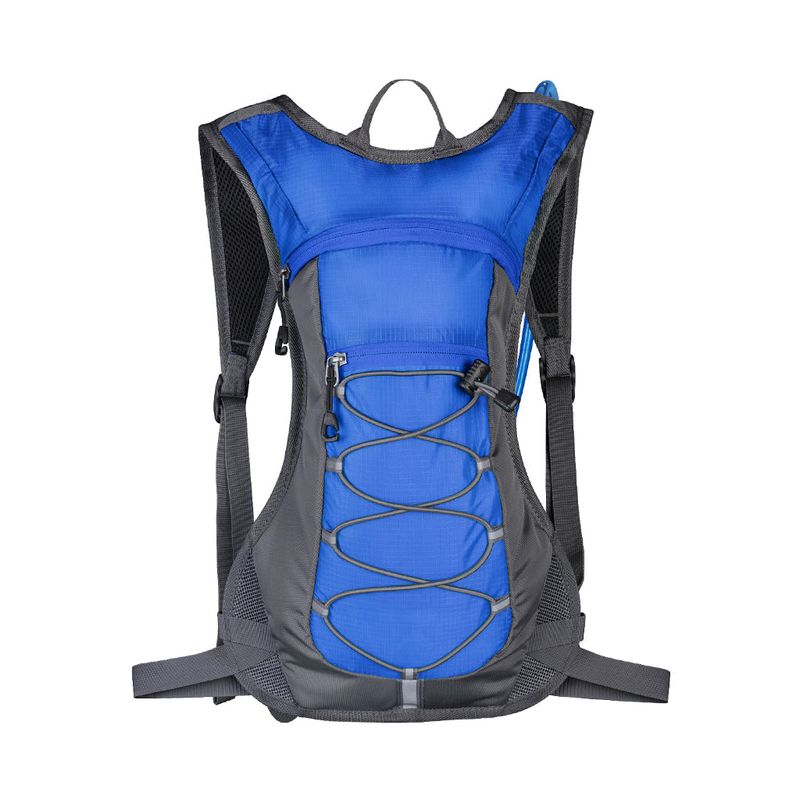
Water keeps your body running smoothly, especially when you’re burning energy climbing hills and breathing hard. A hydration bladder or quality water bottles ensure you drink enough throughout your hike without having to stop constantly.
Bladders with drinking tubes let you sip hands-free while walking, keeping your momentum going. Aim to carry at least two liters for moderate hikes, and more for longer or hotter adventures.
Dehydration sneaks up faster than you think, causing headaches, fatigue, and poor decision-making. Having easy access to water encourages regular drinking, keeping your energy levels stable. Some systems even have insulation to keep water cool on scorching summer days, making each sip refreshing when you need it most.
3. Navigation Tools
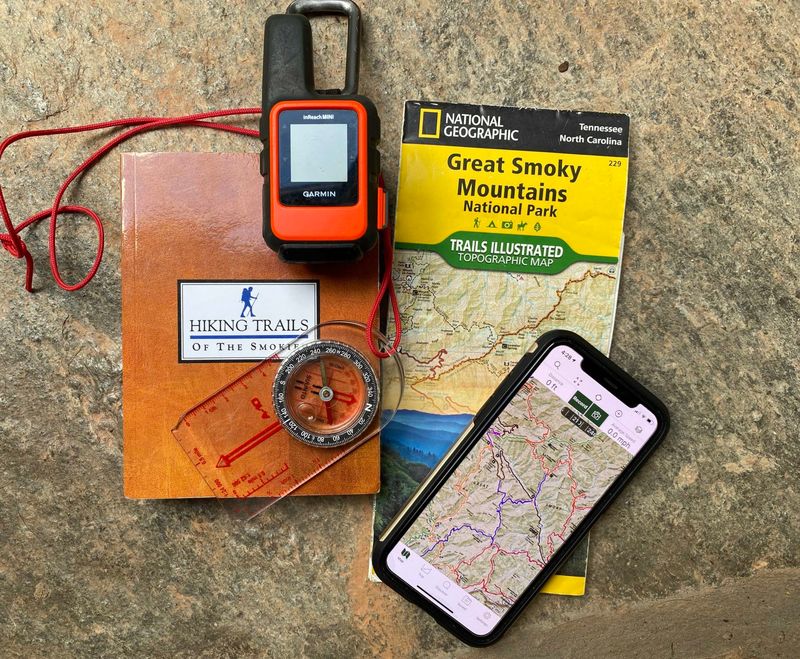
Getting lost turns a fun day into a scary situation quickly. Carrying a map, compass, and GPS device gives you multiple ways to find your location and route back to safety.
Phone apps work great until your battery dies or you lose signal in remote areas. A traditional compass never needs charging and works anywhere on Earth.
Learn basic navigation skills before you need them in an emergency. Practice reading topographic maps at home so you understand elevation lines and landmarks. Many hikers rely solely on technology, but having backup navigation methods shows true preparedness. Even on familiar trails, conditions can change with weather, making landmarks harder to recognize than you remember from previous visits.
4. First Aid Kit
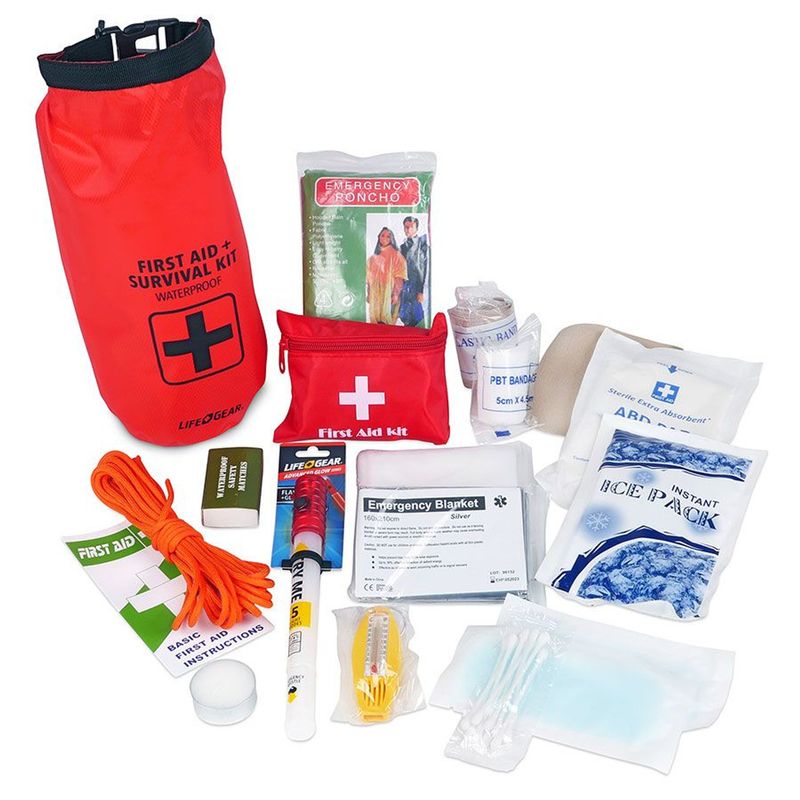
Accidents happen when you least expect them, from twisted ankles to scrapes from sharp rocks. A well-stocked first aid kit handles minor injuries before they become major problems that end your trip early.
Include bandages, antiseptic wipes, pain relievers, blister treatment, and any personal medications you need. Add tweezers for splinters and elastic bandages for sprains.
Knowing how to use everything in your kit matters just as much as carrying it. Take a basic first aid course to build confidence in handling common trail injuries. Refresh supplies after each hiking season, as adhesive bandages lose stickiness and medications expire, making them less effective when emergencies strike.
5. Weather-Appropriate Clothing

Mountains create their own weather patterns that change rapidly, catching unprepared hikers off guard. Layering clothes lets you adjust your temperature by adding or removing pieces as conditions shift throughout the day.
Start with moisture-wicking base layers that pull sweat away from your skin. Add insulating mid-layers for warmth, then top with a waterproof shell against rain and wind.
Cotton soaks up moisture and stays wet, making you cold and miserable. Choose synthetic or wool fabrics instead, which dry quickly and maintain warmth even when damp. Pack extra layers in your backpack since temperatures drop significantly at higher elevations, and afternoon thunderstorms appear suddenly in many regions during summer months.
6. Backpack with Proper Fit
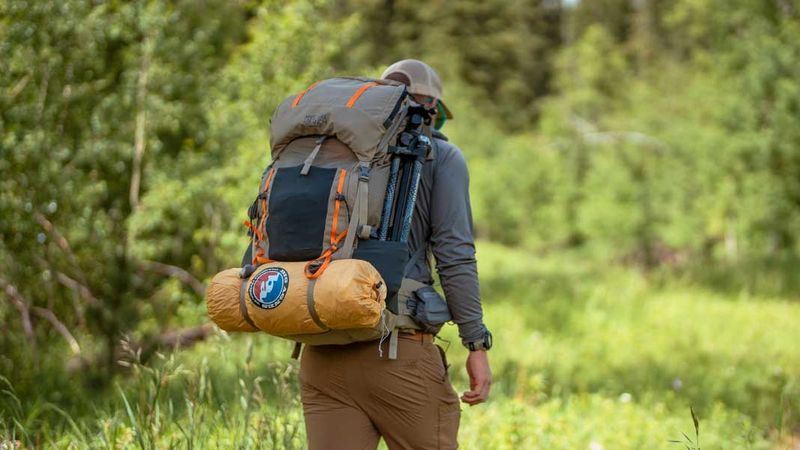
Carrying gear becomes torture if your backpack doesn’t fit correctly, causing shoulder pain and back strain. A properly sized pack distributes weight across your hips rather than hanging from your shoulders alone.
Try different sizes in stores and adjust all the straps to find your perfect match. Hip belts should rest on your hip bones, not your waist.
Capacity matters based on trip length: daypacks work for short hikes, while overnight trips need bigger volumes. Look for padded straps, breathable back panels, and external pockets for quick access to snacks and water. Loading heavier items close to your back and centered keeps you balanced on tricky terrain, preventing awkward shifts that throw off your footing.
7. Sun Protection Gear
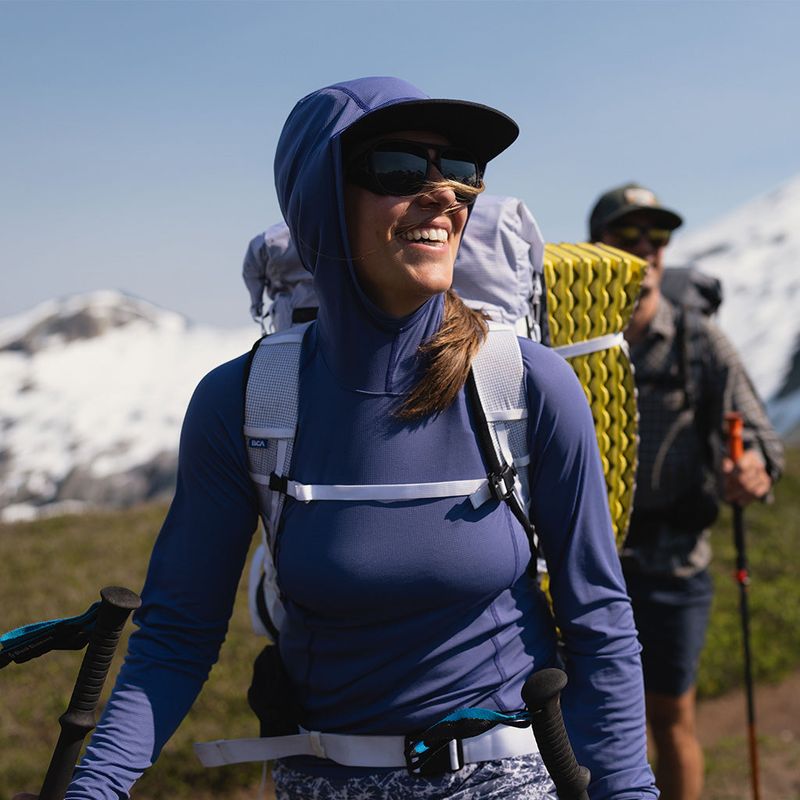
Did you know? Sunburn happens faster at high altitudes because thinner atmosphere filters less UV radiation. Many hikers forget that cloudy days still deliver harmful rays that damage skin and eyes over time.
Wide-brimmed hats shade your face and neck, while quality sunglasses protect eyes from glare and long-term damage. Apply broad-spectrum sunscreen with SPF 30 or higher to exposed skin.
Reapply sunscreen every two hours, especially if you’re sweating heavily. Lips burn easily too, so carry SPF lip balm in an accessible pocket. Sunburn drains your energy and ruins the next few days with painful peeling skin, making prevention worth the small effort it takes during your hike.
8. Emergency Shelter

When injury or weather forces you to spend an unexpected night outdoors, emergency shelter can save your life. Lightweight options like space blankets or bivy sacks weigh almost nothing but provide critical protection from wind and cold.
Hypothermia kills faster than most people realize, especially when you’re wet and temperatures drop after sunset. Even summer nights get dangerously cold at elevation.
Practice setting up your emergency shelter at home so stress doesn’t slow you down during a real crisis. Some hikers carry lightweight tarps that offer more versatility than single-use items. Bright colors help rescuers spot you if you need assistance, turning your shelter into a visible signal that guides help to your location quickly.
9. Nutrition and Snacks

Your body burns calories rapidly during strenuous hiking, and running low on fuel leads to fatigue, crankiness, and poor judgment. Packing calorie-dense snacks keeps your energy steady throughout the journey.
Trail mix, energy bars, jerky, and dried fruit provide quick fuel without requiring preparation. Aim for foods high in protein and healthy fats that sustain energy longer than sugary options.
Eat small amounts regularly rather than waiting until you’re starving and exhausted. Hunger affects your mood and decision-making abilities, potentially leading to mistakes on challenging terrain. Bring more food than you think you’ll need, accounting for delays or taking longer than planned. Extra snacks also taste amazing when you’re tired and still have miles to cover before reaching your destination.
10. Multi-Tool or Knife
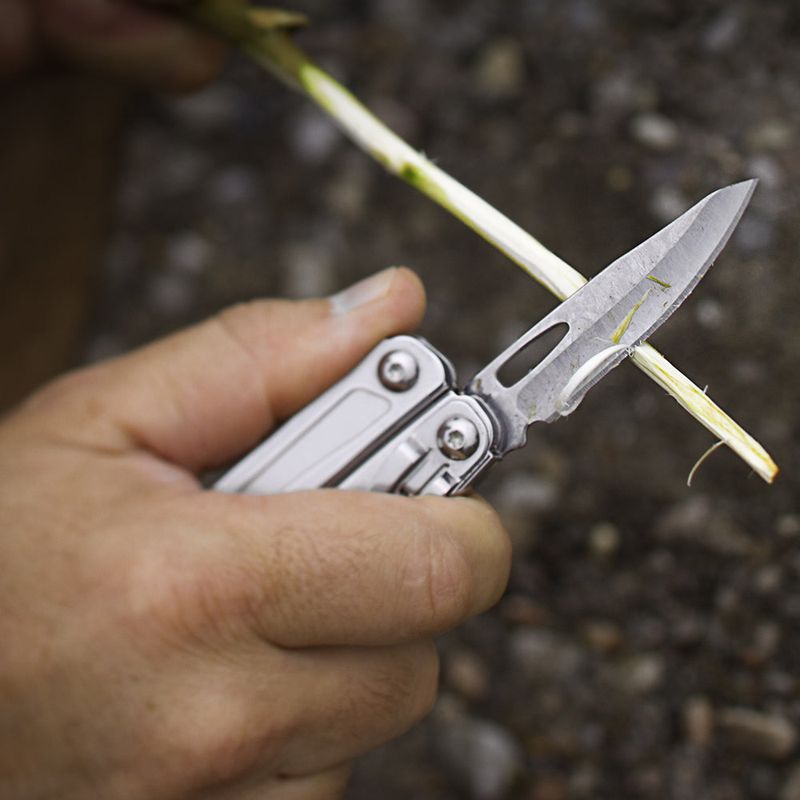
Countless situations arise on trails where having a blade or tool makes life easier. From cutting cord to opening packages, repairing gear, or preparing food, a quality multi-tool handles dozens of tasks in one compact package.
Look for tools with pliers, scissors, screwdrivers, and a sharp blade at minimum. Durability matters more than having every possible attachment.
Keep your tool accessible but secure so it doesn’t fall out during scrambles over rocks. Regular maintenance keeps blades sharp and joints moving smoothly for years of reliable service. Some hikers prefer simple fixed-blade knives for heavy-duty tasks, while others appreciate the versatility that multiple tools provide in various situations encountered during adventures.
11. Headlamp or Flashlight
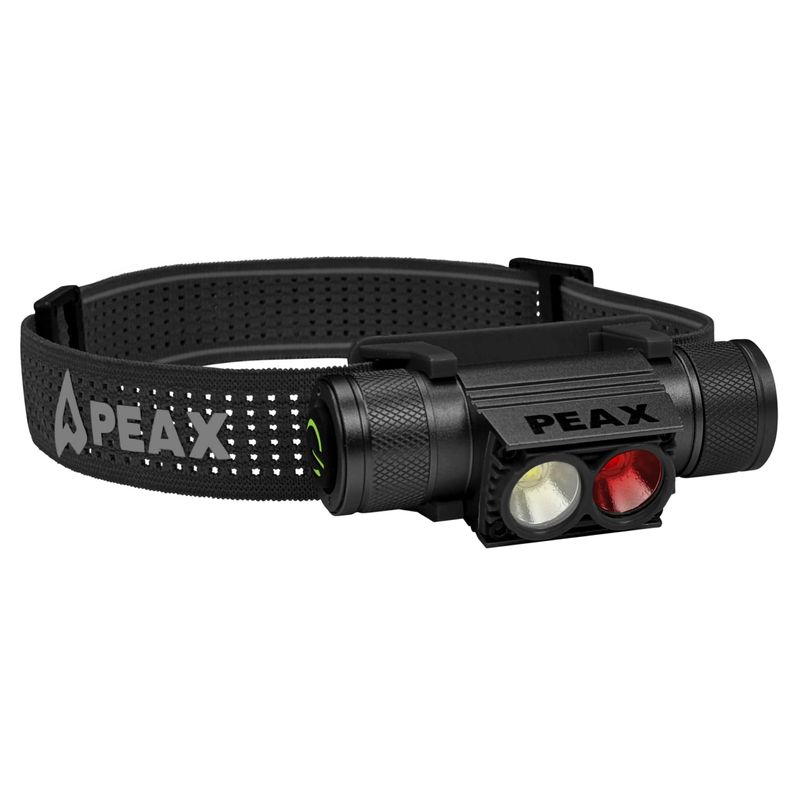
Trails take longer than expected more often than not, and finding yourself walking in darkness without light creates dangerous conditions. A headlamp keeps your hands free for balance and using trekking poles while lighting your path.
LED technology provides bright light with long battery life in lightweight packages. Carry extra batteries since cold temperatures drain power faster than normal.
Red light modes preserve night vision better than white light, helping your eyes adjust when you need to check maps or gear. Test your headlamp before each trip to ensure batteries work and bulbs shine brightly. Even day hikes benefit from carrying a light source, since unexpected delays or injuries might keep you out past sunset when trails become treacherous.
12. Trekking Poles
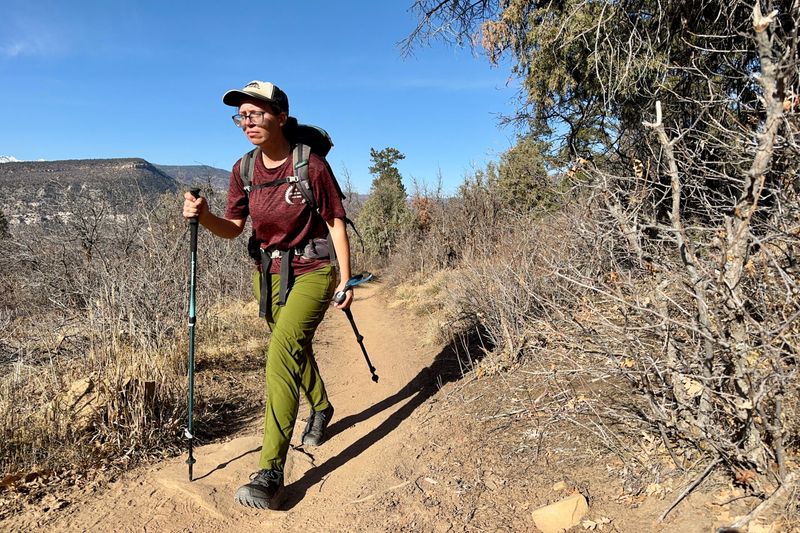
Adding two extra points of contact with the ground transforms your stability on uneven terrain. Trekking poles reduce strain on knees during descents, help you balance across streams, and provide rhythm on long flat sections.
Adjustable poles let you customize length for uphill and downhill portions of your route. Cork or foam grips feel more comfortable than plastic during extended use.
Many hikers dismiss poles as unnecessary until they try them and discover the difference they make. They’re especially valuable when carrying heavy packs or dealing with knee problems that make steep descents painful. Collapsible models pack small when you don’t need them, attaching easily to your backpack until terrain gets challenging and you want that extra support and confidence.