
Affiliate disclosure: As an Amazon Associate I earn from qualifying purchases. Learn more
Arizona is full of quiet campgrounds where the first thing you notice in the morning is not your alarm, but a deer grazing near your tent or a coyote trotting across the road. From the tall pines up north to the sky islands near Tucson, these spots put you right in the middle of animal country.
This list gathers 11 real campgrounds across the state where wildlife sightings happen often, especially in the cool early hours. Whether you love the high country or the desert edge, there is a spot here worth loading up the car for.
Grab your coffee, keep your camera close, and get ready to share your morning with the locals who were here long before you.
1. Mather Campground, Grand Canyon Village
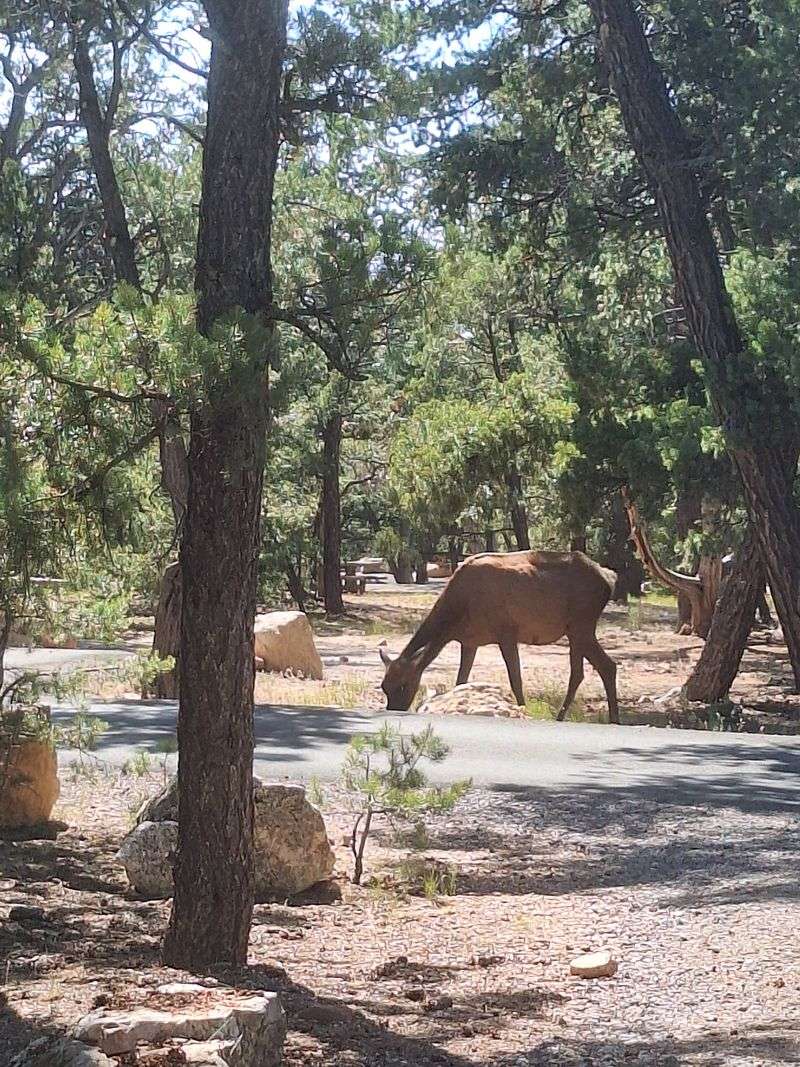
Mule deer wander through this campground so regularly that they have become part of the scenery near the South Rim. Set inside Grand Canyon National Park at around 7,000 feet, the ponderosa pine forest here gives animals plenty of cover and shade.
The campground stays open year round and sits within walking distance of the Village shuttle stops, so you can leave the car parked. Elk also move through the area, especially in the cooler months.
Reservations are strongly recommended through the National Park Service, and they fill up fast in spring and summer. Coyotes are often heard at dawn from the tree line.
I like this one because you get true canyon access and steady wildlife without needing a backcountry permit.
2. DeMotte Campground, Grand Canyon North Rim
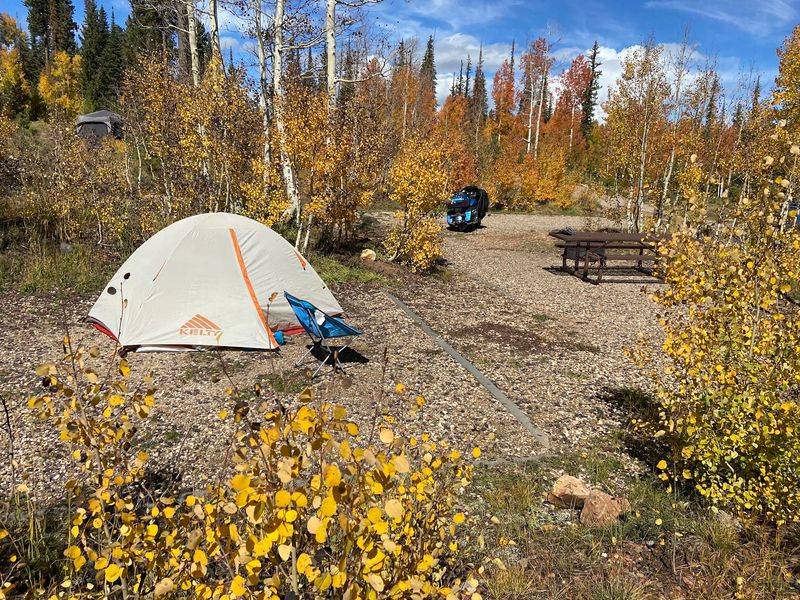
Up on the North Rim, the crowds thin out and the animals move in. DeMotte Campground sits in the Kaibab National Forest at roughly 8,700 feet, surrounded by meadows that deer love to browse in the early morning.
The high elevation means cooler summer temperatures and a mix of spruce, fir, and aspen. Mule deer and Kaibab squirrels are common, and coyotes call across the open grass at dawn and dusk.
Because the North Rim area closes seasonally with snow, this campground generally operates from late spring into fall. It is only a short drive from the North Rim entrance.
If you want a quieter side of the canyon with reliable wildlife, this is a strong pick.
3. Rose Canyon Campground, Mount Lemmon
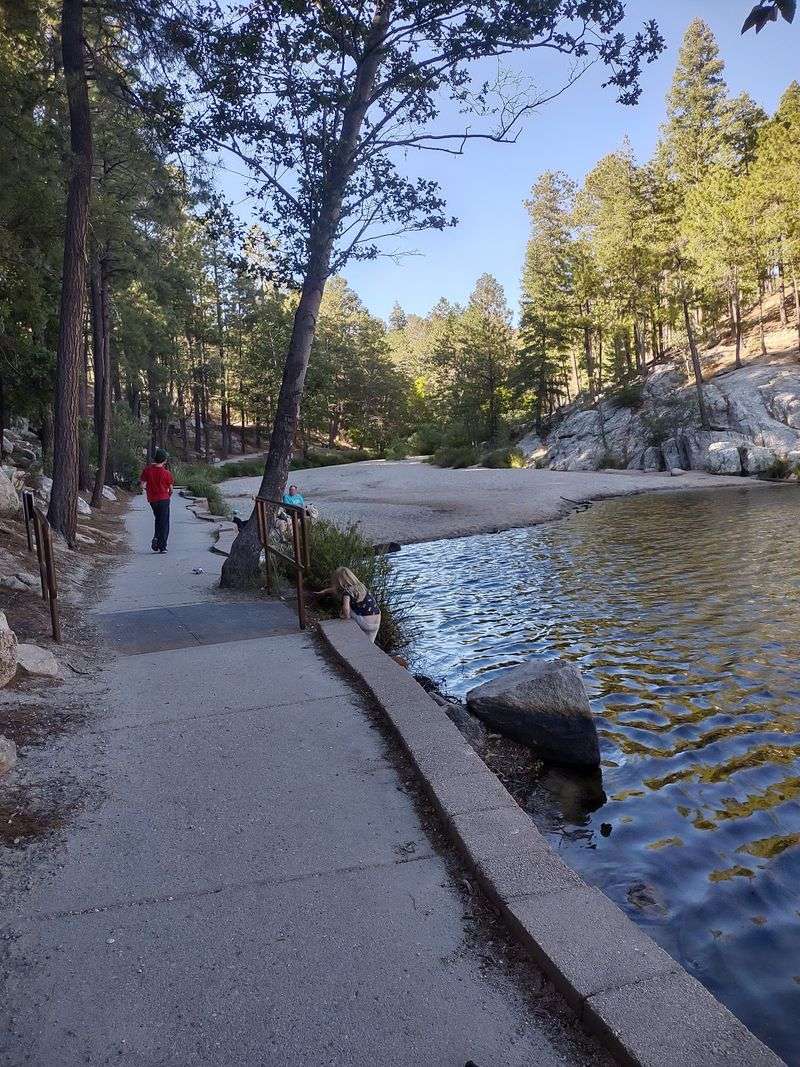
Escaping Tucson heat and spotting wildlife can happen in the same trip on Mount Lemmon. Rose Canyon Campground sits around 7,000 feet in the Coronado National Forest, next to a small stocked lake.
The temperature drop from the valley floor is dramatic, which makes this a favorite summer retreat. White-tailed deer and the occasional coyote move through the pines in the quiet morning hours.
Rose Canyon Lake is popular for fishing, and the whole area is a sky island, meaning it holds forest life you would not expect so close to the desert. The campground typically operates in the warmer months and takes reservations.
For a Tucson local, this is the easiest way to swap saguaros for pines in under an hour.
4. Lockett Meadow Campground, Flagstaff
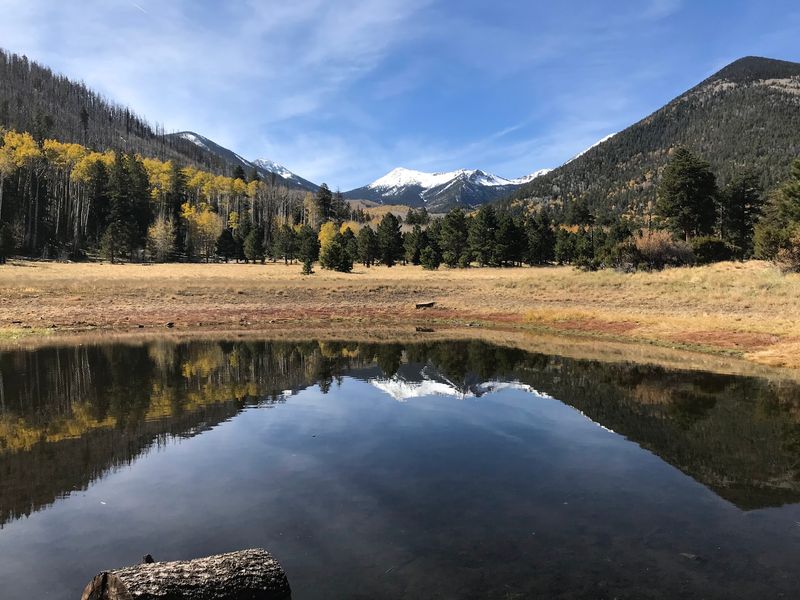
Tucked inside a volcanic bowl in the San Francisco Peaks, Lockett Meadow is one of the prettiest spots near Flagstaff. The aspen groves here draw crowds in fall for the color, but the meadow stays alive with deer year round during the open season.
At about 8,600 feet, mornings are crisp and often start with animals grazing in the open grass. The Inner Basin Trail begins here, so hikers get an early wildlife bonus before the climb.
Access involves a narrow, unpaved forest road, so smaller vehicles do best. The campground is first come, first served and closes with winter snow.
I would save this one for early fall when the aspens turn and the meadow is at its best.
5. Riverside Campground, Oak Creek Canyon
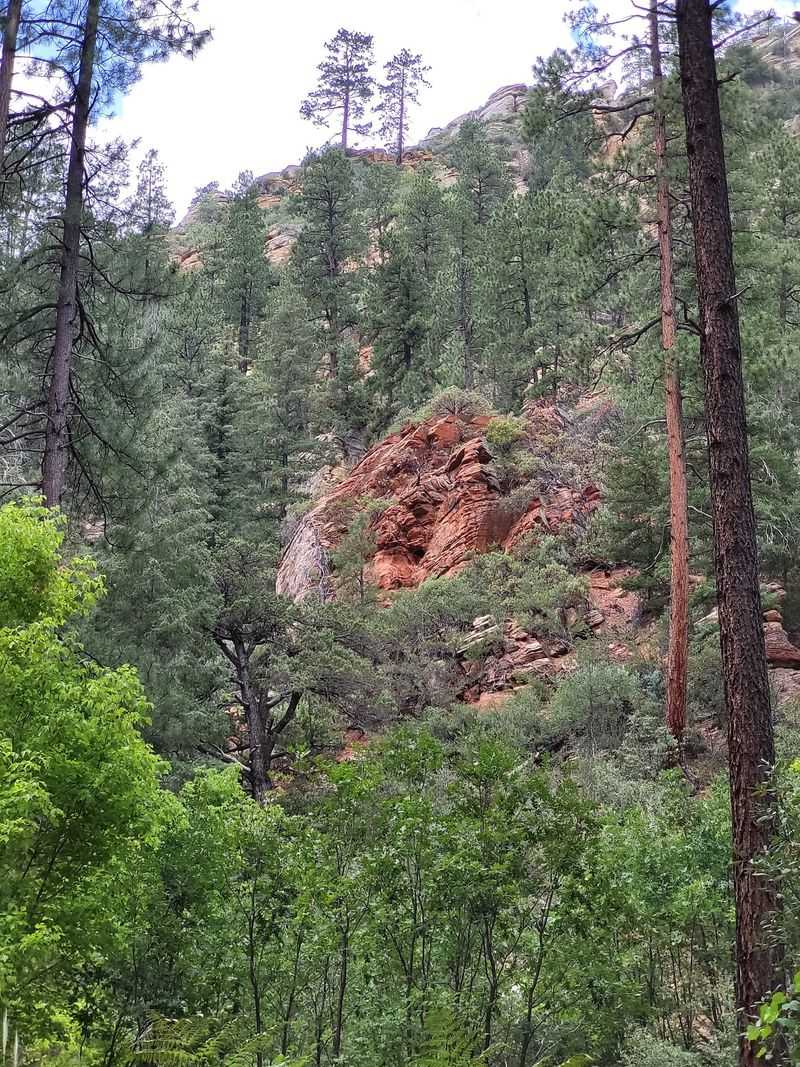
Water and shade in the desert always mean animals nearby, and Oak Creek Canyon delivers both. The campgrounds along Oak Creek north of Sedona sit under tall trees beside flowing water, drawing deer down to drink in the early hours.
The red rock walls of the canyon frame the whole area, and the creek keeps things green even in summer. Coyotes are heard in the surrounding forest, and birds are everywhere.
Sites here are shaded and popular, so reservations through the Coronado and Coconino forest systems are smart during peak season. The drive along SR 89A through the canyon is scenic on its own.
For anyone who wants Sedona scenery with the sound of moving water and morning wildlife, this stretch is hard to beat.
6. Lyman Lake State Park, St. Johns
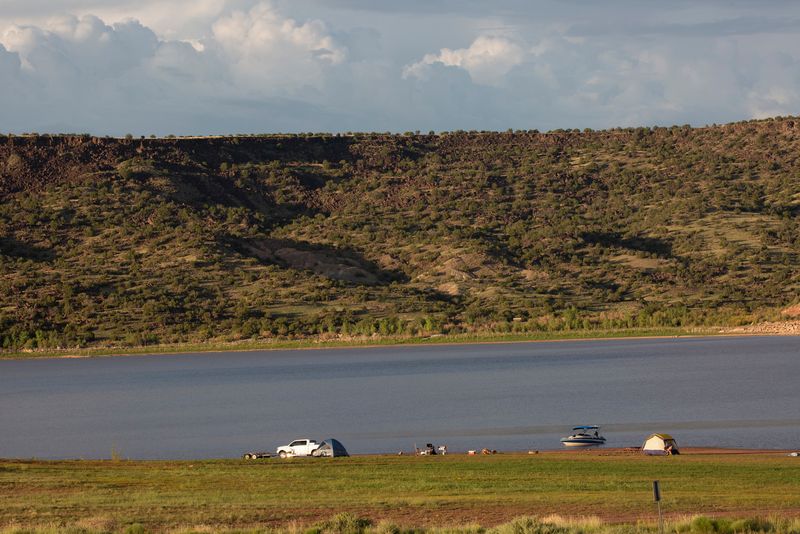
Out in the high grasslands of eastern Arizona, Lyman Lake State Park offers something the pine spots cannot: wide open country where pronghorn roam. The park sits at about 6,000 feet around a reservoir, with camping sites that look out over the water.
Pronghorn are often seen in the surrounding grasslands, and coyotes are common in this open landscape. There is even a small bison herd associated with the park.
Beyond wildlife, the lake is open for boating and fishing, and there are petroglyph sites nearby. The park stays open year round, though summer is the busiest stretch.
If your idea of morning wildlife includes grassland animals instead of forest deer, this park is a refreshing change of scenery.
7. Hawley Lake, White Mountains
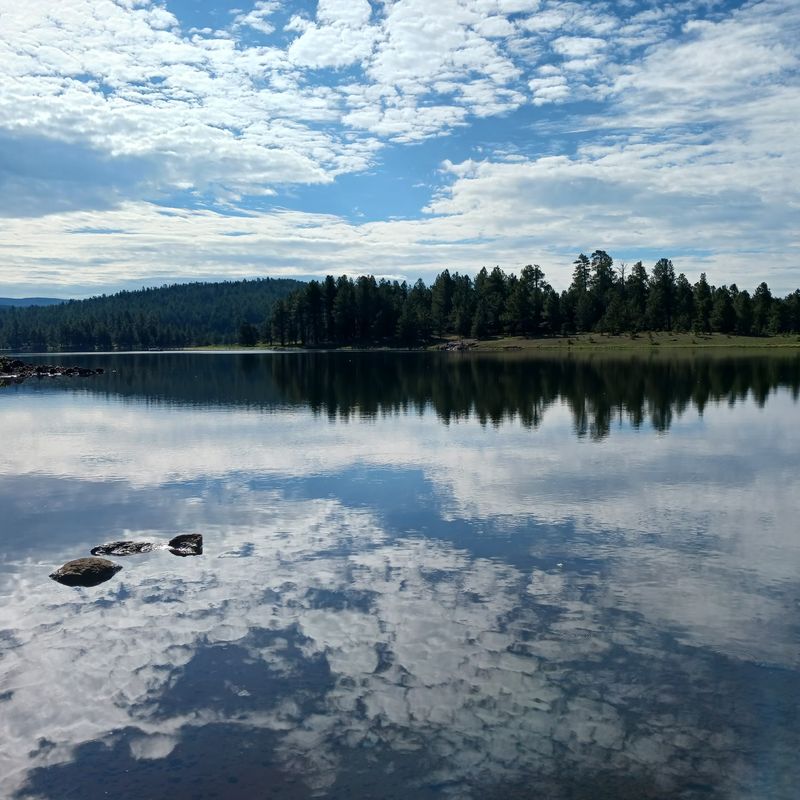
Sitting on the Fort Apache Reservation in the White Mountains, Hawley Lake is one of the coolest spots in the state, both in temperature and setting. At over 8,000 feet, the pine forest around the lake is prime habitat for elk and deer.
Mornings here are chilly even in summer, and animals often appear along the meadows and shoreline. Coyotes are part of the soundtrack after dark.
The lake is managed by the White Mountain Apache Tribe, and a tribal recreation permit is required for camping and fishing. Fishing for trout is a major draw.
For high-country air and a real chance at elk near your site, this lake is worth planning around the permit process.
8. Woods Canyon Lake, Mogollon Rim
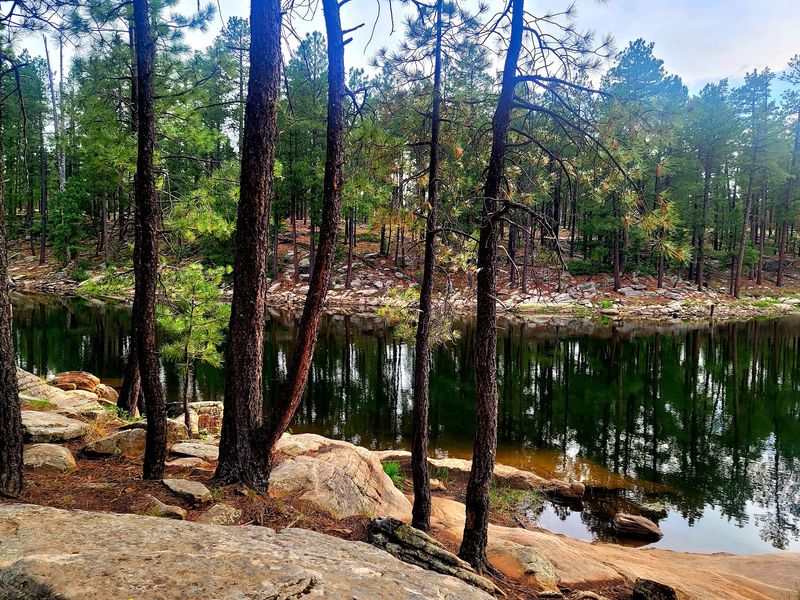
The Mogollon Rim is elk country, and Woods Canyon Lake puts you right in the middle of it. Campgrounds around this popular lake sit near 7,500 feet under thick ponderosa pines.
Elk and mule deer move through the forest edges in the early morning, and coyotes are frequently heard from the surrounding woods. The lake itself is a favorite for trout fishing and easy shoreline walking.
Because it is one of the closest cool escapes from the Phoenix Valley, sites book up quickly in summer, so reservations help. Several campgrounds cluster around the lake and nearby Rim spots.
I like this area for weekend trips when you want pines, a lake, and a good shot at seeing elk without driving all day.
9. Cave Creek Canyon, Portal
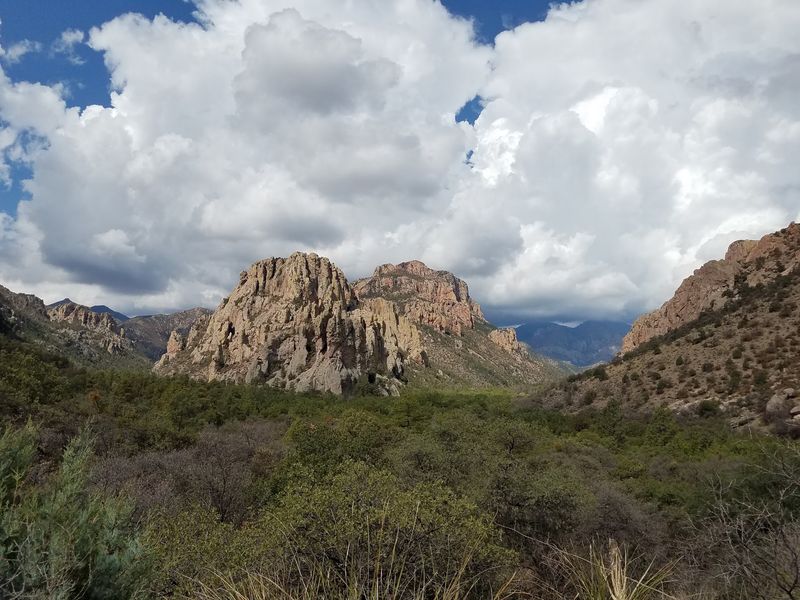
Down in the far southeast corner of the state, Cave Creek Canyon near Portal is famous among birders and wildlife watchers. The Chiricahua Mountains here are a sky island rising out of the desert, and the variety of animals is remarkable.
Campgrounds in the canyon sit among sycamores and pines along the creek, where deer, coatis, and javelina all pass through. Coyotes are common in the surrounding country.
The area draws visitors from all over for its birds, including species rarely found elsewhere in the United States. The Coronado National Forest manages camping in the canyon.
For anyone chasing wildlife variety rather than just deer, this remote corner rewards the long drive with sightings you cannot get up north.
10. Pinegrove Campground, Ashurst Lake
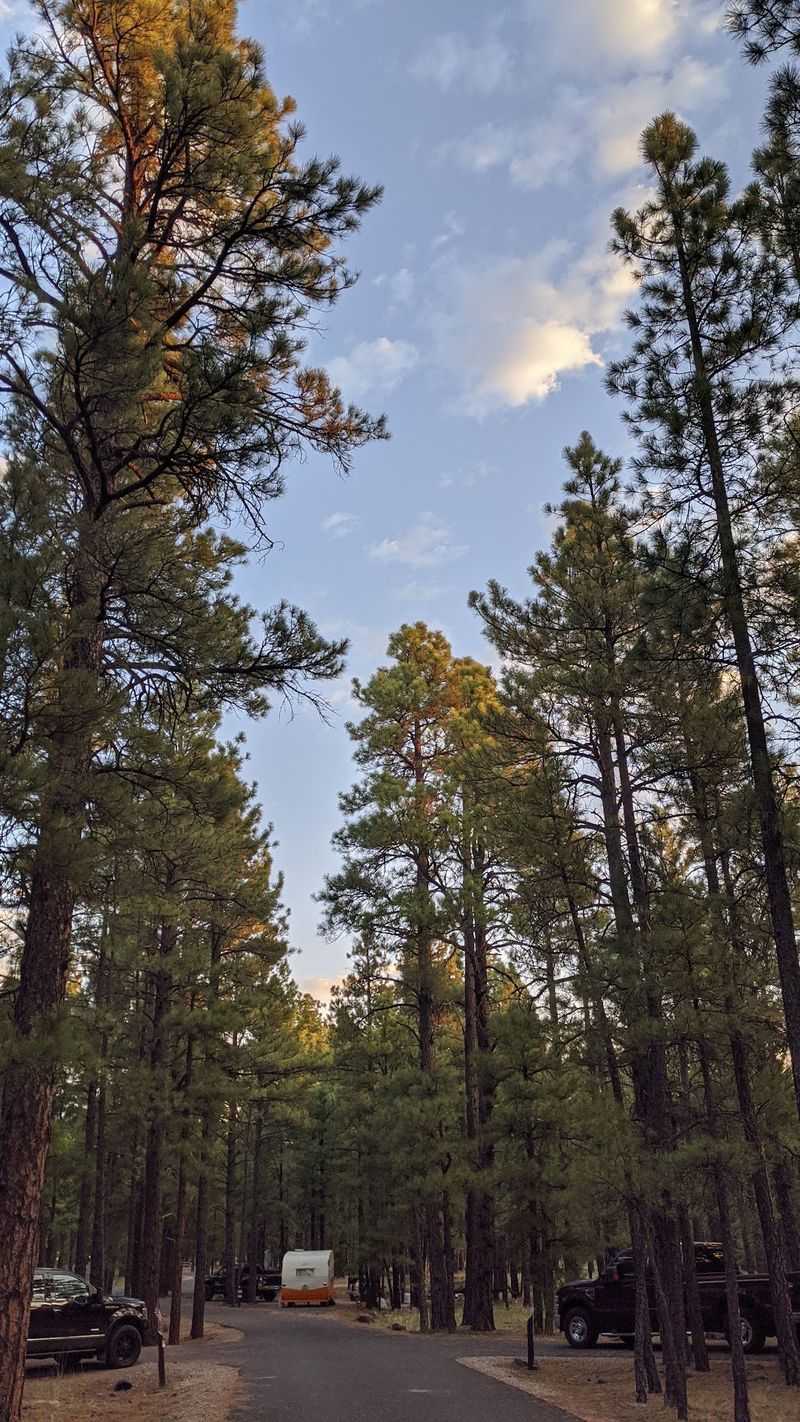
Southeast of Flagstaff, the country around Ashurst Lake mixes open meadows with scattered pines, and that combination brings out the animals. Pinegrove Campground sits in the Coconino National Forest at around 7,000 feet.
Mule deer are regular visitors in the mornings, and pronghorn are sometimes seen in the nearby grasslands. Coyotes call across the open ground at dawn.
The two small lakes in the area are known for fishing and windsurfing thanks to steady breezes. The campground generally operates in the warmer months and offers a quieter feel than the busier Rim lakes.
If you want easy access from Flagstaff with a good mix of forest and grassland wildlife, this spot fits the bill.
11. Bog Springs Campground, Madera Canyon
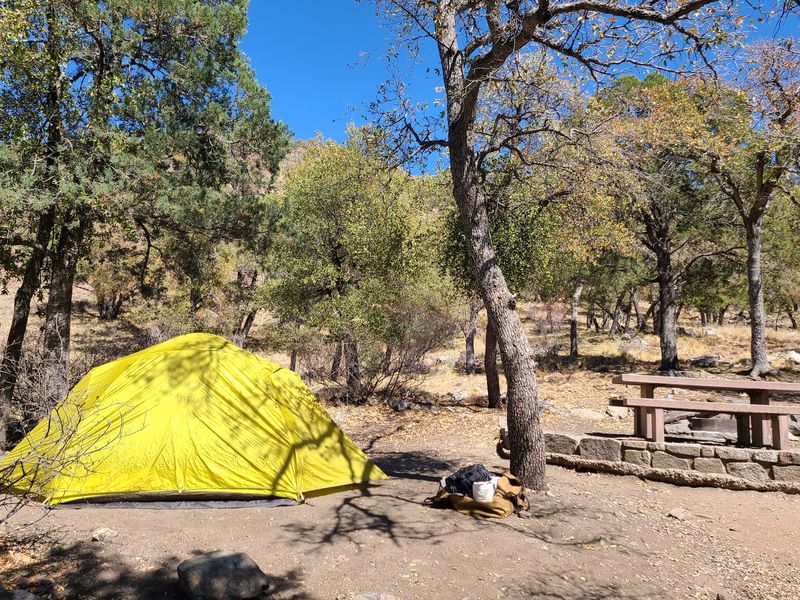
Madera Canyon south of Tucson is a wildlife magnet, and Bog Springs Campground puts you right in the thick of it. Set in the Santa Rita Mountains within the Coronado National Forest, the canyon is another famous sky island.
White-tailed deer, coatis, and a stunning range of birds move through the oaks and pines here, especially early in the day. Coyotes roam the surrounding slopes.
The canyon is a world-known birding destination, drawing people hoping to spot hummingbirds and other specialties. Trails climb from the campground toward the higher peaks.
Reserved sites and a quiet, wooded setting make this a favorite for southern Arizona campers wanting reliable morning wildlife close to Tucson.