
Affiliate disclosure: As an Amazon Associate I earn from qualifying purchases. Learn more
When you’re planning your next outdoor adventure, having the right gear can make all the difference between an amazing experience and a tough day on the trail. North Face has built a reputation for creating high-quality hiking equipment that stands up to challenging conditions while keeping you comfortable and safe. Whether you’re a beginner hitting local trails or an experienced hiker tackling mountain peaks, these ten essential items will help you prepare for whatever nature throws your way.
1. TNF Hiking Boots (e.g., Hedgehog & VECTIV Families)
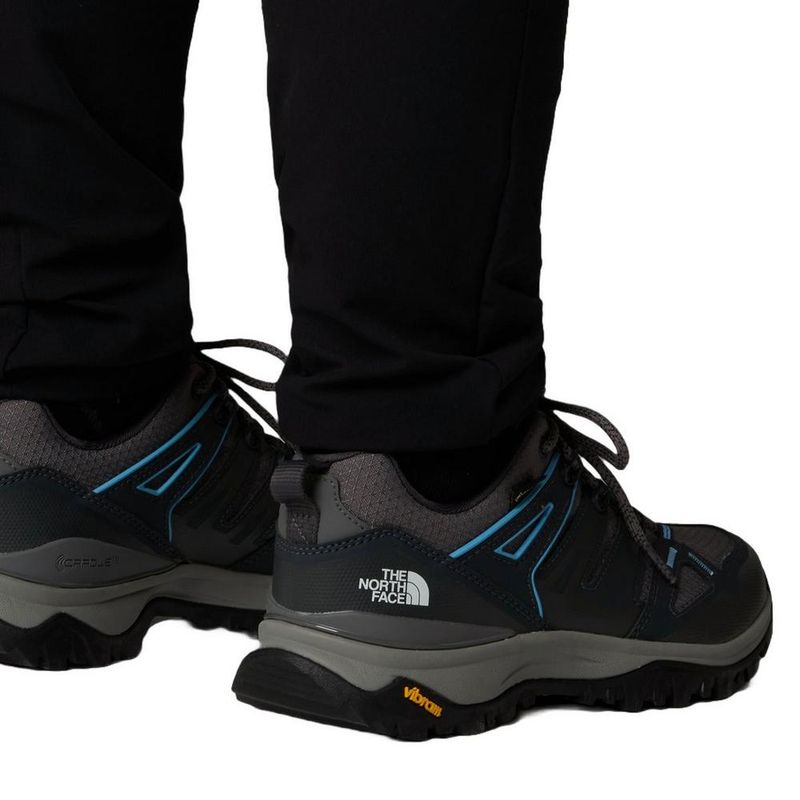
Your feet are your most important hiking tool, so protecting them should be priority number one. North Face hiking boots like the Hedgehog and VECTIV families combine advanced traction technology with durable construction that handles everything from muddy forest paths to rocky mountain terrain.
The difference between regular shoes and proper hiking boots becomes obvious after your first few miles. Quality boots provide ankle support that prevents injuries on uneven ground. They also feature waterproof materials that keep your feet dry when crossing streams or hiking through morning dew.
What makes North Face boots special is their attention to comfort alongside protection. The cushioned insoles reduce fatigue during long hikes, while the aggressive tread patterns grip slippery surfaces confidently. Many hikers find these boots require minimal break-in time compared to other brands.
Investing in reliable footwear pays off with every step you take on the trail.
2. Waterproof / Breathable Rain Jacket (e.g., Antora Jacket)
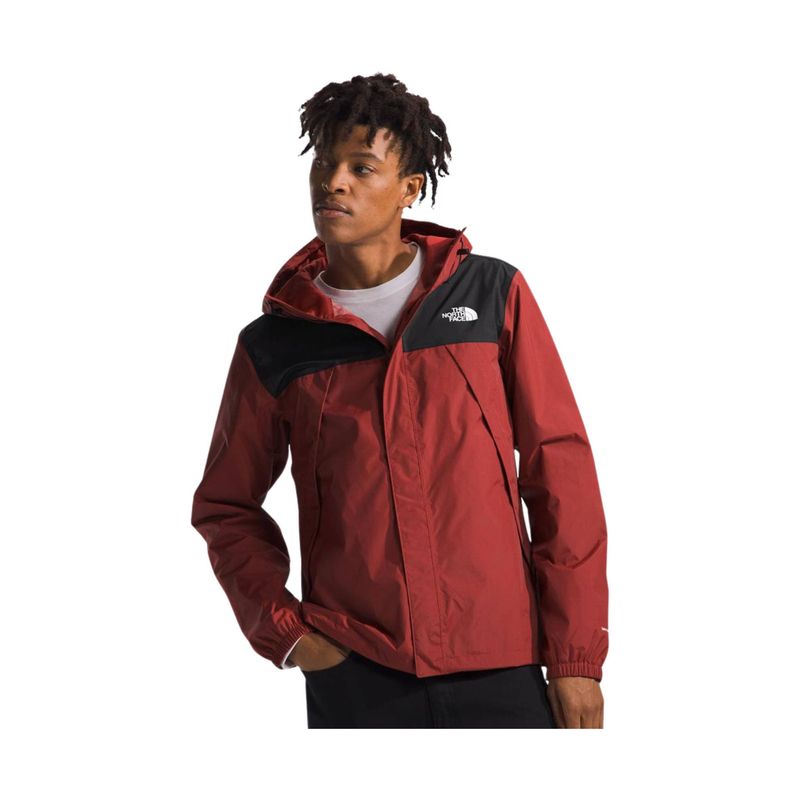
Mountain weather changes faster than you can check a forecast. One minute you’re enjoying sunshine, and the next you’re caught in a downpour. That’s exactly why a waterproof rain jacket like the Antora should always find space in your pack.
The magic of modern rain jackets lies in their breathability. Old-school rain gear kept water out but trapped sweat inside, leaving you damp anyway. North Face jackets use advanced fabric technology that blocks rain while allowing moisture from your body to escape.
Lightweight construction means you won’t feel weighed down carrying it. The jacket packs small enough to stuff in a backpack pocket, ready whenever dark clouds roll in. Features like adjustable hoods and sealed seams provide extra protection against wind-driven rain.
Trail veterans know that staying dry keeps you warm and safe. A quality rain jacket isn’t just about comfort but about preventing hypothermia in unexpected conditions.
3. Technical Hiking Backpack (Trail Lite / Borealis / Base Camp Daypack)
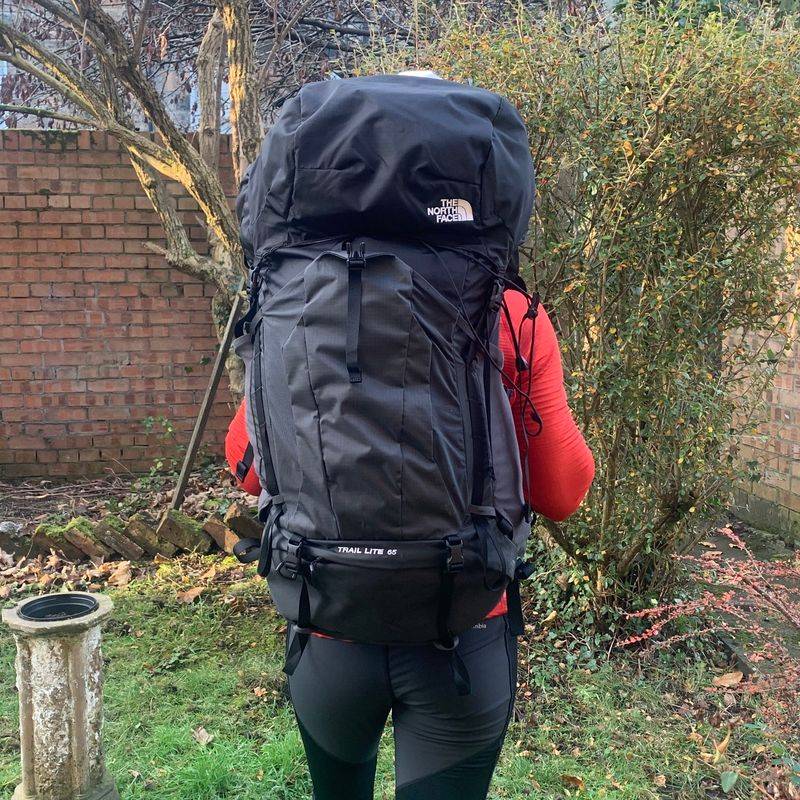
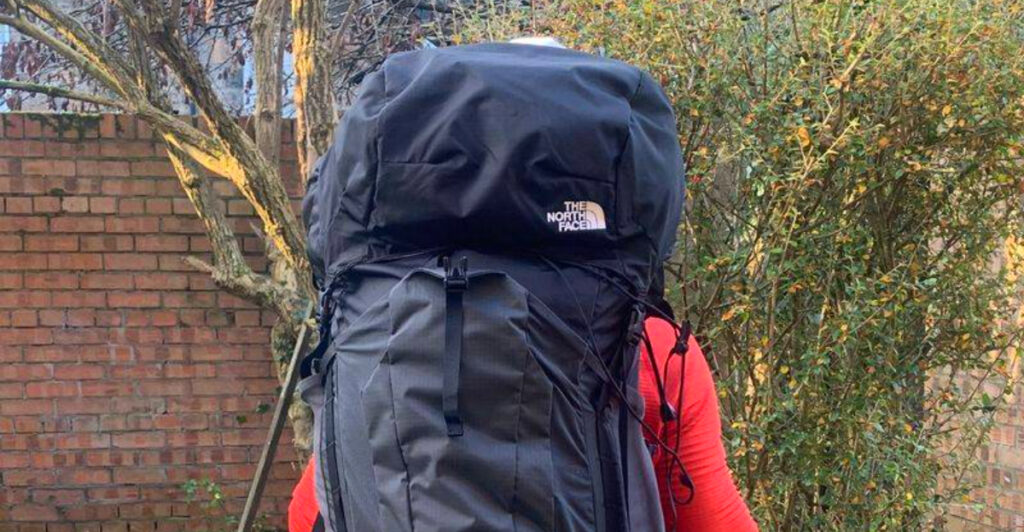
Ever tried hiking with a regular school backpack? The shoulder pain and awkward bouncing make it clear that specialized hiking packs exist for good reasons. North Face offers options like the Trail Lite, Borealis, and Base Camp Daypack designed specifically for outdoor adventures.
Smart organization transforms your hiking experience. These packs feature multiple compartments that keep gear accessible without dumping everything out to find your snacks. Water bottle pockets, hip belt storage, and internal sleeves mean everything has its place.
Comfort engineering makes long hikes manageable. Padded shoulder straps distribute weight evenly across your back and shoulders. Ventilated back panels prevent that sweaty feeling you get with regular bags. Adjustable straps let you customize the fit to your body.
Durability matters when your pack encounters branches, rocks, and rough handling. Reinforced bottoms and weather-resistant materials ensure these backpacks survive season after season of adventures.
4. Moisture-Wicking Base Layers
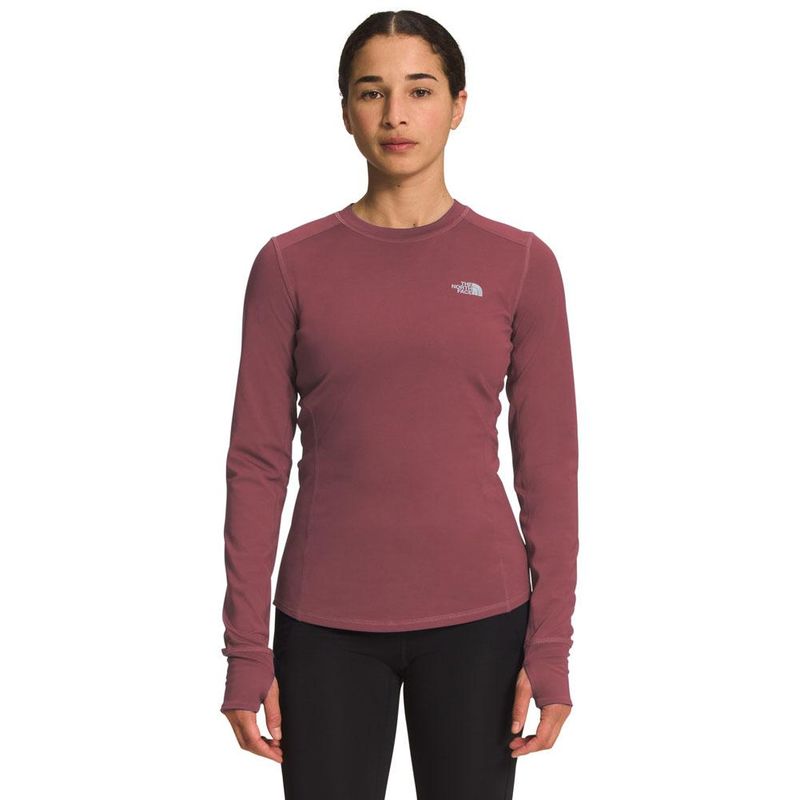
Cotton kills. That’s a saying experienced hikers take seriously because wet cotton against your skin can lead to dangerous body temperature drops. Moisture-wicking base layers solve this problem by pulling sweat away from your body instead of absorbing it.
Think of base layers as your second skin on the trail. These lightweight shirts and bottoms sit closest to your body, working constantly to keep you dry. When you’re climbing uphill and working hard, they transport perspiration to the outer surface where it evaporates quickly.
Temperature regulation becomes easier with proper base layers. They keep you cool during strenuous activity by preventing sweat buildup. During rest breaks, dry skin means you won’t get chilled as your body cools down.
North Face designs base layers with flat seams that prevent chafing during long hikes. The stretchy fabric moves with your body rather than restricting motion. Quick-drying properties mean you can even rinse them at camp and have them ready by morning.
5. Insulating Midlayer (Fleece or Synthetic Jacket)
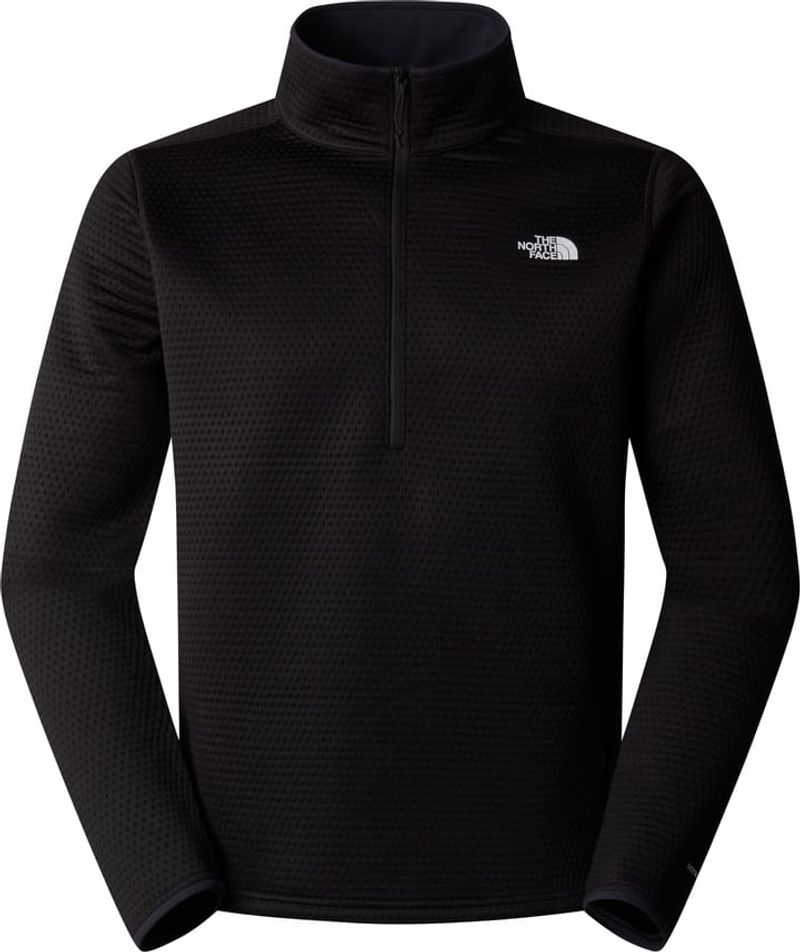
Layering is the secret to comfortable hiking across changing conditions and elevations. Your midlayer provides crucial warmth without the bulk of heavy winter coats. North Face fleece and synthetic jackets trap body heat while still allowing freedom of movement.
High-elevation hiking often means starting in warm valleys and ending in chilly peaks. A good midlayer adapts to these temperature swings perfectly. Zip it up when the wind picks up or temperatures drop. Remove it and stuff it in your pack when the sun comes out.
Synthetic insulation continues working even when damp, unlike down which loses effectiveness when wet. This makes it ideal for unpredictable weather conditions. Fleece options offer breathability for high-energy activities where you’re generating lots of body heat.
The versatility of a quality midlayer extends beyond hiking. Wear it around camp in the evening, during early morning starts, or as everyday outerwear in cooler months.
6. Trail-Ready Hiking Socks
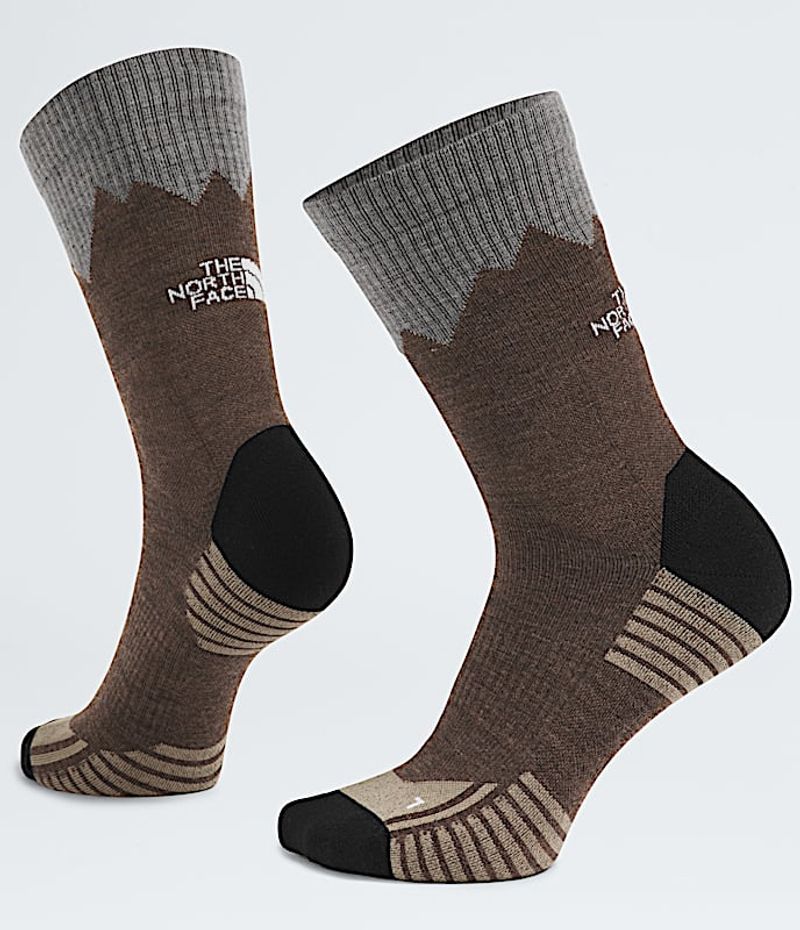
Blisters can turn an exciting hike into a painful ordeal. Many beginners underestimate how much proper socks matter until they’re limping back to the trailhead. North Face hiking socks are engineered specifically to prevent friction and manage moisture.
Special cushioning zones protect high-impact areas like heels and balls of your feet. The reinforced construction resists wear in spots where regular socks would develop holes quickly. Arch support helps reduce fatigue during long distances.
Synthetic and wool blend materials wick moisture away while providing temperature regulation. Your feet stay drier, which dramatically reduces blister formation. Seamless toe construction eliminates another common source of hot spots and discomfort.
Serious hikers often carry an extra pair in their pack for multi-day trips or particularly challenging terrain. Fresh, dry socks at lunch break or camp can feel amazingly refreshing. Never underestimate this small item that makes such a huge difference in trail comfort.
7. Sun Protection Hat & Sunglasses
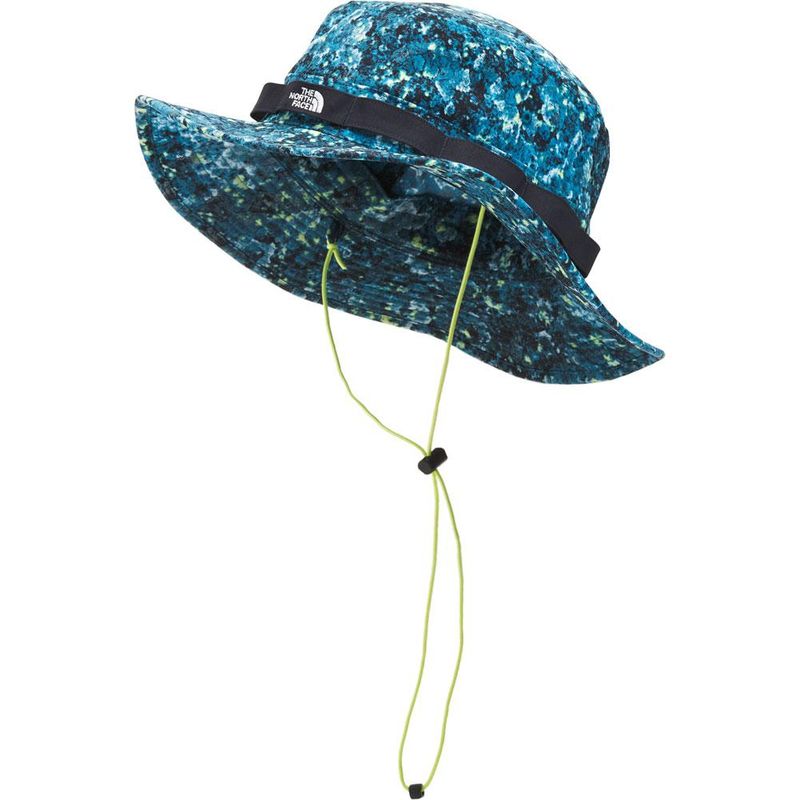
Sunburn and eye damage happen faster at higher elevations where UV radiation intensifies. Open trails, reflective snow, and long exposure hours make sun protection absolutely essential rather than optional. North Face hats and sunglasses are designed with outdoor athletes in mind.
Wide-brimmed hiking hats shield your face, neck, and ears from harmful rays. Ventilated designs prevent overheating while providing shade. Many styles include adjustable chin straps that keep your hat secure during windy conditions or fast-paced hiking.
Quality sunglasses block both UVA and UVB rays that can cause long-term eye damage. Polarized lenses reduce glare from water, snow, and rocks, making it easier to see trail obstacles. Wraparound styles provide better coverage than regular sunglasses.
Don’t forget that cloudy days still deliver significant UV exposure. Sun protection should be automatic for every hike, regardless of weather. Your future self will thank you for preventing premature aging and serious health issues.
8. Hydration System (Water Bottle / Reservoir)
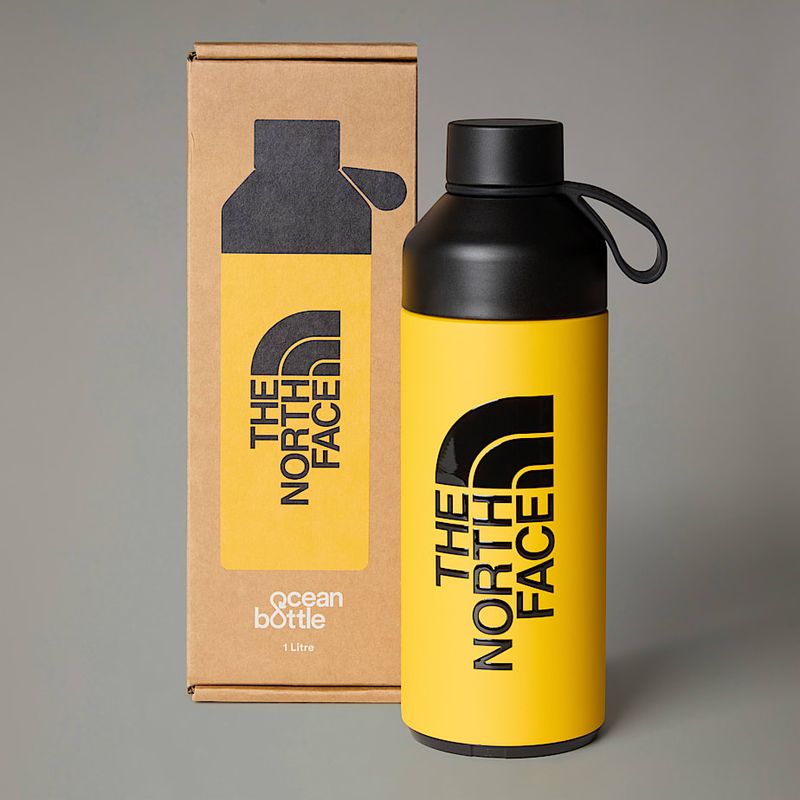
Dehydration sneaks up on hikers more often than most people realize. By the time you feel thirsty, you’re already behind on fluid intake. Having water easily accessible encourages regular drinking throughout your hike.
North Face offers both traditional water bottles and hydration reservoir systems. Bottles provide simplicity and easy refilling at streams or water sources. Reservoirs with drinking tubes let you sip continuously without stopping or removing your pack.
Proper hydration affects everything from energy levels to decision-making ability. Even mild dehydration impairs physical performance and mental clarity. On hot days or strenuous hikes, you might need to drink more than you expect.
Calculate your water needs based on distance, weather, and intensity. Carry extra capacity for emergencies or unexpected delays. Insulated bottles keep water cool in summer heat. Some hikers use filtration systems to safely drink from natural sources, extending their range between refill points. Water weight is worth carrying for safety and comfort.
9. Gloves & Warm Hat
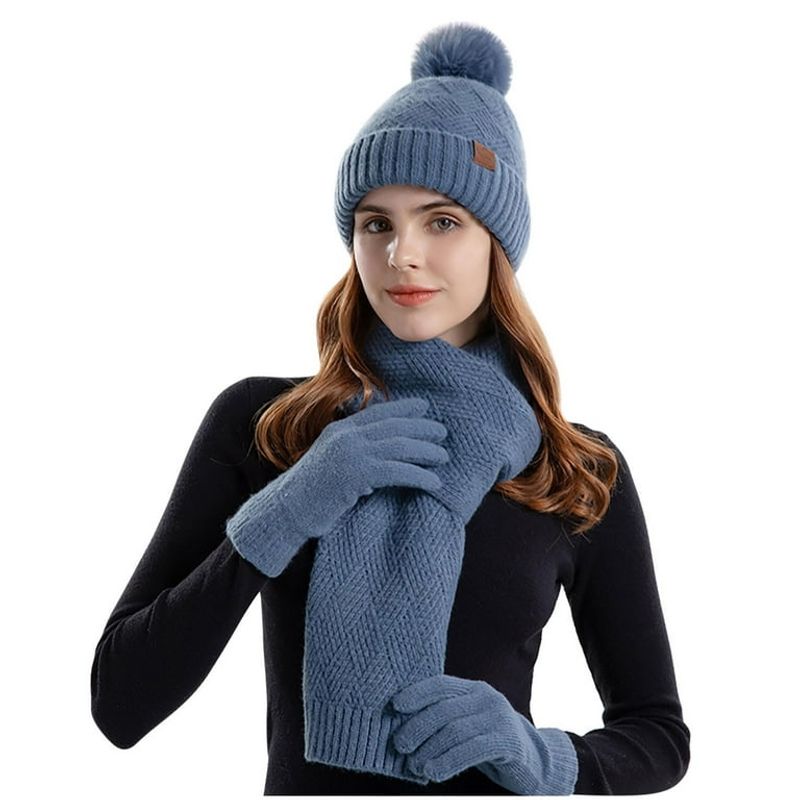
Your body loses heat fastest through your extremities, making hands and head critical areas to protect in cold conditions. Early morning starts, high-altitude destinations, and shoulder-season hiking often require extra warmth that gloves and hats provide perfectly.
North Face gloves balance insulation with dexterity. You need to maintain finger mobility for adjusting gear, using trekking poles, or taking photos. Touchscreen-compatible fingertips let you check maps or GPS without exposing bare skin to cold air.
Warm hats trap body heat that would otherwise escape from your head. Moisture-wicking materials prevent sweat buildup that could chill you later. Some designs cover ears completely for added protection against biting wind.
These items pack small but deliver big comfort improvements. Toss them in your backpack even if forecasts look mild. Mountain weather surprises hikers regularly, and having backup warmth available provides peace of mind and actual warmth when conditions change unexpectedly.
10. Trail Snacks & Lightweight First Aid Kit
Running out of energy miles from the trailhead turns fun adventures into survival situations. Your body burns significantly more calories hiking than during normal activities. Portable, high-energy snacks keep your muscles fueled and your spirits high throughout the journey.
Pack foods that provide quick energy and sustained fuel. Trail mix, energy bars, dried fruit, and nuts offer excellent calorie-to-weight ratios. Avoid items that melt in heat or freeze solid in cold. Easy-to-eat snacks let you refuel during short breaks without elaborate meal prep.
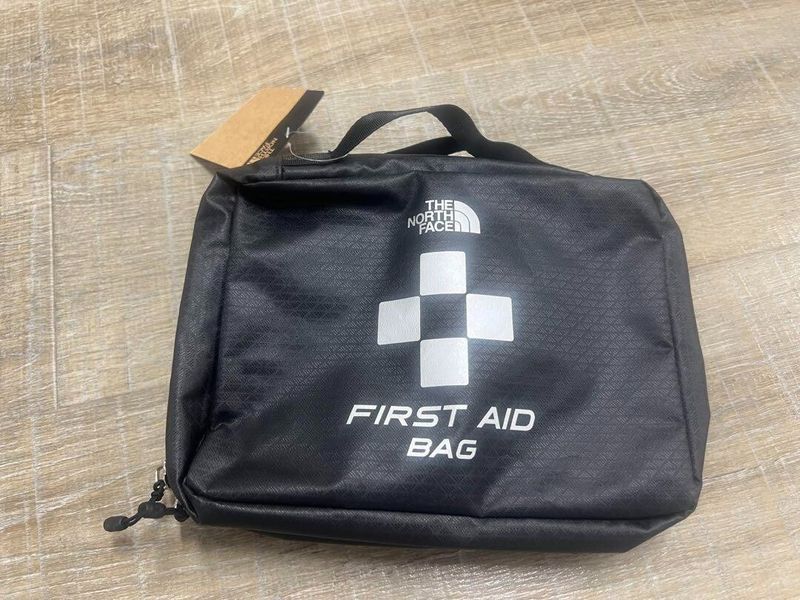
A lightweight first aid kit addresses common trail injuries before they become serious problems. Bandages, blister treatments, pain relievers, and antiseptic wipes handle most minor issues. Include any personal medications you might need. Knowing basic first aid skills makes your kit actually useful.
North Face embraces the preparedness mindset that separates casual walkers from serious hikers. These basics aren’t glamorous gear, but they’re absolutely essential for safe, enjoyable adventures in the backcountry.