Affiliate disclosure: As an Amazon Associate I earn from qualifying purchases. Learn more
Training for a marathon is no joke. You need more than just motivation and a training plan to make it through months of long runs, early mornings, and sore muscles. The right gear can transform your experience from painful struggle to manageable challenge. Here are ten items that runners say truly made their marathon training better, safer, and more successful.
1. Cushioned Daily Trainer Shoes That Actually Fit Your Feet
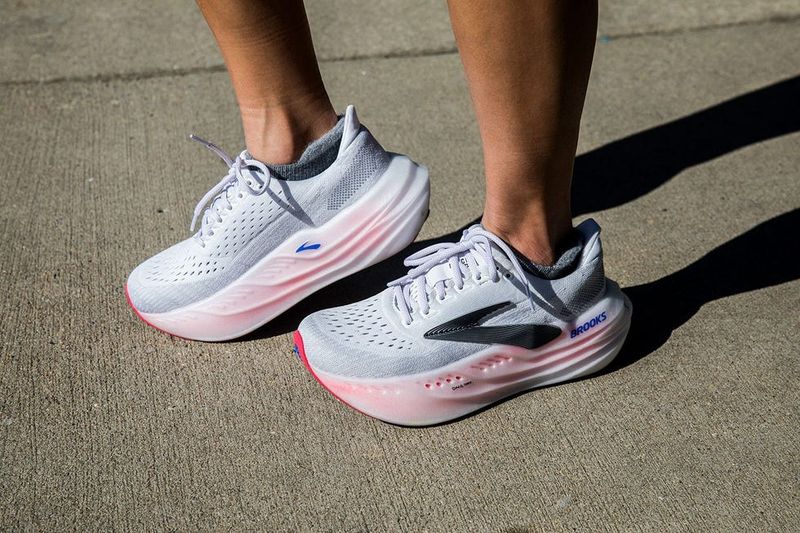
If you buy one thing for marathon training, let it be a proper pair of daily trainer running shoes. Models like the Brooks Ghost series and Nike’s Pegasus line are popular choices among distance runners for their soft but responsive ride.
What matters most is enough cushioning that long runs don’t destroy your legs, a neutral or stability shoe matching your gait, and zero hotspots or rubbing. If it hurts in the store, it’ll be a nightmare at mile 20.
A well-fitting daily trainer won’t turn you into an elite runner, but it can absolutely mean the difference between finishing strong and hobbling the last 10K.
2. A GPS Running Watch That Shows More Than Just Pace
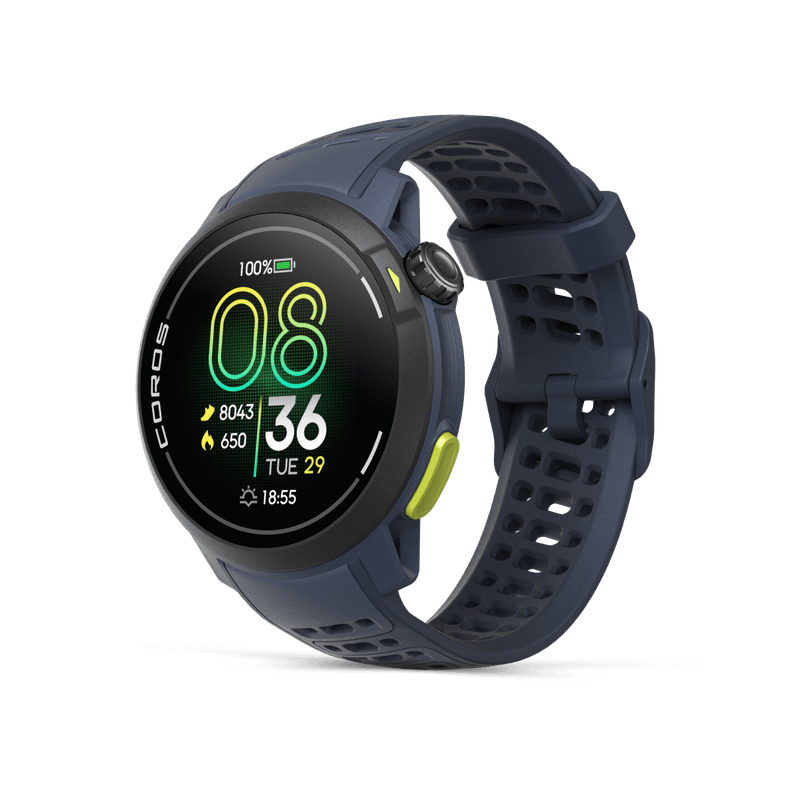
You can train with a simple stopwatch, but a modern GPS watch makes staying consistent so much easier. Watches like the Garmin Forerunner 255 and Coros Pace 3 offer accurate GPS and training tools such as HRV status, daily suggested workouts, and training status.
Why it makes a difference: it keeps you honest on easy days, helps track long-term progress like VO₂ max estimates, and on race day you can lock into your marathon pace instead of guessing.
You don’t need the most expensive watch on the market. Just something accurate and comfortable with decent battery life for long runs.
3. Anti-Chafe Balm So Your Skin Survives Long Runs
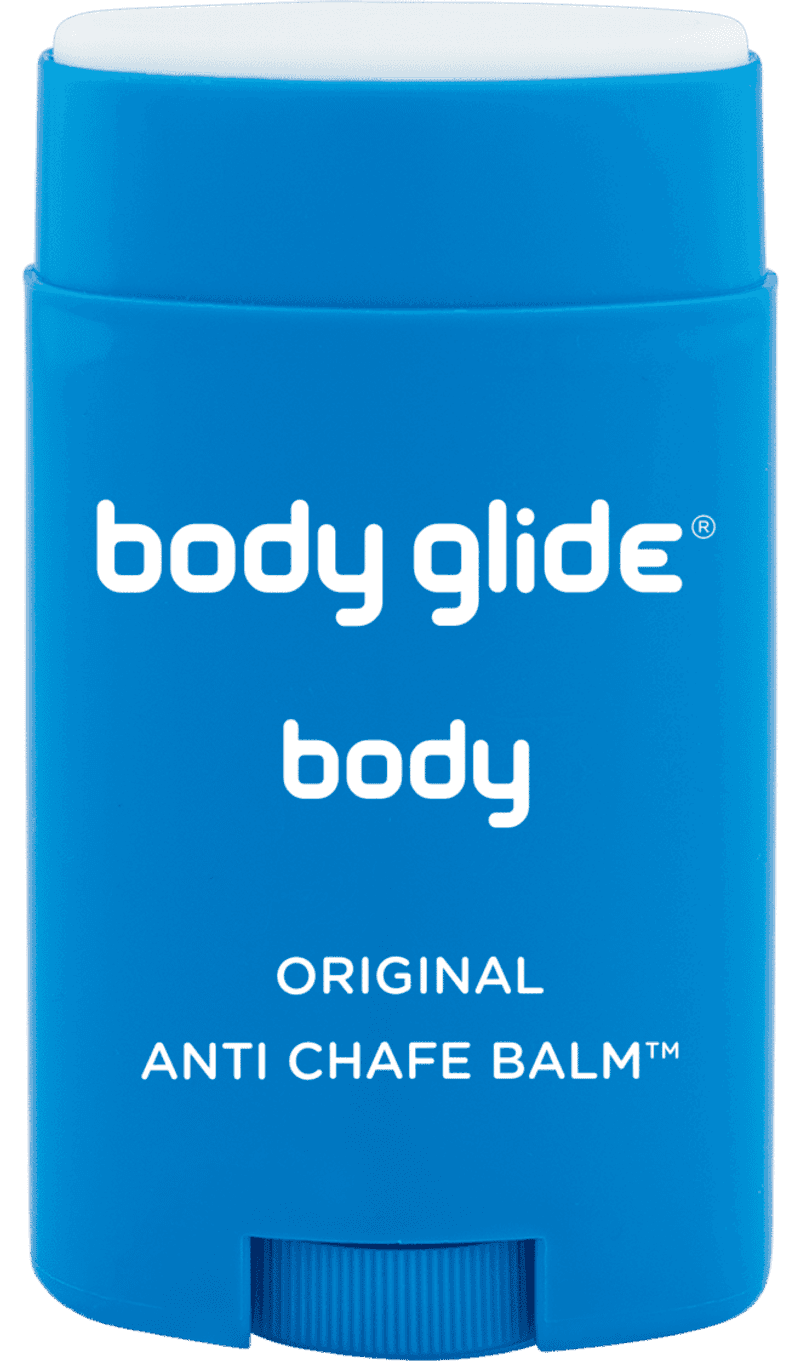
If you’ve never chafed, you might think anti-chafe balm is optional. After your first sweaty 30 km run, you’ll understand it’s non-negotiable.
Body Glide Original Anti Chafe Balm is one of the best-known options. It creates a dry, invisible barrier on high-friction areas like thighs, underarms, sports-bra lines, feet, and waistband, helping prevent raw, painful skin and blisters.
It prevents chafing before it starts, lets you focus on your workout instead of every step hurting, and the tiny portable stick lasts a long time. You don’t notice it when it works, but you definitely notice when you forget it.
4. Proper Running Socks (Not the 10-Pack Cotton Ones)
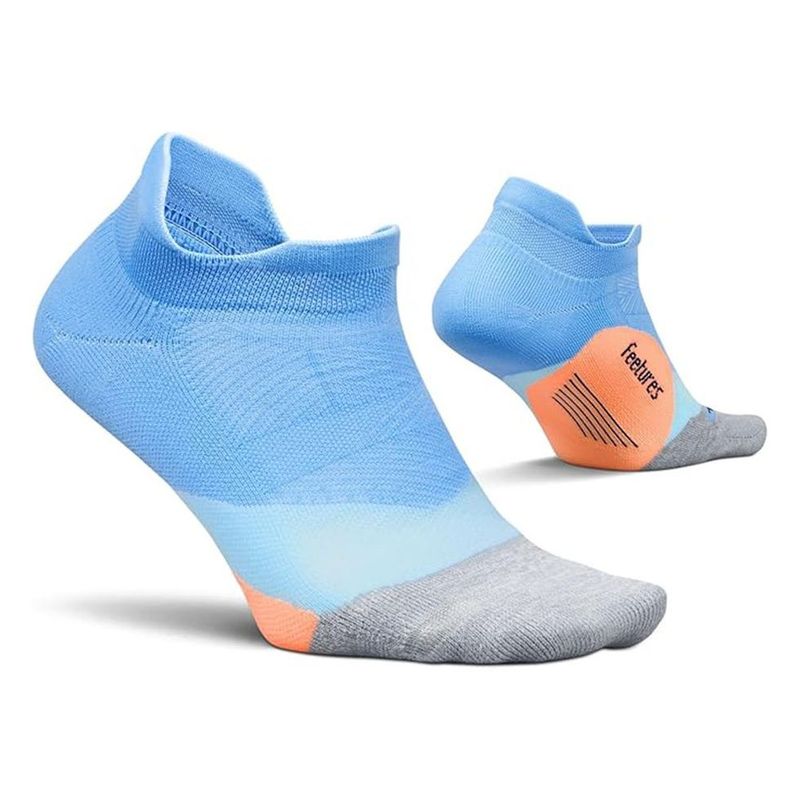
Cheap cotton socks are blister factories. For marathon training, technical socks are a quiet game-changer.
The Balega Hidden Comfort line, for example, is designed with plush cushioning and moisture-wicking Drynamix fabric, plus ventilation panels to keep feet cool and dry. Look for synthetic or wool blends, light to medium cushioning in the heel and forefoot, and snug fit around the arch so they don’t bunch up.
It’s a small upgrade that can mean fewer hot spots, fewer blisters, and far happier feet at mile 35 of your training week.
5. Electrolyte Tablets So Water Actually Works for You
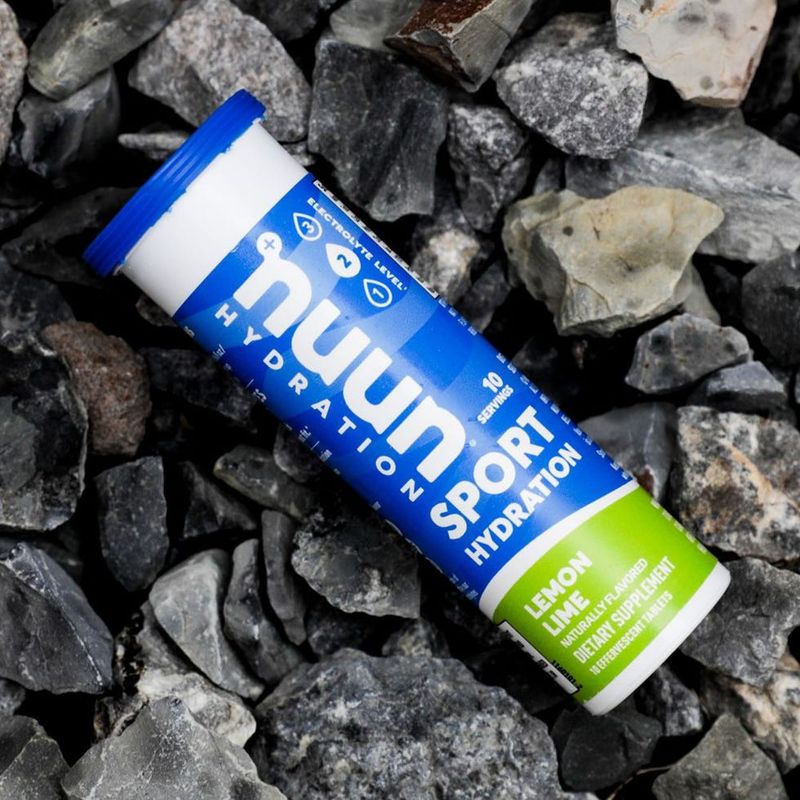
When your long runs stretch past an hour, water alone often isn’t enough. You lose sodium, potassium, and other electrolytes through sweat, and replacing them can help prevent that dead legs, fuzzy brain feeling.
Products like Nuun Sport electrolyte tablets are designed exactly for this: low-calorie, flavored tablets you drop into water, with a mix of key electrolytes to help support hydration during exercise.
Big benefits include making it easier to drink enough because it actually tastes good, helping replace what you sweat out, and they’re easy to carry in your running belt or vest.
6. A Hydration Vest So You’re Not Chained to Water Fountains
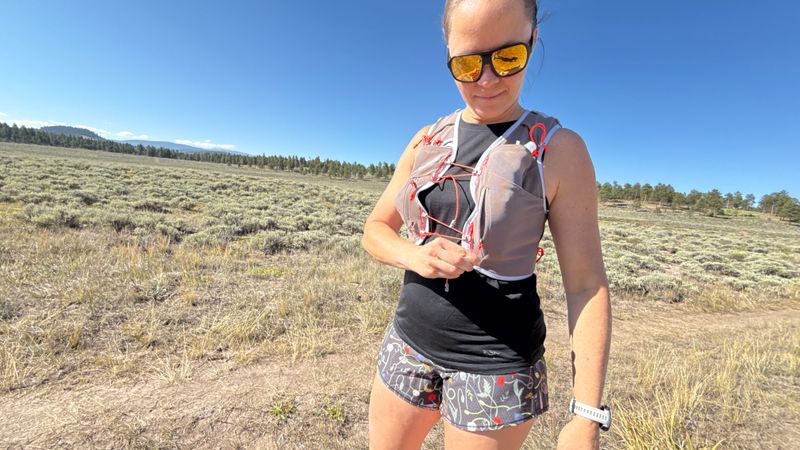
If you’re doing 20+ km long runs, especially in warmer weather, access to water becomes a real limitation. Hydration vests like the Nathan QuickStart line are designed for runners, with a built-in reservoir, front pockets, moisture-wicking mesh, and adjustable straps so the pack sits close to the body without bouncing.
Why vests help: you can run your route anywhere without planning around fountains, it’s easier to practice race-day fueling in training, and there’s extra storage for electrolytes, keys, phone, and thin jacket.
A well-fitted vest is hard to beat for marathon-length long runs.
7. A Low-Profile Running Belt for Phone, Keys, and Gels
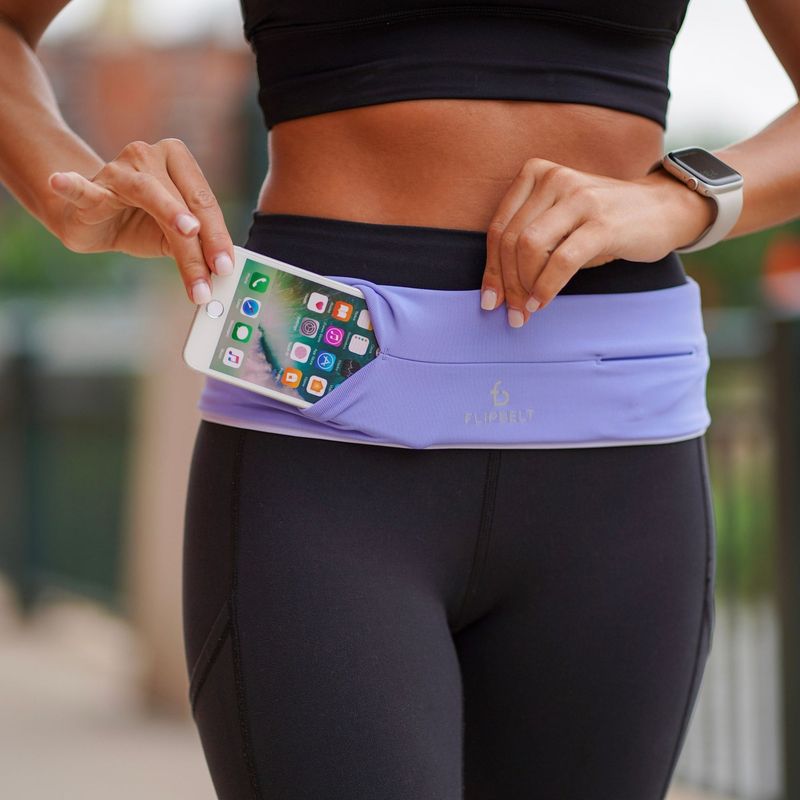
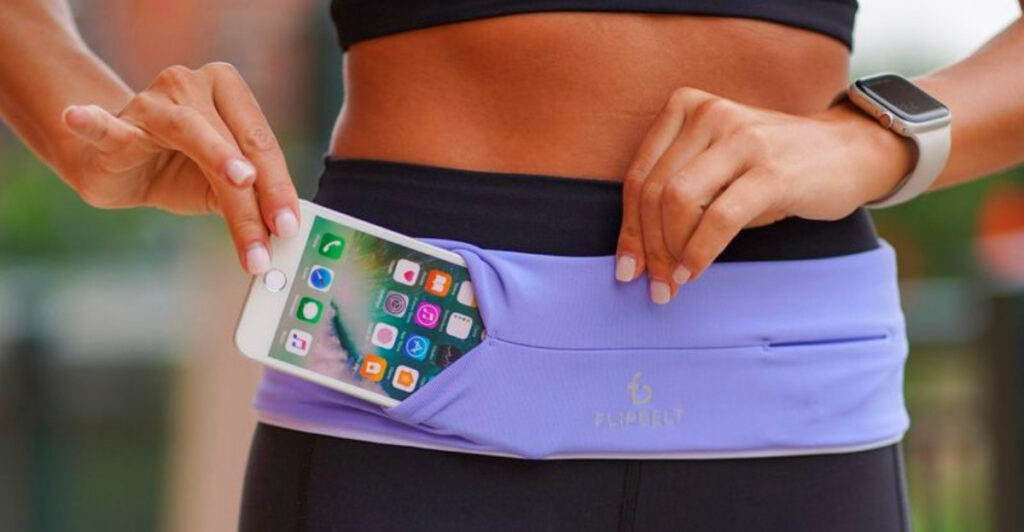
On race day and during long training runs, you’ll almost always want your phone, keys, ID, gels, maybe some cash or a card. Running belts like SPIbelt or FlipBelt are specifically designed for that.
SPIbelt is often recommended as a bounce-free, expandable pocket belt that works especially well for marathons and long-distance runs. FlipBelt’s tubular design is similarly meant to hold phones, keys, and other essentials securely with minimal bounce and chafing.
No more stuffing a phone into your sports bra or waistband. Once you get used to having everything secure and not bouncing, running without a belt feels weird.
8. A Foam Roller for Recovery That You’ll Actually Use
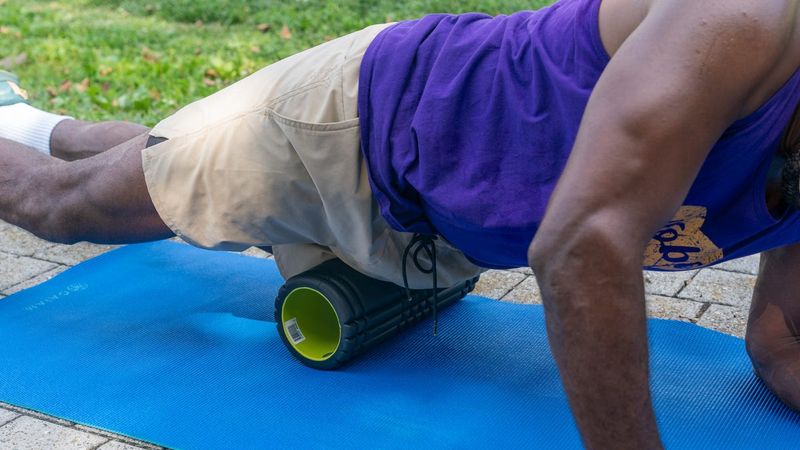
Foam rollers aren’t magic, but they are one of the simplest tools to help manage tightness and soreness during a heavy training cycle. Research suggests that foam rolling can improve range of motion and help with recovery by reducing muscle tightness and improving blood flow, especially in big running muscles like quads and hamstrings.
How it helps in real life: loosens up stiff quads and calves after long runs, makes it easier to stick to training because you’re less sore, and encourages a short, consistent recovery routine at home.
You don’t need an expensive vibrating roller; a basic, medium-firm model works fine.
9. Reflective Gear (and/or Headlamp) for Early or Late Runs
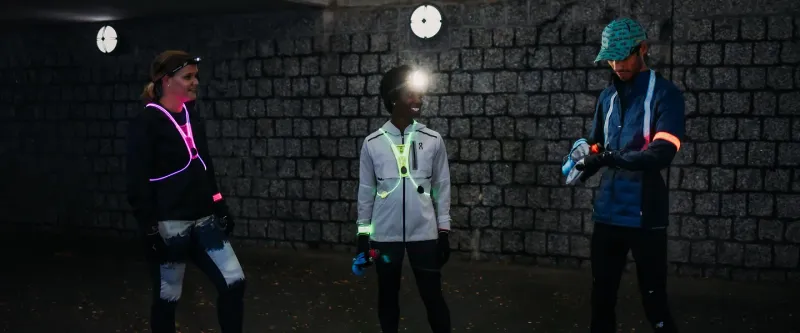
Most marathon plans require midweek runs that you’ll end up doing in the dark, before work, after work, or both. That’s where reflective gear and lights become a genuine safety item, not a fashion choice.
Running brands and safety guides emphasize that reflective clothing, vests, and accessories help drivers see you better in low-light conditions. Good options include reflective vest or jacket, clip-on lights or LED belts, and a headlamp if you run on dark paths or trails.
Reflective gear is not a force field, so you still need to run defensively. But for human drivers, bright and reflective gear drastically improves your chances of being seen.
10. Bone-Conduction Headphones That Keep Your Ears Open
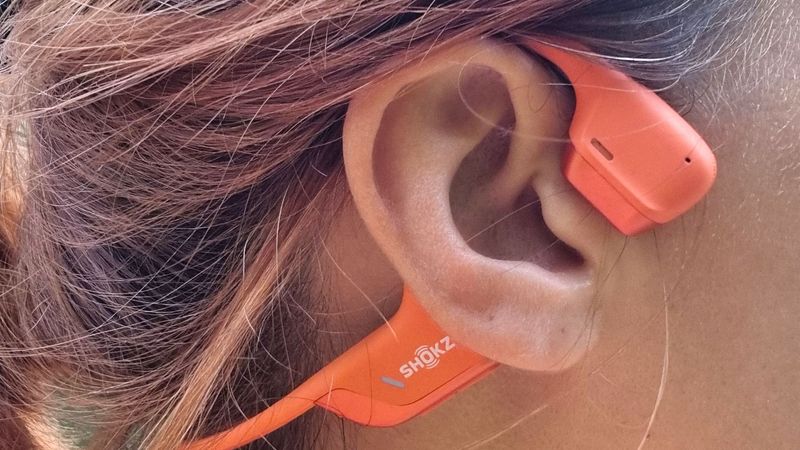
Music or podcasts can make long runs mentally easier, but traditional in-ear headphones can block out traffic noise and race organizers sometimes restrict them. That’s why many runners are moving to bone-conduction or open-ear headphones.
Models like Shokz OpenRun and Shokz OpenRun Pro 2 are specifically marketed as sport and running headphones: open-ear design, lightweight frame, sweat and water resistance, around 8 to 12 hours of battery life, and the big advantage of keeping you aware of your surroundings while still hearing audio.
They’re safer in traffic, more comfortable on long runs, and sometimes the only legal option in certain races.