
Affiliate disclosure: As an Amazon Associate I earn from qualifying purchases. Learn more
Textures and patterns can turn ordinary scenes into mesmerizing art, but only the right camera reveals every groove, grain, and repeating line. If you love capturing peeling paint, woven fabrics, or architectural grids, the tools here will help you see more and edit less.
From ultra-high-resolution sensors to clever stabilization and focus stacking, these picks make fine detail pop even in tricky light. Browse the list, then choose the body that matches your style, budget, and workflow.
Sony Alpha 7R V

When you chase textures, resolution and precision matter. The Sony Alpha 7R V pairs a 61MP sensor with smart subject recognition to lock focus on edges and repeating lines, so fine detail stays tack sharp.
You get robust dynamic range that helps retain shadow grit and highlight sheen, which is perfect for metallic patterns, weathered wood, and architectural facades.
IBIS steadies handheld shots at slower shutter speeds, letting you keep ISO low to preserve micro-contrast. Pixel Shift Multi Shooting can push detail even further for static subjects like tiled walls or textiles, delivering jaw-dropping clarity.
The articulating screen helps frame low-angle brickwork or ceiling mosaics without neck strain.
Color profiles are flexible, so you can tune for neutral fidelity or a punchier look that emphasizes grooves and grain. Real-time AF behaves confidently when you pivot from macro to mid-distance, useful for layered patterns in streets or interiors.
Files grade beautifully, with plenty of headroom for sharpening without halos. If you value reliable ergonomics and a deep lens ecosystem, this body makes texture hunting effortless while keeping your kit agile for long walking sessions.
Fujifilm GFX100S II

Medium format shines for textures, and the GFX100S II proves it with staggering 102MP files that hold pores, fibers, and micro-scratches with ease. You can crop deeply into repeating patterns without losing bite, which is huge for architectural motifs and fabric weaves.
IBIS steadies slow, ISO-friendly exposures that protect tonal nuance.
Its color science renders subtle hue shifts in stone and patina beautifully, keeping gradients smooth rather than crunchy. AF is dependable for still subjects, and face detection can be repurposed to prioritize edges when framing layered patterns.
The body is surprisingly compact for the sensor size, which makes urban texture walks feel realistic rather than burdensome.
Use a prime lens for corner-to-corner acuity and minimal distortion on geometric grids. The files withstand aggressive clarity and structure adjustments without crumbling into artifacts.
If you love pixel peeping and printing large, this camera turns peeling paint, rust, and handwoven textiles into wall-worthy art. You will want to practice meticulous technique, though, because this much resolution rewards careful stance, clean glass, and precise shutter timing.
With patience, the images look tactile enough to touch.
Leica Q3 43

The Leica Q3 43 blends a sharp 60MP full-frame sensor with a fixed lens that encourages disciplined texture scouting. A fast prime keeps aberrations low, so brick lines and tile seams stay clean from center to edge.
Macro mode lets you close in on fabric threads, leaf veins, and tool marks with minimal setup.
Its rendering has a refined bite that makes wood grain and stone look dimensional without oversharpening. The interface feels frictionless, helping you react when interesting patterns appear in fleeting light.
You can enable focus peaking for precise plane placement across repeating motifs, crucial for maintaining rhythm without softness.
Despite a minimalist approach, the camera offers robust dynamic range for bright highlights and deep crevices. The compact form encourages everyday carry, which means you will shoot textures more often and discover serendipitous patterns.
If you are a print-focused shooter who values consistent optics and elegant handling, the Q3 rewards careful observation. It is not about endless lens choices, but about making the most of a lens that flatters surfaces, lines, and subtle tonal transitions.
Expect files that feel polished yet authentic, ready for gentle contrast and clarity tweaks.
Nikon Z 8

The Nikon Z 8 delivers 45.7MP detail with speedy AF that locks confidently onto edges and contrast breaks, ideal for repetitive patterns. Stacked sensor readout keeps handheld shooting snappy, and the IBIS helps hold micro-contrast at lower ISO.
For textures that shimmer, the dynamic range preserves highlight sparkle and shadow grit.
Use 14-bit RAW for maximum latitude when shaping fine structure in post. The camera’s 3D tracking feels sticky on leading lines across facades, tiles, and latticework.
You can shoot bursts to bracket micro-movements in wind-ruffled materials, then pick the cleanest frame.
Its ergonomics invite long sessions, and the deep lens catalog covers rectilinear wide angles for architectural grids and sharp macros for organic surfaces. Color response is predictable, which simplifies a repeatable texture workflow.
If you need hybrid video for texture studies or looping pattern B-roll, internal high-quality codecs are ready. The Z 8 gives you speed without sacrificing fidelity, making it a reliable tool for systematic pattern hunts and spontaneous finds alike.
Expect files that stand up to selective sharpening and local contrast boosts while remaining natural.
Fujifilm X-T5
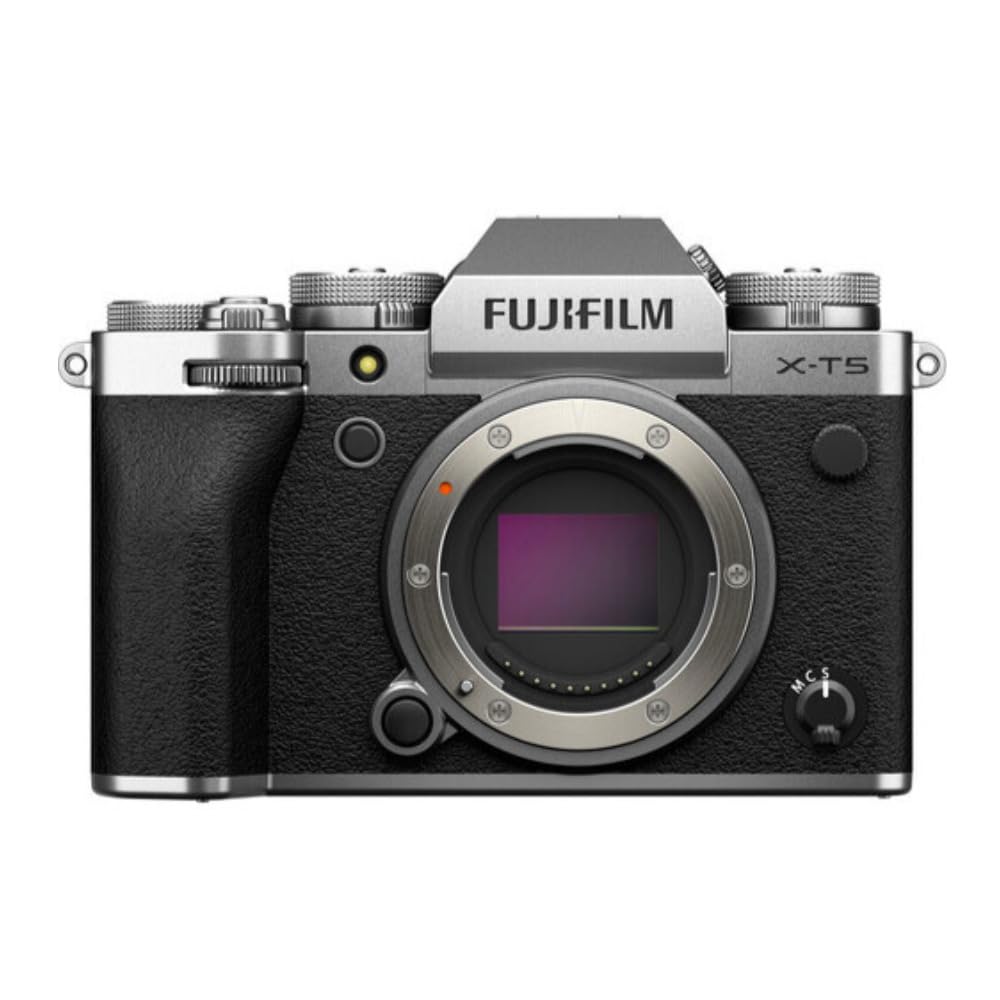
The Fujifilm X-T5 packs a 40MP APS-C sensor that excels at crisp, repeatable detail. For textures and patterns, the pixel density gives you satisfying bite without massive files.
Classic dials make exposure tweaks quick when light shifts across brick, tile, and fabric.
IBIS steadies handheld shots so you can shoot at ISO-friendly speeds, preserving texture fidelity. Film simulations are great for mood, but switch to a neutral profile when you want clean color separation in layered materials.
Pixel Shift Multi-Shot can create super-detailed composites for static scenes like mosaics and wallpaper.
AF is snappy and configurable, letting you emphasize edges or switch to micro-adjusted manual focus with peaking for exacting subjects. The lens ecosystem includes stellar primes and a few rectilinear wides that keep lines straight for geometric grids.
Files edit easily, with good headroom for clarity and texture sliders before noise creeps in. If you value portability and tactile controls, this camera makes texture walks enjoyable and productive.
You will find it a sweet spot between resolution, size, and creative features tailored to detail hunters.
Sony Alpha 7 IV

The Sony Alpha 7 IV brings a balanced 33MP sensor that captures textures with convincing clarity while keeping file sizes manageable. Real-time AF is reliable, so you can recompose along repeating lines without focus hesitation.
IBIS helps keep ISO low for clean micro-contrast in wood grain, fabrics, and concrete pores.
Color is flexible, from neutral to cinematic, and the camera’s profiles make it easy to tailor contrast for surfaces that need subtle separation. The tilting screen supports low perspectives for floor tiles and stair risers.
Lens options are abundant, including sharp macros and rectilinear wides for grids.
If you shoot hybrid, 4K capture makes it simple to collect motion textures like rippling water or moving blinds while keeping stills pristine. The a7 IV is user-friendly yet deep, so as your texture skills grow, the system grows with you.
Expect dependable files that accept targeted sharpening and structure boosts without falling apart. For many, it hits the perfect value and performance mix for pattern work in 2026.
Canon EOS R5 Mark II

The Canon EOS R5 Mark II offers a fast 45MP stacked sensor that captures intricate patterns with crisp edges and excellent tonality. AF holds onto lines and repeating shapes confidently, so you can frame and move without losing the plane of focus.
IBIS cooperates with stabilized lenses for steady handheld detail shots.
Color science renders subtle warm-cool shifts in stone, textiles, and painted surfaces with nuance. You can shoot electronic shutter in bright light to freeze micro-movements in reflective textures.
The body layout is intuitive, helping you fine-tune exposure when highlights shimmer and shadows are rich.
RAW files are robust and accept careful sharpening and local contrast without halos. If you dabble in motion, high-quality video modes produce smooth pattern studies for mood reels.
The RF lens lineup includes stellar macros and corrected wides, essential for grid fidelity. This camera balances speed, resolution, and handling, making it a dependable partner for serious texture hunters who want gallery-ready output and efficient workflow.
Nikon Z5 II
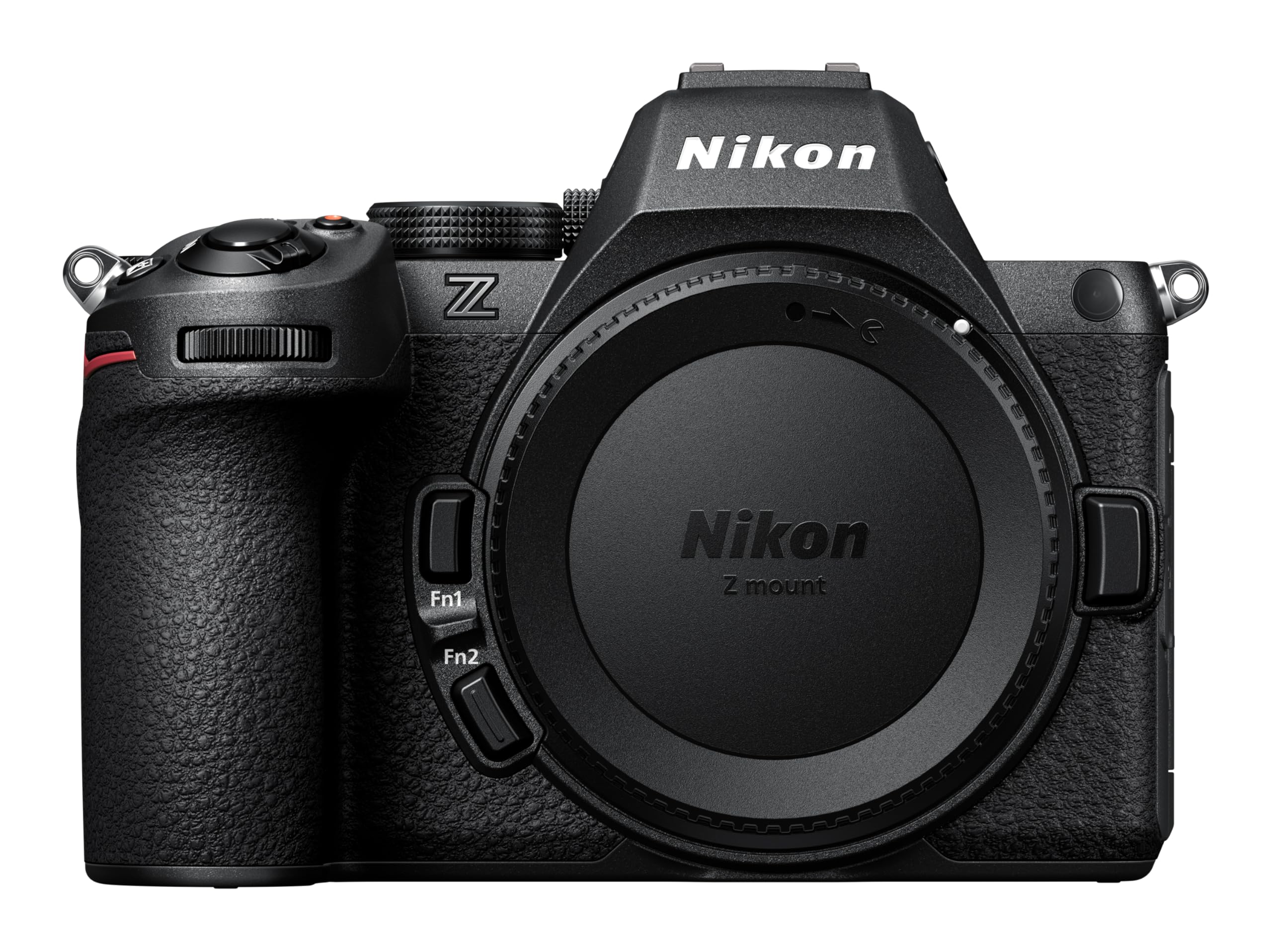
The Nikon Z5 II offers accessible full-frame image quality that flatters textures without breaking the budget. Its files show pleasing micro-contrast, which helps emphasize grain, pores, and weathering in common materials.
AF subject detection is versatile, and IBIS steadies slower shutters for low-ISO clarity.
Use a sharp prime to keep edges true in geometric patterns, and lean on the bright EVF for precise manual focus when needed. The color response is neutral, which makes it easy to push clarity and structure in editing while maintaining realism.
Dual card slots support bracketing or RAW plus JPEG workflows on long texture hunts.
While resolution is modest next to flagship bodies, the Z5 II’s consistency and ergonomics make it a reliable daily carry. You will appreciate its comfortable grip during hours of scouting alleys, facades, and interiors.
Pair it with a macro for intimate surfaces and an ultra-wide for repeating architectural grids. It is a smart, affordable choice for building a texture-focused kit that can grow with better glass over time.
OM SYSTEM OM-5 Mark II

If you love hiking for textures, the OM SYSTEM OM-5 Mark II is a lightweight winner. Micro Four Thirds keeps the kit compact, while IBIS is among the best for handheld clarity.
Computational features like High Res Shot and focus stacking turn detailed static subjects into crisp, noise-controlled files.
The color response sings outdoors, rendering bark, lichen, and stone with believable richness. Weather sealing encourages shooting in mist or drizzle, when surfaces often look most dimensional.
The body is comfortable, and the menus make advanced modes approachable, so you will actually use them in the field.
Pair with a macro or sharp prime to maintain edge integrity in repeating patterns. Even with a smaller sensor, modern processing protects micro-contrast when you keep ISO low and technique steady.
This camera rewards curiosity and movement, helping you explore textures without fatigue. It is a versatile travel companion that transforms small details into standout frames for social, prints, or mood boards.
Sony RX100 VII

Pocketable but potent, the RX100 VII captures crisp textures with a fast readout and a versatile 24-200mm equivalent zoom. It is perfect for spontaneous pattern finds on commutes or travel.
AF is quick, and stabilization helps keep ISO reasonable for cleaner micro-contrast.
The 1-inch sensor will not match full-frame nuance, but careful exposure and RAW processing produce surprisingly tactile results. Use mid-zoom for flattest rendering of repeating shapes, and lean on the flip screen for low angles on tiles or grate patterns.
The compact body disappears in a jacket pocket, encouraging more texture scouting.
Color response is balanced, and files tolerate moderate clarity and sharpening without ugly artifacts. Video is strong too, letting you capture motion textures for reference or reels.
If you want a stealthy camera that is always with you, this is a reliable tool for building a library of patterns and surfaces. It complements larger systems perfectly, ensuring you never miss a compelling texture moment again.