
Affiliate disclosure: As an Amazon Associate I earn from qualifying purchases. Learn more
Chasing epic detail in your landscapes starts with the right camera, and 2026 delivers some incredible options. Whether you print wall sized panoramas or crop deep into distant ridgelines, these bodies squeeze every pixel of sharpness from your lenses.
You will find fast autofocus for fleeting light, powerful stabilization for handheld twilight, and dynamic range that keeps skies and shadows rich. Let’s find the perfect match for your style so every sunrise looks exactly how it felt.
Sony Alpha 1 II

If you crave massive detail yet want speed, this is the rare camera that nails both. The 50 megapixel sensor captures crisp textures in granite, alpine trees, and distant snow lines while still giving headroom to crop.
You can shoot confidently at blue hour thanks to excellent dynamic range, pulling color from glowing clouds without crushing the valley floor.
Use pixel shift multi shooting when the wind calms to create ultra clean, high resolution files that print huge. The autofocus locks on hikers or birds that add scale to your composition, so you can time that perfect step or wing position.
Weather sealing and reliable battery life make sunrise to sunset missions practical.
Pair it with Sony G Master primes for corner to corner sharpness that really shows off. When a storm breaks open, blackout free bursts at up to 30 fps help catch light rays as they fan across peaks.
If you split time with video, oversampled 8K and robust codecs keep footage sharp and gradable.
Sony Alpha 7R V

When resolution is the priority, this 61 megapixel workhorse lets you extract every nuance from rocks, trees, and city skylines. Files tolerate deep cropping without falling apart, which is a gift when you cannot change vantage points.
The AI assisted autofocus recognizes people and animals, useful when composing human scale into vast scenes.
Stabilization helps you shoot handheld at dusk while keeping micro detail intact. The tilting screen makes low compositions easy, like placing wildflowers large in the foreground.
With careful base ISO technique and bracketing, you can blend frames for compositions that hold highlight glow and shadow depth.
The color science leans natural, which grades well for moody weather and pastel dawns. Pair with sharp lenses, such as a 14-24 or a 24-70, and the corners will reward you at f/5.6-f/8.
If you also film, 8K and 4K 60p keep your timelapses and motion clips consistent with stills quality.
Fujifilm GFX100 II

If you love the look of large format, this 102 megapixel medium format body delivers staggering clarity and tonality. Shadow recovery is generous, so you can preserve pre dawn ambience without sacrificing clean midtones.
The 9.44 million dot EVF and responsive autofocus make it more agile than past medium format options.
Landscape work benefits from the deep color subtlety, especially in complex greens and cold mountain blues. When the wind calms, use a sturdy tripod and base ISO to capture enormous files that print mural size.
The in body stabilization helps gently when the breeze kicks up, keeping fine detail from smearing.
Compose carefully with leading lines and foreground texture, because the sensor resolves everything. For hybrid shooters, full width 4K60 and ProRes make cinematic field notes beautifully simple.
Weather sealing, solid ergonomics, and the GF lens lineup round out a system that rewards patience and precision.
Nikon Z 7II with 24-70mm f/4

This camera offers a sweet spot of resolution, size, and value for serious landscape shooters. The 45.7 megapixel sensor renders crisp textures and smooth tonal transitions, great for dawn gradients and long exposures.
Use base ISO with the excellent 24-70 f/4, and the corners look pleasingly sharp by f/7.1.
Dual card slots and dependable battery life keep multi day trips stress free. The color profile feels natural, which helps when you want to keep skies soft and believable.
With sensor shift stabilization, handheld frames at twilight are surprisingly usable if you brace well.
Autofocus is reliable for hikers or wildlife that wander into your scene. The lightweight body balances nicely on compact travel tripods, making sunrise hikes less burdensome.
If you dabble in timelapse or video, 4K60 and focus peaking make field work efficient while maintaining your stills standard of quality.
Canon EOS R5 Mark II

For those invested in RF glass, this 45 megapixel body delivers superb detail and quick handling. The stacked sensor reads fast, so you can bracket, pan, or capture wind tossed grasses without rolling artifacts.
Colors straight out of camera look gorgeous on sunrise reds and alpine greens, saving time in post.
Image stabilization makes handheld blue hour frames viable when a tripod is not allowed. The focus system stays sticky even when subjects momentarily pass behind branches, useful when layering foreground elements.
Weather sealing inspires confidence when the forecast shifts mid hike.
Use wide RF primes to capitalize on edge to edge sharpness at landscape apertures. When light peaks, 30 fps bursts let you pick the precise wave crash or sunstar angle.
If video is part of your workflow, oversampled 8K and robust tools match your stills quality for cohesive storytelling.
Panasonic Lumix S1RII

The S1RII brings a 44.3 megapixel sensor with lovely micro contrast and dependable color for sweeping vistas. Stabilization is excellent, letting you shoot slower shutter speeds to blur water without hauling heavy filters.
The ergonomics and viewfinder are comfortable for long golden hour sessions.
If you travel light, the L mount ecosystem covers ultrawide to tele for compression studies of layered hills. The camera’s burst speed makes timing sunstars at f/16 easier as the sun kisses a ridge.
Log video and 8K options support mixed media trips where you return with both prints and high end clips.
Use the handheld high resolution mode when the breeze is calm to squeeze even more detail from static scenes. False color and waveform tools help nail exposure in high contrast scenes, avoiding clipped highlights.
With robust weather sealing, it is a reliable partner when storms roll through dramatic landscapes.
Nikon D850

This DSLR remains a landscape legend for its 45.7 megapixel sensor and superb dynamic range. If you enjoy an optical viewfinder and long battery life, it feels rock solid on remote treks.
Files accept deep edits, letting you lift shadows under forest canopies without banding.
Mirror lock up, exposure delay, and a sturdy tripod tame vibrations for maximum sharpness. The body pairs with classic F mount primes that render beautifully at f/5.6-f/11.
When conditions align, focus shift shooting helps stack foreground flowers with mountain backdrops for edge to edge clarity.
The tilting touchscreen makes low angle compositions easier without lying in wet grass. With a good backpack, it is still manageable for sunrise missions and multi day hikes.
If you also shoot timelapses, the built in intervalometer and rugged reliability make capturing star trails and day to night transitions straightforward.
Fujifilm GFX50S II

If you want medium format tonality at a friendlier price, this 51.4 megapixel body is a smart gateway. The files have a smooth, film like roll off that flatters sunrise gradients and fog.
With in body stabilization and refined autofocus, you can work slower and more deliberately without stress.
Pair it with a sharp GF wide zoom for sweeping scenes plus a normal prime for intimate landscapes. At base ISO, detail holds up impressively for prints that draw viewers in close.
Color profiles and film simulations are tasteful starting points that you can gently refine.
While not the fastest, it rewards patience, tripod discipline, and careful compositions. Use low ISO, a remote release, and wind breaks to keep the sensor’s resolving power intact.
For mixed trips, its manageable weight and weather sealing let you bring medium format character into backcountry environments.
Leica Q3 43

When traveling light, this fixed lens full frame camera brings surprising resolution and a discreet profile. The 60 megapixel sensor captures intricate textures, and the 43mm lens encourages balanced compositions with strong foregrounds.
Colors are refined and natural, which suits subtle sunrise hues and foggy mornings.
Stabilization and responsive autofocus make handheld twilight frames possible when tripods are impractical. The weather sealed body invites shooting through drizzle or sea spray while keeping controls minimal.
With triple resolution options, you can favor file size or maximum detail depending on the scene.
Use focus peaking and the tilting screen to stabilize low angles on rocks or stairs. For cityscapes or intimate landscapes, the perspective feels honest and uncluttered.
If you mix stills and short clips, robust video features provide consistent quality for travel reels without extra gear.
Canon EOS 5D Mark IV
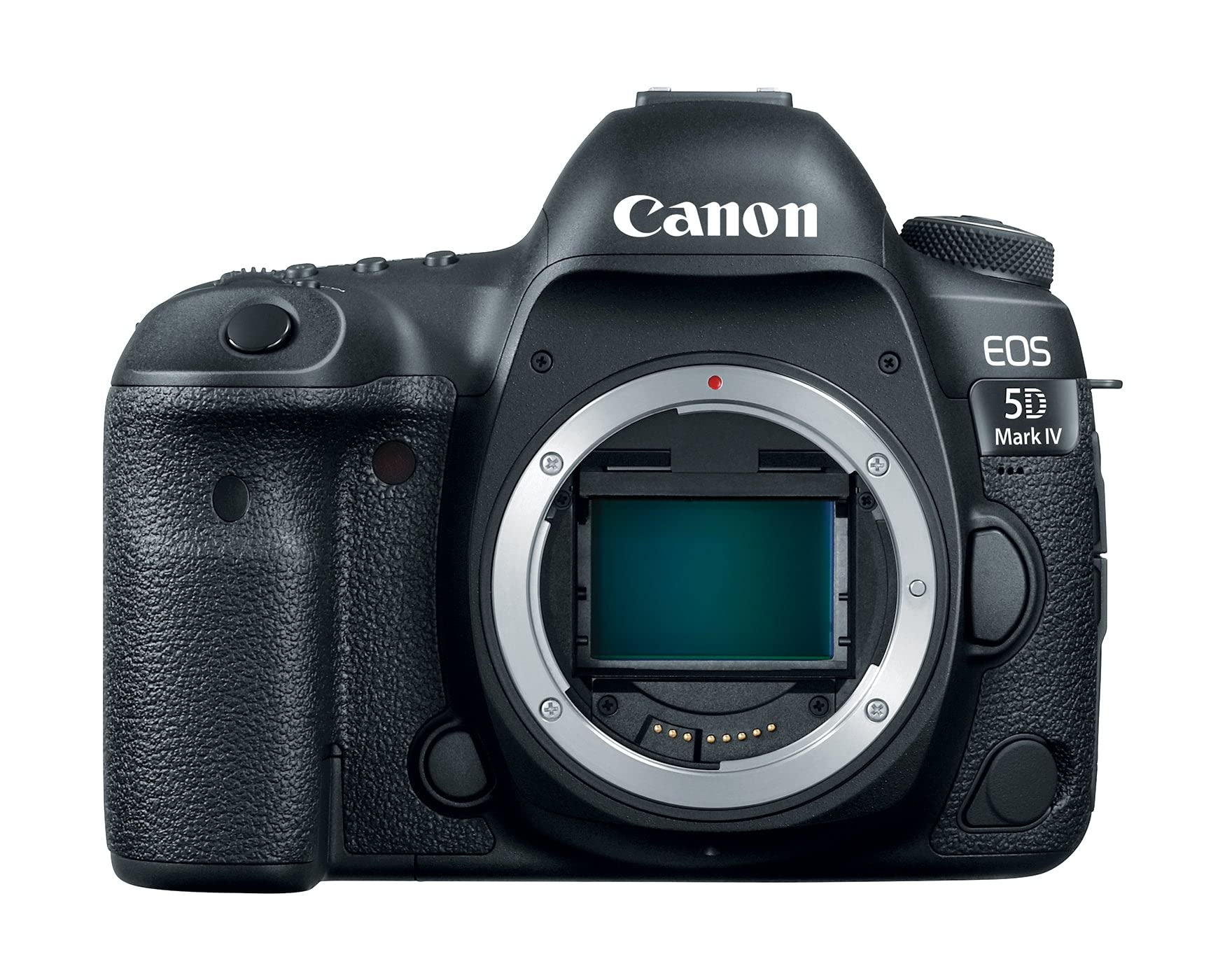
This classic DSLR still produces excellent 30.4 megapixel files with pleasing color and reliable handling. If you prefer an optical viewfinder and long runtimes, it is a dependable choice for road trips and national parks.
The body feels familiar and tough, ready for dusty trails and cold mornings.
Use low ISO with sharp EF primes or a stabilized zoom for crisp detail across the frame. Dual Pixel AF in Live View helps with precise focus on foreground elements, like flowers or leading lines.
Built in GPS can tag trailheads and overlooks, handy when revisiting favorite spots.
While resolution is lower than newer rivals, careful technique closes the gap for many prints. The files grade nicely, especially for warm sunsets and golden grass.
If you also film, 4K and Full HD options cover timelapse clips and travel videos without complicating your kit.