
Affiliate disclosure: As an Amazon Associate I earn from qualifying purchases. Learn more
Winter photography offers some of the most breathtaking scenes you’ll ever capture, from glittering snow-covered mountains to cozy family moments by the fire. But freezing temperatures, falling snow, and tricky lighting can make shooting a real challenge if you don’t have the right gear. The good news is that choosing the right lens can transform your winter photos from ordinary snapshots into magical keepsakes that capture the season’s wonder.
1. Canon RF 24–105mm F4 L IS USM – The Do-Everything Winter Workhorse (Canon RF)
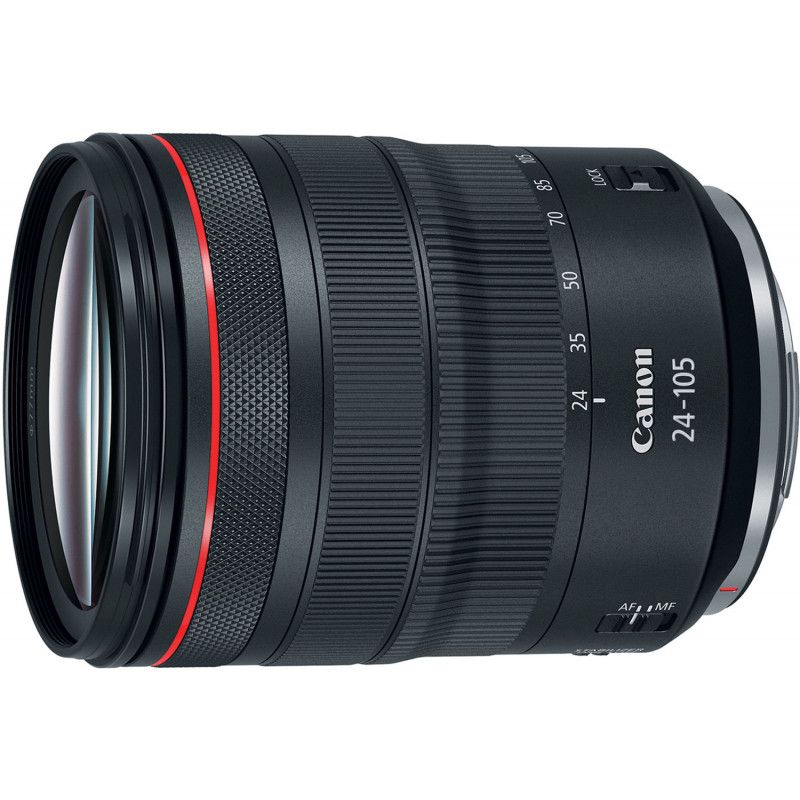
If you want one lens that can basically live on your camera all winter, this is it. The versatile 24–105mm range handles everything from sweeping snowy landscapes to close-up portraits of your friends bundled in scarves. Its constant f/4 aperture and five-stop image stabilization keep your shots sharp even when the winter sun sets early.
The weather-sealed L-series build offers solid protection against light rain, snow, and biting wind when you pair it with a sealed camera body. Travel photographers and families love this lens because you won’t need to swap glass in freezing conditions. Whether you’re documenting a ski trip or capturing holiday gatherings, this workhorse delivers consistently excellent results without fuss.
2. Sony FE 24–105mm F4 G OSS – The All-Rounder for Sony Shooters (Sony E)
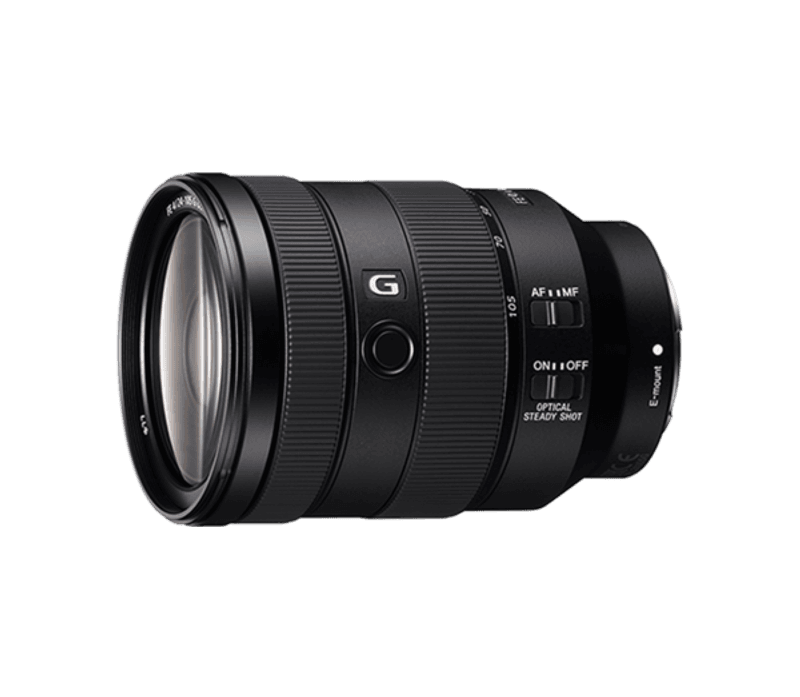
Sony’s 24–105mm F4 G OSS fills the same do-it-all slot for Sony full-frame cameras, covering everything from snowy cityscapes to intimate forest portraits. Built-in Optical SteadyShot helps keep images crisp when you’re hand-holding in dim light or shooting while snowflakes drift down around you.
Weather-resistant construction means dust and moisture won’t ruin your day when paired with a sealed body. Sony users appreciate how this single lens eliminates the need for constant swapping in bitter cold. From street photography in winter markets to casual telephoto work on the slopes, this G-series glass handles it all with professional-grade optical quality and reliable performance in challenging conditions.
3. Nikon NIKKOR Z 24–120mm F4 S – Extra Reach for Snowy Adventures (Nikon Z)
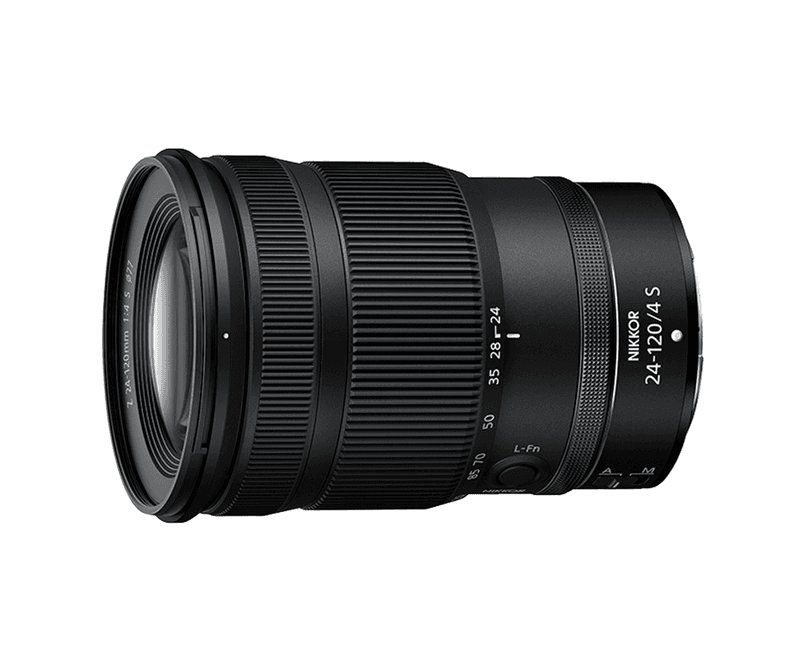
Nikon’s Z-mount 24–120mm F4 S is a favorite mid-range zoom for Z shooters who crave extra reach. That broad 24–120mm range means fewer lens changes in frigid conditions while still covering wide scenes and tighter details with ease. Part of Nikon’s premium S-Line, it’s designed for exceptional resolution and robust weather sealing that stands up to harsh elements.
The constant f/4 aperture keeps exposure consistent as you zoom, which proves incredibly handy in tricky snowy light where brightness can shift quickly. Landscape and travel photographers choose this lens when they want one reliable option to handle most winter scenarios without compromise on quality or durability.
4. Fujifilm XF 16–55mm F2.8 R LM WR II – Pro-Grade Standard Zoom for APS-C (Fujifilm X)
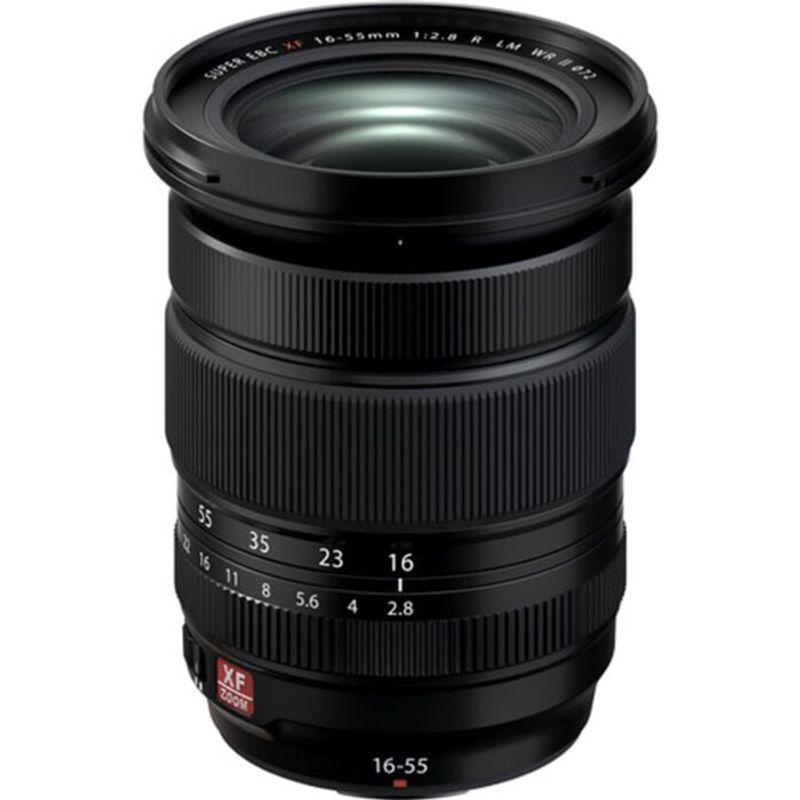
For Fujifilm X-series users, the updated XF 16–55mm F2.8 II is the high-end standard zoom that serious shooters rely on. Covering a field of view similar to 24–84mm on full-frame, it excels at both wide winter vistas and tighter scenes with beautiful detail. The constant f/2.8 aperture gives you more light and gorgeous background blur than typical f/4 zooms, especially useful during blue hour or in dark, moody forests.
Weather-resistant designation means sealing against dust and moisture, while the Mark II version is lighter and optimized for modern higher-resolution Fujifilm bodies. Bright, winter-ready, and built for serious work, this lens won’t let you down.
5. Canon RF 15–35mm F2.8 L IS USM – Dramatic Winter Landscapes & Night Skies (Canon RF)
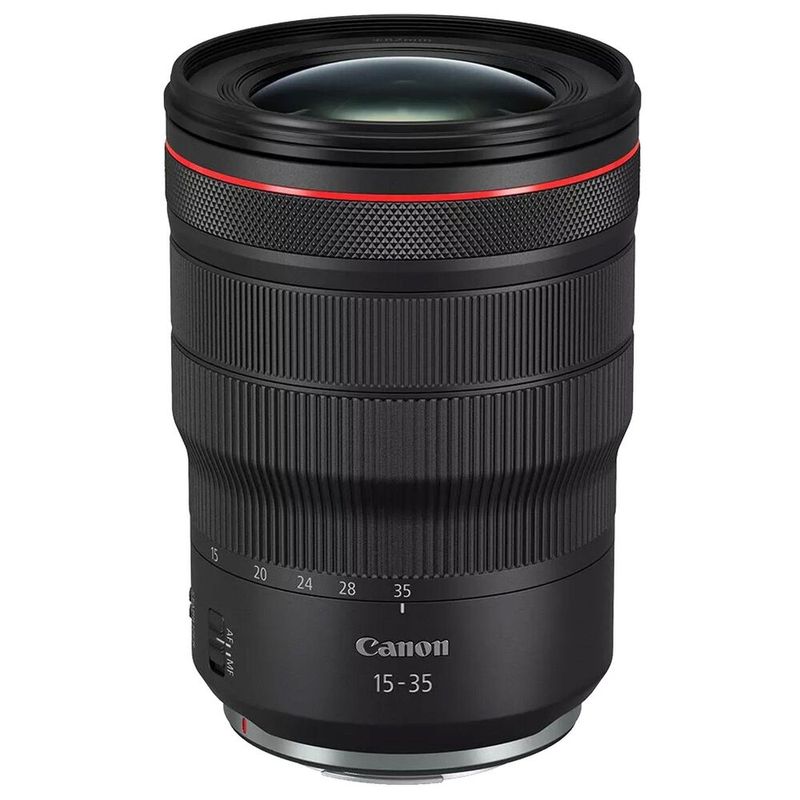
Canon’s pro ultra-wide zoom is built for harsh conditions and dramatic perspectives. The 15–35mm range lets you capture sweeping vistas with foreground interest in snowy scenes, while the f/2.8 aperture is bright enough for aurora, Milky Way, or low-light winter magic. Extensive weather sealing means you can shoot in harsh weather and downpours without serious concern when paired with a sealed body.
Built-in image stabilization rated around five stops helps when hand-holding in dim winter light. Canon users focused on winter landscapes, astro, and dramatic ultra-wide perspectives find this lens indispensable for creating images that truly stand out with epic scale and stunning detail.
6. Sony FE 16–35mm F2.8 GM II – Lightweight Wide-Angle Magic (Sony E)
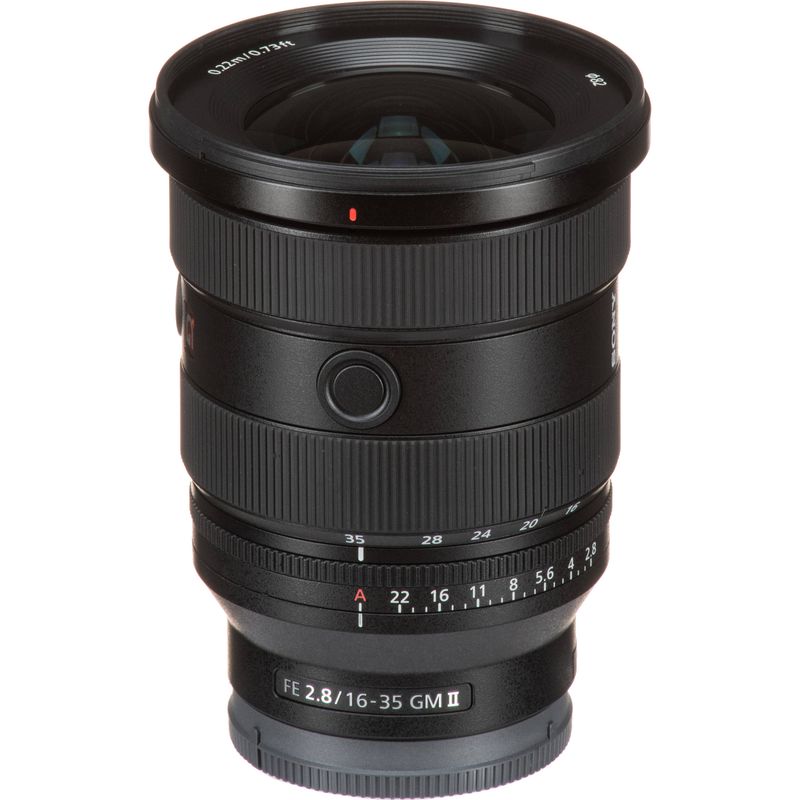
Sony’s second-generation 16–35mm GM is smaller and sharper than the original, making it a dream for winter adventurers. The constant f/2.8 aperture and ultra-wide 16mm end are excellent for night skies and glowing winter sunsets that take your breath away. At around 20% lighter and 10% smaller than the previous version, it matters when you’re hiking in snow with gloves and extra layers weighing you down.
Dust- and moisture-resistant construction improves reliability in snow and light rain. Sony landscape, travel, and astro photographers who want a top-tier winter wide-angle choose this GM II for its unbeatable combination of optical excellence and portability.
7. Nikon NIKKOR Z 14–24mm F2.8 S – Ultra-Wide & Ultra Tough (Nikon Z)
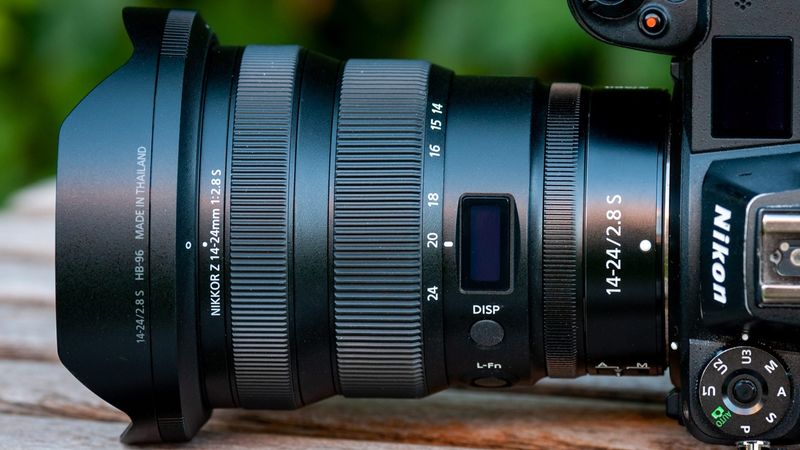
This is Nikon’s flagship ultra-wide zoom for the Z system and a favorite among landscape shooters who demand the best. The 14–24mm f/2.8 gives you super-wide coverage for dramatic mountains, frozen lakes, and night skies that seem to stretch forever. Reviewers highlight its excellent weather and dust sealing and robust build, designed specifically for outdoor use in punishing conditions.
Notably lighter than many comparable 14–24mm f/2.8 lenses, it helps when you’re hiking in snow with a full kit on your back. Nikon Z shooters who live for wide winter landscapes and astro photography consider this lens an essential investment for capturing the season’s grandest moments.
8. Canon RF 70–200mm F2.8 L IS USM – Classic Winter Sports & Portrait Lens (Canon RF)
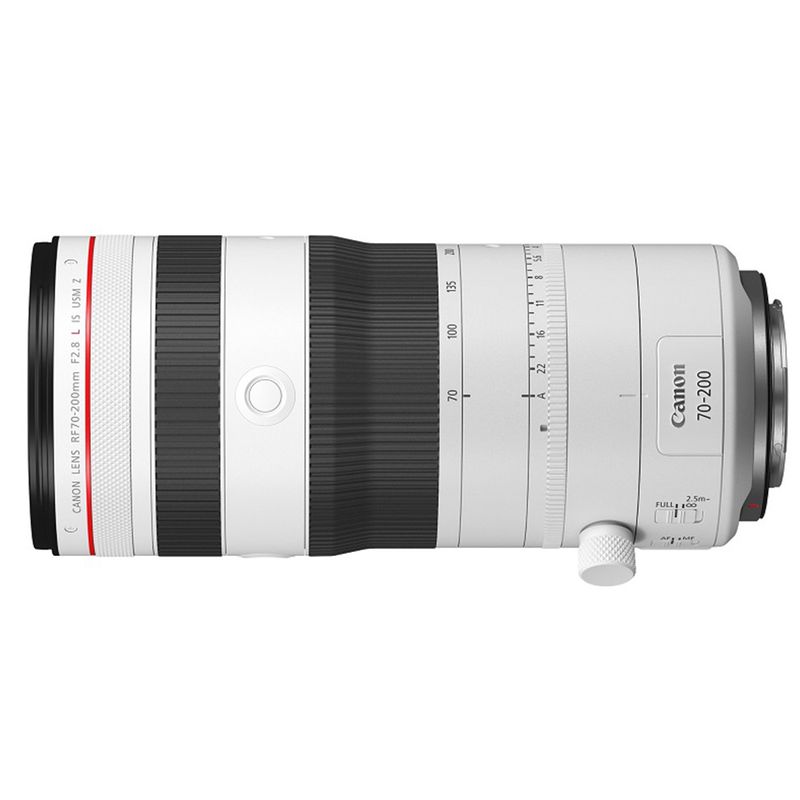
Canon’s 70–200mm f/2.8 has long been a staple of action and portrait work, and the RF version continues that tradition with modern refinements. The 70–200mm range is ideal for winter sports, candid portraits, and picking out details on snowy peaks from a distance. Its constant f/2.8 aperture lets in plenty of light and gives creamy background blur against snow, making subjects pop beautifully.
Weather-sealed construction offers extra protection against moisture and dust when paired with a sealed body. Optical image stabilization helps for handheld telephoto shots in low light. Canon shooters who want a pro-level telephoto for action, portraits, and wildlife in winter trust this classic lens completely.
9. Sony FE 70–200mm F2.8 GM OSS II – Lightweight Telephoto for Snowy Action (Sony E)
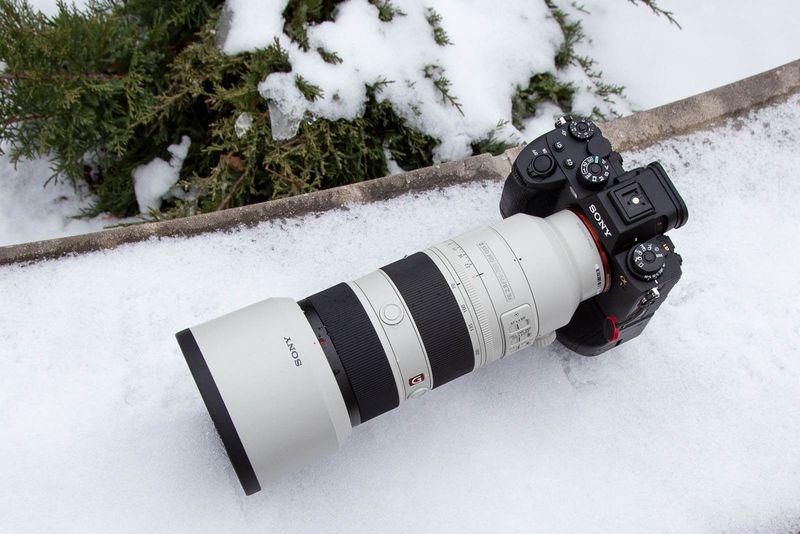
Sony’s second-generation 70–200mm GM is widely praised for optical quality and reduced weight that makes a real difference. This fast f/2.8 telephoto zoom handles sports, portraits, wildlife, and compressed landscapes with stunning clarity. Optical SteadyShot stabilization can combine with in-body stabilization on many Sony cameras for strong shake reduction, keeping your shots tack-sharp even when conditions get challenging.
Classified as weather-sealed with protection against dust and moisture, it’s crucial for shooting in wet snow. Considerably lighter than many competing 70–200mm f/2.8 lenses, it makes long days on the slopes or trails much easier. Sony photographers choose this for winter sports and wildlife without carrying a brick.
10. Fujifilm XF 50–140mm F2.8 R LM OIS WR – APS-C Telephoto Tank (Fujifilm X)
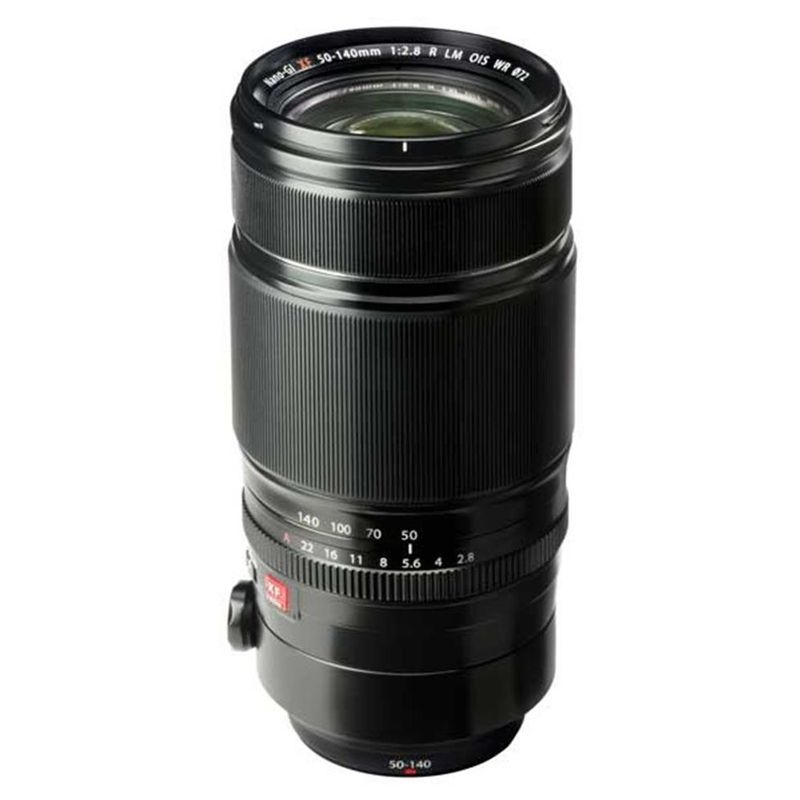
For Fujifilm X-mount, the XF 50–140mm F2.8 is the classic pro telephoto zoom that delivers every time. On APS-C it gives a 76–213mm full-frame equivalent field of view, perfect for winter sports, wildlife, and portraits that need reach. Constant f/2.8 plus Optical Image Stabilization help keep shutter speeds workable in dark forests or overcast days when light gets scarce.
The Weather Resistant construction and design for trying conditions make it well-suited to snow and cold without hesitation. Fujifilm users shooting winter wildlife, sports, or compressed mountain scenes depend on this telephoto tank for its rugged reliability and outstanding image quality when the weather turns nasty.