
Affiliate disclosure: As an Amazon Associate I earn from qualifying purchases. Learn more
If you love hiking Arizona trails, you already know the desert is full of surprises, and some of those surprises rattle. Western and Mojave rattlesnakes are a normal part of our landscape, and they show up in some of the most popular spots we love to visit.
Knowing where these snakes are often seen helps you stay calm, watch your step, and enjoy the trail with confidence. Here are 10 Arizona areas where diamondbacks are commonly reported so you can hike smart and stay alert.
1. South Mountain Park and Preserve, Phoenix
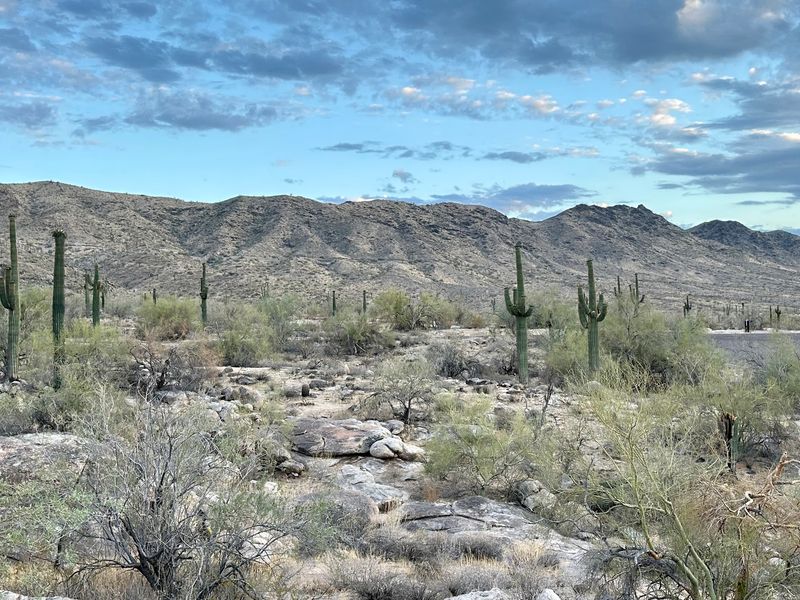
One of the largest municipal parks in the country sits right inside Phoenix, and its rocky slopes are prime rattlesnake country. South Mountain covers more than 16,000 acres, with trails like National, Mormon, and Hidden Valley drawing hikers year-round.
Western diamondbacks like to rest near rock piles and shady ledges, which are common along these routes. Warm spring and fall days tend to bring more sightings, especially in the early morning and near dusk.
The desert scenery here is genuinely stunning, with saguaro forests and long city views from the ridgelines. Stay on marked trails, keep dogs leashed, and give any coiled snake plenty of space.
If you hear a rattle, stop and slowly back away rather than trying to spot it.
2. Camelback Mountain, Phoenix
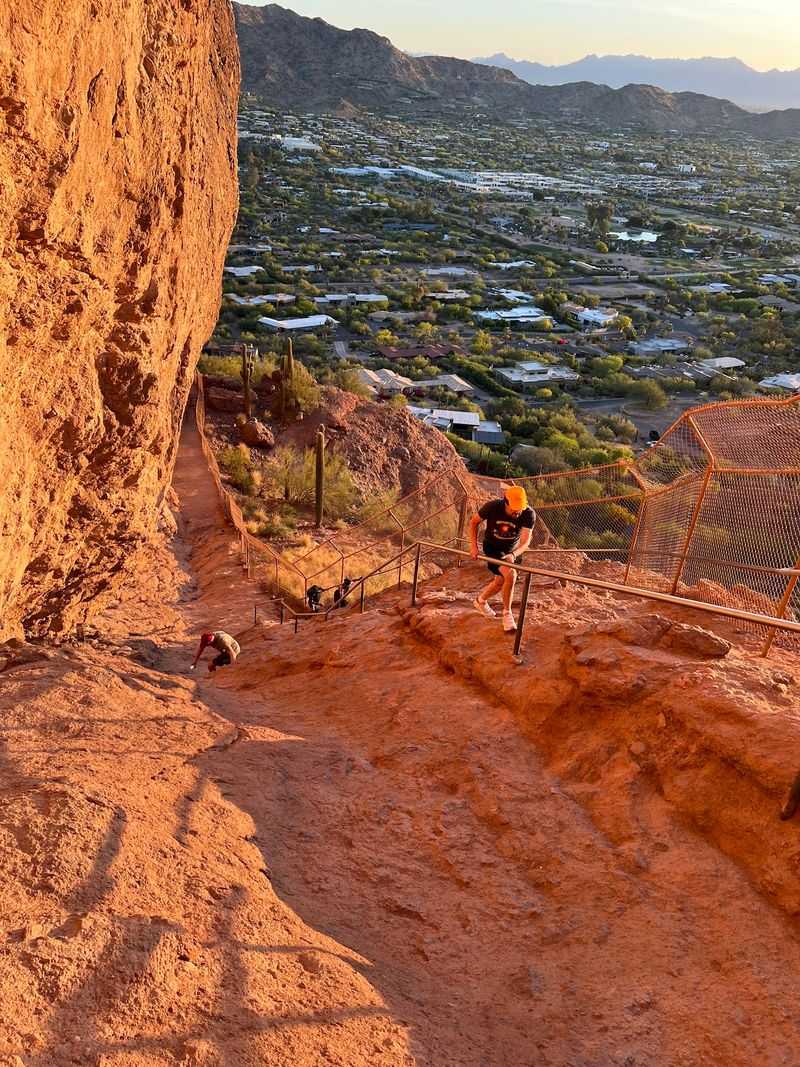
Arizona’s most famous urban climb doubles as a spot where hikers regularly report rattlesnakes. Camelback’s Echo Canyon and Cholla trails are steep, rocky, and packed with hikers chasing that summit view.
The same boulders and crevices that make the climb challenging also give snakes cool places to shelter during hot afternoons. Sightings pick up in the warmer months when snakes move to shaded spots along the trail edges.
Because the trails get crowded, snakes may be pushed close to the path, so watch where you place your hands on scrambles. Bring plenty of water and start early to beat both the heat and the crowds.
Keep your eyes on the ground during rocky sections instead of only looking up at the summit.
3. McDowell Sonoran Preserve, Scottsdale
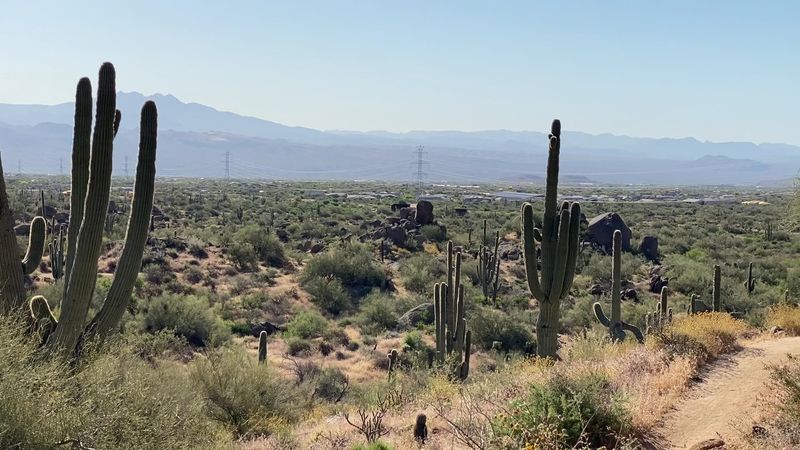
Spanning more than 30,000 acres, this Scottsdale preserve is one of the biggest urban preserves in the nation, and it is textbook diamondback habitat. Popular access points like Gateway and Tom’s Thumb lead hikers deep into classic Sonoran Desert terrain.
Dense stands of cactus, brush, and rocky washes give snakes plenty of cover. Rattlesnakes are commonly seen along the lower, warmer trails, particularly during spring mornings when they bask in the sun.
The preserve is free to enter and well maintained, which makes it a favorite for both quick outings and long treks. Trailhead signs often remind visitors about desert wildlife for good reason.
Watch the edges of the path, step onto rocks rather than over them, and keep a respectful distance from any snake you spot.
4. Sabino Canyon, Tucson
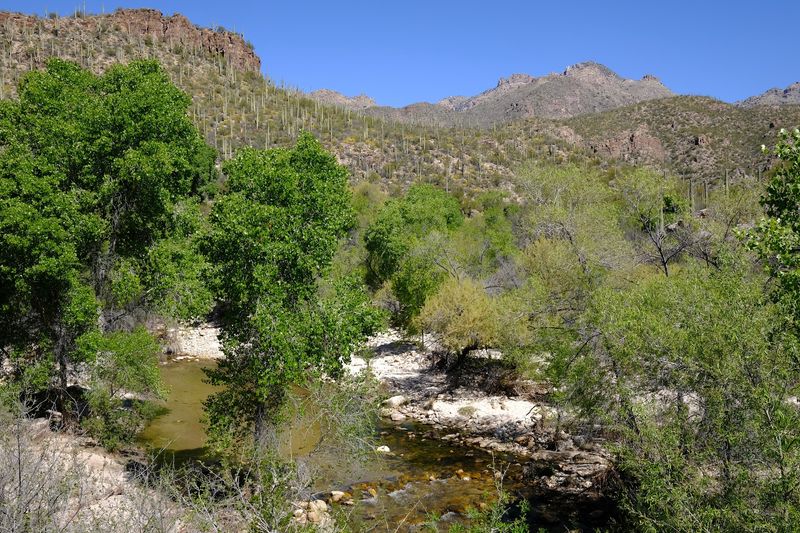
Water changes everything in the desert, and Sabino Canyon’s creek makes this Tucson gem a magnet for wildlife of all kinds. The canyon sits in the Santa Catalina foothills and features a paved route, shuttle service, and trails leading into the Coronado National Forest.
Because the area has water, shade, and rocky terrain, rattlesnakes find comfortable homes here. Sightings are common near the creek crossings and along the trail edges, especially in warmer weather.
Families love this spot for its scenery and the tram that carries visitors up the canyon. That mix of easy access and rich habitat means snakes and people share the same paths.
Keep children close, stay on the pavement or marked trails, and be extra watchful near shaded, watery spots where snakes like to cool off.
5. Saguaro National Park, Tucson
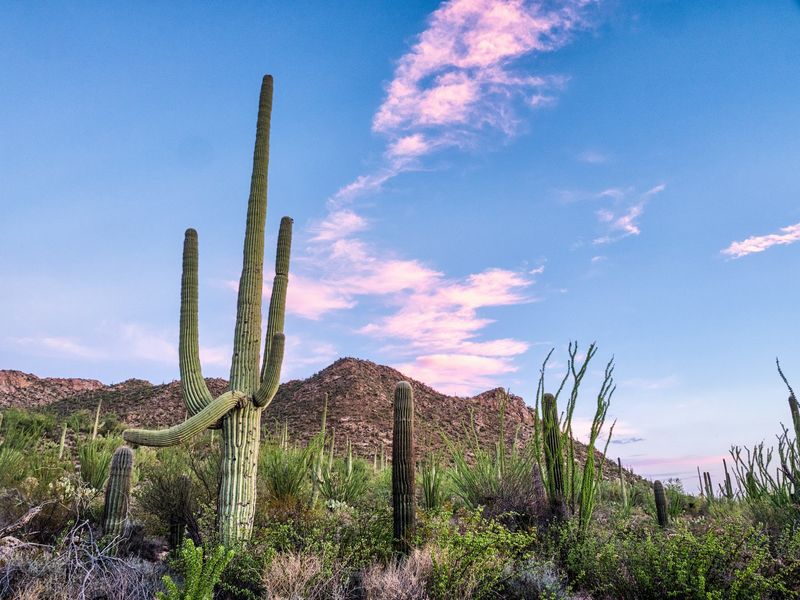
Home to the giant cactus that made Arizona famous, this national park splits into two districts on either side of Tucson. Both the Rincon Mountain and Tucson Mountain sides offer miles of desert trails through classic saguaro forest.
Western diamondbacks are a natural resident here, and park rangers frequently note their presence in visitor materials. The best chances for a sighting come during spring and early summer, often in the cooler hours of the day.
The park charges an entrance fee and provides well marked trails, maps, and visitor centers with helpful staff. Scenic loop drives let you enjoy the landscape even on scorching days.
When hiking, stay alert around low brush and rocky ground, and never reach into holes or under ledges where a snake may be resting.
6. Superstition Mountains, Apache Junction
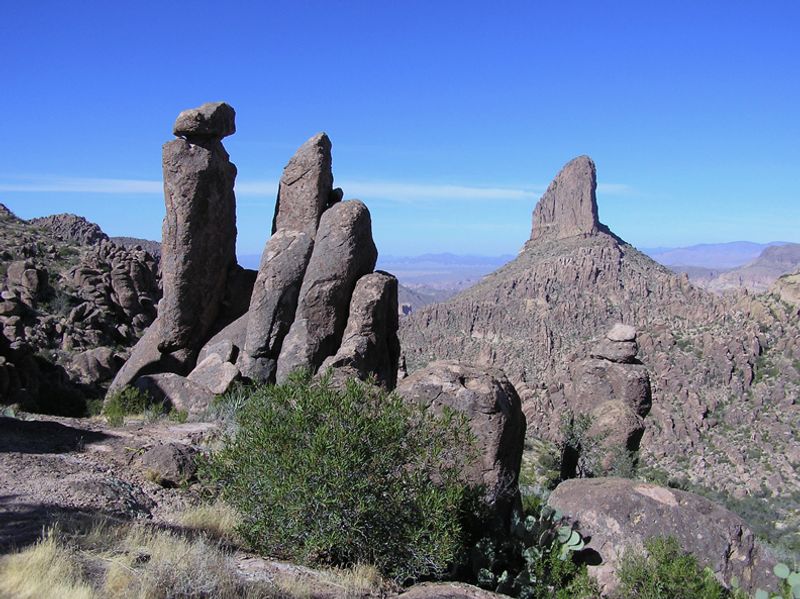
Rugged, remote, and wrapped in legend, the Superstition Mountains east of Phoenix draw adventurous hikers into serious backcountry. The Peralta and Siphon Draw trails are among the most traveled routes into this wilderness.
Rocky canyons, boulder fields, and dense desert scrub create ideal rattlesnake territory throughout the range. Because much of this area is true wilderness, help can be far away, so caution matters even more here.
The dramatic rock formations and desert views reward those who come prepared. Long, exposed trails mean you should carry extra water and let someone know your plans.
Watch your footing on rocky stretches, listen carefully in quiet stretches, and give every snake room to slip away on its own.
7. Usery Mountain Regional Park, Mesa
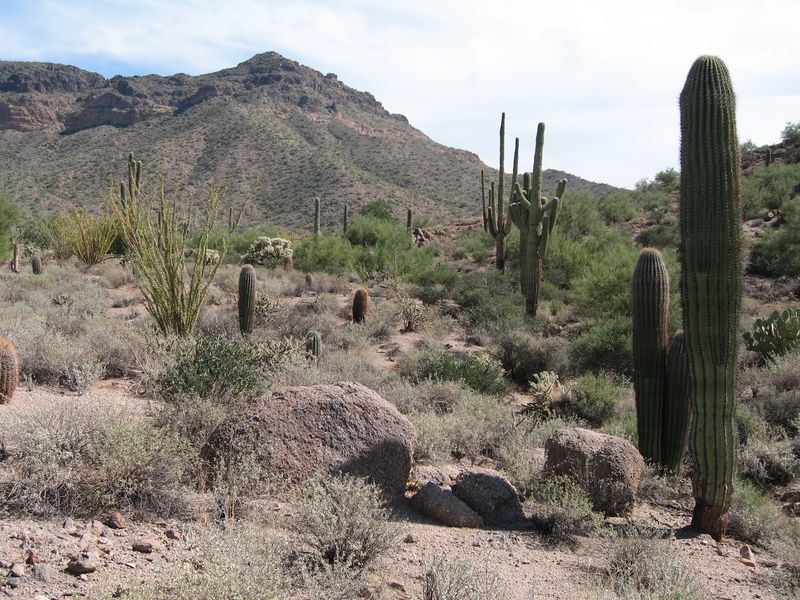
Just east of Mesa, this regional park pairs family-friendly trails with plenty of authentic Sonoran Desert wildlife. The Wind Cave Trail is a local favorite, climbing toward the Pass Mountain cliffs.
Rattlesnakes turn up along the sunny lower trails and near the rocky base of the mountain. Warm mornings in spring often bring the most activity, so early hikers should stay watchful.
The park offers an entrance fee, restrooms, picnic areas, and a nature center that shares information about local wildlife. It is a comfortable place to learn desert basics before tackling tougher hikes elsewhere.
Stick to the wide trails, keep pets leashed, and teach kids to admire snakes from a safe distance rather than approaching them.
8. Papago Park, Phoenix and Tempe
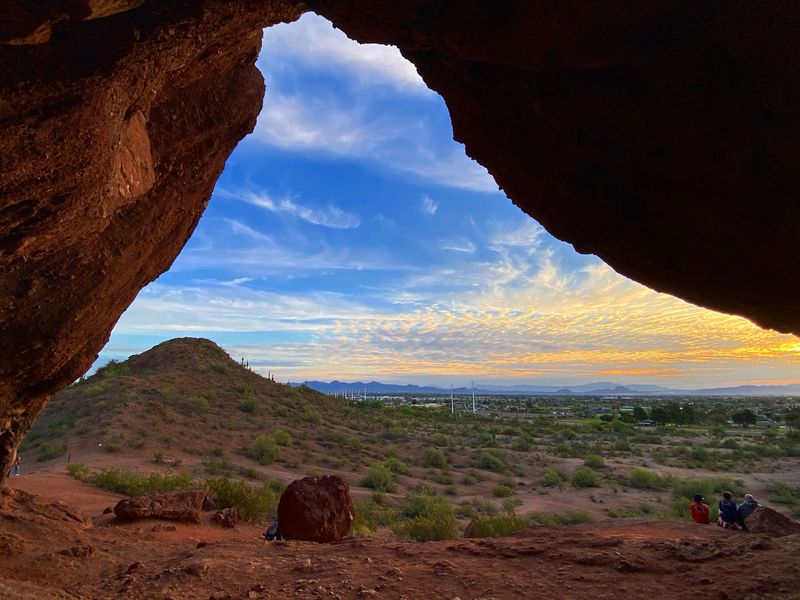
Those famous red sandstone buttes with the wind-carved holes make Papago Park instantly recognizable, and they also make good snake habitat. Straddling Phoenix and Tempe, the park is easy to reach and popular for short hikes and photos.
The Hole-in-the-Rock formation and surrounding trails see plenty of foot traffic, along with the occasional rattlesnake sunning near the rocks. Warm weather increases the chances of a sighting, especially around the crevices.
Papago is free to enter and includes ponds, picnic ramadas, and paths suited to casual outings. Its central location makes it a quick stop for city dwellers wanting a bit of desert.
Even on easy trails, keep an eye on rocky ledges and shaded gaps where a snake might be resting out of the sun.
9. White Tank Mountain Regional Park, Waddell
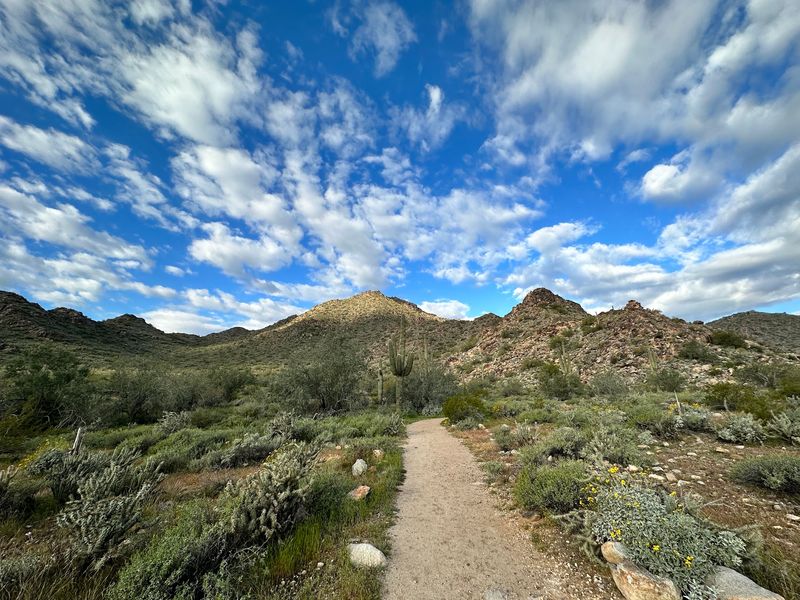
On the far west edge of the Valley, this large regional park offers rocky canyons, desert washes, and the popular Waterfall Trail. The white granite rock that gives the mountains their name creates a striking backdrop.
Rattlesnakes are commonly reported along the trails, particularly where rocks and washes provide shelter. Spring warmth tends to bring more of them out into the open during morning hours.
The park has an entrance fee, a nature center, and trails ranging from easy strolls to steeper climbs. Petroglyph sites along the Waterfall Trail add a layer of history to the visit.
Watch carefully around boulders and the shaded canyon sections, and remember that snakes often blend right into the rocky ground.
10. Lost Dutchman State Park, Apache Junction
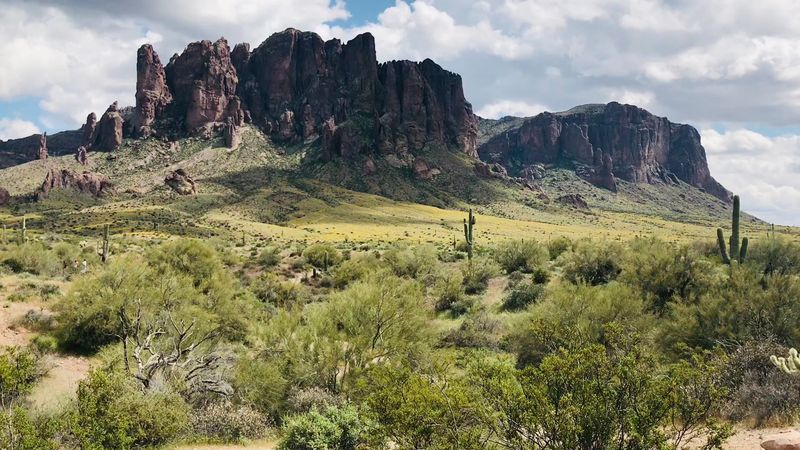
Set right at the base of the Superstition Mountains, Lost Dutchman State Park blends dramatic scenery with well maintained trails. Routes like the Treasure Loop and the challenging Siphon Draw draw a steady stream of hikers.
The desert here is thick with cactus, brush, and rock, which suits rattlesnakes just fine. Sightings are common on the lower trails, especially during spring when wildflowers and warm days bring the desert to life.
The park charges an entrance fee and offers camping, picnic areas, and ranger programs about the surrounding wilderness. Springtime wildflower blooms make it one of the prettiest spots near the Valley.
Stay on the trails, scan the ground ahead of you, and pause calmly if you hear a warning rattle so the snake can move along.